
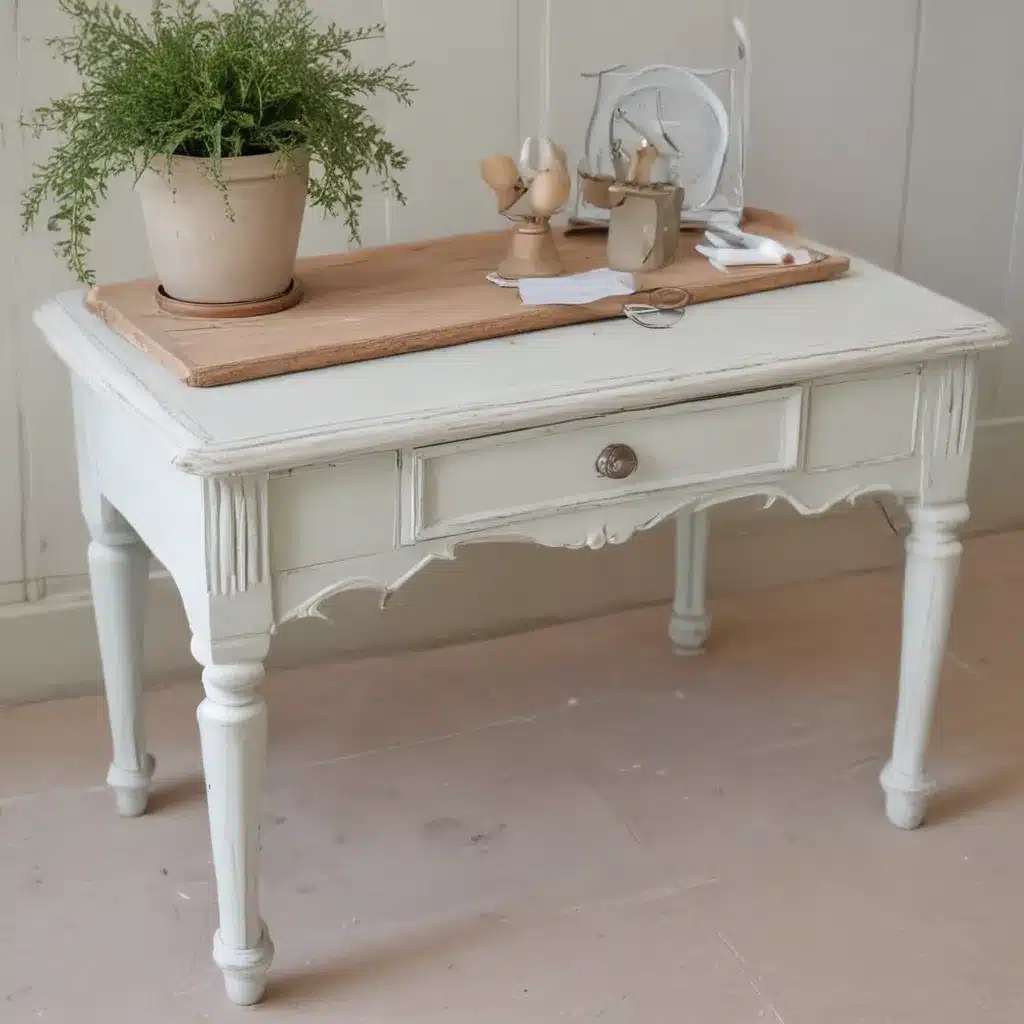
The Chalk Paint Craze: Why It’s All the Rage
Have you noticed the growing popularity of chalk paint in the world of home decor and renovations? As someone who’s deeply passionate about all things home-related, I certainly have! It seems like everywhere I turn, I’m seeing beautifully transformed pieces of furniture, walls, and even floors, all thanks to the magic of chalk paint.
But what exactly is the allure of this seemingly simple paint? Well, let me tell you – it’s not just about the gorgeous matte finish and endless color options. Chalk paint offers a level of versatility and ease-of-use that has homeowners and DIYers alike singing its praises. From giving dated pieces a fresh lease on life to creating custom looks for any space, the possibilities with chalk paint are truly endless.
In this in-depth article, I’m going to take you on a journey through all the incredible ways you can use chalk paint to breathe new life into your home. Whether you’re a seasoned pro or a complete beginner, get ready to be inspired and empowered to tackle your next DIY project with confidence.
Chalk Paint 101: Understanding the Basics
Before we dive into all the creative ways you can utilize chalk paint, let’s first take a moment to understand the basics. What exactly is chalk paint, and how does it differ from traditional paint?
Chalk paint, as the name suggests, is a type of paint that has a matte, chalky finish. Unlike glossy, shiny paints, chalk paint has a more subtle, velvety appearance that adds instant character and charm to any surface. The formula is designed to adhere well to a variety of materials, including wood, metal, glass, and even fabric, making it a versatile choice for all sorts of DIY projects.
One of the key advantages of chalk paint is its ability to create a distressed, vintage-inspired look with ease. By lightly sanding or distressing the paint after it’s been applied, you can achieve a beautifully worn, time-worn aesthetic that’s perfect for farmhouse, industrial, or shabby chic decor styles.
But the benefits of chalk paint don’t stop there. It’s also known for its fantastic coverage, often requiring only one or two coats to fully conceal the underlying surface. This makes it a great option for time-strapped DIYers who want to transform a piece quickly and easily. Plus, the paint dries relatively fast, allowing you to move on to the next step of your project in no time.
Furniture Facelift: Giving New Life to Old Pieces
One of the most popular applications of chalk paint is giving new life to tired, outdated furniture. Whether it’s a worn-out dresser, a beat-up side table, or a dingy armchair, chalk paint can work wonders in reviving these pieces and turning them into showstopping focal points in your home.
The beauty of using chalk paint on furniture is that it allows you to completely customize the look and feel of a piece. Want to take a boring, brown dresser and transform it into a stunning, distressed beauty? Chalk paint makes it easy. Simply clean the surface, apply a few coats of your desired color, and then lightly sand or distress the edges to achieve that perfect vintage vibe.
And the best part? Chalk paint adheres beautifully to a wide range of materials, from wood and metal to laminate and even upholstery. This means you can breathe new life into virtually any piece of furniture, regardless of its current condition or construction.
I recently tackled an old, battered side table that had been languishing in my garage for years. With just a few hours and a can of chalk paint, I was able to turn it into a stunning, modern accent piece that now takes pride of place in my living room. The transformation was truly remarkable, and I can’t help but feel a sense of pride every time I look at it.
Walls Worthy of Envy: Chalk Paint Makeovers
While furniture may be the most common application for chalk paint, it’s certainly not the only one. In fact, one of the most impactful ways to use this versatile paint is on your walls.
Chalk paint can be an absolute game-changer when it comes to transforming a space. Whether you’re looking to create a cozy, muted color palette or make a bold statement with a vibrant hue, chalk paint offers endless possibilities. And the best part? It’s incredibly easy to apply, even for those of us who may not consider ourselves the most skilled painters.
One of my favorite ways to use chalk paint on walls is to create a stunning feature wall. By painting just one wall in a room with a rich, deep color, you can instantly add depth, drama, and visual interest to the space. It’s a simple yet impactful way to elevate your decor without undertaking a full-scale painting project.
I recently used this technique in my own home, transforming a plain, white wall in my dining room into a stunning backdrop with a deep, moody blue chalk paint. The transformation was nothing short of remarkable, and it’s become the focal point of the entire space.
But chalk paint isn’t just limited to walls – it can also work wonders on floors, ceilings, and even backsplashes. I’ve seen homeowners use it to create custom, one-of-a-kind patterns and designs that add instant personality to any room. The possibilities truly are endless when it comes to this versatile paint.
Chalk Paint Techniques: Mastering the Essentials
Now that we’ve explored some of the many ways you can use chalk paint, let’s dive a bit deeper into the essential techniques and tips you’ll need to achieve your desired results.
One of the key things to keep in mind with chalk paint is its unique texture and consistency. Unlike traditional latex or oil-based paints, chalk paint has a thicker, more buttery consistency that requires a slightly different application approach. Instead of using a roller, which can leave unwanted brush strokes, I always recommend using a high-quality, synthetic brush to apply the paint.
When it comes to actually applying the paint, the key is to work in thin, even coats. Chalk paint has a tendency to become gloppy and uneven if applied too thickly, so take your time and focus on creating a smooth, consistent finish. And don’t be afraid to do multiple coats – the beauty of chalk paint is that it typically only requires two or three applications to achieve full coverage.
But the fun doesn’t stop there! Once your painted surface is dry, you can take it to the next level by distressing, sanding, or waxing the paint. Distressing, in particular, is a popular technique that adds instant character and charm to any piece. By lightly sanding the edges and corners, you can create a beautifully worn, time-honored look that’s perfect for vintage-inspired decor.
And let’s not forget about waxing – this crucial final step helps to seal and protect your chalk paint finish, ensuring it lasts for years to come. I always recommend using a high-quality clear wax, which can be applied with a soft cloth or wax brush for a smooth, even application.
Chalk Paint Projects: Inspiration and Ideas
Now that you’ve got the basics down, let’s dive into some of the most inspiring and creative ways you can use chalk paint in your own home. From transforming dated furniture to adding custom touches to your walls, the possibilities are truly endless.
One of my personal favorite chalk paint projects was a vintage dresser I rescued from my neighbor’s garage. It was a solid, well-made piece, but the outdated, scratched-up finish made it look like an eyesore. With a few coats of a rich, earthy green chalk paint and some strategic distressing, I was able to turn it into a stunning, one-of-a-kind statement piece that now takes pride of place in my bedroom.
But chalk paint isn’t just for furniture – it can also work wonders on walls, floors, and even accessories. I’ve seen homeowners use it to create custom, hand-painted murals on their walls, adding instant personality and character to their spaces. And some have even used it to breathe new life into tired, outdated floors, transforming them into stunning, vintage-inspired masterpieces.
One particularly creative project I came across involved using chalk paint to give a plain, basic bookshelf a complete makeover. The homeowner painted the shelves a deep, moody blue, then used a contrasting white chalk paint to create custom, hand-lettered labels for each shelf. The result was a stunning, personalized piece that added so much character and charm to the room.
And let’s not forget about the endless possibilities when it comes to accessories and decor. I’ve seen chalk paint used to transform everything from picture frames and vases to lamps and even stair risers. The beauty of this versatile paint is that it allows you to truly customize and personalize your space in ways that just aren’t possible with traditional paints.
Chalk Paint Trends and Techniques to Watch
As someone who’s always on the lookout for the latest home decor trends and techniques, I can say with certainty that chalk paint is showing no signs of slowing down. In fact, it seems like new and innovative ways to use this versatile paint are popping up all the time.
One trend I’m particularly excited about is the rise of custom-mixed chalk paint colors. While the pre-made hues available from popular brands like Annie Sloan and Rust-Oleum are stunning, there’s something so satisfying about creating your own unique shades. I’ve seen homeowners blend together different colors to achieve just the right tone for their space, or even use chalk paint to create custom color-washed effects on walls and furniture.
Another technique that’s been gaining a lot of traction is the use of chalk paint stencils and patterns. By applying chalk paint through intricate stencils, you can create stunning, one-of-a-kind designs on everything from accent walls to furniture. I’ve seen everything from elegant, scrolling motifs to bold, geometric patterns, and the results are always show-stopping.
And let’s not forget about the growing popularity of chalk paint-based furniture kits and tutorials. These ready-to-go sets make it easier than ever for DIYers to tackle furniture makeovers with confidence, providing all the necessary supplies and step-by-step guidance. It’s a great option for those who want to dip their toes into the world of chalk paint without the guesswork.
As you can see, the world of chalk paint is constantly evolving, with new and exciting applications and techniques emerging all the time. Whether you’re a seasoned pro or a complete beginner, there’s never been a better time to dive in and start exploring all the incredible ways you can use this versatile paint to transform your home.
Chalk Paint FAQs: Getting the Answers You Need
As you dive into the wonderful world of chalk paint, you’re bound to have a few questions along the way. That’s why I’ve compiled a list of some of the most common queries I receive, along with the answers you need to feel confident and empowered in your chalk paint projects.
Q: What’s the difference between chalk paint and regular paint?
A: The primary difference between chalk paint and traditional paints lies in the formula and the resulting finish. Chalk paint has a thicker, more matte consistency that dries to a velvety, chalky finish. It’s also designed to adhere well to a wide range of surfaces, from wood and metal to glass and fabric.
Q: How many coats of chalk paint do I need?
A: The number of coats required will depend on the surface you’re painting and the opacity of the chalk paint color. As a general rule, most surfaces will require 2-3 coats to achieve full, even coverage. Be sure to apply the paint in thin, even layers, allowing each coat to dry completely before adding the next.
Q: Can I use chalk paint on fabric?
A: Absolutely! Chalk paint is a fantastic option for transforming upholstered furniture, curtains, and even decorative pillows. The key is to use a dedicated chalk paint formula that’s specifically designed for fabric, like the ones offered by Annie Sloan or Rust-Oleum.
Q: How do I distress chalk paint?
A: Distressing chalk paint is a great way to achieve that coveted, vintage-inspired look. Simply lightly sand the painted surface, focusing on the edges and corners, to reveal the underlying color or material. You can also use a damp cloth to gently rub away some of the paint for a more worn-in effect.
Q: Do I need to wax or seal chalk paint?
A: Waxing or sealing your chalk paint finish is highly recommended, as it helps to protect the paint and create a durable, long-lasting surface. Use a clear, soft wax and apply it with a clean cloth or wax brush, buffing it out to a smooth, even sheen.
I hope these FAQs have helped to answer some of your burning questions about using chalk paint. Remember, the world of chalk paint is all about experimentation and exploration, so don’t be afraid to try new techniques and find what works best for your unique projects and style.
Chalk Paint Inspiration: Real-Life Transformations
To truly appreciate the power of chalk paint, there’s nothing quite like seeing it in action. That’s why I wanted to share a few real-life transformations that I’ve come across, each one a testament to the incredible potential of this versatile medium.
One of my favorite chalk paint success stories comes from my good friend, Sarah. A few years ago, she stumbled upon an old, beat-up dresser at a local flea market, and she knew she had to have it. With a little elbow grease and a few cans of chalk paint in a rich, earthy green, she was able to turn that dingy, outdated piece into a stunning, farmhouse-inspired showstopper that now anchors her cozy, rustic-chic bedroom.
Another inspiring chalk paint transformation comes from my neighbor, Chloe. She had long been dissatisfied with the dated, builder-grade cabinets in her kitchen, but the idea of a full-scale renovation was daunting and out of her budget. That is, until she discovered the magic of chalk paint. With just a few coats of a soft, muted gray, Chloe was able to breathe new life into those tired old cabinets, transforming her kitchen into a light, airy, and oh-so-inviting space.
And let’s not forget about the power of chalk paint when it comes to breathtaking wall treatments. I recently visited my sister, Lily, and was blown away by the custom, hand-painted mural she had created in her living room using chalk paint. By carefully sketching out a design and then meticulously applying the paint, she was able to transform a plain, white wall into a stunning, one-of-a-kind focal point that sets the tone for the entire room.
These real-life examples just scratch the surface of what’s possible with chalk paint, and they serve as a constant source of inspiration for me. Whether you’re looking to revive a piece of furniture, add a personal touch to your walls, or simply infuse your home with more character and charm, this versatile medium is truly the answer you’ve been searching for.
Chalk Paint Pros: Unleashing Your Creative Potential
As I’ve hopefully made clear throughout this article, chalk paint is a truly remarkable medium that offers endless possibilities for DIYers and home decor enthusiasts alike. But beyond the practical benefits, I believe the true magic of chalk paint lies in its ability to unleash our creative potential.
When you work with chalk paint, you’re not just slapping on a fresh coat of color – you’re embarking on a journey of transformation, where the possibilities are limited only by your imagination. Whether you’re breathing new life into a tired piece of furniture or creating a custom, one-of-a-kind wall treatment, the process of working with chalk paint allows you to tap into your inner artist and express your unique style and vision.
And let’s not forget the sheer joy and satisfaction that comes from seeing the fruits of your labor. There’s nothing quite like the feeling of stepping back and admiring a beautifully transformed piece, knowing that you were the one who brought it to life. It’s a sense of accomplishment and pride that simply can’t be replicated with any other medium.
But the benefits of chalk paint go beyond just the creative aspect – it’s also a fantastic way to save money and reduce waste. By repurposing and reviving existing pieces, you can avoid the cost and environmental impact of purchasing brand-new furniture or decor. It’s a truly sustainable and eco-friendly approach to home improvement that I can’t help but champion.
So, if you’re feeling inspired and ready to unleash your creative potential, I encourage you to dive headfirst into the world of chalk paint. Whether you’re a seasoned pro or a complete beginner, the journey is sure to be filled with endless possibilities, boundless joy, and a sense of personal accomplishment that’s simply unmatched.
Ready to get started? Be sure to check out ABC Home & Renovation for all the high-quality chalk paint supplies and expert guidance you’ll need to tackle your next big project. Happy painting!


