
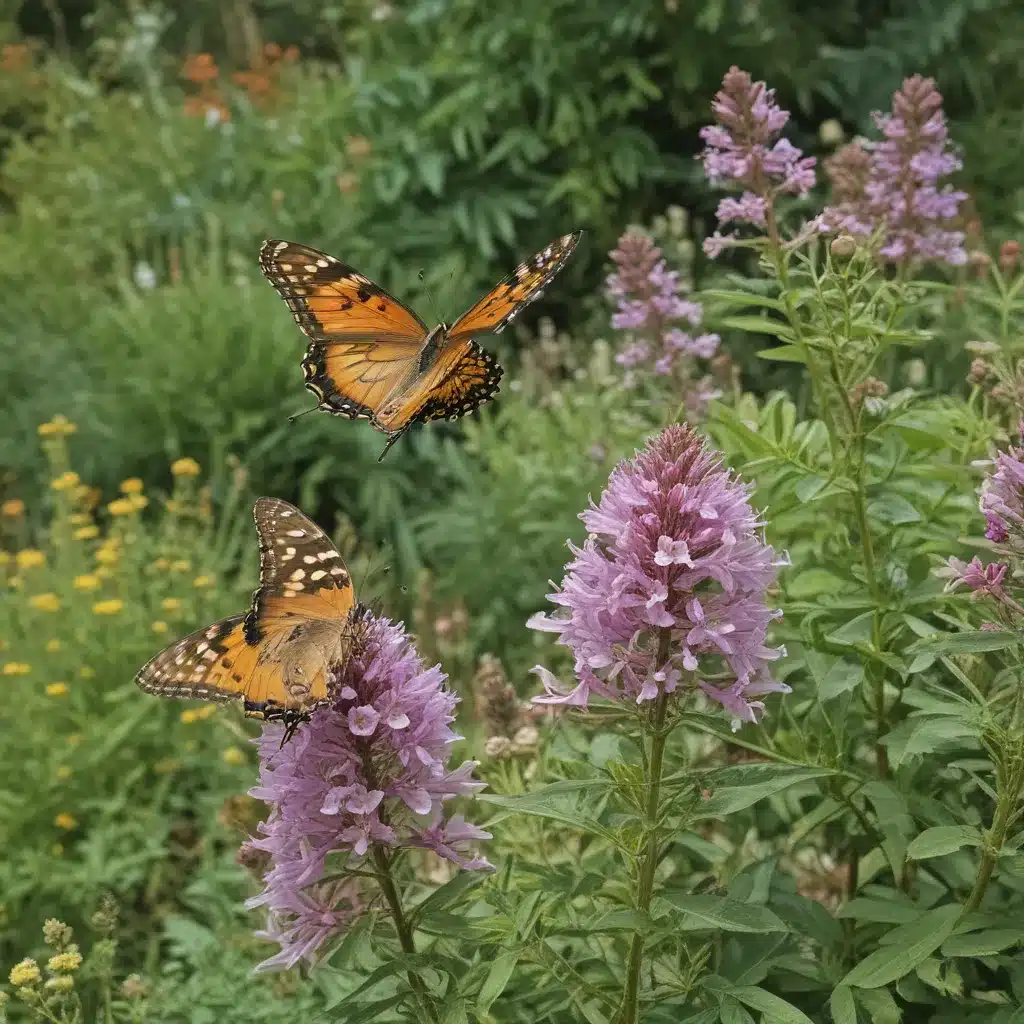
Bring Nature’s Vibrant Performers to Your Garden
Have you ever marveled at the playful dance of a hummingbird, sipping nectar from delicate flowers? Or been captivated by the graceful flutter of a monarch butterfly, its brilliant orange wings catching the sunlight? These natural wonders are not just a delight for the senses – they’re essential players in the vibrant symphony of life that sustains our world.
As a homeowner in Aberdeen, you have the power to create a haven for these winged wonders. By filling your garden with native plants, you can invite a diverse array of birds, bees, and butterflies to your doorstep, transforming your outdoor space into a living, breathing work of art.
The Beauty of Native Plants
I’ll admit, when I first started planning my garden, I was drawn to the bold, exotic blooms featured in glossy magazines. But as I dove deeper into the world of sustainable landscaping, I soon realized that the true stars of the show were the unassuming native plants that had evolved alongside the local wildlife.
These humble heroes don’t just offer stunning visual appeal – they’re the foundation of a thriving ecosystem, providing food, shelter, and nesting sites for a multitude of creatures. By planting native species, you’re not just creating a beautiful garden – you’re cultivating a vibrant, self-sustaining oasis that supports the delicate balance of nature.
Orchestrating a Symphony of Life
Imagine your garden as a grand symphony, with each plant and creature playing a vital role in the harmonious composition. The towering oak trees, supporting over 4,000 species of insects and birds, serve as the foundations, their sturdy branches providing shelter and nesting sites. The vibrant blooms of the bee balm and penstemon attract a chorus of buzzing pollinators, their nectar-rich flowers fueling the dance of hummingbirds and butterflies.
And as the seasons change, the symphony evolves, with the late-season seeds of the false sunflower and goldenrod providing sustenance for our feathered friends, ensuring they have the energy to weather the winter. It’s a captivating performance, and you have a front-row seat.
Cultivating Your Own Backyard Oasis
The transformation of your garden into a thriving wildlife haven may seem daunting, but I can assure you that the rewards are well worth the effort. By ABC Home & Garden, you’ll have access to a wealth of expertise and resources to guide you every step of the way.
From selecting the perfect native plants for your unique growing conditions to designing a landscape that caters to the needs of your feathered and winged friends, our team of experts will help you create a sanctuary that’s both beautiful and ecologically-sound.
And the best part? You’ll have the joy of witnessing your garden come alive with the fluttering, buzzing, and chirping of the creatures you’ve welcomed into your domain. It’s a symphony like no other, and it’s all yours to conduct.
So, are you ready to embark on a journey that will delight your senses and nourish your soul? Let’s get started on transforming your outdoor space into a vibrant, nature-inspired oasis that will captivate you and your community for years to come.
Designing Your Backyard Sanctuary
When it comes to creating a wildlife-friendly garden, the key is to think beyond just the visual appeal of your plants. You want to curate a diverse array of native species that will provide food, shelter, and nesting sites for a wide range of creatures.
Start by considering the various layers of your landscape – from the towering canopy of trees to the lush groundcover. Each stratum offers unique opportunities to support your local ecosystem.
For example, the mighty oak tree is a true heavyweight, its sturdy branches and leaves providing food and shelter for countless species of birds, insects, and mammals. Meanwhile, the vibrant blooms of the bee balm and penstemon attract a symphony of buzzing pollinators, their nectar-rich flowers fueling the dance of hummingbirds and butterflies.
And as the seasons change, the late-blooming goldenrod and asters step into the spotlight, providing vital sustenance for overwintering bees and birds.
By carefully selecting a diverse tapestry of native plants, you’ll create a self-sustaining ecosystem that will continue to evolve and thrive, delighting you and your winged visitors for years to come.
Unlocking the Secrets of Specialist Bees
As you dive deeper into the world of native gardening, you’ll uncover a fascinating realm of specialist bees – these pollen-loving pollinators have evolved alongside specific plant species, forming intricate, interdependent relationships.
Did you know that about a third of all bee species in Ohio are pollen specialists, relying on a narrow range of native plants to feed their young? These unsung heroes are the true MVPs of the pollinator world, transferring pollen with a level of efficiency that leaves their generalist cousins in the dust.
By incorporating plants like azaleas and rhododendrons into your garden, you’re not just creating a feast for the eyes – you’re also providing a lifeline for these specialized bees, ensuring the continued vitality of your local ecosystem.
Embracing the Unexpected
As you embark on your journey to transform your garden into a wildlife haven, be prepared for a few surprises along the way. After all, nature is full of delightful unpredictability, and sometimes, the most enchanting discoveries come from the unexpected.
Take, for instance, the winterberry bush – a holly-like shrub that may not seem like the most glamorous of plants, but its vibrant red berries provide a much-needed feast for hungry birds during the lean winter months. Or the unassuming blueberry plant, whose delicate flowers attract a diverse array of bees, while its foliage serves as a vital food source for hundreds of butterfly and moth species.
By embracing the unique personalities of these native plants, you’ll unlock a world of wonder and delight, as your garden transforms into a living, breathing tapestry of life. So, get ready to be surprised, delighted, and inspired – the magic of nature is about to unfold right before your eyes.
Cultivating Connections
As you immerse yourself in the world of native gardening, you may find that your outdoor sanctuary becomes more than just a haven for wildlife – it becomes a hub for community connection, too.
Imagine your neighbors strolling by, pausing to admire the graceful dance of a hummingbird or the vibrant explosion of color from your flowering plants. Perhaps they’ll even stop to chat, sharing their own stories of nature’s enchantments and trading tips on the best native species to incorporate into their own gardens.
At ABC Home & Garden, we believe that the power of native plants extends far beyond the boundaries of your own backyard. By cultivating these natural wonders, you’re not just creating a personal oasis – you’re contributing to a larger tapestry of ecological connectivity, weaving together the diverse threads of your local community.
So, as you embark on this journey, remember that you’re not just gardening for yourself – you’re gardening for the greater good, preserving the delicate balance of nature and inspiring others to do the same. Who knows, your backyard sanctuary just might become the talk of the town, sparking a ripple effect of environmental stewardship that spreads far and wide.
Embracing the Rhythm of the Seasons
In the ever-changing dance of the seasons, native plants are the unsung maestros, orchestrating a symphony of life that ebbs and flows with the rhythm of nature. From the vibrant blooms of spring to the fiery foliage of autumn, each stage of the yearly cycle holds a unique treasure trove of delights for our feathered and winged friends.
As the first buds of spring emerge, the golden alexander, wild geranium, and columbines burst forth, their nectar-rich flowers beckoning a parade of pollinators. The hummingbirds, with their lightning-fast wings, dart from blossom to blossom, while the bees and butterflies engage in a mesmerizing dance, transferring pollen and ensuring the continuation of this vibrant cycle.
And as the seasons progress, new stars take the stage – the blue star, bee balm, and false sunflower, each offering a unique contribution to the grand performance. The birds, too, join the cast, flitting from branch to branch, feasting on the abundance of seeds and insects that these native plants provide.
Finally, as the curtain falls on another year, the goldenrod and asters step into the spotlight, offering a final burst of color and sustenance for the creatures that will weather the coming winter. It’s a captivating display, a testament to the resilience and adaptability of the natural world.
By cultivating a diverse tapestry of native plants in your garden, you’re not just creating a beautiful oasis – you’re inviting your feathered and winged neighbors to join you in this timeless dance, ensuring that the rhythm of life continues to flow, season after season.
Conclusion: A Lasting Legacy
As you stand in your garden, surrounded by the flutter of wings and the symphony of birdsong, you’ll realize that your role as a native plant enthusiast is more than just a hobby – it’s a calling, a way to leave an indelible mark on the world around you.
By investing in the health and vitality of your local ecosystem, you’re not just beautifying your own backyard – you’re contributing to a larger movement that is reshaping the way we approach landscaping and environmental stewardship. Your garden becomes a living, breathing testament to the power of sustainable, nature-inspired design, inspiring your neighbors and community to follow in your footsteps.
And as the years pass, the legacy of your efforts will continue to unfold, with each generation of birds, bees, and butterflies that find a home in your garden. It’s a gift that keeps on giving, a tapestry of life that you’ve woven with your own two hands, and one that will continue to captivate and delight for years to come.
So, embrace the role of the nature enthusiast, the garden maestro, the steward of the land. For in doing so, you’ll not only transform your own outdoor space – you’ll leave an indelible mark on the world around you, creating a lasting legacy that will inspire and uplift for generations to come.


