
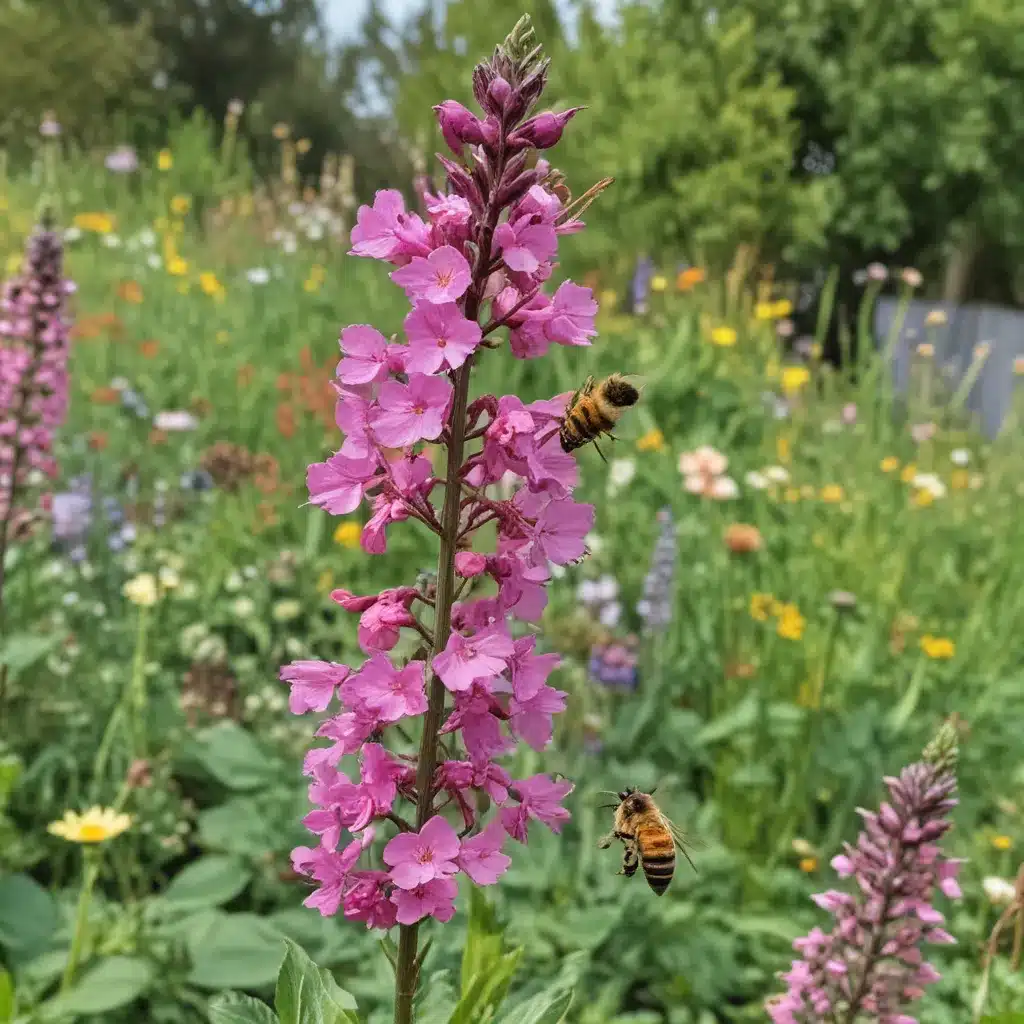
Why Bees Matter: The Importance of Pollination
As someone who takes pride in their home and garden, I know how important it is to create a thriving, vibrant outdoor space. But did you know that by carefully selecting the right flowers, you can do more than just beautify your property? You can actively contribute to the well-being of our precious pollinators – namely, the humble yet hardworking bees.
Bees are the unsung heroes of the plant world, responsible for pollinating a staggering 75% of the world’s flowering plants and crops. Without their tireless efforts, our gardens, parks, and farms would be a shadow of their former selves. These industrious insects are quite literally the glue that holds our ecosystems together.
Yet, bee populations are in decline globally due to a host of environmental threats, from pesticide use to habitat loss. As a homeowner, you have the power to make a real difference by transforming your garden into a bee-friendly oasis. By strategically planting nectar-rich flowers, you can provide a crucial lifeline for these valuable pollinators – and enjoy the vibrant, buzzing beauty they bring to your outdoor space.
Bee-Friendly Blooms: The Best Flowers for Pollinators
So, what are the best flowers to plant if you want to attract bees to your garden? The answer may surprise you – it’s not all about bright, bold blossoms. In fact, many of the most bee-friendly flowers have a more subtle, understated charm.
Take the humble dandelion, for example. While often dismissed as a weed, this cheerful yellow flower is an absolute magnet for bees, providing them with an abundance of nectar and pollen. Other wildflowers like clover, lavender, and rosemary are also incredibly bee-friendly, offering pollinators a diverse and nutritious food source throughout the growing season.
When it comes to cultivated flowers, opt for simpler, single-petal blooms rather than highly hybridized, double-flowered varieties. The latter can make it difficult for bees to access the precious nectar and pollen hidden within. Some top picks for bee-friendly garden plants include:
| Flower | Blooming Season | Bee Appeal |
|---|---|---|
| Sunflowers | Summer | High |
| Cosmos | Summer-Fall | High |
| Marigolds | Summer-Fall | Moderate |
| Zinnias | Summer-Fall | High |
| Coneflowers | Summer-Fall | High |
Of course, it’s not just about the flowers themselves – the layout and design of your garden also play a crucial role in attracting pollinators. Aim to create a diverse, layered landscape with a mix of tall, short, and trailing plants that will provide bees with a variety of landing spots and shelter. And be sure to include a reliable source of water, such as a shallow birdbath or small pond, to keep your buzzing visitors hydrated and happy.
The Buzz About Bees: Fascinating Facts and Insights
As I’ve delved deeper into the world of bee-friendly gardening, I’ve been struck by just how fascinating these incredible insects are. For example, did you know that bees have been around for millions of years, predating the existence of flowering plants? These tireless pollinators have quite literally co-evolved alongside the plants they serve, developing specialized adaptations that allow them to efficiently gather nectar and pollen.
Bees also have a highly sophisticated social structure, living in hives or colonies led by a single queen. Within these intricate communities, individual bees take on specialized roles, from the worker bees that collect nectar and pollen to the drone bees whose sole purpose is to mate with the queen. It’s a level of organization and cooperation that puts our own human societies to shame.
And let’s not forget the sheer industriousness of bees. On average, a single worker bee will visit around 2,000 flowers per day, collecting nectar and pollen to bring back to the hive. Over the course of a lifetime, that adds up to an astonishing 12 million flowers pollinated! No wonder these tiny creatures are so vital to the health of our ecosystems.
Sadly, bees face a multitude of threats in the modern world, from the widespread use of harmful pesticides to the loss of natural habitats due to urbanization and industrial agriculture. But as homeowners and gardeners, we have the power to make a real difference. By cultivating bee-friendly plants and creating welcoming outdoor spaces, we can do our part to support these crucial pollinators and ensure their survival for generations to come.
Gardening for Pollinators: Tips and Techniques
So, how can you transform your garden into a haven for bees and other pollinators? It’s easier than you might think! The key is to focus on creating a diverse, nectar-rich landscape that provides food and shelter throughout the growing season.
Start by incorporating a variety of flowering plants, blooming at different times of the year. This will ensure that your bee-loving guests have a steady supply of sustenance, even as the seasons change. Group plants of the same species together, as bees are more likely to visit clusters of flowers rather than scattered individual blooms.
When it comes to plant selection, opt for native species wherever possible. These local flora are naturally adapted to your regional climate and soil conditions, making them hardier and more resilient than exotic imports. Native plants also have a deeper, more symbiotic relationship with the pollinators that have evolved alongside them.
But don’t forget about the importance of ground cover and shelter, too. Bees and other beneficial insects need places to nest and overwinter, so be sure to leave some areas of your garden a little wild and unkempt. Allowing fallen leaves, hollow stems, and bare soil to remain will provide valuable habitat for these vital critters.
And if you really want to go the extra mile, consider adding a bee bath or small water feature to your garden. Bees need a reliable source of clean, fresh water to stay hydrated, especially during the hot, dry summer months. Just be sure to keep the water shallow and provide some stones or twigs for the bees to perch on.
With a little planning and care, you can transform your outdoor space into a true pollinator paradise. So, what are you waiting for? Grab your gardening gloves and get ready to welcome a whole new buzzing community to your backyard oasis.
The Rewards of Bee-Friendly Gardening
As I’ve discovered, the benefits of creating a bee-friendly garden go far beyond just having a beautiful, vibrant outdoor space. By supporting our pollinator friends, we’re also doing our part to protect the delicate balance of our local ecosystems.
After all, bees aren’t just responsible for pollinating the flowers in our gardens – they also play a crucial role in the production of the food we eat. From the fruits and vegetables we grow in our own backyards to the crops that sustain us on a global scale, these industrious insects are essential to the overall health and productivity of our agricultural systems.
But the rewards of bee-friendly gardening extend beyond just the environmental impact. There’s also something deeply satisfying about watching your garden come alive with the gentle hum of busy pollinators, flitting from bloom to bloom. It’s a peaceful, meditative experience that can truly lift the spirits and soothe the soul.
And let’s not forget the sheer pride and satisfaction that comes from knowing you’re making a positive difference, however small. By creating a welcoming habitat for bees and other pollinators, you’re contributing to the preservation of these crucial creatures – a legacy that will continue long after you’re gone.
So, whether you have a sprawling country estate or a humble urban balcony, I encourage you to embrace the joy and fulfillment of bee-friendly gardening. With a little planning and a whole lot of love, you can transform your outdoor space into a haven for pollinators – and reap the bountiful rewards for years to come.
Conclusion: Cultivating a Buzzing Legacy
As I reflect on my journey into the world of bee-friendly gardening, I’m struck by the profound impact that our humble backyards and community green spaces can have on the health of our local ecosystems. By simply selecting the right plants and providing a welcoming environment for pollinators, we can play a vital role in supporting the delicate balance of nature.
And the best part? It’s not just the bees that benefit – we as gardeners and homeowners reap the rewards, too. From the vibrant, buzzing beauty of our outdoor oases to the deep sense of satisfaction that comes from doing our part to protect the planet, the joys of bee-friendly gardening are truly boundless.
So, whether you’re just starting to dabble in gardening or you’re a seasoned green thumb, I encourage you to embrace the power of pollinators and let your garden bloom with bee-friendly blossoms. Who knows – you might just discover a new passion, cultivate a thriving community of buzzing visitors, and leave a lasting legacy that will continue to blossom for generations to come.
Ready to get started? Visit https://abc-home.co.uk/ to learn more about our building and renovation services, and let us help you create the outdoor oasis of your dreams. Together, we can transform our gardens into vibrant, pollinator-friendly havens and do our part to safeguard the future of these essential creatures.


