
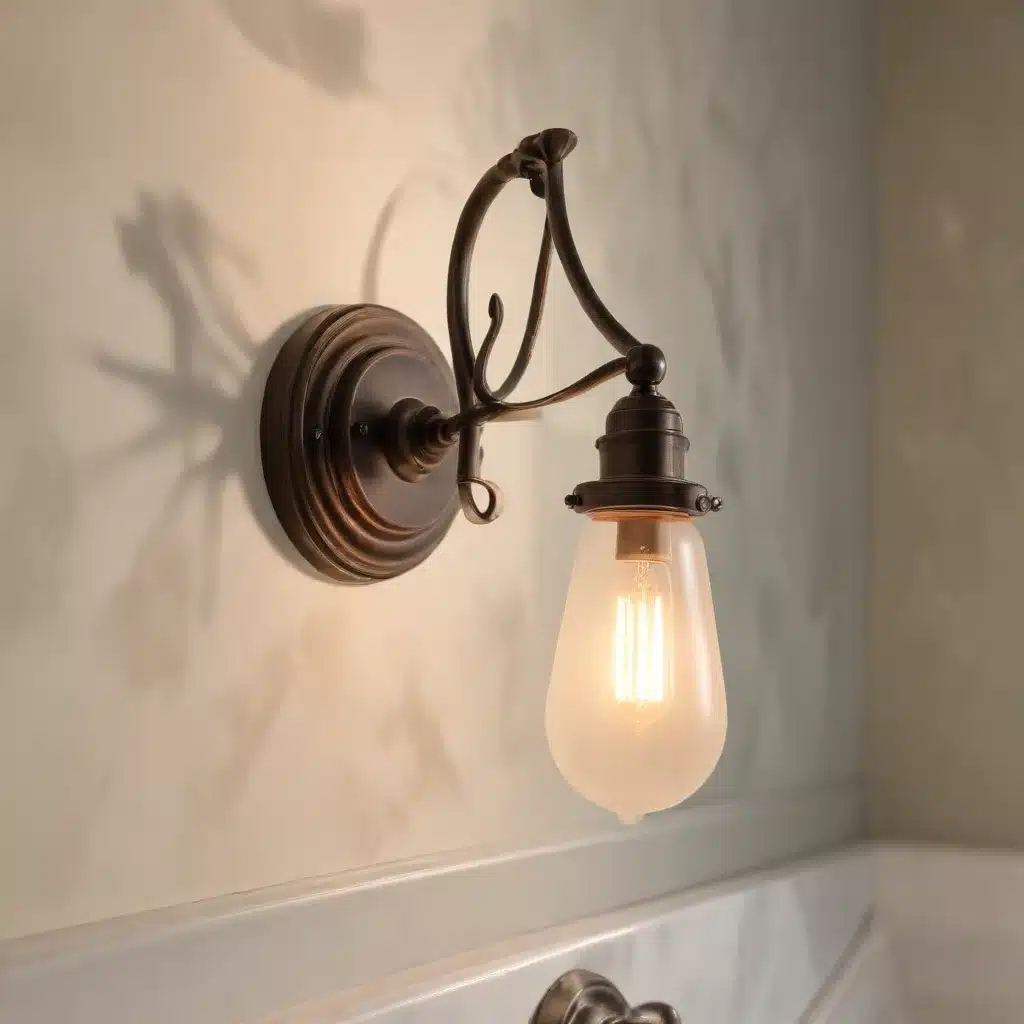
Understanding the Importance of Lighting in Period Bathrooms
When it comes to renovating a bathroom in a period home, lighting plays a crucial role in achieving an authentic and harmonious look. As a home construction specialist with years of experience, I’ve seen firsthand how the right lighting can transform a bathroom from ordinary to extraordinary. It’s not just about illumination; it’s about creating an atmosphere that respects the home’s heritage while meeting modern needs.
In my work with ABC Home (https://abc-home.co.uk/bathroom-fitting/), we’ve tackled numerous period bathroom renovations, and I’ve learned that success lies in the details. The choice of light fixtures, their placement, and even the quality of light they emit can make or break the overall design. It’s a delicate balance between form and function, aesthetics and practicality.
When selecting lighting for a period bathroom, it’s essential to consider the era of your home. Are you working with a Victorian terrace, an Edwardian semi, or perhaps a 1930s Art Deco property? Each period has its distinct characteristics, and your lighting should complement these features. For instance, ornate brass sconces might be perfect for a Victorian-style bathroom, while sleek chrome fixtures could be ideal for an Art Deco inspired space.
Choosing the Right Fixtures for Your Period Bathroom
Selecting the right fixtures for your period bathroom renovation is a task that requires both knowledge and creativity. As someone who’s spent countless hours poring over catalogs and visiting supplier showrooms, I can tell you that the options are vast, but not all are created equal when it comes to authenticity and quality.
First and foremost, consider the primary materials used during your home’s era. Brass, bronze, and copper were popular in many period homes, particularly those from the Victorian and Edwardian eras. These materials can add a warm, rich tone to your bathroom lighting. For later periods, such as the 1920s and 1930s, you might look at chrome or nickel fixtures, which offer a cooler, more modern feel.
The style of the fixture is just as important as the material. Wall sconces were a common feature in many period bathrooms, often placed on either side of the mirror. These not only provide functional task lighting but also serve as decorative elements. Pendant lights can be another excellent choice, especially in larger bathrooms where you want to make a statement.
Here’s a quick reference guide for matching light fixtures to different periods:
| Period | Common Materials | Popular Styles |
|---|---|---|
| Victorian (1837-1901) | Brass, Bronze | Ornate sconces, Gas light replicas |
| Edwardian (1901-1910) | Brass, Copper | Simpler designs, Early electric fixtures |
| Art Deco (1920s-1930s) | Chrome, Nickel | Geometric shapes, Frosted glass shades |
| Mid-Century (1940s-1960s) | Brass, Wood | Sputnik-style, Minimalist designs |
Remember, while authenticity is important, you don’t have to sacrifice modern conveniences. Many manufacturers now offer period-style fixtures that are compatible with LED bulbs, allowing you to maintain the look while benefiting from energy efficiency.
Incorporating Natural Light in Period Bathrooms
While artificial lighting is crucial, we shouldn’t overlook the power of natural light in a period bathroom. In my experience, maximizing natural light can dramatically enhance the space, making it feel larger, more inviting, and more in tune with the original design of the house.
If you’re fortunate enough to have a window in your bathroom, make the most of it. Consider using frosted glass for privacy while still allowing light to flood in. In some cases, I’ve recommended expanding existing windows or even adding new ones where structurally feasible. Of course, this needs to be done with careful consideration of the home’s exterior appearance and any relevant planning restrictions.
For bathrooms without windows, or where additional light is needed, skylights can be an excellent solution. I’ve seen skylights transform dark, cramped bathrooms into bright, airy spaces. They’re particularly effective in attic conversions or upper floor bathrooms where roof access is possible.
One project I worked on involved a Victorian terrace house with a small, north-facing bathroom. The homeowners were initially skeptical about installing a skylight, worried it might look out of place. However, after we installed a carefully chosen period-appropriate design, they were amazed at the difference it made. Not only did it flood the room with natural light, but it also added a sense of height and spaciousness that wasn’t there before.
When incorporating natural light, it’s important to consider how it will interact with your artificial lighting throughout the day. You might need adjustable fixtures or dimmers to balance the light levels as natural light changes. This attention to detail can elevate your period bathroom from good to exceptional.
Balancing Authenticity with Modern Functionality
One of the biggest challenges in period bathroom lighting is striking the right balance between authenticity and modern functionality. As much as we might love the look of a genuine Victorian gas lamp, it’s not exactly practical for everyday use in the 21st century.
The good news is that there are ways to achieve a period look without sacrificing modern conveniences. I’ve worked with numerous suppliers who specialize in creating faithful reproductions of period lighting fixtures, updated with modern wiring and compatible with energy-efficient LED bulbs. These fixtures give you the best of both worlds – the aesthetic appeal of a period piece with the functionality and efficiency of modern lighting.
In one recent project, we installed a stunning set of Edwardian-style wall sconces in a bathroom renovation. From a distance, they looked exactly like original fixtures from the early 1900s. However, upon closer inspection, you’d notice the discreet inclusion of modern dimmer switches and the use of LED candle bulbs. This allowed the homeowners to adjust the lighting to their needs while maintaining the period aesthetic.
It’s also worth considering the placement of your lighting fixtures. In many period homes, bathrooms were often an afterthought, with minimal or poorly placed lighting. When renovating, we have the opportunity to improve upon the original design while still respecting the home’s character. This might mean adding recessed lighting in the ceiling for overall illumination, while using period-appropriate fixtures for task and accent lighting.
Remember, the goal is not to create a museum piece, but a functional, beautiful bathroom that honors the home’s heritage while meeting modern needs. With careful planning and the right choices, it’s entirely possible to achieve this balance.
The Role of Color Temperature in Period Bathroom Lighting
When discussing bathroom lighting, we can’t overlook the importance of color temperature. This aspect of lighting design can significantly impact the overall feel of your period bathroom, affecting everything from the perceived warmth of the space to how accurately colors are rendered.
In my experience, many homeowners overlook this crucial detail, focusing solely on the style of the fixtures. However, the color of the light itself can make or break the authenticity of your period bathroom design.
Color temperature is measured in Kelvins (K), with lower numbers indicating warmer light and higher numbers cooler light. Here’s a general guide:
| Color Temperature | Description | Feeling |
|---|---|---|
| 2700-3000K | Warm White | Cozy, intimate |
| 3000-3500K | Soft White | Clean, natural |
| 3500-4100K | Cool White | Energizing, vibrant |
| 4100-5000K | Daylight | Bright, alert |
For most period bathrooms, I recommend sticking to the warmer end of the spectrum, around 2700-3000K. This mimics the warm glow of candlelight or early electric bulbs, creating an authentic, cozy atmosphere. It’s particularly suitable for Victorian and Edwardian style bathrooms.
However, if you’re working with a later period, such as Art Deco or Mid-Century Modern, you might consider a slightly cooler temperature, around 3000-3500K. This can help accentuate the clean lines and often brighter color schemes associated with these styles.
I once worked on a 1920s bathroom renovation where the homeowner initially insisted on very bright, cool lights. While this provided excellent visibility, it felt jarringly modern in the space. We compromised by using warmer bulbs in the main fixtures and incorporating some cooler task lighting around the mirror area. The result was a space that felt period-appropriate but still met all the functional needs of a modern bathroom.
Remember, you can always use a mix of color temperatures in your bathroom. Warmer lights can be used for ambient lighting, while cooler temperatures might be preferred around the mirror for tasks like shaving or applying makeup. The key is to create a cohesive look that enhances the period features of your bathroom while providing the functionality you need.
Innovative Lighting Solutions for Period Bathrooms
While staying true to the period style is important, that doesn’t mean we can’t incorporate some modern innovations in bathroom lighting. In fact, some of the most successful period bathroom renovations I’ve worked on have seamlessly blended old-world charm with cutting-edge technology.
One area where this is particularly effective is in the use of smart lighting systems. These allow you to control your bathroom lighting via smartphone apps or voice commands, giving you unprecedented control over your lighting environment. Imagine being able to set the perfect ambiance for a relaxing bath with just a word, or having your lights gradually brighten in the morning to help you wake up naturally.
I recently completed a project in a beautiful Victorian home where we installed a smart lighting system that was completely hidden from view. The homeowners could control all the lights in the bathroom – from the main ceiling light to the small accent lights in the alcoves – from their phones. We even programmed different lighting scenes to suit various moods and times of day. The best part? None of this technology was visible, preserving the authentic period look of the space.
Another innovative solution I’ve found useful in period bathrooms is the use of LED strip lighting. While this might sound ultra-modern, when used carefully, it can actually enhance period features. For example, in one Edwardian bathroom renovation, we used warm white LED strips hidden behind a cornice to create a soft, diffused glow that highlighted the room’s beautiful ceiling details.
Sensor-activated lighting is another modern touch that can be incorporated discreetly. In one project, we installed motion sensors under the vanity unit to trigger soft under-cabinet lighting when someone entered the bathroom at night. This provided enough light for nighttime visits without disturbing the period ambiance or waking up other household members.
The key to successfully incorporating these modern innovations is to ensure they enhance rather than detract from the period features. When done right, they can make your bathroom more functional and enjoyable while still honoring its historical character.
Safety Considerations in Period Bathroom Lighting
When it comes to bathroom lighting, safety should always be a top priority, especially in period properties where electrical systems may be outdated. As a construction specialist, I’ve seen my fair share of potentially dangerous situations in older bathrooms, and I always stress the importance of adhering to current safety standards, regardless of the age of the property.
First and foremost, all electrical work in a bathroom should be carried out by a qualified electrician. This is not an area for DIY enthusiasts, no matter how handy you might be. Bathrooms are considered ‘special locations’ under electrical regulations due to the presence of water, and there are strict rules about what types of electrical fittings can be used and where they can be placed.
One of the most important safety features in a bathroom is the use of low voltage lighting. In the UK, regulations stipulate that standard voltage (230V) fittings are only allowed in certain zones of the bathroom, and they must be enclosed and protected to at least IP44 standards (protected against water splashes).
In many of my period bathroom renovations, I’ve recommended the use of SELV (Safety Extra Low Voltage) lighting systems. These operate at 12V rather than mains voltage, making them much safer for use in wet areas. The transformers for these systems need to be located outside the bathroom or in a specified zone.
Here’s a quick guide to bathroom lighting zones:
| Zone | Description | Allowed Fittings |
|---|---|---|
| 0 | Inside the bath or shower | SELV (max 12V) |
| 1 | Above the bath/shower to 2.25m from the floor | Minimum IPX4 or SELV |
| 2 | 0.6m outside zone 1 and 0.6m around wash basin | Minimum IPX4 or SELV |
| Outside zones | Rest of the bathroom | No IP rating required |
Another safety consideration is the use of proper light switches. In period properties, I often find old-style switches that aren’t suitable for bathroom use. All switches in a bathroom should be either pull-cord operated or located outside the room. If you’re set on having switches inside the bathroom for aesthetic reasons, they must be of the right IP rating for their location.
Lastly, don’t forget about emergency lighting. While not a legal requirement in domestic bathrooms, I always recommend installing at least one light fitting that’s connected to a backup power source. This could be a battery-operated unit or one connected to the house’s emergency circuit. It’s a small addition that can make a big difference in terms of safety.
Remember, while achieving the right period look is important, it should never come at the expense of safety. With careful planning and the right expertise, it’s entirely possible to create a bathroom that’s both beautifully authentic and completely up to modern safety standards.
Maintenance and Care of Period Bathroom Lighting
Maintaining the lighting in your period bathroom is crucial not only for preserving its beauty but also for ensuring its longevity and safety. Over the years, I’ve developed some best practices for caring for these often delicate and valuable fixtures.
Firstly, regular cleaning is essential. Dust and grime can accumulate on light fixtures, diminishing their brightness and potentially causing damage over time. For most period fixtures, a soft, dry cloth is sufficient for routine dusting. If deeper cleaning is needed, a slightly damp cloth can be used, but be sure to avoid any electrical components. Never spray cleaning products directly onto the fixtures.
For more ornate fixtures, such as crystal chandeliers often found in grander period bathrooms, specialized cleaning methods may be required. I typically recommend hiring a professional for these more complex pieces, as improper cleaning can lead to damage.
It’s also important to regularly check all electrical connections and fittings. Look for any signs of wear, corrosion, or damage, particularly in older installations. If you notice any issues, don’t attempt to fix them yourself – call in a qualified electrician.
When it comes to replacing bulbs, always ensure you’re using the correct type and wattage for your fixtures. Using bulbs that are too powerful can lead to overheating and potential fire hazards. In many period-style fixtures, I’ve found that LED candle bulbs can be an excellent modern alternative, providing the right look while being more energy-efficient and generating less heat.
If your bathroom features any exposed metal fixtures, such as brass or copper, you may notice them developing a patina over time. While some homeowners prefer this aged look, others may want to maintain a polished appearance. For brass fixtures, a mixture of lemon juice and baking soda can be effective for gentle cleaning, while copper responds well to a paste made from salt, flour, and vinegar.
Remember, the humid environment of a bathroom can be harsh on light fixtures, potentially leading to rust or corrosion. Ensuring good ventilation in your bathroom can help mitigate this issue. In many of my renovation projects, I’ve incorporated extractor fans that are designed to look period-appropriate while providing modern ventilation capabilities.
Lastly, keep a record of any specialized bulbs or parts your fixtures may require. Period or reproduction fixtures often use non-standard components, and having this information on hand can save you a lot of hassle when replacements are needed.
By following these maintenance tips, you can ensure that your period bathroom lighting continues to shine brightly and safely for years to come, preserving the authentic character of your home while enjoying modern convenience and safety.
Conclusion: Creating Timeless Beauty with Period Bathroom Lighting
As we’ve explored throughout this article, achieving the perfect lighting in a period bathroom is a delicate balance of aesthetics, functionality, and safety. It’s a challenge that requires knowledge, creativity, and attention to detail, but the results can be truly stunning.
From choosing the right fixtures and bulbs to incorporating modern innovations and ensuring proper maintenance, every aspect of your bathroom lighting plays a crucial role in creating a space that’s both beautiful and practical. Remember, the goal isn’t to create a museum piece, but a living, functional space that respects your home’s heritage while meeting your modern needs.
Whether you’re tackling a DIY project or working with professionals like those at ABC Home, I hope this guide has given you valuable insights into the world of period bathroom lighting. With the right approach, you can create a bathroom that not only looks authentically period but also provides all the comfort and convenience you expect from a modern home.
Happy renovating, and may your period bathroom shine bright for years to come!


