
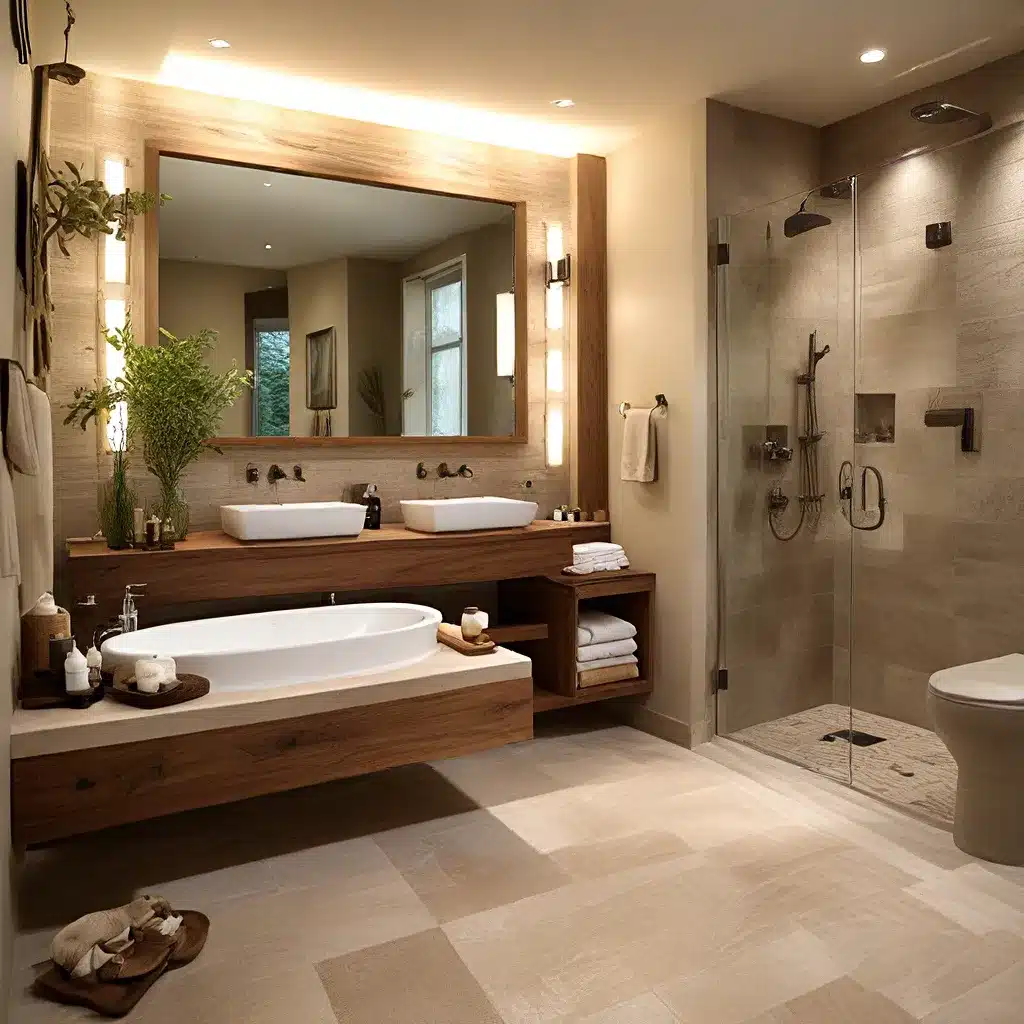
The Rise of Nature-Inspired Bathroom Design
In recent years, there has been a significant shift towards incorporating natural elements into bathroom design across the United Kingdom. This trend reflects a growing desire to create spaces that promote relaxation and well-being within the home. By bringing the outdoors in, homeowners are transforming their bathrooms into tranquil retreats that offer a respite from the hustle and bustle of daily life.
The appeal of nature-inspired bathrooms lies in their ability to create a sense of calm and serenity. Natural materials, earthy colours, and organic shapes work together to form an environment that feels both grounding and rejuvenating. This approach to design not only enhances the aesthetic appeal of the bathroom but also contributes to improved mental health and overall well-being.
One of the key aspects of this design trend is the use of organic accents. These can range from small decorative items to larger design elements that form the foundation of the bathroom’s aesthetic. By carefully selecting and incorporating these accents, it’s possible to create a space that feels both luxurious and connected to nature, without compromising on functionality or compliance with UK building regulations.
Understanding Organic Accents in Bathroom Design
Organic accents in bathroom design refer to elements that evoke a sense of nature and bring a touch of the outdoors into the interior space. These accents can take many forms, from the materials used in construction and finishes to decorative items and colour schemes. The goal is to create a harmonious environment that feels natural, soothing, and inviting.
Some common examples of organic accents include:
- Natural materials such as wood, stone, and bamboo
- Earth-toned colour palettes featuring greens, browns, and soft greys
- Plants and botanical elements
- Textured surfaces that mimic natural patterns
- Curved or irregular shapes that reflect forms found in nature
When incorporating organic accents into a bathroom design, it’s important to strike a balance between aesthetic appeal and practicality. While the goal is to create a nature-inspired space, the bathroom must still meet all necessary building regulations and functional requirements. This includes ensuring proper ventilation, waterproofing, and safety measures are in place.
It’s also worth noting that organic accents can be incorporated into various design styles, from traditional to contemporary. The key is to choose elements that complement the overall aesthetic of the home while still achieving the desired natural, calming effect.
Selecting Natural Materials for Your Bathroom
One of the most effective ways to infuse organic accents into your bathroom is through the use of natural materials. These materials not only add visual interest and texture but also create a tactile experience that enhances the overall sense of connection to nature. When selecting materials for your bathroom, consider the following options:
Wood
Wood is a versatile material that can add warmth and character to a bathroom. However, it’s crucial to choose wood that can withstand the humid conditions of a bathroom environment. Some suitable options include:
- Teak: Known for its water-resistant properties and durability
- Cedar: Naturally resistant to moisture and decay
- Oak: When properly sealed, can be used in bathroom applications
Wood can be incorporated into vanities, shelving, or even as wall cladding. Always ensure that wood used in wet areas is properly treated and sealed to prevent water damage and comply with UK building regulations.
Stone
Natural stone can create a luxurious and timeless look in a bathroom. Options include:
- Marble: Offers a classic, elegant appearance
- Granite: Highly durable and resistant to moisture
- Slate: Provides a rustic, earthy feel
When using stone in a bathroom, it’s important to consider slip resistance for flooring applications and to properly seal the stone to protect it from moisture and staining.
Bamboo
Bamboo is a sustainable and water-resistant material that can be used for flooring, cabinetry, or decorative elements. It offers a unique texture and can contribute to a spa-like atmosphere in the bathroom.
When selecting natural materials, consider the following table for a comparison of durability and maintenance requirements:
| Material | Durability | Maintenance | Cost (£/m²) |
|---|---|---|---|
| Teak | High | Moderate | 80-150 |
| Marble | Moderate | High | 50-200 |
| Granite | High | Low | 40-180 |
| Bamboo | Moderate | Low | 25-75 |
It’s important to note that while natural materials can greatly enhance the aesthetic of a bathroom, they must be properly installed and maintained to ensure longevity and compliance with UK building standards. Always consult with a qualified professional, such as those at ABC Home, to ensure proper installation and adherence to regulations.
Incorporating Earth-Toned Colour Palettes
Earth-toned colour palettes play a crucial role in creating a nature-inspired bathroom ambiance. These colours, reminiscent of natural elements, can help to create a soothing and grounding atmosphere. When selecting colours for your bathroom, consider the following earth-toned hues:
- Soft greens: Reminiscent of foliage and moss
- Warm browns: Evocative of wood and earth
- Muted greys: Reflective of stone and clay
- Gentle blues: Reminiscent of water and sky
To effectively incorporate these colours into your bathroom design, consider the following approaches:
Wall Colours
Painting walls in earth tones can immediately transform the feel of a bathroom. For a subtle effect, opt for lighter shades that will make the space feel open and airy. Darker tones can be used to create a more dramatic, cocooning effect, but should be balanced with lighter elements to prevent the space from feeling cramped.
When selecting paint for bathroom walls, ensure that you choose a moisture-resistant formula specifically designed for high-humidity environments. This will help prevent mould and mildew growth and maintain the integrity of the paint finish over time.
Tiles
Tiles offer an excellent opportunity to introduce earth tones and natural textures into the bathroom. Consider options such as:
- Stone-effect porcelain tiles in muted greys or browns
- Terracotta tiles for a warm, rustic feel
- Glass tiles in soft green or blue hues for a water-inspired accent
When selecting tiles, pay attention to slip resistance ratings, particularly for floor tiles. The UK Health and Safety Executive provides guidelines on slip resistance for bathroom flooring, which should be adhered to for safety and compliance.
Textiles and Accessories
Soft furnishings and accessories provide an easy way to introduce earth tones without committing to permanent changes. Consider:
- Towels and bath mats in complementary earth tones
- Shower curtains featuring natural patterns or colours
- Wooden or woven accessories such as storage baskets or soap dishes
When selecting textiles for the bathroom, opt for natural fibres where possible, such as cotton or linen. These materials are not only in keeping with the organic theme but are also highly absorbent and quick-drying, making them practical choices for a bathroom environment.
To help visualise how different earth tones work together, consider the following colour combination table:
| Primary Colour | Complementary Colour | Accent Colour |
|---|---|---|
| Sage Green | Warm Beige | Terracotta |
| Taupe | Soft Blue | Moss Green |
| Warm Grey | Pale Yellow | Deep Brown |
| Clay Brown | Dusty Blue | Olive Green |
Remember that lighting plays a crucial role in how colours are perceived. When selecting your colour palette, test samples under both natural and artificial lighting conditions to ensure the desired effect is achieved throughout the day and evening.
By thoughtfully incorporating earth-toned colours into your bathroom design, you can create a space that feels connected to nature and promotes a sense of calm and well-being. Always consider the practical aspects of your colour choices, ensuring that they not only look beautiful but also meet the functional requirements of a bathroom space.
Bringing Life to Your Bathroom with Plants
Incorporating plants into your bathroom design is an excellent way to infuse organic accents and create a connection with nature. Not only do plants add visual interest and a touch of colour, but they can also improve air quality and contribute to a sense of well-being. However, selecting the right plants for a bathroom environment requires careful consideration due to the unique conditions of high humidity and potentially low light.
Selecting Suitable Bathroom Plants
When choosing plants for your bathroom, consider the following factors:
- Humidity tolerance: Opt for plants that thrive in moist environments
- Light requirements: Assess the natural light available in your bathroom
- Size: Choose plants that fit comfortably within the available space
- Maintenance needs: Consider how much care the plants will require
Some plants that are well-suited to bathroom environments include:
- Aloe Vera: Thrives in high humidity and requires minimal care
- Spider Plant: Adaptable to various light conditions and helps purify the air
- Peace Lily: Enjoys humid environments and can tolerate low light
- Boston Fern: Loves moisture and adds a lush, forest-like feel
- Bamboo: Can grow well in low light and high humidity
Plant Placement and Care
Careful placement of plants is essential to ensure they thrive and enhance the overall bathroom design. Consider the following placement options:
- Window sills: Ideal for plants that require more light
- Shelving units: Can be used to create a vertical garden effect
- Hanging planters: Great for maximising space in smaller bathrooms
- Bath caddies or trays: Perfect for small, moisture-loving plants
When it comes to plant care in the bathroom, keep the following tips in mind:
- Ensure proper drainage to prevent waterlogging
- Clean leaves regularly to remove any soap residue or dust
- Monitor plants for signs of stress or disease
- Rotate plants periodically to ensure even growth if placed near a light source
Artificial Alternatives
For those who may struggle to maintain live plants or have bathrooms with very low light conditions, high-quality artificial plants can be a suitable alternative. Modern artificial plants can look remarkably realistic and offer the following benefits:
- No maintenance required
- Can be placed in areas with no natural light
- Do not contribute to humidity levels, which may be a concern in poorly ventilated bathrooms
When selecting artificial plants, opt for high-quality options that mimic the texture and colour variations of real plants. Place them thoughtfully to create a natural-looking arrangement that complements your bathroom design.
To help you choose the right plants for your bathroom, consider the following comparison table:
| Plant Name | Light Needs | Humidity Tolerance | Maintenance | Air Purifying |
|---|---|---|---|---|
| Aloe Vera | High | High | Low | Yes |
| Spider Plant | Low to Med | Medium | Low | Yes |
| Peace Lily | Low to Med | High | Medium | Yes |
| Boston Fern | Med to High | High | High | Yes |
| Snake Plant | Low to High | Low | Low | Yes |
Remember that while plants can greatly enhance the aesthetic and atmosphere of your bathroom, it’s important to balance their presence with the practical needs of the space. Ensure that plant placement does not interfere with bathroom functionality or pose any safety risks.
By thoughtfully incorporating plants into your bathroom design, you can create a space that feels fresh, vibrant, and connected to nature. Whether you opt for live plants or high-quality artificial alternatives, these organic accents can significantly contribute to a calming and rejuvenating bathroom environment.
Textured Surfaces and Natural Patterns
Incorporating textured surfaces and natural patterns into your bathroom design is an effective way to enhance the organic feel of the space. These elements add depth, visual interest, and a tactile quality that can make the bathroom feel more connected to nature. When considering textured surfaces and natural patterns, it’s important to balance aesthetic appeal with practicality and compliance with UK building regulations.
Textured Wall Treatments
Textured wall treatments can transform a plain bathroom into a visually striking space. Consider the following options:
- Textured tiles: Choose tiles with relief patterns or natural stone textures
- Textured wallpaper: Opt for moisture-resistant options designed for bathroom use
- Venetian plaster: Creates a subtle, stone-like texture
- Wood panelling: Use water-resistant wood or wood-effect materials
When applying textured wall treatments, ensure that they are properly sealed and suitable for use in high-humidity environments. This is particularly important in wet areas such as around the shower or bath.
Natural Stone Effects
Natural stone textures can add a luxurious and organic feel to your bathroom. Consider incorporating these through:
- Stone-effect porcelain tiles: Offer the look of natural stone with improved durability and lower maintenance
- Natural stone veneers: Thin layers of real stone applied to walls or surfaces
- Pebble tiles: Create a riverbed-like texture, particularly effective in shower areas
When using stone or stone-effect materials, pay attention to slip resistance ratings for floor applications to ensure safety and compliance with UK regulations.
Wood Grain Patterns
Wood grain patterns add warmth and a connection to nature. Incorporate these through:
- Wood-effect tiles: Offer the look of wood with improved water resistance
- Engineered wood flooring: Specially designed for bathroom use
- Wood veneer cabinetry: Adds natural texture to storage elements
Ensure that any wood or wood-effect materials used in the bathroom are properly treated and sealed to withstand moisture and humidity.
Organic Shapes and Patterns
Incorporate organic shapes and patterns inspired by nature through:
- Curved fixtures and fittings: Choose rounded sinks, baths, or mirrors
- Nature-inspired tile patterns: Such as leaf or pebble designs
- Textiles with organic prints: Shower curtains or towels with botanical patterns
When selecting fixtures and fittings with organic shapes, ensure they meet all necessary UK standards for bathroom use.
To help you compare different textured surface options, consider the following table:
| Surface Type | Durability | Maintenance | Water Resistance | Cost (£/m²) |
|---|---|---|---|---|
| Textured Tiles | High | Low | High | 20-100 |
| Venetian Plaster | Medium | Medium | Medium (if sealed) | 50-150 |
| Stone Veneer | High | Medium | Medium to High | 70-200 |
| Wood-Effect Tiles | High | Low | High | 25-80 |
When incorporating textured surfaces and natural patterns, consider the following tips:
- Balance: Use textured elements as focal points, balanced with smoother surfaces to prevent overwhelming the space
- Lighting: Consider how light interacts with textured surfaces, as it can enhance or diminish their effect
- Cleaning: Ensure that textured surfaces can be easily cleaned and maintained in a bathroom environment
- Cohesion: Choose textures and patterns that complement each other and the overall design scheme
Remember that while textured surfaces and natural patterns can greatly enhance the organic feel of your bathroom, they must be implemented in a way that is practical and compliant with UK building standards. Always consult with qualified professionals, such as those at ABC Home, to ensure proper installation and adherence to regulations.
By thoughtfully incorporating textured surfaces and natural patterns, you can create a bathroom that not only looks visually appealing but also feels connected to nature, promoting a sense of calm and well-being.
Lighting Strategies for a Natural Ambiance
Lighting plays a crucial role in creating a natural and calming ambiance in your bathroom. The right lighting strategy can enhance the organic accents you’ve incorporated and contribute to an overall sense of well-being. When designing your bathroom lighting, it’s important to consider both natural and artificial light sources, as well as how they interact with the other elements in the space.
Maximising Natural Light
Natural light is ideal for creating a connection with the outdoors and enhancing the natural feel of your bathroom. Consider the following strategies to maximise natural light:
- Larger windows: If possible, increase window size to allow more light in
- Skylights: Install skylights to bring in light from above
- Light tubes: Use tubular daylighting devices to bring natural light into windowless bathrooms
- Glass blocks: Incorporate glass blocks into walls to allow light while maintaining privacy
When adding or expanding windows, ensure compliance with UK building regulations regarding energy efficiency and privacy. Double or triple-glazed windows may be required to meet thermal performance standards.
Artificial Lighting Layers
A well-designed artificial lighting scheme should include multiple layers to create a natural and versatile ambiance. Consider the following layers:
- Ambient lighting: Provides overall illumination for the space
- Task lighting: Focused lighting for specific activities like grooming
- Accent lighting: Highlights specific features or creates visual interest
When selecting light fixtures, opt for those with warm colour temperatures (2700K-3000K) to create a soft, natural glow that mimics sunlight.
Lighting Fixtures and Placement
Choose lighting fixtures that complement your organic bathroom design and consider their placement carefully:
- Pendant lights: Can serve as both task and accent lighting
- Wall sconces: Provide soft, diffused light and can enhance textured surfaces
- LED strip lighting: Can be used to create subtle ambient lighting or highlight architectural features
- Mirror lights: Essential for task lighting at the vanity area
Ensure that all lighting fixtures are suitable for use in bathroom environments and comply with UK electrical safety regulations (IP ratings).
Smart Lighting Solutions
Incorporate smart lighting technologies to enhance the natural feel of your bathroom:
- Dimmer switches: Allow for adjustable light levels to suit different times of day and activities
- Colour-changing bulbs: Can mimic natural light cycles or create specific moods
- Motion sensors: Provide convenience and energy efficiency
- Programmable lighting scenes: Create pre-set lighting configurations for different times or activities
When implementing smart lighting solutions, ensure they are compatible with your overall home automation system, if applicable.
To help you compare different lighting options, consider the following table:
| Lighting Type | Energy Efficiency | Colour Temperature Range | Dimmable | Average Cost (£) |
|---|---|---|---|---|
| LED | High | 2700K-6500K | Yes | 5-30 per bulb |
| CFL | Medium | 2700K-6500K | Limited | 3-10 per bulb |
| Halogen | Low | 2800K-3200K | Yes | 2-8 per bulb |
| Smart LED | High | 1800K-6500K | Yes | 15-50 per bulb |
When planning your bathroom lighting, keep the following tips in mind:
- Layer your lighting to create depth and flexibility in the space
- Consider the colour rendering index (CRI) of your light sources to ensure colours appear natural and true
- Use lighting to highlight organic textures and materials in your bathroom
- Incorporate lighting controls that allow you to adjust the ambiance throughout the day
Remember that all electrical work in bathrooms must be carried out by a qualified electrician in compliance with UK regulations. Specific rules apply to the positioning of light fittings and electrical outlets in relation to water sources.
By carefully considering your lighting strategy, you can enhance the natural ambiance of your bathroom, creating a space that feels connected to nature and promotes relaxation and well-being. Thoughtful lighting design not only improves the aesthetic appeal of your bathroom but also contributes to its functionality and safety.
Sustainable and Eco-Friendly Bathroom Solutions
Incorporating sustainable and eco-friendly solutions into your bathroom design not only aligns with the organic theme but also contributes to environmental conservation and potentially reduces long-term costs. When considering sustainable options for your bathroom, it’s important to balance eco-friendliness with practicality and compliance with UK building regulations.
Water Conservation
Water conservation is a key aspect of sustainable bathroom design. Consider the following options:
- Low-flow showerheads: Reduce water consumption without compromising shower experience
- Dual-flush toilets: Allow for different flush volumes based on need
- Tap aerators: Reduce water flow while maintaining pressure
- Greywater recycling systems: Reuse water from sinks and showers for toilet flushing
When selecting water-saving fixtures, look for products with the Water Label, which indicates their water efficiency rating.
Energy Efficiency
Improving energy efficiency in your bathroom can significantly reduce your carbon footprint and energy bills. Consider these options:
- LED lighting: Use energy-efficient LED bulbs for all lighting fixtures
- Solar water heating: Install solar panels to heat water for showers and taps
- Heat recovery systems: Capture heat from shower water to preheat incoming cold water
- Insulation: Properly insulate bathroom walls and pipes to reduce heat loss
Ensure that any energy-efficiency measures comply with UK Building Regulations Part L, which covers conservation of fuel and power.
Sustainable Materials
Choose materials that are sustainably sourced and have a lower environmental impact:
- Recycled glass tiles: Made from post-consumer glass waste
- Bamboo: A fast-growing, renewable resource for flooring or cabinetry
- Reclaimed wood: Repurposed wood for shelving or decorative elements
- Low-VOC paints and sealants: Reduce indoor air pollution
When selecting materials, look for certifications such as FSC (Forest Stewardship Council) for wood products or Cradle to Cradle for overall sustainability.
Natural Ventilation
Proper ventilation is crucial in bathrooms to prevent mould growth and improve air quality. Consider these natural ventilation strategies:
- Operable windows: Allow for natural air circulation
- Passive ventilation systems: Use stack effect or wind-driven ventilation
- Plants: Incorporate air-purifying plants to improve indoor air quality
Ensure that your ventilation strategy meets the requirements of UK Building Regulations Part F, which covers ventilation.
To help you compare different sustainable bathroom solutions, consider the following table:
| Solution | Water Savings | Energy Savings | Initial Cost (£) | Potential Annual Savings (£) |
|---|---|---|---|---|
| Low-flow showerhead | Up to 60% | Reduces hot water usage | 20-100 | 70-100 |
| Dual-flush toilet | Up to 50% | N/A | 150-300 | 50-100 |
| LED lighting | N/A | Up to 90% vs. incandescent | 5-30 per bulb | 5-10 per bulb |
| Solar water heating | N/A | Up to 70% of hot water energy | 3000-6000 | 50-200 |
When implementing sustainable solutions, keep the following tips in mind:
- Consider the lifecycle cost of products, not just the initial purchase price
- Look for products with extended warranties to ensure longevity
- Educate household members on proper use of water and energy-saving features
- Regular maintenance of eco-friendly systems to ensure optimal performance
Remember that while sustainable solutions can greatly enhance the eco-friendliness of your bathroom, they must be implemented in compliance with UK building regulations. Always consult with qualified professionals, such as those at ABC Home, to ensure proper installation and adherence to standards.
By thoughtfully incorporating sustainable and eco-friendly solutions into your bathroom design, you can create a space that not only looks beautiful and feels connected to nature but also minimises its environmental impact. This approach aligns perfectly with the organic theme while contributing to a more sustainable lifestyle.
Creating a Spa-Like Atmosphere
Transforming your bathroom into a spa-like retreat can significantly enhance the calming and rejuvenating qualities of the space. By incorporating elements that appeal to all the senses, you can create an environment that promotes relaxation and well-being. When designing a spa-inspired bathroom, it’s important to balance luxury with practicality and ensure compliance with UK building regulations.
Luxurious Bathing Options
Consider upgrading your bathing facilities to create a more indulgent experience:
- Freestanding baths: Create a focal point and offer a luxurious bathing experience
- Walk-in showers: Provide a spacious, open feel with easy accessibility
- Rain showerheads: Offer a gentle, immersive shower experience
- Hydrotherapy features: Consider jets or air bubbles for therapeutic benefits
When installing new bathing fixtures, ensure they comply with UK water regulations and are installed by a qualified professional.
Soothing Colour Palette
Choose a calming colour scheme that promotes relaxation:
- Soft neutrals: Beige, cream, and light grey create a serene backdrop
- Cool blues and greens: Evoke a sense of water and nature
- Warm earth tones: Add a grounding, comforting element
Use low-VOC paints and finishes to maintain good indoor air quality.
Luxurious Textiles
Incorporate plush textiles to enhance comfort and absorb sound:
- High-quality bath towels and robes: Opt for organic cotton or bamboo fibres
- Soft bath mats: Choose materials that are absorbent and quick-drying
- Shower curtains: Select fabrics with natural textures or patterns
Ensure all textiles are mould and mildew resistant to withstand the humid bathroom environment.
Aromatherapy and Natural Scents
Introduce calming scents to enhance the spa-like atmosphere:
- Essential oil diffusers: Use natural essential oils for their therapeutic benefits
- Scented candles: Choose natural soy or beeswax candles with essential oil fragrances
- Fresh herbs: Incorporate potted herbs like lavender or eucalyptus
When using scented products, ensure proper ventilation to prevent the buildup of indoor air pollutants.
Ambient Lighting and Sound
Create a multi-sensory experience with thoughtful lighting and sound:
- Dimmable lighting: Install dimmer switches for adjustable ambiance
- Chromotherapy: Consider colour-changing LED lights for mood enhancement
- Waterproof speakers: Install a sound system for relaxing music or nature sounds
Ensure all electrical installations comply with UK regulations for bathroom use.
Natural Elements
Incorporate natural materials and elements to enhance the organic, spa-like feel:
- Stone or wood-effect tiles: Create a natural, grounding aesthetic
- Live plants: Add air-purifying plants suitable for bathroom environments
- Natural décor: Use items like driftwood, pebbles, or seashells as decorative accents
To help you plan your spa-inspired bathroom, consider the following comparison table of key elements:
| Element | Benefits | Considerations | Approximate Cost (£) |
|---|---|---|---|
| Freestanding bath | Luxurious focal point | Requires adequate space; plumbing considerations | 500-5000 |
| Walk-in shower | Spacious, accessible | Proper waterproofing essential | 1000-5000 |
| Rain showerhead | Immersive experience | May require increased water pressure | 100-500 |
| Aromatherapy diffuser | Enhances relaxation | Choose natural essential oils | 30-100 |
| Dimmable lighting | Adjustable ambiance | Must be suitable for bathroom use | 50-200 per fixture |
When creating a spa-like atmosphere in your bathroom, keep the following tips in mind:
- Focus on creating a clutter-free, organised space to promote relaxation
- Invest in quality materials and fixtures for longevity and improved experience
- Consider the flow of the space to create a sense of openness and calm
- Incorporate elements that appeal to all senses: sight, touch, smell, and sound
Remember that while creating a spa-like atmosphere can greatly enhance your bathroom experience, all modifications must comply with UK building regulations. Always consult with qualified professionals, such as those at ABC Home, to ensure proper installation and adherence to standards.
By thoughtfully incorporating these elements, you can transform your bathroom into a luxurious, spa-like retreat that promotes relaxation and well-being. This approach not only enhances the organic feel of the space but also creates a sanctuary where you can unwind and rejuvenate in the comfort of your own home.
Practical Considerations for Organic Bathroom Design
While creating an organic, nature-inspired bathroom is aesthetically pleasing, it’s crucial to balance design aspirations with practical considerations and compliance with UK building regulations. This approach ensures that your bathroom is not only beautiful but also functional, safe, and durable. Here are key practical aspects to consider when implementing an organic bathroom design:
Moisture Management
Bathrooms are high-humidity environments, which can pose challenges for certain materials and finishes. Consider the following measures:
- Proper ventilation: Install an extractor fan that meets UK Building Regulations Part F requirements
- Waterproofing: Ensure all surfaces, especially around showers and baths, are properly waterproofed
- Mould-resistant materials: Choose materials and finishes that resist mould and mildew growth
- Dehumidifiers: Consider installing a dehumidifier for additional moisture control
Slip Resistance
Safety is paramount in bathroom design. Ensure that flooring and surfaces are slip-resistant, especially in wet areas:
- Choose tiles with appropriate slip resistance ratings for bathroom use
- Use textured surfaces in shower areas and around the bath
- Consider adding non-slip mats or applying anti-slip treatments to existing surfaces
Adhere to UK health and safety guidelines for slip resistance in bathrooms.
Maintenance and Cleaning
Select materials and finishes that are easy to clean and maintain:
- Opt for non-porous surfaces that resist staining and are easy to wipe clean
- Choose grout that is resistant to mould and mildew
- Consider the long-term maintenance requirements of natural materials like wood or stone
Storage Solutions
Incorporate ample storage to keep the bathroom organised and clutter-free:
- Built-in cabinetry: Maximise vertical space with floor-to-ceiling units
- Floating shelves: Add storage without taking up floor space
- Recessed niches: Create storage within shower walls or above the bath
- Multifunctional furniture: Choose pieces that offer both style and storage
Accessibility
Consider the needs of all household members and potential future requirements:
- Walk-in showers: Provide easy access for users of all ages and abilities
- Grab bars: Install in strategic locations for added safety
- Adequate lighting: Ensure all areas are well-lit for safety and functionality
- Non-slip flooring: Throughout the entire bathroom space
Comply with UK Building Regulations Part M for accessibility in residential buildings.
Energy Efficiency
Implement energy-efficient solutions to reduce environmental impact and running costs:
- LED lighting: Use energy-efficient bulbs throughout the bathroom
- Insulation: Properly insulate walls and pipes to reduce heat loss
- Water-efficient fixtures: Choose taps, showerheads, and toilets with good water efficiency ratings
- Heating: Consider underfloor heating for efficient and comfortable warmth
Ensure compliance with UK Building Regulations Part L for energy efficiency.
To help you balance practical considerations with organic design elements, consider the following comparison table:
| Design Element | Practical Consideration | Solution | Approximate Cost (£) |
|---|---|---|---|
| Natural wood accents | Moisture resistance | Use teak or cedar; apply marine-grade sealant | 50-200 per m² |
| Stone flooring | Slip resistance | Choose textured or honed finish; apply anti-slip treatment | 40-100 per m² |
| Plants | Maintenance | Select low-maintenance, humidity-loving species | 10-50 per plant |
| Organic textiles | Mould resistance | Opt for quick-drying, antimicrobial fabrics | 20-100 per item |
| Natural lighting | Energy efficiency | Install double-glazed windows or skylights | 500-2000 per unit |
When implementing your organic bathroom design, keep these practical tips in mind:
- Prioritise function alongside aesthetics to ensure the space meets your daily needs
- Consider the long-term durability and maintenance requirements of materials
- Ensure all electrical installations are carried out by a qualified electrician and meet UK regulations for bathroom use
- Regularly review and maintain waterproofing and seals to prevent water damage
- Plan for adequate ventilation to manage moisture and maintain air quality
Remember that while creating an organic, nature-inspired bathroom can greatly enhance your home, all modifications must comply with UK building regulations. Always consult with qualified professionals, such as those at ABC Home, to ensure proper installation and adherence to standards.
By carefully considering these practical aspects alongside your design choices, you can create a bathroom that is not only beautiful and organic in feel but also functional, safe, and compliant with all necessary regulations. This balanced approach will result in a space that truly enhances your daily life while maintaining its aesthetic appeal for years to come.
Conclusion: Harmonising Nature and Modern Living in Your Bathroom
Creating an organic, nature-inspired bathroom that infuses calming accents is a thoughtful process that balances aesthetics, functionality, and compliance with UK building regulations. By carefully considering each aspect of the design, from material selection to lighting and sustainable practices, you can transform your bathroom into a tranquil retreat that promotes well-being and connects you with nature.
Key takeaways from this comprehensive guide include:
- The importance of selecting natural materials that are both beautiful and suitable for bathroom environments
- The role of colour in creating a calming, nature-inspired atmosphere
- The benefits of incorporating plants and organic textures to enhance the connection with nature
- The significance of lighting in creating the right ambiance and supporting the organic theme
- The value of sustainable and eco-friendly solutions in bathroom design
- The potential to create a spa-like atmosphere through thoughtful design choices
- The necessity of balancing aesthetic preferences with practical considerations and regulatory compliance
As you embark on your bathroom renovation journey, remember that creating a truly organic and calming space goes beyond mere aesthetics. It involves a holistic approach that considers the environmental impact, long-term functionality, and the


