
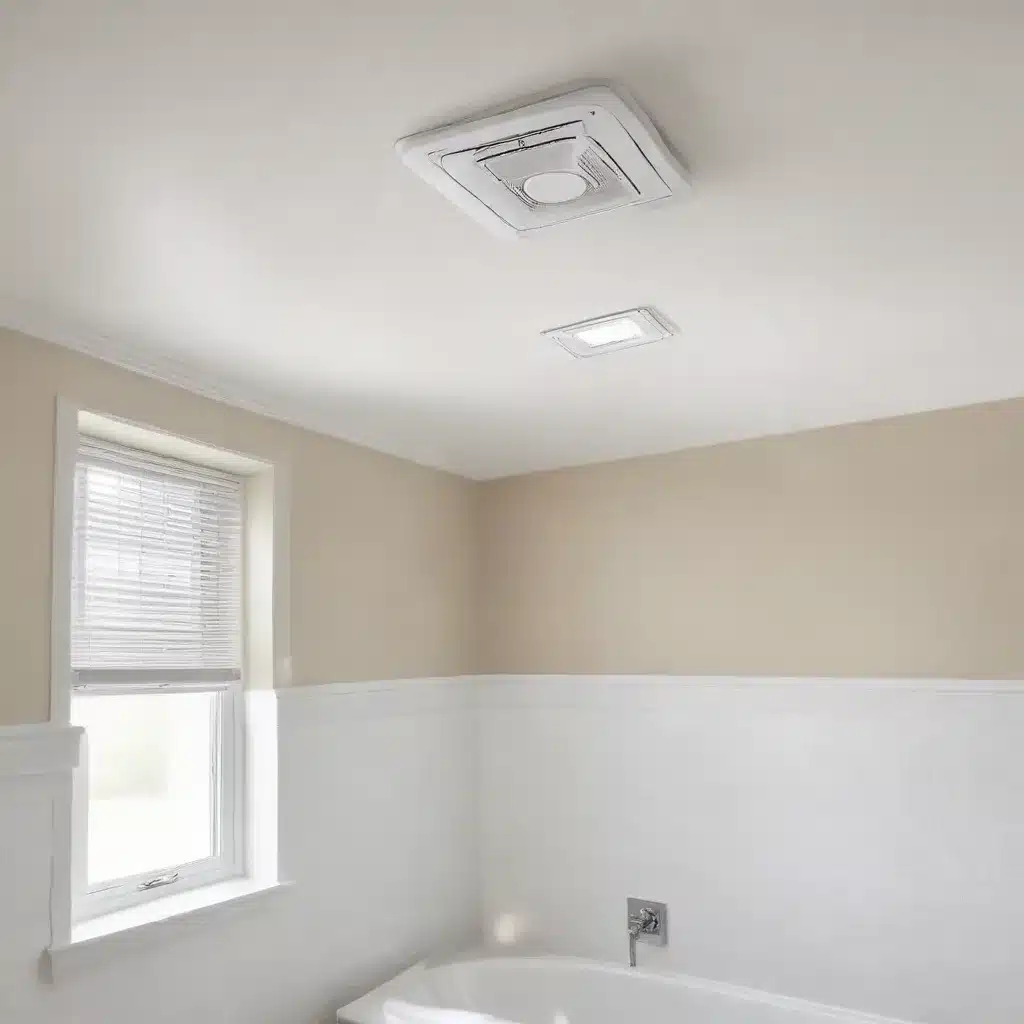
As a seasoned home construction specialist, I’ve seen my fair share of bathroom renovations over the years. One aspect that often gets overlooked but plays a crucial role in maintaining a healthy and comfortable bathroom environment is proper ventilation. Today, I want to share my insights on bathroom fan zones and how to optimize their coverage areas for maximum effectiveness.
Understanding Bathroom Fan Zones
Bathroom fan zones refer to the areas within a bathroom that require adequate ventilation to remove excess moisture, odors, and potentially harmful airborne particles. These zones are not just about comfort; they’re essential for maintaining the structural integrity of your home and promoting a healthier living environment.
In my experience, many homeowners underestimate the importance of proper ventilation in their bathrooms. I’ve walked into countless homes where inadequate fan placement or undersized units have led to mold growth, peeling paint, and even structural damage. That’s why it’s critical to understand the concept of fan zones and how they relate to your specific bathroom layout.
When we talk about fan zones, we’re essentially dividing the bathroom into areas that require different levels of ventilation. The shower or bathtub area, for instance, typically needs the most powerful ventilation due to the high moisture content. The toilet area is another zone that benefits from targeted ventilation for obvious reasons. Then there’s the general bathroom space, which still requires air circulation but perhaps not as intensively as the wet zones.
Calculating Proper Fan Coverage
One of the most common questions I get from homeowners is, “How do I know if my bathroom fan is big enough?” It’s a great question, and the answer lies in understanding how to calculate the proper fan coverage for your space.
The general rule of thumb in the industry is that you need at least 1 CFM (cubic feet per minute) of airflow per square foot of bathroom space. However, I always recommend going a bit higher, especially in bathrooms with high ceilings or those prone to excessive moisture.
Here’s a simple calculation I use:
- Measure the length and width of your bathroom in feet.
- Multiply these numbers to get the square footage.
- Multiply the square footage by 1.5 to get the minimum CFM rating you should look for in a fan.
For example, if your bathroom is 8 feet by 10 feet:
* 8 x 10 = 80 square feet
* 80 x 1.5 = 120 CFM
In this case, I’d recommend a fan rated at least 120 CFM. Remember, it’s always better to have a bit more power than you need rather than not enough.
Optimal Fan Placement for Different Bathroom Layouts
Now that we’ve covered the basics of fan sizing, let’s talk about placement. The layout of your bathroom plays a significant role in determining where your fan should be installed for maximum effectiveness.
Small Bathrooms
In smaller bathrooms, typically under 50 square feet, a single well-placed fan can often do the job. I usually recommend installing the fan in the ceiling, as close to the center of the room as possible. This allows for even air distribution throughout the space.
However, if your small bathroom has a separate shower stall, consider placing the fan directly above or very near the shower enclosure. This targets the area with the highest moisture concentration, which is particularly important in compact spaces where moisture can quickly spread to all surfaces.
Large Bathrooms
For larger bathrooms, especially those over 100 square feet, a single fan often isn’t sufficient. In these cases, I recommend a zoned approach:
- Primary Fan: Install a high-powered fan (at least 150 CFM) near the shower or bathtub area.
- Secondary Fan: Place a smaller fan (50-80 CFM) near the toilet area.
- Supplementary Ventilation: Consider adding a small, quiet fan in the general bathroom area for continuous air circulation.
This multi-fan setup ensures that each zone of the bathroom receives adequate ventilation, preventing moisture from settling in any one area.
Open-Concept Bathrooms
Open-concept bathrooms present unique challenges when it comes to ventilation. Without clear divisions between zones, moisture can spread more easily throughout the space. In these situations, I often recommend a combination of strategies:
- High-Powered Central Fan: Install a powerful fan (200+ CFM) in the center of the ceiling to provide overall ventilation.
- Targeted Exhaust Points: Use smaller, directional fans or vents near moisture-heavy areas like the shower and bathtub.
- Dehumidifier Integration: Consider incorporating a bathroom-specific dehumidifier to help manage moisture levels in the larger space.
Remember, in open-concept designs, it’s not just about removing moisture but also about controlling its spread. Strategic fan placement can help create invisible barriers that contain moisture to specific areas.
Enhancing Fan Efficiency with Smart Technology
In recent years, I’ve seen a significant shift towards smart home technology in bathroom ventilation. These advancements have made it easier than ever to maintain optimal air quality without constant manual intervention.
Humidity-Sensing Fans
One of my favorite innovations is the humidity-sensing fan. These intelligent units automatically activate when they detect a rise in humidity levels, ensuring that ventilation kicks in exactly when it’s needed. I’ve installed these in numerous homes, and the feedback has been overwhelmingly positive. Homeowners appreciate the hands-free operation and the peace of mind knowing their bathroom is being ventilated even when they forget to turn on the fan manually.
Timer-Controlled Systems
For those who prefer a bit more control, timer-controlled fan systems offer an excellent middle ground. These allow you to set specific run times for your fan, ensuring adequate ventilation even after you’ve left the bathroom. I typically recommend setting the fan to run for at least 20 minutes after a shower or bath to effectively remove excess moisture.
Multi-Speed Fans
Another technology I often recommend is multi-speed fans. These units allow for different levels of ventilation depending on the need. For instance, you might use a lower, quieter setting for general air circulation and a higher setting after a hot shower. This flexibility not only improves efficiency but also helps reduce energy consumption.
Noise Considerations in Fan Selection
One aspect of bathroom fans that often gets overlooked is noise level. In my experience, a noisy fan can be just as problematic as an ineffective one, simply because people are less likely to use it regularly.
Fan noise is measured in sones, with lower numbers indicating quieter operation. Here’s a quick reference guide I share with my clients:
| Sone Rating | Noise Level | Best For |
|---|---|---|
| 0.5 – 1.0 | Very Quiet | Bedrooms, nurseries |
| 1.0 – 2.0 | Quiet | Bathrooms, home offices |
| 2.0 – 3.0 | Moderate | Kitchens, laundry rooms |
| 3.0+ | Loud | Garages, workshops |
For most residential bathrooms, I recommend fans with a sone rating of 1.5 or lower. This ensures effective ventilation without creating a disturbance, especially in bathrooms adjacent to bedrooms or living areas.
It’s worth noting that more powerful fans aren’t necessarily louder. Many high-CFM fans are designed with noise reduction technology, allowing for efficient ventilation without excessive noise. When selecting a fan, always check both the CFM rating and the sone level to find the right balance for your needs.
Integrating Ventilation with Bathroom Design
As a construction specialist, I’ve learned that the best bathroom ventilation solutions are those that seamlessly integrate with the overall design of the space. Gone are the days when bathroom fans were eyesores that detracted from the room’s aesthetics. Today, there are numerous options that combine form and function beautifully.
Decorative Fan Covers
One simple way to enhance the look of your bathroom fan is by using decorative covers. These come in a variety of styles, from sleek modern designs to more ornate patterns that can complement traditional decor. I’ve used these in many projects to turn a utilitarian fixture into a design feature.
Combination Light and Fan Units
For bathrooms where ceiling space is at a premium, combination light and fan units are an excellent solution. These fixtures provide both illumination and ventilation in a single unit, streamlining the ceiling’s appearance. Some models even include options for different light colors or dimming capabilities, allowing you to create the perfect ambiance while maintaining proper ventilation.
Recessed Fan Installation
For a truly minimalist look, consider recessed fan installation. This technique involves mounting the fan body above the ceiling, with only the grille visible from below. While this method requires more complex installation, the result is a clean, unobtrusive look that’s particularly well-suited to modern bathroom designs.
Addressing Common Ventilation Challenges
Throughout my career, I’ve encountered numerous challenges when it comes to bathroom ventilation. Here are some common issues and the solutions I typically recommend:
Inadequate Ductwork
One of the most frequent problems I see is inadequate ductwork. Even the most powerful fan won’t be effective if the air can’t be properly exhausted from the home. Always ensure that your bathroom fan is connected to ductwork that leads directly outside, not just into an attic or wall cavity.
When retrofitting older homes, I often recommend flexible ductwork as it can navigate around existing structures more easily. However, for new construction or major renovations, rigid ductwork is preferable as it provides less resistance to airflow.
Shared Ventilation Systems
In multi-story homes or apartments, I sometimes encounter shared ventilation systems where multiple bathrooms are connected to the same exhaust duct. While this can be cost-effective, it often leads to poor ventilation and can even allow odors to travel between bathrooms.
My solution is typically to install individual exhaust systems for each bathroom. While this may involve a higher upfront cost, it ensures more effective ventilation and prevents cross-contamination between spaces.
Ventilation in Interior Bathrooms
Bathrooms located in the interior of a home, without exterior walls or windows, present unique ventilation challenges. In these cases, proper fan selection and ductwork become even more critical.
For interior bathrooms, I often recommend a slightly oversized fan to ensure adequate air movement. Additionally, I pay extra attention to the ductwork, ensuring it takes the most direct route possible to the exterior of the home to minimize resistance.
Maintenance Tips for Optimal Fan Performance
Installing the right fan is only half the battle; proper maintenance is key to ensuring long-term performance. Here are some maintenance tips I always share with my clients:
-
Regular Cleaning: Clean the fan cover and blades at least twice a year to prevent dust buildup, which can reduce efficiency.
-
Check Ductwork: Annually inspect the ductwork for any leaks or disconnections, especially in attic spaces.
-
Listen for Changes: Pay attention to any changes in the sound of your fan. Increased noise could indicate a problem with the motor or bearings.
-
Test Humidity Sensors: If you have a humidity-sensing fan, test it periodically by running a hot shower and ensuring it activates.
-
Replace Filters: Some high-end fans include filters. If yours does, replace these according to the manufacturer’s recommendations.
-
Professional Inspection: Consider having a professional inspect your ventilation system every few years, especially if you live in a particularly humid climate.
Energy Efficiency Considerations
As we focus more on creating energy-efficient homes, it’s important to consider the impact of bathroom ventilation on overall energy consumption. Here are some strategies I employ to balance effective ventilation with energy efficiency:
ENERGY STAR Certified Fans
Whenever possible, I recommend ENERGY STAR certified bathroom fans. These models are typically 60% more energy-efficient than standard fans, which can lead to significant savings over time, especially in bathrooms that require frequent or prolonged ventilation.
Heat Recovery Ventilators (HRVs)
For whole-house ventilation solutions, Heat Recovery Ventilators can be an excellent option. While more complex and costly to install, HRVs recover heat from the exhausted air and use it to warm the incoming fresh air, significantly reducing energy loss.
Proper Insulation
Ensuring proper insulation around ventilation ducts, especially in unheated spaces like attics, is crucial for energy efficiency. This prevents condensation and heat loss, improving the overall performance of your ventilation system.
Future Trends in Bathroom Ventilation
As we look to the future, I see several exciting trends emerging in the field of bathroom ventilation:
Smart Home Integration
The integration of bathroom fans with smart home systems is becoming increasingly common. This allows for more precise control over ventilation based on factors like indoor air quality, outdoor weather conditions, and even your daily routines.
UV Sterilization
Some high-end fans now incorporate UV sterilization technology to kill bacteria and mold spores as air passes through the system. While currently a premium feature, I expect this to become more commonplace in the coming years.
Eco-Friendly Materials
There’s a growing trend towards using more sustainable materials in fan construction. This includes recycled plastics for fan housings and energy-efficient motors that reduce overall environmental impact.
Conclusion: The Importance of Professional Installation
While this article provides a comprehensive overview of bathroom fan zones and ventilation strategies, it’s important to remember that every home is unique. Factors like local climate, building codes, and individual household needs all play a role in determining the best ventilation solution for your bathroom.
That’s why I always recommend consulting with a professional when planning your bathroom ventilation system. A skilled contractor can assess your specific needs, recommend the most appropriate solutions, and ensure that installation is carried out correctly and safely.
If you’re looking for expert advice on bathroom fitting, including ventilation solutions, I highly recommend checking out ABC Home’s bathroom fitting services. Their team of professionals can provide tailored advice and high-quality installation to ensure your bathroom is not only beautiful but also properly ventilated for years to come.
Remember, proper bathroom ventilation is more than just a comfort issue – it’s a key factor in maintaining the health of your home and its occupants. By understanding fan zones, selecting the right equipment, and maintaining your ventilation system, you can create a bathroom environment that’s both pleasant and healthy.


