
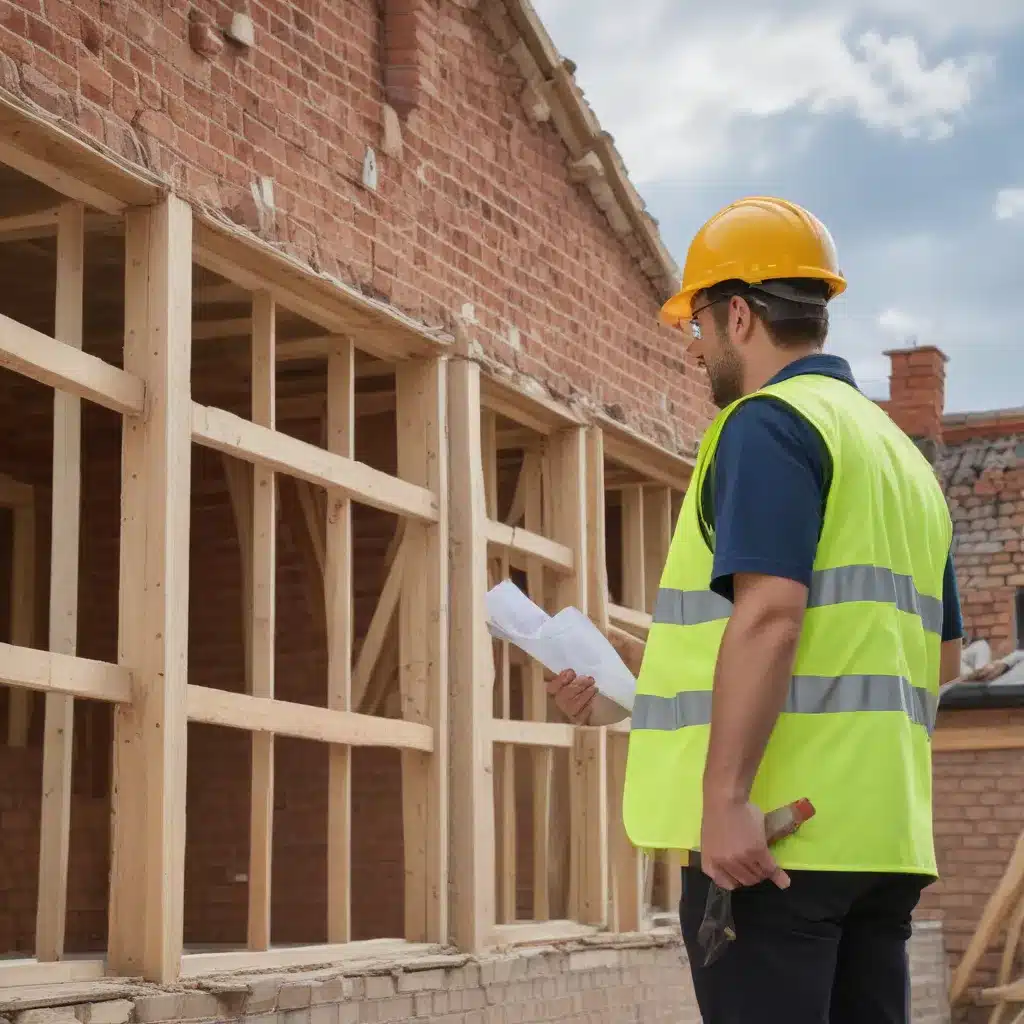
Understanding the Basics of Building Regulations
Ah, the world of building regulations – where the fine print can make or break your renovation dreams! As a beginner, navigating this labyrinth of codes and standards can feel like trying to decipher ancient hieroglyphics. But fear not, my fellow construction enthusiasts, for I’m here to shed some light on this often-misunderstood topic.
Let’s start with the basics, shall we? Building regulations are the set of rules and guidelines that govern the design, construction, and alteration of buildings in the UK. These regulations are in place to ensure the safety, health, and well-being of everyone who will be using the structure. Think of them as the bouncers of the construction world – they’re there to make sure the party doesn’t get too wild (or, you know, collapse).
Now, you might be wondering, “But why do I need to worry about all these rules and regulations? I just want to add a snazzy new kitchen or convert my attic!” Well, my friend, the answer is simple: compliance is key. Failing to follow the building regulations can lead to a whole host of problems, from hefty fines to the dreaded order to “tear it all down and start over.” Trust me, you don’t want to be on the receiving end of that particular party favor.
Navigating the Regulatory Landscape
Alright, so we’ve established that building regulations are a big deal, but how do you actually navigate this tangled web of requirements? The first step is to understand the different types of regulations that may apply to your project.
Let’s take a quick look at some of the key areas covered by building regulations:
| Regulation | Description |
|---|---|
| Structural Integrity | Ensuring the building’s structure can safely support its weight and withstand external forces like wind and earthquakes. |
| Fire Safety | Implementing measures to prevent the spread of fire and protect occupants in the event of an emergency. |
| Electrical Installations | Ensuring all electrical work is carried out safely and in accordance with industry standards. |
| Ventilation and Insulation | Maintaining proper air quality and energy efficiency within the building. |
| Accessibility | Ensuring the building is accessible to people with disabilities. |
| Sanitation and Drainage | Proper installation and maintenance of plumbing systems. |
Whew, that’s a lot to keep track of, isn’t it? But don’t worry, I’ve got your back. The key is to familiarize yourself with the specific regulations that apply to your project. This might involve consulting with a local building control officer, reviewing the relevant building regulations documents, or even hiring a professional architect or builder who can guide you through the process.
Navigating the Regulatory Approval Process
Now that you’ve got a handle on the different types of building regulations, it’s time to tackle the approval process. This can be a daunting task, but with a little preparation and patience, you can navigate it like a pro.
The first step is to determine whether your project requires building regulation approval. Generally, any major structural changes, such as adding an extension or converting a loft, will require approval. Smaller projects, like installing a new kitchen or bathroom, may also need to be approved, depending on the specifics of the work.
Once you’ve determined that your project requires approval, it’s time to submit your plans to the local building control department. This typically involves filling out an application form, providing detailed drawings and specifications, and paying the necessary fees.
But wait, there’s more! The building control department will then review your plans to ensure they comply with the relevant regulations. This might involve a series of inspections at various stages of the project, so be prepared to work closely with the building control officer and address any concerns they may have.
And let’s not forget the dreaded “Building Regulation Approval” certificate – the holy grail of construction projects. This document is your proof that your project has been deemed compliant with all the necessary regulations. Without it, you may find yourself in a world of trouble down the line, so make sure to keep it safe and sound.
Avoiding Common Pitfalls
Now that you’ve got a solid understanding of the building regulation landscape, it’s time to talk about some common pitfalls to avoid. Trust me, you don’t want to be the one who accidentally installs a fire hazard or creates a plumbing nightmare.
One of the biggest mistakes I see is homeowners trying to tackle complex projects on their own, without seeking professional guidance. While DIY can be a lot of fun, it’s important to remember that building regulations are there for a reason. Trying to navigate them without the proper knowledge and expertise can lead to costly mistakes and major headaches.
Another common pitfall is failing to plan ahead. Building regulation approval can take time, so it’s crucial to factor that into your project timeline. Waiting until the last minute to submit your plans can result in delays, unexpected costs, and even the dreaded “stop work” order.
And let’s not forget about the ever-elusive “hidden costs.” Building regulations can sometimes require additional work, such as upgrading electrical systems or installing fire-rated doors. These unexpected expenses can quickly add up, so it’s important to do your research and budget accordingly.
But fear not, my friends! With a little foresight and a willingness to embrace the regulatory process, you can avoid these common pitfalls and ensure your renovation project is a resounding success.
Embracing the Regulations: A Pathway to a Safer, Smarter Home
Alright, I know what you’re thinking – “Building regulations? More like building nightmares!” But hear me out, my fellow construction enthusiasts. These regulations aren’t just a bunch of red tape; they’re actually there to protect you, your family, and your investment.
Think about it this way: when you build or renovate a home, you’re creating a space where people will live, work, and play. Doesn’t it make sense to ensure that space is safe, healthy, and up to par with the latest standards? Building regulations are the gatekeepers, making sure your home is built to last and withstand the test of time.
And let’s not forget about the long-term benefits. Complying with building regulations can actually increase the value of your property, making it a more attractive investment down the line. Plus, you’ll have the peace of mind knowing that your home is not only beautiful but also structurally sound and up to code.
So, instead of seeing building regulations as a necessary evil, try to embrace them as a pathway to a safer, smarter home. With a little effort and a willingness to work with the system, you can navigate the regulatory landscape with ease and come out the other side with a renovation project that’s not just visually stunning, but also built to last.
Partnering with the Experts: The Key to Smooth Sailing
Now, I know what you’re thinking – “But I’m just a humble homeowner, how on earth am I supposed to navigate all these complex regulations?” Fear not, my friends, for there is a solution: partnering with the experts.
When it comes to building regulations, the key to smooth sailing is to surround yourself with a team of professionals who know the ropes. This might include an architect, a building contractor, or a specialized building control consultant. These experts can help you understand the specific requirements for your project, guide you through the approval process, and ensure that your renovation is compliant with all the necessary regulations.
And let’s not forget about the local building control department – they’re not just the bearers of bad news, but also a valuable resource. By working closely with your local building control officer, you can get a better understanding of the regulations, address any concerns they may have, and ultimately, get your project approved with minimal hassle.
But don’t just take my word for it. Let me share a real-life example of how partnering with the experts can make all the difference.
Recently, a client of ours, let’s call her Sarah, was looking to convert her attic into a cozy home office. She had grand plans, but was quickly overwhelmed by the building regulation requirements. Thankfully, she reached out to us for help.
We connected Sarah with one of our in-house architects, who worked closely with the local building control department to ensure her plans were up to par. Together, they navigated the approval process, addressed any concerns, and even suggested some innovative solutions to overcome a few tricky design challenges.
The end result? A beautifully converted attic that not only meets all the necessary building regulations but also exceeds Sarah’s wildest expectations. And the best part? She didn’t have to stress about the regulatory side of things – we handled it all for her.
So, if you’re feeling daunted by the building regulation maze, remember that you don’t have to go it alone. By partnering with the right team of experts, you can conquer the regulatory landscape and turn your renovation dreams into a reality.
Embracing the Future: How Building Regulations Shape Sustainable Design
As we delve deeper into the world of building regulations, it’s important to recognize that these guidelines aren’t just about ensuring safety and compliance – they’re also shaping the future of sustainable design.
You see, the world is changing, and with it, the demands we place on our built environment. Gone are the days when energy efficiency and environmental impact were mere afterthoughts. Today, building regulations are increasingly focused on promoting energy-efficient construction, renewable energy integration, and the use of sustainable materials.
Take, for example, the recent updates to the Building Regulations in the UK. The latest edition places a greater emphasis on improving the thermal performance of buildings, reducing carbon emissions, and encouraging the use of renewable energy sources. This means that homeowners and builders alike must now consider the environmental impact of their projects, not just the structural and safety aspects.
But the benefits of embracing these “green” building regulations go far beyond just reducing your carbon footprint. By designing and constructing buildings that are energy-efficient and environmentally friendly, you’re not only doing your part to protect the planet – you’re also creating spaces that are healthier, more comfortable, and more cost-effective to operate.
Just imagine a world where your home not only looks and feels great, but also actively contributes to a more sustainable future. That’s the power of building regulations, my friends – they’re shaping the way we design, build, and live in our built environment, and it’s up to us to embrace this change.
So, as you navigate the world of building regulations, keep an eye on the bigger picture. Understand how these guidelines are evolving to address the pressing environmental challenges of our time, and use that knowledge to create projects that are not only compliant, but also forward-thinking and sustainable.
Conclusion: Embracing Building Regulations for a Brighter, Safer Future
Well, there you have it, folks – the beginner’s guide to building regulations. From understanding the basics to navigating the approval process, we’ve covered a lot of ground. But the journey doesn’t end here.
As you embark on your next renovation or construction project, remember that building regulations are not just a hurdle to overcome, but a crucial tool in shaping a safer, more sustainable future. By embracing these guidelines and working closely with the experts, you can transform your dreams into reality while ensuring the well-being of your loved ones and the environment.
So, don’t be intimidated by the complexities of building regulations – see them as an opportunity to create something truly special. With a little effort and the right team by your side, you can navigate this regulatory landscape with ease and come out the other side with a renovation project that’s not just visually stunning, but also built to last.
And who knows, maybe one day, you’ll be the one sharing your own success story, inspiring others to tackle the challenges of building regulations head-on. After all, the future of our built environment is in our hands, and it’s up to us to shape it for the better.
So, what are you waiting for? Let’s get started on your next project and show the world just how amazing building regulations can be!


