
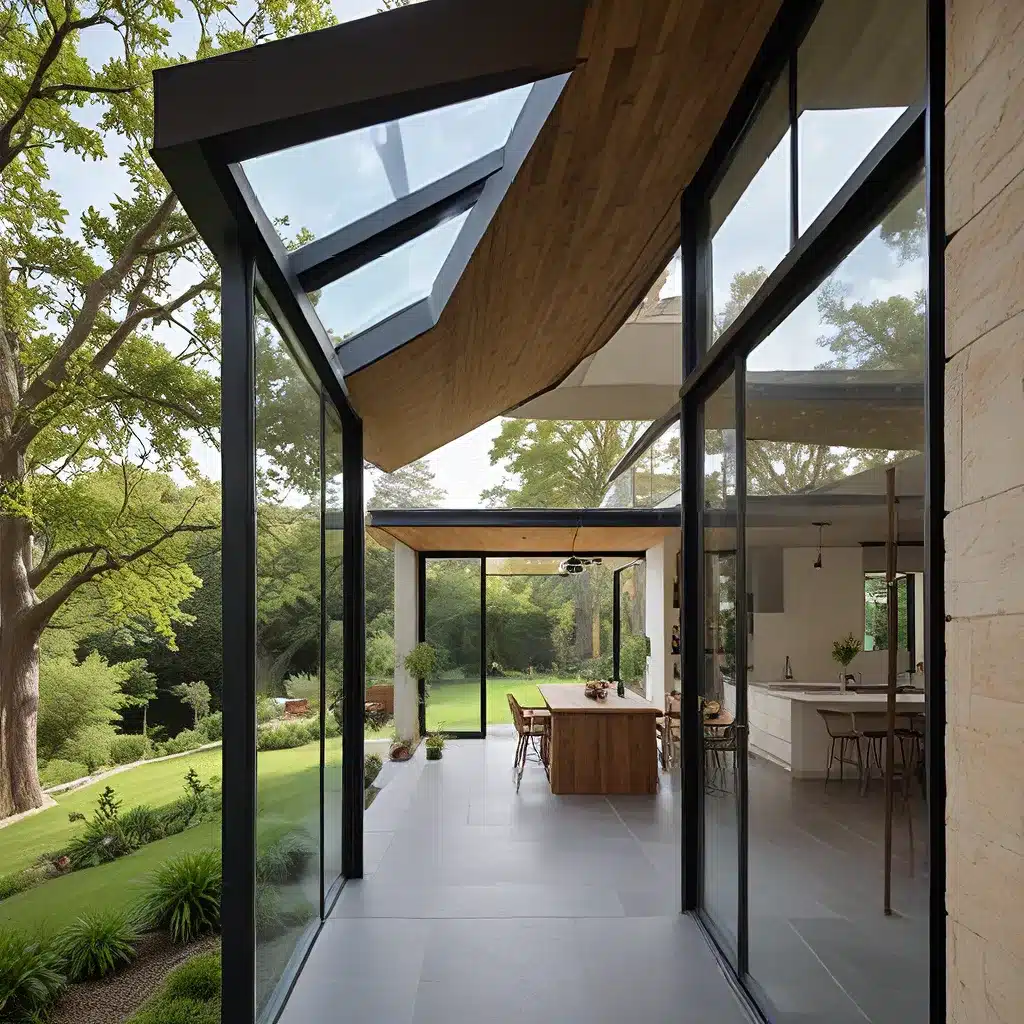
Preserving the Past, Embracing the Future
As a homeowner, I’ve always been captivated by the delicate balance between modern comforts and historic integrity. The prospect of preserving the charm and character of a historic property while incorporating the conveniences of contemporary living is a challenge that has long piqued my interest. After all, our homes are not just a collection of walls and roofs – they are the physical embodiment of our history, culture, and traditions.
I recently embarked on an exciting journey to renovate and extend my own 1920s-era home in Aberdeen, UK. As I delved into the project, I quickly realized that striking the perfect equilibrium between past and present was no easy feat. It required a deep appreciation for the property’s architectural heritage, a keen eye for detail, and a willingness to think outside the box.
Uncovering the Essence of Historic Integrity
Before I could even begin to contemplate the design of my home extension, I knew I had to understand the true essence of historic integrity. What were the key elements that defined the character and significance of my property? After all, it wasn’t just about preserving the old for the sake of nostalgia – it was about respecting the story, the heritage, and the unique identity that my home embodied.
Through my research, I learned that historic integrity encompasses far more than mere aesthetics. It’s about maintaining the physical characteristics that make a property historically or architecturally significant, from the original building materials and design to the layout and unique features. It’s about preserving a tangible connection to the past, acting as a physical narrative of our collective histories and cultures.
As I delved deeper, I realized that the preservation of historic integrity is crucial for several reasons. It helps maintain a sense of continuity and connection to our past, offering a source of inspiration for contemporary design. It also adds character and aesthetic appeal to our surroundings, blending old-world charm with modern sophistication. Moreover, it contributes to sustainable development by promoting the reuse and recycling of existing building materials, reducing the environmental impact of new construction.
Embracing the Comforts of Modern Living
While the preservation of historic integrity was paramount, I couldn’t ignore the demands of modern living. After all, our homes are not just a reflection of the past; they are also a platform for our contemporary needs and aspirations. The evolution of modern comforts has been nothing short of remarkable, transforming the way we live, work, and interact with our surroundings.
From the invention of electricity and indoor plumbing to the rise of smart home technologies, the pursuit of comfort and convenience has been a driving force in shaping our domestic lives. The advent of high-speed internet, touchscreen interfaces, and voice-activated systems have become integral parts of our daily routines, seamlessly integrating with our living spaces.
As I contemplated the design of my home extension, I couldn’t help but wonder how I could harness these modern comforts without compromising the historic integrity of my property. It was a delicate balancing act, one that required strategic planning and a thoughtful approach.
Striking the Balance: Practical Strategies
Integrating modern comforts into a historic property is no easy task, but it’s not an impossible feat. Throughout my renovation journey, I discovered a range of strategies that helped me strike the perfect balance between the old and the new.
One approach involved integrating modern amenities discreetly, ensuring that they didn’t interfere with the historic character of the building. This could mean concealing HVAC systems, electrical wiring, or smart home controls behind carefully designed architectural features, or using materials and finishes that complement the existing aesthetic.
Another strategy I explored was using technology to enhance the user experience rather than replace or overshadow the historical elements. For instance, I incorporated interactive exhibits and augmented reality experiences that brought the history of my home to life, without compromising the physical integrity of the structure.
I was also inspired by the successful examples of projects like the High Line in New York City and the Louvre Museum in Paris. These remarkable undertakings demonstrated that it is indeed possible to create modern, comfortable spaces while respecting and preserving historic integrity.
Collaboration and Regulation: The Key to Equilibrium
As I navigated the complexities of my home extension project, I quickly realized that the balance between modern comforts and historic integrity was not something I could achieve alone. It required the expertise and collaboration of various stakeholders, from regulators and conservationists to modern developers.
The role of regulatory bodies, such as the National Trust for Historic Preservation in the United States and English Heritage in the UK, cannot be overstated. These organizations have stringent guidelines that govern the alteration of historic sites, ensuring that any modifications are sympathetic to the original architecture and do not detract from the historical significance.
Conservationists, with their deep understanding of historical values, played a vital role in guiding me on how to preserve the key elements of my property. Simultaneously, modern developers brought innovative strategies to integrate contemporary amenities discreetly, without disturbing the historical context. This effective collaboration was a testament to how the art of balancing modern comforts and historic integrity can be achieved with mutual respect and understanding between the past and the future.
The Future of Balancing Old and New
As I look to the future, I’m excited by the emerging trends that promise to further the delicate balance between modern comforts and historic integrity. The growing popularity of adaptive reuse, for instance, offers a sustainable alternative to demolition, breathing new life into historic structures and marrying past and present in a seamless blend of style and function.
I also anticipate a shift in architectural practices, with more emphasis placed on retaining historical features and incorporating them into innovative designs. This could lead to a surge in mixed-use developments that encapsulate history, culture, and modern living, catering to the demands of contemporary life while respecting our rich architectural heritage.
Of course, the path to this harmonious balance is not without its challenges. Retrofitting older structures with modern amenities, for example, requires sensitive handling to avoid damaging original features. Additionally, meeting stringent energy efficiency and safety standards can be difficult without compromising the architectural integrity of historic buildings.
But I’m confident that with the continued development of advanced technologies and innovative design solutions, these hurdles can be overcome. Augmented reality, for instance, could be used to visualize proposed changes without causing physical harm to the structures, while advanced insulation materials can improve energy efficiency without altering the building’s appearance.
Embracing the Art of Balance
As I reflect on my journey to blend old and new in my home extension, I’m struck by the profound significance of this delicate balance. It’s not just about creating a visually appealing space; it’s about honoring our past, respecting our present, and shaping our future.
By preserving the historic integrity of our built environment, we maintain a tangible connection to our collective heritage, a physical narrative that grounds us and gives our modern lives context and meaning. And by thoughtfully integrating the comforts and conveniences of contemporary living, we ensure that our homes remain relevant, practical, and responsive to the needs of the 21st century.
This art of balance is an ongoing pursuit, one that requires creativity, innovation, and a deep reverence for the past. But I believe it’s a challenge worth embracing, for in doing so, we create spaces that are not just beautiful, but truly enriching – spaces that celebrate the rich tapestry of our history while anticipating the promise of our future.
So, if you’re embarking on your own home extension or renovation journey, I encourage you to embrace this delicate balance. Reach out to the team at ABC Home – they’ll guide you through the process, ensuring that your project honors the past while embracing the comforts of modern living. After all, our homes are not just a place to live; they are a reflection of who we are, a testament to the enduring power of the human spirit.


