
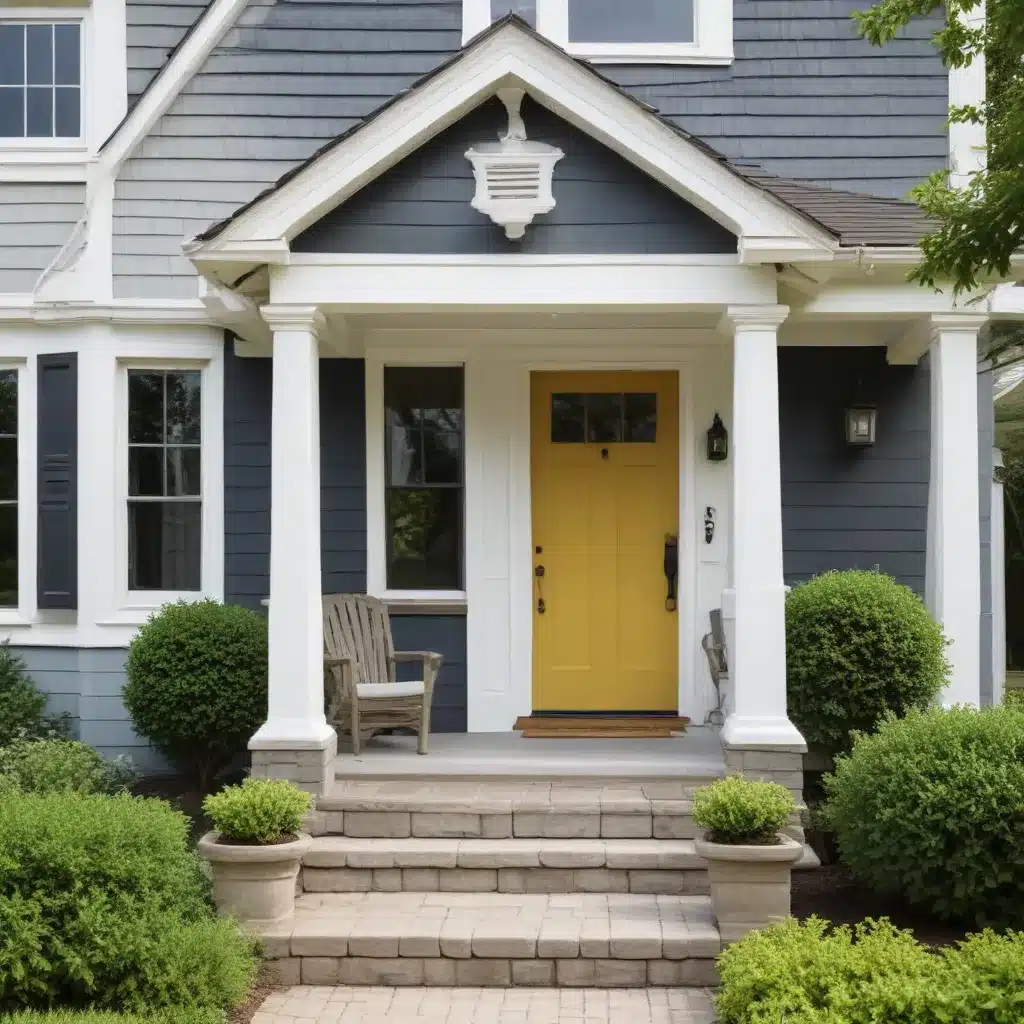
Revitalizing Exterior Appearance: The Impact of a Fresh Coat
Enhancing the exterior of your home can significantly impact its overall appeal and perceived value. In the UK, a fresh coat of paint is one of the most cost-effective and transformative ways to boost your property’s curb appeal. Whether you’re preparing to list your home on the market or simply seeking to refresh its appearance, understanding the nuances of UK building practices and regulations is crucial to ensure a successful and compliant painting project.
Compliance with UK Building Regulations
The UK’s building regulations set the standards for the construction, alteration, and maintenance of buildings, including exterior finishes like paint. Before undertaking any painting work, it’s essential to familiarize yourself with the relevant regulations to ensure your project aligns with the legal requirements. The Building Regulations 2010 and their associated approved documents provide the necessary guidance on the appropriate materials, application methods, and safety considerations.
One crucial aspect to consider is the type of paint you select. In the UK, the use of lead-based paints has been heavily restricted since the 1970s due to the health risks they pose, particularly for children. Homeowners must ensure that any existing lead-based paint is properly identified and safely removed or encapsulated by a certified professional before applying new coatings. The Control of Lead at Work Regulations 2002 outlines the necessary precautions and procedures to follow when dealing with lead-based paint.
Additionally, the Construction (Design and Management) Regulations 2015 stipulate that any significant painting or decorating work, such as the complete repainting of a building’s exterior, should be carried out by a competent contractor. This regulation aims to ensure the safety of workers and occupants throughout the construction and maintenance process.
Budgeting and Cost Management
When it comes to budgeting for an exterior painting project, the costs can vary significantly depending on the size of your property, the condition of the existing paintwork, and the type of paint you choose. According to the Royal Institution of Chartered Surveyors (RICS), the average cost for a complete exterior repaint of a standard three-bedroom house in the UK ranges from £2,500 to £5,000, including the cost of materials and labor.
It’s important to note that these figures are just estimates, and the actual costs may fluctuate based on your location, the complexity of the project, and the rates charged by local painting contractors. To obtain a more accurate cost assessment, it’s advisable to obtain multiple quotes from reputable painting companies in your area.
When budgeting for your project, don’t forget to factor in the cost of any necessary surface preparation, such as repairs to damaged areas or the removal of any lead-based paint. Additionally, consider the ongoing maintenance requirements of the new paint job, as regular touch-ups or a complete repaint may be necessary every 5 to 10 years, depending on the quality of the materials and the exposure to the elements.
By carefully planning your budget and seeking guidance from experienced professionals, you can ensure that your exterior painting project is not only visually appealing but also cost-effective and compliant with UK building regulations.
Sustainable Building Practices
As the UK continues to prioritize environmental sustainability, the construction and home improvement industry has also adapted to align with these goals. When it comes to exterior painting, the selection of eco-friendly and energy-efficient materials is gaining importance.
One such consideration is the use of low-VOC (Volatile Organic Compound) paints. These paints contain significantly lower levels of harmful chemicals, reducing the environmental impact and improving indoor air quality for both the occupants and the painters during the application process. The Paints Directive 2004/42/EC sets the standards for VOC content in paints and varnishes sold in the UK, encouraging the use of more sustainable formulations.
Another sustainable approach is the incorporation of thermally-reflective coatings. These specialized paints are designed to reflect a portion of the sun’s rays, reducing the amount of heat absorbed by the building’s exterior. This can lead to decreased energy consumption for cooling, potentially lowering your utility bills and contributing to a more energy-efficient home.
When selecting your painting contractor, inquire about their commitment to sustainable practices, such as the proper disposal of waste materials, the use of eco-friendly equipment, and the implementation of energy-efficient work processes. By embracing these sustainable building practices, you can not only enhance the visual appeal of your home but also contribute to a more environmentally responsible future.
Maximizing Curb Appeal: A Step-by-Step Guide
Now that you have a solid understanding of the regulatory and cost considerations, let’s explore the practical steps to transform your home’s exterior with a fresh coat of paint.
1. Assess the Existing Condition
Carefully inspect the exterior of your home, identifying any areas in need of repair or preparation. Look for peeling, flaking, or cracked paint, as well as any signs of surface damage or weathering. This assessment will help you determine the extent of the work required and the appropriate preparation methods.
2. Select the Right Paint
Choose a high-quality exterior paint that is specifically formulated for the UK climate. Consider factors such as durability, weather resistance, and ease of application. Opt for low-VOC or water-based paints to minimize the environmental impact and ensure better air quality during the painting process.
3. Prepare the Surface
Proper surface preparation is crucial for achieving a long-lasting, professional-looking finish. This may involve washing the surface to remove dirt and debris, sanding down any rough or uneven areas, and addressing any necessary repairs or priming. Ensure you follow the manufacturer’s instructions and adhere to any relevant building regulations.
4. Apply the Paint
Begin by painting the edges and corners using a high-quality brush, then use a roller to cover the larger areas. Apply the paint in thin, even coats, allowing adequate drying time between each application. Pay close attention to the coverage and uniformity of the paint to ensure a consistent and visually appealing result.
5. Protect and Maintain
Once the paint has fully cured, consider applying a clear sealant or topcoat to provide an extra layer of protection against the elements. Regularly inspect your home’s exterior and address any minor touch-ups or repairs to maintain the fresh, rejuvenated appearance.
By following these steps and staying informed about UK building practices and regulations, you can confidently transform the exterior of your home with a vibrant, long-lasting coat of paint, significantly enhancing its curb appeal and overall value.
Conclusion
Revitalizing the exterior of your home with a fresh coat of paint is a smart and cost-effective way to boost its curb appeal in the UK. By understanding the relevant building regulations, budgeting appropriately, and embracing sustainable practices, you can ensure a successful and compliant painting project that not only enhances the visual appeal of your property but also contributes to a more energy-efficient and environmentally responsible future.
Remember, the ABC Home website (https://abc-home.co.uk/) is an excellent resource for homeowners and professionals alike, providing valuable information and guidance on various home improvement and construction-related topics. Explore the site to discover more tips, insights, and industry-specific knowledge to support your exterior painting endeavors and other home enhancement projects.


