
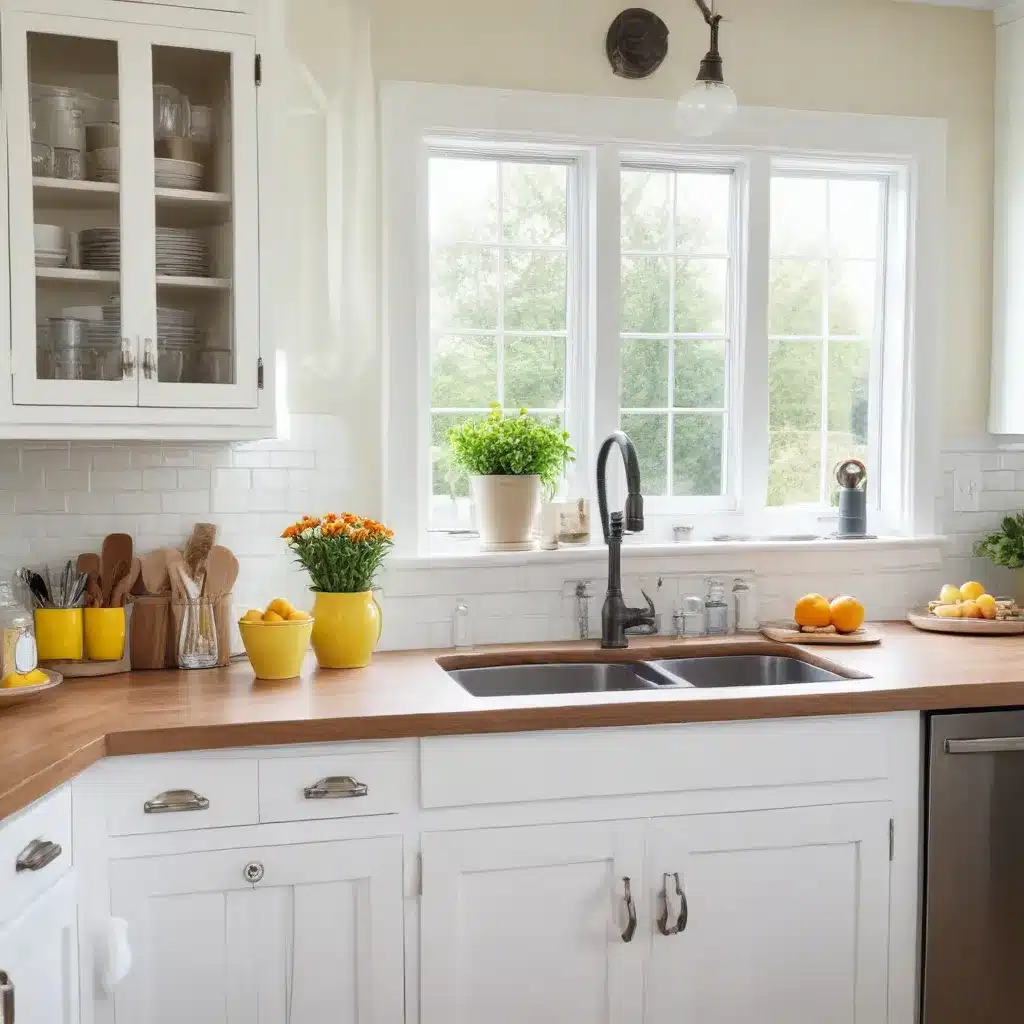
Navigating UK Building Regulations and Maximizing Cost-Effective Upgrades
As the heart of the home, the kitchen plays a pivotal role in our daily lives, and it’s no surprise that homeowners in the UK are often keen to breathe new life into this essential space. However, embarking on a kitchen renovation project can be a complex undertaking, with a myriad of considerations ranging from regulatory compliance to cost management and sustainable practices.
In this comprehensive guide, we’ll delve into the intricacies of kitchen renovations in the UK, providing you with the essential knowledge and practical strategies to ensure your project not only meets the necessary building standards but also aligns with your budget and environmental goals.
Understanding UK Building Regulations for Kitchen Renovations
When it comes to kitchen renovations in the UK, compliance with the latest building regulations is a crucial aspect that cannot be overlooked. These regulations, enforced by local authorities, are designed to safeguard the health, safety, and well-being of homeowners and occupants.
One of the key regulations homeowners must be aware of is the Building Regulations 2010, which cover a wide range of areas, including electrical work, gas installations, ventilation, and fire safety. For example, any electrical work undertaken as part of a kitchen renovation must be carried out by a qualified electrician and must comply with the current wiring regulations, known as the BS 7671 requirements.
Additionally, the Gas Safety (Installation and Use) Regulations 1998 stipulate that any gas-related work, such as the installation or maintenance of gas appliances, must be performed by a Gas Safe registered engineer. Failure to adhere to these regulations can not only jeopardize the safety of your home but also lead to legal consequences and potential fines.
To ensure compliance, it’s recommended that homeowners consult with a qualified building professional or local authority before commencing their kitchen renovation project. They can provide guidance on the necessary permits, inspections, and best practices to ensure your project meets the required standards.
Embracing Sustainable Building Practices for Kitchen Renovations
As the global focus on sustainability continues to grow, homeowners in the UK are increasingly seeking ways to incorporate eco-friendly elements into their kitchen renovations. This not only helps reduce the environmental impact but can also lead to long-term cost savings and improved energy efficiency.
One of the key aspects of sustainable kitchen renovations is the selection of building materials. Opting for materials that are locally sourced, recyclable, or made from renewable resources can significantly contribute to the overall sustainability of the project. For example, incorporating reclaimed wood or certified sustainable timber for cabinetry can reduce the carbon footprint of the renovation.
Additionally, homeowners should consider the energy efficiency of appliances and lighting fixtures. Investing in Energy Star-rated or A-rated appliances can significantly reduce energy consumption and lower utility bills in the long run. Furthermore, the implementation of LED lighting or energy-efficient bulbs can also enhance the overall sustainability of the kitchen renovation.
When it comes to waste management, kitchen renovations present an opportunity to minimize the environmental impact by properly disposing of or recycling construction materials. Engaging with local waste management services or seeking out specialized recycling facilities can help ensure that the waste generated during the renovation process is handled responsibly.
Budgeting and Cost Management Strategies for Kitchen Renovations
One of the primary concerns for homeowners embarking on a kitchen renovation project in the UK is the associated costs. It’s essential to have a clear understanding of the various expenses involved and to develop a comprehensive budget to ensure the project remains within your financial means.
The cost of a kitchen renovation can vary greatly depending on a range of factors, such as the size of the kitchen, the complexity of the project, the quality of materials, and the inclusion of any structural changes or additions. According to the latest industry data, the average cost of a kitchen renovation in the UK ranges from £5,000 to £20,000, with higher-end projects potentially costing even more.
To help manage the costs effectively, homeowners should consider the following strategies:
Prioritize and Compromise
Establish a clear set of priorities for your kitchen renovation, identifying the must-have features and the areas where you’re willing to compromise. This approach can help you allocate your budget more efficiently and ensure that the essential elements of the renovation are addressed.
Explore Cost-Effective Alternatives
Investigate alternative materials, appliances, and fixtures that offer similar functionality and aesthetic appeal at a more affordable price point. This can include exploring second-hand or reconditioned items, as well as opting for mid-range or budget-friendly options without compromising quality.
Seek Out Skilled Tradespeople
Engage with reputable and skilled tradespeople, such as local contractors or builders, who can provide competitive pricing and quality workmanship. Obtaining multiple quotes and comparing them can help you identify the most cost-effective solution for your project.
Consider DIY Opportunities
Depending on your skill level and comfort, you may be able to undertake certain aspects of the renovation process yourself, such as painting, tiling, or minor carpentry work. This can help reduce labor costs and allow you to allocate more of your budget towards higher-value components of the project.
Leverage Government Incentives
Keep an eye out for any government-sponsored initiatives or tax incentives that may be available for energy-efficient home improvements or sustainable building practices. These can provide valuable financial support and help offset the overall costs of your kitchen renovation.
By thoughtfully planning your budget and utilizing cost-saving strategies, you can ensure that your kitchen renovation project in the UK remains within your financial means while still achieving your desired aesthetic and functional goals.
Enhancing Kitchen Functionality and Aesthetics
Beyond the practical considerations of building regulations and cost management, a successful kitchen renovation should also address the functional and aesthetic needs of the homeowner. This involves carefully planning the layout, selecting high-quality materials, and incorporating design elements that complement the overall style of the home.
Optimizing Kitchen Layout and Storage
The layout of a kitchen plays a crucial role in its functionality and efficiency. When planning your renovation, consider the workflow of the space, ensuring that key work zones, such as the cooking area, food preparation zone, and cleaning station, are strategically positioned for ease of movement and accessibility.
Maximizing storage is another essential aspect of kitchen renovations. Incorporating smart storage solutions, such as pull-out shelves, corner cabinets, and specialized organizers, can help optimize the available space and create a more organized and clutter-free environment.
Selecting Durable and Visually Appealing Materials
The choice of materials used in your kitchen renovation can significantly impact the overall aesthetic and long-term durability of the space. Explore a range of options, including high-quality countertops, cabinetry, and flooring materials, that not only meet your design preferences but also offer exceptional wear and tear resistance.
For example, granite or quartz countertops are popular choices in the UK due to their scratch-resistant and stain-resistant properties, making them a practical and visually appealing option for busy kitchens. Similarly, hardwood or engineered wood flooring can provide a timeless and elegant look while also being durable and easy to maintain.
Incorporating Harmonious Design Elements
To create a cohesive and visually appealing kitchen, it’s important to consider how the various design elements work together. This may involve selecting a color palette, coordinating hardware and fixtures, and ensuring a seamless flow between the kitchen and the rest of the home’s interior design.
By striking a balance between functionality, durability, and aesthetics, you can transform your kitchen into a space that not only meets your practical needs but also serves as a reflection of your personal style and preferences.
Embracing the Future: Smart Home Integration and Energy-Efficient Technologies
As technology continues to evolve, homeowners in the UK are increasingly embracing the integration of smart home features and energy-efficient technologies into their kitchen renovations. These advancements can not only enhance the overall functionality and convenience of the space but also contribute to long-term cost savings and sustainability.
Incorporating Smart Home Features
Smart home technologies, such as voice-controlled assistants, automated lighting, and wireless appliance controls, can transform the way you interact with your kitchen. These features can simplify daily tasks, increase energy efficiency, and provide a greater level of convenience and control for the homeowner.
For instance, integrating a smart oven that can be remotely controlled or pre-programmed to start cooking at a specific time can streamline meal preparation and reduce energy consumption. Similarly, smart lighting systems that automatically adjust based on natural daylight can contribute to a more energy-efficient kitchen.
Leveraging Energy-Efficient Appliances and Fixtures
When selecting appliances and fixtures for your kitchen renovation, it’s essential to prioritize energy efficiency to reduce your carbon footprint and lower ongoing utility costs. Look for appliances that carry the Energy Star certification, indicating they meet strict energy-efficiency guidelines, and consider features such as induction cooktops, energy-efficient refrigerators, and water-saving faucets.
Additionally, incorporating energy-efficient lighting solutions, such as LED bulbs or fixtures, can further enhance the sustainability of your kitchen renovation. These lighting options not only consume less energy but also have a longer lifespan, reducing the need for frequent replacements.
By embracing the integration of smart home technologies and energy-efficient solutions, you can transform your kitchen into a modern, efficient, and environmentally-conscious space that aligns with the evolving demands of the UK housing market.
Conclusion
Kitchen renovations in the UK present a unique opportunity for homeowners to create a functional, aesthetically pleasing, and sustainable living space. By navigating the complexities of building regulations, prioritizing cost-effective strategies, and incorporating the latest advancements in smart home and energy-efficient technologies, you can unlock the full potential of your kitchen renovation project.
Remember, the team at https://abc-home.co.uk/ is here to guide you through every step of the process, ensuring your kitchen renovation project in the UK is a resounding success. Reach out to our experts to explore how we can help you achieve your vision while navigating the ever-evolving landscape of kitchen design and construction in the UK.


