
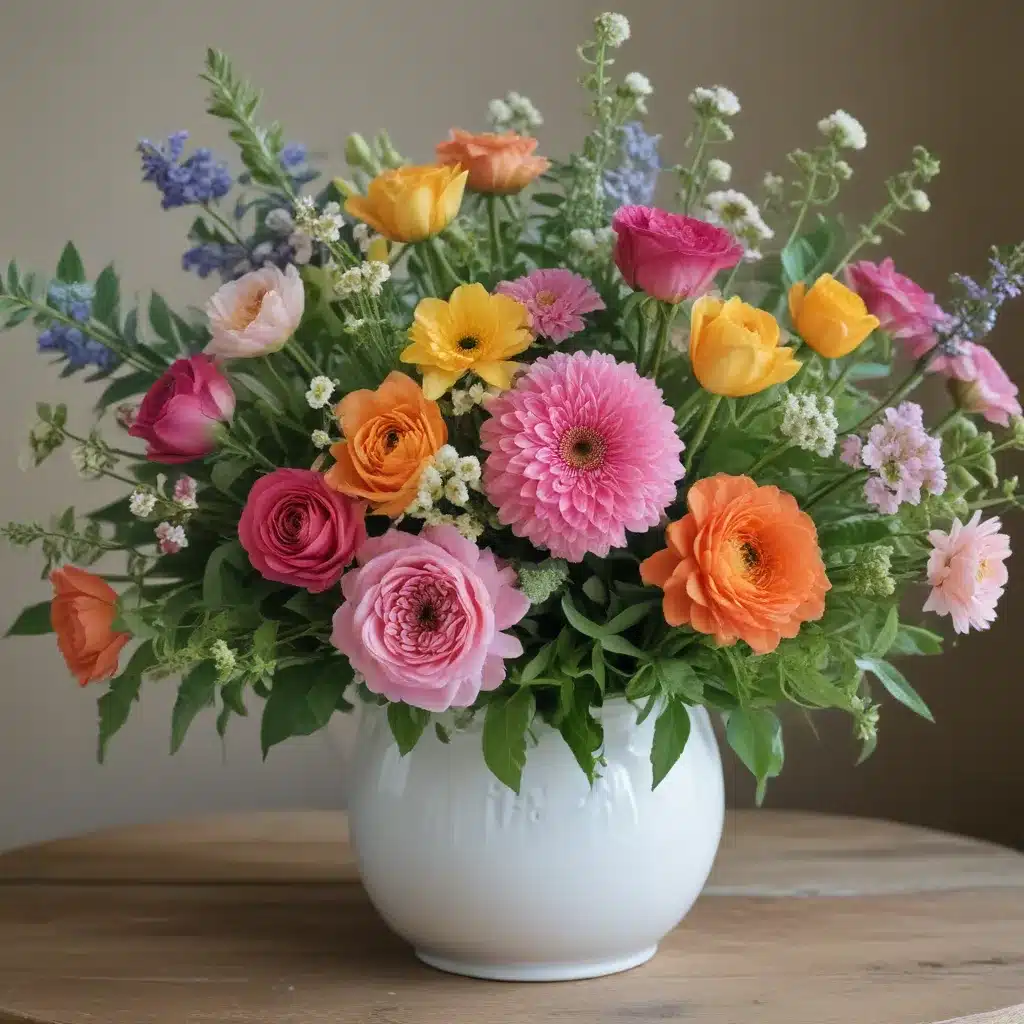
The Magic of Flowers
Flowers have the power to bring joy to recipients, evoke memories from a single familiar smell, and foster a greater appreciation for nature. I LOVE flowers and I’m guessing that you enjoy them too, especially if you’re contemplating growing a cut flower garden. Being able to enjoy fresh cut flowers directly from the garden is a lovely way to bring a little color inside your home. Tending these plants from the smallest of seeds into colorful beauties brings a wonderful sense of accomplishment and joy. In addition, a home-grown floral bouquet is a wonderful gift to be able to share with others.
From Seed to Bloom
Although I’ve always enjoyed clipping fresh lilacs, hydrangeas and tulips from my landscape, three years ago I began growing annual flowers with my four children specifically for cutting to create bouquets. What prompted this action was a desire for my family to spend more time outdoors while participating in the 1000 Hours Outside Challenge. While working at my family’s nursery, I grew up with a basic plant knowledge. I also gleaned information from online, from friends, family and through trial and error over the years and I am excited to help you along the way.
No matter your previous gardening experience, I’m sharing some great plants to start off incorporating into your yard. Even if you’re a novice or lack a green thumb, these hardy plants will do well. Read on for some inspiration, instructions and the best tips for creating your very own cut flower garden.
Choosing the Right Flowers
For reference, I live in Southwest Michigan in zone 6. All the pictures of flowers and bouquets shared are from my own garden, flower beds and landscape. Cut flower gardens are grown specifically for cutting and creating bouquets or arrangements. The flowers are selected based on their bloom time, size and color. Ideally they have long stems and maintain a long shelf life in a vase.
They are generally a mix of annuals, perennials, flowering bushes, and filler plants. Purposefully choosing a wide variety of flowers with differing bloom times will allow you to enjoy bouquets throughout the growing season, including spring, summer and fall. If you don’t have a ton of space, try integrating your plants and flowers into your landscape, vegetable garden or along a fence.
Growing with the Kids
Children adore growing plants from seeds. Even as an adult, I love the excitement and magic of witnessing the first green shoots breaking through the soil. Involving your children from the very first planted seed to harvesting and arranging flowers in a vase gives them a sense of pride, plus there are tons of other benefits they reap.
Gain numerous health benefits while being outside in nature. If you grow a vegetable garden, flowers attract bees which helps spread pollen and fertilize your vegetables, thus increasing your harvest. Saves you money if you often buy bouquets for your home. Growing flowers teaches children patience and delayed gratification, which is crucial in an age where everything is instant. Fosters responsibility in children by requiring planting, weeding, watering and harvesting. Provides an opportunity to bless others.
Preparing the Garden
Always start with a good base. Choose a sunny location and rich soil with nutrients. Adding organic matter including compost, leaf litter, and composted manure will add nutrients to the soil and assist with proper water retention and drainage. We utilize an outdoor tumbler compost bin and an indoor odorless compost bin for our kitchen scraps, which has made composting simple and easy. If you don’t have those resources, choose a good quality potting soil to mix into your garden area.
Some flowers benefit from pinching. Pinching is essentially cutting off part of the plant when it is young. Snip off directly above the 2nd or 3rd leaf, which promotes the plant to produce more stems and in turn rewards you with a stronger plant and produces more blooms. (Zinnias, Cosmos, Snapdragons, and Sweet Peas all benefit from pinching) Ideally water early in the morning at the base to avoid fungal diseases. Some flowers may need support, such as staking, netting, or corralling.
Building Your Cut Flower Garden
To simplify it’s ideal to have three types of flowers to gather from for creating lovely floral arrangements:
Annuals
Annuals only last one growing season so they need to be planted each year. The perk is that they typically have a much longer blooming period.
Perennials
Perennials typically have a shorter blooming period as compared to annuals, but will return each year.
Fillers
These are plants, flowers and greenery that can be used to make a bouquet full. It can include ornamental grasses, raspberry leaves, hostas, foliage from bushes or bunches of smaller flowers.
| Annuals | Perennials | Fillers |
|---|---|---|
| Zinnias, Sunflowers, Cosmos, Sweet Peas | Coneflowers, Hydrangeas, Peonies, Yarrow, Autumn Joy Sedum, Lavender | Ornamental grasses, Raspberry leaves, Hostas, Foliage from bushes, Small flowers |
Favorite Flowers for Beginners
Zinnias are my top pick for children and beginners. They have long sturdy stems and an extended vase life. Sunflowers are also easy to grow, especially in the hot heat of the summer and require minimal attention to thrive. Plus, there are tons of different varieties from bright yellow, fridge burgundy, and large doubles.
Cosmos have airy fernlike leaves and summery shades of pink and white flowers. They are great for beginners and the more you cut, the more they produce lovely blooms. Sweet Peas add a light, whimsical addition to any vase with their delicious scent. Although Dahlias require some additional work, they are simply gorgeous and make a wonderful focal piece of any bouquet.
Investing in Perennials
Investing in perennials is a wonderful addition to your yard, and you will reap the bountiful harvest years to come. Although the initial cost up front is more than annual seeds, these beauties will continue to produce exquisite blooms year after year making them an investment. To cut down on the cost, start adding a few new plants each year from a local nursery.
Many perennials like iris, hostas, and lilies do best when they are divided after several years so they don’t become overcrowded. Another option is to swap plants with neighbors or friends. As your confidence grows, you can experiment with new plants and learn their specific nuances and requirements.
Favorite Perennials
Coneflowers add tons of texture and interest to bouquets with their strong sturdy stems and unique cone-shaped centers. Hydrangeas produce lovely full blooms and the stunning blushing bride hydrangea shifts from white, to pink and then fades to a dark rusty, pink color. Peony bushes with their enormous blooms make the loveliest bouquets. Yarrow’s cluster-like flowers come in lots of different colors and makes a great filler. Autumn Joy Sedum’s late-season, rosy blooms pair beautifully with sunflowers. And the long purple blooms of lavender add a relaxing scent and height to any bouquet.
Harvest and Arrangement
Ideally, gather flowers in the early morning or later evening when temperatures are cooler. Avoid the hot heat of the day. Collect your flowers in a bucket or vase full of cool water so they can immediately start absorbing liquid. Use a sharp, clean pair of gardening shears or scissors and cut the stems at an angle, keeping a long length of stem. Select flowers that have just begun to open for a longer vase life.
Don’t be afraid to experiment by adding different plants around your yard to create one-of-a-kind bouquets. Strip all the leaves off the lower part of the stem that will be submerged in water, sprinkle Cut Flower Food into the vase of water, and change the water daily or when it becomes murky.
Sharing the Bounty
Fresh cut flowers are a quintessential addition to brighten any space. By starting your very own cut flower garden, you can enjoy them all summer long. Who knows, maybe you’ll even start a flower stand! My 4 children have helped me set up a simple roadside stand to share our flowers and extra veggies with the community. We leave out a tip jar for donations and my children enjoy earning money from their hard work.
I’m thrilled you stopped by ABC Home today! Make sure to save this article for later. So I’m curious, do you have a cut flower garden at your home or do you simply cut flowers from your landscape? Please leave a comment and share with me what is your personal favorite flower!


