
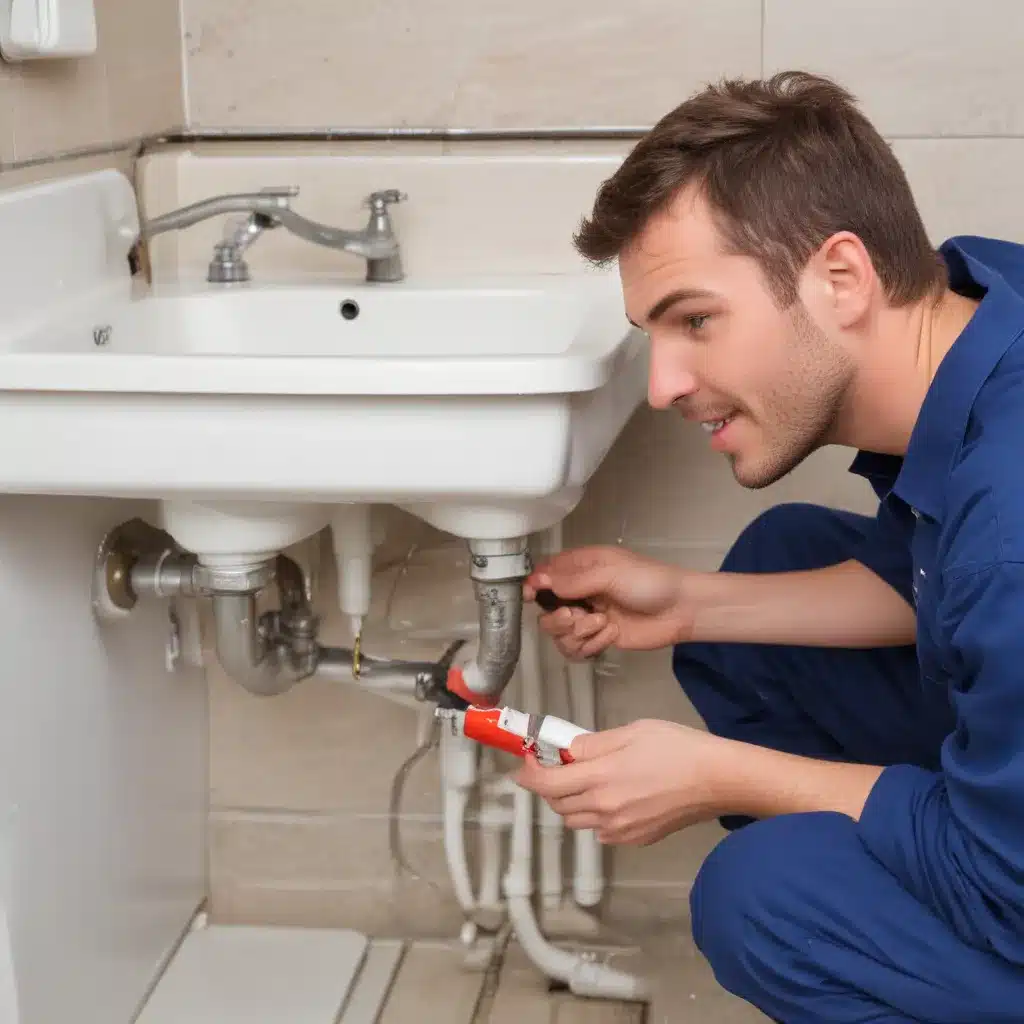
Plumbing: The Unexpected Frontier of DIY
Ah, the allure of the DIY project! The thrill of tackling a task with your own two hands, the satisfaction of a job well done, and the money saved – what’s not to love? But when it comes to plumbing, the waters get a bit murkier. Can the average homeowner really take on those pipes and valves, or is that a job best left to the professionals?
Well, my friends, I’m here to spill the beans (or should I say, the water?) on the world of DIY plumbing. As someone who’s been knee-deep in plumbing nightmares (and triumphs!), I’ve learned a thing or two about what you can and can’t do yourself. So, grab a wrench and get ready to dive in – this is going to be a wild ride!
Knowing Your Limits: Assessing Plumbing Projects
Let’s start with a hard truth: not all plumbing tasks are created equal. While changing a showerhead or unclogging a drain might be well within the scope of your DIY prowess, tackling a major renovation or dealing with a burst pipe is a whole different ballgame.
The key is to be honest with yourself about your skills and experience. I remember when I first bought my home, I was convinced I could handle any plumbing issue that came my way. Boy, was I in for a rude awakening! The first time I tried to replace a leaky faucet, I ended up flooding my entire bathroom. Not a pretty sight, let me tell you.
But hey, I learned from that experience – and so can you. The secret is to take a good, hard look at the task at hand and ask yourself: “Do I have the tools, the knowledge, and the confidence to tackle this?” If the answer is anything less than a resounding “yes,” it might be time to call in the pros.
Navigating the Plumbing Permit Maze
Now, let’s talk about the legal side of things. Depending on where you live, there may be specific rules and regulations when it comes to DIY plumbing work. And trust me, you do not want to find yourself on the wrong side of the law.
In many areas, you’re required to obtain a permit before undertaking any major plumbing projects. I know, I know – it’s a pain in the neck. But these permits are there for a reason, folks. They ensure that the work is done safely and up to code, protecting both you and your home.
So, before you even think about picking up a wrench, do your research. Check with your local authorities to find out what the rules are in your area. And if a permit is required, don’t even think about skipping it. Trust me, the fines and headaches just aren’t worth it.
Gathering the Right Tools and Supplies
Alright, let’s say you’ve done your due diligence and you’re ready to tackle a DIY plumbing project. The next step? Making sure you’ve got the right tools and supplies on hand.
Now, I know what you’re thinking: “How hard can it be? I’ll just grab a wrench and call it a day.” Well, my friend, that’s where you’d be mistaken. Plumbing work requires a whole arsenal of specialized tools, from basin wrenches to plumber’s putty. And trust me, trying to make do with the wrong tools is a recipe for disaster.
But fear not! With a little bit of research (and maybe a trip to the hardware store), you can assemble the perfect plumbing toolkit. And don’t forget the supplies – from PVC pipes to sealants, you’ll need to make sure you’ve got everything you need to get the job done right.
Mastering the Plumbing Basics
Okay, so you’ve got the tools, you’ve got the permits (if necessary), and you’re ready to dive in. But before you start tinkering with those pipes, it’s crucial to have a solid understanding of the plumbing basics.
I remember when I first started learning about plumbing, it was like trying to decipher a foreign language. All those strange terms – P-traps, supply lines, shut-off valves – it was enough to make my head spin! But the more I learned, the more it all started to make sense.
And you know what? Once you get the hang of it, plumbing really isn’t all that complicated. It’s all about understanding the flow of water, the function of each component, and how everything fits together. With a little bit of study and hands-on practice, you can become a plumbing pro in no time.
Tackling Common Plumbing Problems
Alright, now that you’ve got the basics down, let’s talk about some of the most common plumbing problems you might encounter. From clogged drains to leaky faucets, these are the kinds of issues that homeowners face on a regular basis.
Now, I’m not going to sugarcoat it – some of these problems can be a real pain to deal with. But with the right know-how and a little bit of elbow grease, you can absolutely tackle them yourself. Take that clogged drain, for example. Instead of calling in a plumber and shelling out a small fortune, you can often clear it out with a simple plunger or a trusty snake.
And let’s not forget about those pesky leaks. Whether it’s a dripping faucet or a sneaky pipe, identifying and fixing the source of the problem is a skill that every DIY-er should have in their toolbox. Trust me, it’s a whole lot more satisfying (and cost-effective) to fix it yourself than to call in the cavalry.
Knowing When to Call in the Pros
Now, I know what you’re thinking: “This all sounds great, but what if I mess something up?” And that, my friends, is a valid concern. Because as much as I love a good DIY project, there are some plumbing tasks that are best left to the professionals.
Think about it this way: would you trust yourself to perform open-heart surgery? Probably not. And the same principle applies to certain plumbing jobs. When you’re dealing with complex issues like sewer line repairs or water heater replacements, it’s usually best to call in the experts.
After all, plumbing work can be incredibly dangerous if you don’t know what you’re doing. Improper installation or repairs can lead to devastating water damage, gas leaks, or even serious injuries. And trust me, the cost of fixing those kinds of mistakes is way more than what you’d pay for a professional in the first place.
So, how do you know when to call in the pros? Well, it all comes down to that honest self-assessment we talked about earlier. If you’re not 100% confident in your ability to handle a particular plumbing task, don’t hesitate to reach out to a licensed and experienced plumber. Your home (and your wallet) will thank you.
Mastering the Art of Plumbing Maintenance
Alright, let’s shift gears for a moment and talk about the unsung hero of the plumbing world: maintenance. Because let’s be real, preventing problems is way better than having to fix them.
As the old saying goes, “an ounce of prevention is worth a pound of cure.” And when it comes to plumbing, that couldn’t be more true. Regular maintenance tasks like cleaning out your drains, checking for leaks, and inspecting your water heater can go a long way in keeping your home’s plumbing system in tip-top shape.
But don’t worry, you don’t have to be a plumbing expert to stay on top of this stuff. It’s all about developing a few simple habits, like running the garbage disposal regularly or keeping an eye out for any suspicious water stains. And trust me, the time and effort you put into maintaining your plumbing will pay off tenfold in the long run.
Of course, there may be some maintenance tasks that are best left to the professionals. But with a little know-how and a willingness to get your hands dirty, you can definitely handle a lot of the day-to-day plumbing upkeep on your own. Just remember to always prioritize safety and to never be afraid to call in the experts when you need them.
Conclusion: Empowering Yourself through DIY Plumbing
Well, there you have it, folks – the ins and outs of DIY plumbing, straight from the mouth of someone who’s been there, done that, and occasionally ended up with a soaking wet bathroom to show for it.
The truth is, tackling your own plumbing work can be an incredibly rewarding experience. Not only will you save a ton of money, but you’ll also gain a deeper understanding and appreciation for the systems that keep your home running. And let’s not forget the sheer satisfaction of being able to say, “Hey, I fixed that myself!”
But as I’ve hopefully made clear, plumbing isn’t all fun and games. There are risks involved, both in terms of safety and legality. So, before you grab that wrench and start tinkering, make sure you’ve done your research, assembled the right tools, and have a solid grasp of the basics.
And remember, there’s no shame in calling in the professionals when you need to. In fact, it’s often the wisest choice, especially for complex or potentially dangerous jobs. The key is to know your limits, stay safe, and always put the wellbeing of your home and family first.
So, what are you waiting for? Dive right in and start exploring the world of DIY plumbing! Just be sure to keep those safety goggles on and your sense of humor handy. Trust me, you’re going to need it.


