
Drafty Digs and Stuffy Spaces: A Homeowner’s Guide to Sealing the Leaks
You know that feeling when you’re curled up on the couch, wrapped in a blanket, and still shivering because the winter winds are whistling through your windows? Or when you’ve got the air conditioning cranked but your living room still feels like a sauna? Yep, those are the telltale signs of air leaks in your home, my friend. But don’t worry, I’ve got your back (and your wallet) when it comes to tracking down those pesky drafts and sealing them up for good.
Spot the Sneaky Leaks
The first step in your quest to create an airtight abode is to find the air leaks. Now, you might already know where some of the obvious culprits are – like that drafty window in the living room or the gap under the front door. But there are also plenty of less obvious spots where air can sneak in and out of your home.
According to the experts at the U.S. Department of Energy, you’ll want to inspect all the areas where two different building materials meet, like the corners, edges, and joints. Don’t forget to check around pipes, wires, and even your home’s foundation. Inside, keep an eye out for cracks and gaps around windows, doors, and even electrical outlets.
One of the best ways to get a comprehensive look at your home’s air leaks is to hire a professional energy auditor to conduct a blower door test. This nifty little device depressurizes your home, making it super easy to identify all those sneaky air leaks. But if you’re feeling DIY-inclined, you can also try a basic pressurization test by turning on your exhaust fans and looking for areas where the air is rushing in.
Caulk, Seal, and Weatherstrip – Oh My!
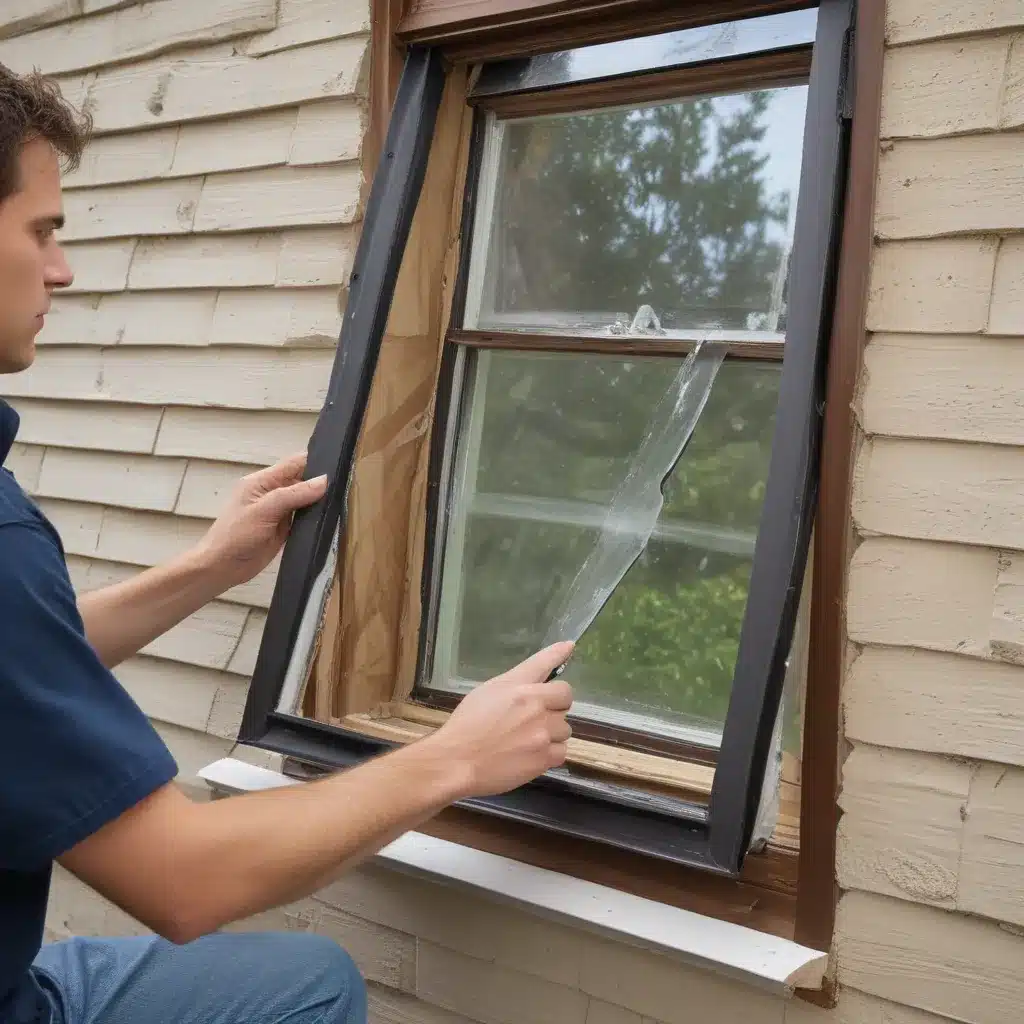
Alright, now that you know where the leaks are hiding, it’s time to seal ’em up. Grab your trusty caulk gun and get to work sealing any cracks and gaps around windows, doors, and other stationary spots. And don’t forget to check the condition of your weatherstripping, too – those little rubber or vinyl strips around moveable parts like doors and windows can wear down over time, allowing precious heat (or cool air) to slip right on through.
If you’re dealing with draftier windows or doors, you might want to consider replacing them with ENERGY STAR certified models. These bad boys are designed to keep the elements out and the cozy in, saving you an average of up to 13% on your heating and cooling costs. Plus, they come in a range of styles to suit your home’s aesthetic.
And let’s not forget about those pesky skylights! Sealing any gaps and cracks around your skylights is just as important as tackling the windows and doors. You can use caulk, weatherstripping, or even specialized skylight sealants to get the job done.
Maximize Your Efficiency
Now that you’ve sealed up all those air leaks, it’s time to take your home’s efficiency to the next level. One of the best ways to do that is by choosing your windows, doors, and skylights strategically based on their orientation and your local climate.
The folks at ENERGY STAR recommend selecting windows with a higher solar heat gain coefficient (SHGC) for your south-facing walls, as they’ll let in more of that toasty winter sun. But for those east- and west-facing walls, you’ll want a lower SHGC to keep the summer heat at bay. And when it comes to those north-facing windows, focus on finding ones with a low U-factor to minimize heat loss.
Don’t forget to consider shading, too. Strategically placed trees, awnings, or even those trusty old curtains can work wonders in keeping your home comfortable year-round.
Breathe Easy, Save Big
So, there you have it – your comprehensive guide to sealing up those pesky drafts and maximizing your home’s efficiency. By taking the time to identify and address air leaks, you’ll not only keep your family toasty and comfortable, but you’ll also be saving big on those energy bills. And who doesn’t love a little extra cash in their pocket?
Now, if you’ll excuse me, I’ve got some caulk and weatherstripping to apply. Happy sealing, my fellow homeowners! And remember, you can always reach out to the team at ABC Home if you need a little extra help along the way.


