
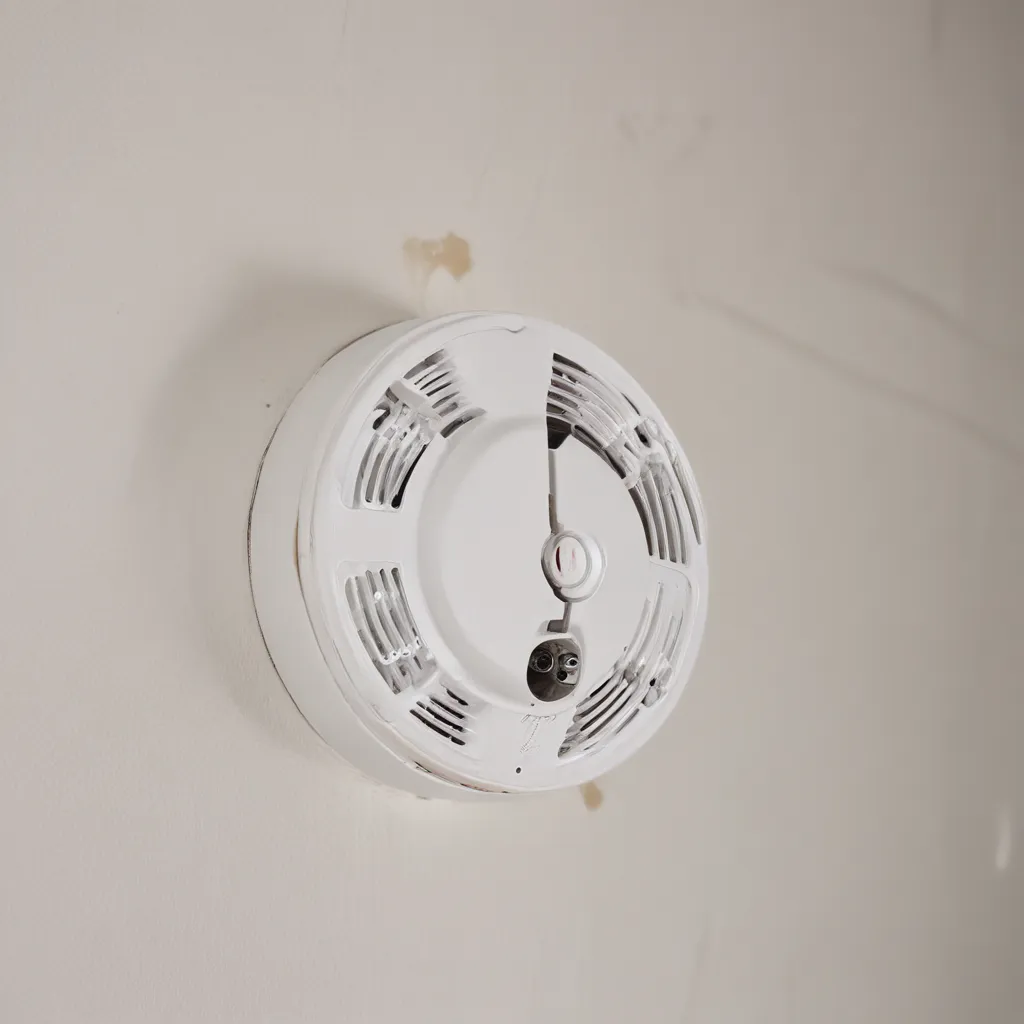
Why Smoke Alarms and CO2 Detectors Matter
“Ahhh, the sweet smell of freshly baked bread wafting through the air – it’s one of life’s simple pleasures, isn’t it? Well, that was until I nearly burned my house down trying to perfect my sourdough recipe. Let me tell you, the firefighters did not appreciate my culinary experiments as much as I did. What a way to learn the hard lesson that smoke alarms are not just a nicety, but a necessity in any home.”
As the owner of ABC Home, a reputable building and renovation company in Aberdeen, UK, I’ve seen my fair share of home disasters. And trust me, smoke alarms and CO2 detectors are not something you want to skimp on. These unsung heroes can quite literally be the difference between a minor kitchen mishap and a raging inferno that leaves you homeless.
So, why are smoke alarms and CO2 detectors so crucial? Well, let me break it down for you.
The Importance of Smoke Alarms
Smoke alarms are the first line of defense against fires in your home. They’re designed to detect even the faintest wisps of smoke, sounding an alarm that can alert you and your family to evacuate to safety. Just think about it – how often have you gotten a bit too enthusiastic with the stir-fry and ended up with a smoke-filled kitchen? Without a smoke alarm, you might not even notice until it’s too late.
But it’s not just kitchen fires you need to worry about. Electrical faults, candles left unattended, faulty wiring – the list of potential fire hazards in the home is endless. And let me tell you, that’s a list you definitely don’t want to be adding your name to. Trust me, I’ve seen the aftermath, and it’s not pretty.
One of the most harrowing cases I’ve encountered was a family who lost everything in a house fire that started from a simple electrical issue. The dad had been working late, and as he was packing up for the night, he noticed a faint wisp of smoke coming from an outlet. Before he could even react, the entire room was engulfed in flames. Tragically, the family’s smoke alarms had been disabled, and they were unaware of the danger until it was too late. It’s a heartbreaking story, and one that drives home just how crucial these little devices can be.
The Importance of CO2 Detectors
But smoke alarms aren’t the only home safety devices you should have on your radar. CO2 detectors are equally important, and for good reason. Carbon monoxide (CO) is an odorless, colorless gas that can be deadly if left undetected.
Imagine this – you’re snuggled up on the couch, enjoying a cozy evening by the fireplace. Little do you know, a faulty appliance or blocked chimney is slowly filling your home with this invisible killer. Without a CO2 detector, you might not even realize there’s a problem until it’s too late. And trust me, the consequences can be devastating.
I’ll never forget the time we got a call from a frantic homeowner who had woken up with a pounding headache and a sick feeling in the pit of their stomach. Turns out, a malfunctioning boiler had been leaking CO2 throughout the night, and the family had been slowly poisoned. Luckily, they had a CO2 detector that alerted them to the danger, and they were able to evacuate and get medical attention in time. But it’s a sobering reminder of just how important these devices can be.
Maintaining Your Smoke Alarms and CO2 Detectors
Okay, so we’ve established that smoke alarms and CO2 detectors are crucial for keeping your home and family safe. But here’s the thing – they’re not just set-it-and-forget-it kind of devices. You need to make sure they’re working properly, and that means regular maintenance.
First and foremost, you should be testing your smoke alarms and CO2 detectors monthly. It’s as easy as pushing the test button and making sure the alarm sounds. If it doesn’t, it’s time to replace the batteries or the entire unit.
And speaking of batteries, don’t wait until they’re completely drained before swapping them out. As a general rule, you should be changing the batteries in your smoke alarms and CO2 detectors twice a year – maybe when you change your clocks for daylight saving time. That way, you can rest assured that those little lifesavers are always ready to spring into action.
But it’s not just the batteries you need to worry about. Over time, smoke alarms and CO2 detectors can become less sensitive or even malfunction altogether. That’s why it’s a good idea to replace the entire unit every 10 years or so, depending on the manufacturer’s recommendations.
Real-Life Examples and Testimonials
Still not convinced? Well, let me share a few real-life examples that’ll really drive home the importance of having a well-maintained smoke alarm and CO2 detector system.
Take the case of the Jones family, for instance. They had been living in their cozy Aberdeen home for years, never giving much thought to their smoke alarms. That is, until one fateful night when a small fire broke out in the kitchen. The smoke alarms sprung into action, blaring loudly and alerting the family to the danger. “If it wasn’t for those alarms, we might not be here today,” Mrs. Jones told me, shuddering at the thought. “They gave us the time we needed to get everyone out safely and call the fire department. It was a close call, but those smoke alarms were our heroes.”
And then there’s the story of the Smiths, a young family who had just moved into their first home. They were diligent about installing CO2 detectors in every room, and it’s a good thing they did. One winter morning, the alarms started going off, and the family quickly realized they were experiencing a dangerous carbon monoxide leak. “We had no idea there was an issue with our heating system,” Mr. Smith recounted. “But those CO2 detectors saved our lives. We were able to get outside and call for help immediately. I shudder to think what would have happened if we didn’t have those alarms.”
Hearing these real-life stories really puts things into perspective, doesn’t it? Smoke alarms and CO2 detectors may seem like a hassle, but trust me, they’re worth their weight in gold. And the peace of mind they provide is priceless.
Choosing the Right Smoke Alarms and CO2 Detectors
Okay, so you’re convinced that smoke alarms and CO2 detectors are essential for your home. But with so many options on the market, how do you choose the right ones?
Well, here’s a quick rundown of the key features to look for:
| Feature | Importance |
|---|---|
| Ionization vs. Photoelectric | Ionization alarms are better at detecting fast-burning fires, while photoelectric alarms excel at detecting smoldering fires. It’s best to have a mix of both for comprehensive protection. |
| Interconnectivity | Look for alarms that can be interconnected, so if one goes off, they all sound the alarm. This ensures you’re alerted no matter where the fire or CO2 leak is in your home. |
| Battery Life | Aim for alarms with 10-year sealed batteries that won’t need to be replaced as often. |
| Smart Home Integration | Some newer smoke alarms and CO2 detectors can integrate with your smart home system, sending alerts to your phone and even triggering other safety measures. |
And of course, when it comes to CO2 detectors, make sure you’re getting units that are certified to the latest safety standards. You want to know that they’ll reliably alert you to any dangerous gas buildup.
Conclusion: Don’t Take Chances with Your Family’s Safety
At the end of the day, smoke alarms and CO2 detectors are a small investment that can have a huge impact on your family’s well-being. They’re the silent guardians, always vigilant and ready to spring into action in an emergency.
Sure, they might not be the most glamorous home improvement project, but trust me, they’re worth every penny. I’ve seen firsthand the devastation that can occur when these lifesaving devices are missing or malfunctioning. And I don’t want that to happen to you or your loved ones.
So, do yourself a favor and take the time to ensure your home is properly equipped. Test those alarms, change those batteries, and replace any outdated units. It’s a small price to pay for the peace of mind of knowing your family is safe and sound.
After all, isn’t that what really matters most?


