
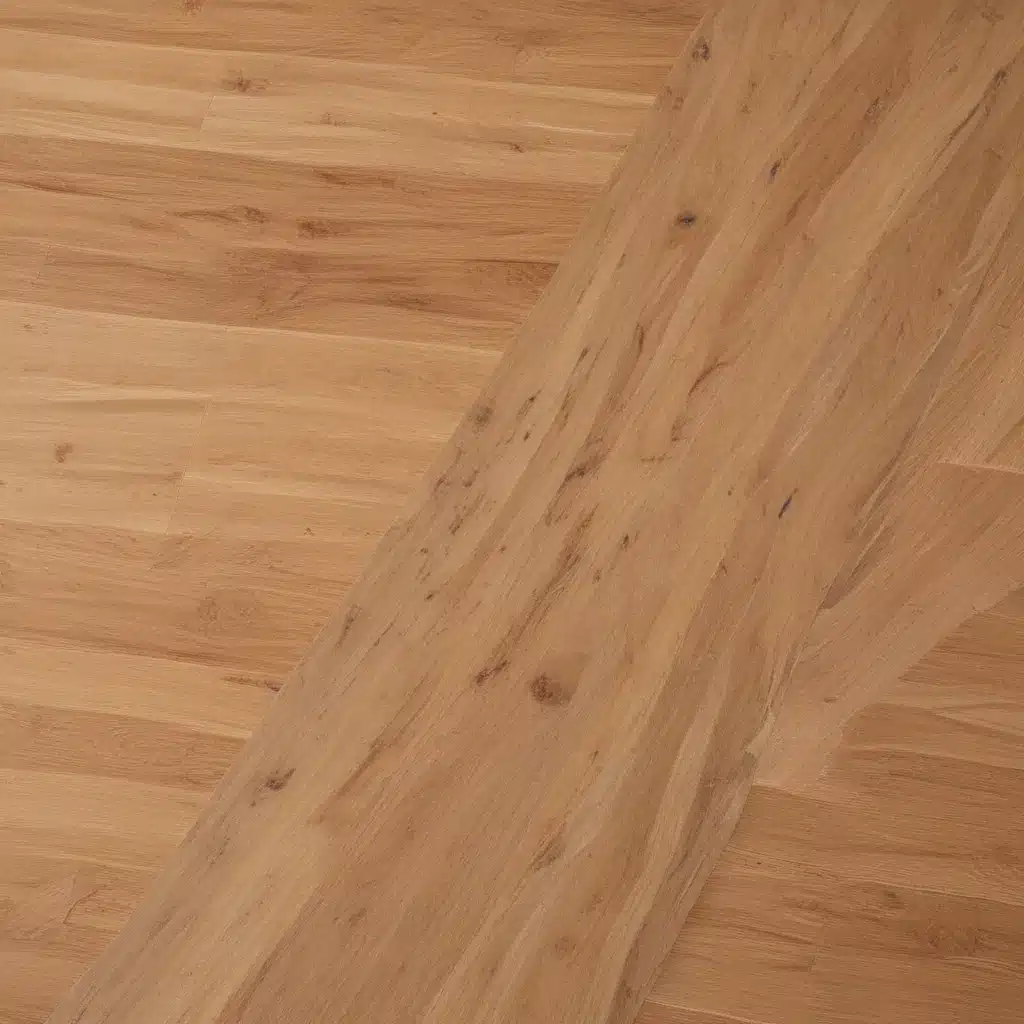
The Eco-Dilemma: Balancing Beauty and Responsibility
As the owner of a home renovation company in Aberdeen, UK, I’ve seen firsthand how the choices we make regarding our living spaces can have a profound impact on the environment. One area that’s particularly crucial yet often overlooked is the flooring we select for our homes and businesses.
Allow me to paint you a picture: You’ve just moved into a new house, and the first item on your renovation checklist is to replace the tired, worn-out flooring. You find yourself staring at a dizzying array of options – from sleek hardwood to plush carpets, each promising a unique aesthetic appeal. But as you delve deeper, you realize that the decision goes far beyond mere aesthetics.
You see, the flooring industry is a major contributor to environmental degradation, with traditional materials like vinyl and laminate releasing harmful chemicals into the air and harming delicate ecosystems during their production. Suddenly, the excitement of a home makeover is tinged with a sense of unease. “How can I make a responsible choice that aligns with my values?” you wonder.
Embracing Sustainable Flooring: A Greener Path Forward
This is where sustainable flooring options come into the picture – a game-changing approach that allows you to transform your living space without compromising the planet. As I’ve learned through my work, sustainable flooring not only reduces your environmental impact but can also enhance the beauty and comfort of your home.
One of the most intriguing sustainable flooring options is bamboo. Now, I know what you’re thinking – “Bamboo? Isn’t that just a type of wood?” Well, my friend, let me enlighten you. Bamboo is a rapidly renewable resource that grows at an astonishing rate, making it a far more sustainable choice than traditional hardwood. It’s incredibly durable, yet its production process is significantly more eco-friendly, with a lower carbon footprint and reduced use of harmful chemicals.
Another standout sustainable option is cork flooring. Cork is harvested from the bark of cork oak trees, a process that doesn’t harm the trees themselves. It’s a natural, biodegradable material that’s both comfortable underfoot and highly resistant to wear and tear. Plus, cork has excellent insulating properties, which can help reduce your energy bills and further minimize your environmental footprint.
The Science Behind Sustainable Flooring
But the benefits of sustainable flooring go deeper than just the materials used. The manufacturing processes behind these eco-friendly options are designed to minimize waste and resource consumption, making them a far more responsible choice than their traditional counterparts.
Take, for example, the production of linoleum flooring. Unlike vinyl, which is made from petrochemicals, linoleum is crafted from natural ingredients like linseed oil, wood flour, and cork dust. This production process not only reduces the carbon footprint but also ensures that the final product is biodegradable and free from harmful volatile organic compounds (VOCs).
And let’s not forget about the importance of durability. Sustainable flooring options like bamboo and cork are built to last, which means they require less frequent replacement and generate less waste over time. This long-term resilience is a key factor in reducing the overall environmental impact of your flooring choices.
Putting Sustainability into Practice: Real-Life Examples
But don’t just take my word for it. Let’s dive into some real-life examples of how sustainable flooring has made a difference for my clients.
One particularly memorable project was a renovation we undertook for a local community center. The previous flooring was a worn-out vinyl that had become a breeding ground for mold and mildew, posing a health hazard to the center’s visitors. After careful consideration, we opted for a durable, low-maintenance linoleum solution that not only looked stunning but also provided a safe, eco-friendly environment for the community.
Another case in point is a recent project we completed for a family-owned winery. The owners were adamant about aligning their business practices with their commitment to sustainability, and they wanted their flooring to reflect this ethos. We installed a beautiful cork flooring system that not only complemented the rustic charm of the winery but also offered superior thermal insulation, reducing the energy required for climate control.
These examples illustrate the versatility and real-world applicability of sustainable flooring options. By prioritizing eco-friendly materials and manufacturing processes, we’ve been able to transform spaces while minimizing our environmental impact. It’s a win-win situation that’s making waves in the local community and beyond.
Overcoming Misconceptions: Sustainable Flooring Isn’t Just for Eco-Warriors
I understand that for some, the idea of sustainable flooring might conjure images of drab, unappealing options that sacrifice style for the sake of sustainability. But let me assure you, that’s simply not the case. The sustainable flooring revolution has ushered in a new era of beautiful, high-performing materials that can seamlessly integrate into any design aesthetic.
Take, for instance, the rich, warm tones of bamboo flooring. It can easily mimic the look of traditional hardwood, but with a significantly lower environmental footprint. Or consider the modern, minimalist appeal of cork tiles, which come in a variety of colors and textures to suit any decor. The days of sacrificing aesthetic appeal for the sake of sustainability are long gone.
In fact, I’d argue that embracing sustainable flooring options can actually enhance the overall look and feel of your living spaces. By incorporating these eco-friendly materials, you’re not only reducing your carbon footprint but also creating a healthier, more inviting environment for you and your loved ones to enjoy.
Making the Switch: Tips for a Smooth Sustainable Flooring Transition
I know that the prospect of overhauling your flooring can be daunting, but I’m here to tell you that the journey to sustainable living doesn’t have to be complicated. With a little research and the right guidance, you can seamlessly transition to eco-friendly flooring solutions that will transform your space while safeguarding the planet.
One of the first steps is to assess your existing flooring and determine the best sustainable replacement option. This may involve considering factors like foot traffic, moisture levels, and overall aesthetic goals. Don’t be afraid to consult with flooring experts who can help you navigate the myriad of sustainable choices available.
Another crucial element is understanding the installation process. Many sustainable flooring materials, like bamboo and cork, have unique installation requirements that differ from traditional options. By working with experienced professionals, you can ensure a smooth and hassle-free transition, minimizing any disruption to your daily routine.
And let’s not forget the importance of ongoing maintenance. Sustainable flooring may require slightly different care and cleaning methods to preserve its longevity and eco-friendly attributes. But trust me, the extra effort is well worth it when you consider the long-term benefits to both your home and the environment.
The Ripple Effect: How Your Flooring Choices Can Make a Difference
As you embark on your sustainable flooring journey, it’s important to remember that your choices have a far-reaching impact. By opting for eco-friendly materials, you’re not only enhancing your own living space but also contributing to a larger movement towards a more sustainable future.
Think about it this way: Every time you choose a bamboo or cork floor over a traditional vinyl or laminate option, you’re sending a powerful message to the industry. You’re demonstrating that there is a growing demand for responsible, environmentally-conscious products. And as more and more homeowners and businesses follow suit, the ripple effect can catalyze significant, lasting change.
Moreover, your sustainable flooring choices can inspire and educate those around you. By sharing your experiences and the benefits you’ve witnessed, you can become a beacon of inspiration for your community. Imagine the collective impact if every household in Aberdeen made the switch to sustainable flooring – the positive environmental implications would be truly remarkable.
Embracing the Future: A Sustainable Flooring Revolution
As I reflect on my journey in the home renovation industry, I can’t help but feel a sense of excitement and optimism about the future of sustainable flooring. We are witnessing a paradigm shift, where the once-niche concept of eco-friendly living is becoming increasingly mainstream.
The sustainable flooring revolution is not just about reducing our environmental impact – it’s about creating living spaces that are healthier, more beautiful, and more in harmony with the natural world. By embracing these innovative solutions, we’re not only safeguarding our planet but also cultivating a deeper appreciation for the resources we’ve been entrusted to protect.
So, my friend, I invite you to join me in this sustainable flooring odyssey. Together, we can redefine the way we think about our homes, our communities, and our collective responsibility to the environment. It’s time to make a difference, one floor at a time.
Visit https://abc-home.co.uk/ to learn more about our sustainable flooring solutions and how we can help transform your living space into a beacon of eco-conscious living.


