
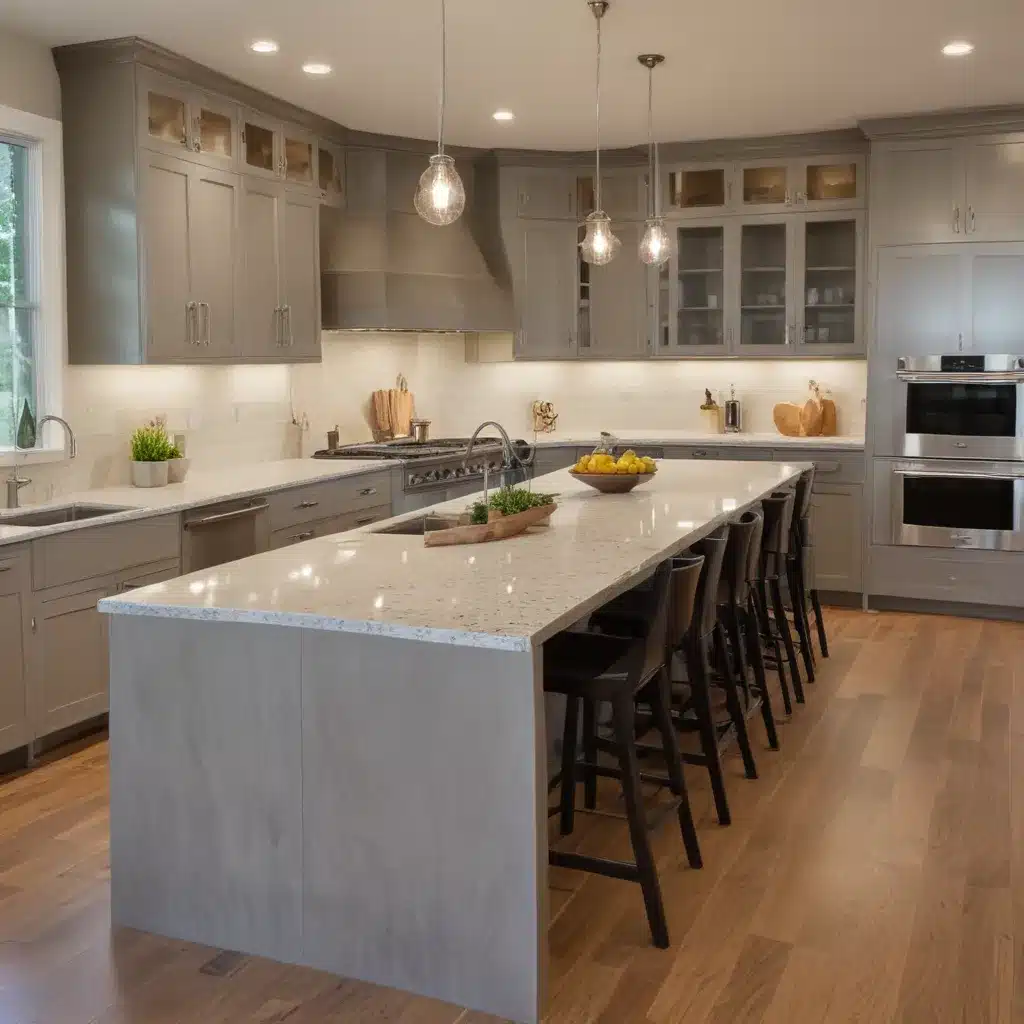
Eco-Friendly Countertop Options: Sustainable, Stylish, and Sensational
As the heartbeat of any home, the kitchen holds a special place in our lives. It’s where we nourish our bodies, gather with loved ones, and create lasting memories. When it comes to revamping this vital space, the choice of countertops and cabinets can significantly impact the overall aesthetic, functionality, and environmental footprint of your kitchen.
I’ve always been passionate about sustainable living, and this passion has only grown stronger as I’ve explored the world of eco-friendly home renovation. As the owner of ABC Home, a building and renovation company in Aberdeen, UK, I’ve had the privilege of guiding countless clients through the process of creating their dream kitchens – ones that not only look stunning but also align with their values for environmental stewardship.
In this article, I’ll delve into the world of eco-friendly kitchen countertops and cabinets, exploring the best options that can transform your space while minimizing your carbon footprint. From sleek and modern quartz to timeless and rustic wood, we’ll uncover the unique properties, pros, and cons of each material, helping you make an informed decision that’s tailored to your needs and preferences.
So, let’s embark on this journey together and discover the perfect eco-friendly solutions for your kitchen renovation. Prepare to be inspired, informed, and ready to make a positive impact on the planet!
Quartz Countertops: The Sustainable Sparkle
When it comes to eco-friendly countertop options, quartz has emerged as a frontrunner. Quartz is a man-made material that is created by combining ground quartz crystals with resins and pigments. The result is a durable, low-maintenance, and visually stunning surface that can mimic the appearance of natural stone, such as granite or marble, without the environmental impact.
The beauty of quartz lies in its versatility. It comes in a wide array of colors and patterns, allowing you to customize the look and feel of your kitchen to your heart’s desire. But what truly sets quartz apart is its sustainability. Quartz production is a closed-loop process, with leftover materials being recycled and reused, reducing waste and minimizing the strain on natural resources.
Moreover, quartz countertops are known for their exceptional durability, resistance to scratches, stains, and heat, making them a practical and long-lasting choice for busy kitchens. This translates to a reduced need for replacement or repairs, further enhancing the eco-friendly credentials of this material.
As I’ve worked with clients who are passionate about sustainability, I’ve seen firsthand the transformative power of quartz countertops. One particular client, Sarah, was determined to create an eco-friendly kitchen that would be the envy of all her friends. She opted for a stunning white quartz countertop with delicate veining, which seamlessly complemented the light wood cabinets and subway tile backsplash. The result was a kitchen that was not only visually breathtaking but also a testament to her commitment to reducing her environmental impact.
Reclaimed Wood Cabinets: A Timeless, Eco-Friendly Charm
While quartz countertops have been making waves in the eco-friendly kitchen realm, the allure of reclaimed wood cabinets is equally captivating. Reclaimed wood, salvaged from old barns, buildings, or even ships, offers a unique and sustainable alternative to traditional cabinetry.
The beauty of reclaimed wood lies in its character and history. Each plank tells a story, with its unique knots, grains, and weathered patina adding depth and character to your kitchen design. By opting for reclaimed wood, you’re not only embracing a visually stunning material but also contributing to the reduction of waste and the preservation of our natural resources.
One of the most appealing aspects of reclaimed wood cabinets is their durability. These sturdy, well-seasoned planks have already withstood the test of time, making them a reliable and long-lasting choice for your kitchen. Additionally, the production process for reclaimed wood cabinets is far less energy-intensive compared to manufacturing brand-new cabinetry, further solidifying their eco-friendly credentials.
As I’ve collaborated with clients who prioritize sustainability, I’ve witnessed the transformative power of reclaimed wood cabinets. Take the case of our client, Michael, who was determined to create a timeless, rustic-inspired kitchen that would be the envy of his neighborhood. He opted for reclaimed wood cabinets with a warm, honey-toned finish that beautifully complemented the natural stone countertops and exposed brick walls. The end result was a kitchen that exuded a cozy, inviting atmosphere, while also reflecting Michael’s commitment to environmental conservation.
Cork Countertops: A Renewable, Resilient Choice
In the ever-evolving world of eco-friendly kitchen materials, cork has emerged as a standout option for countertops. Derived from the bark of the cork oak tree, this renewable resource is renowned for its unique properties and environmental benefits.
What makes cork countertops so appealing? For starters, cork is a highly renewable material, as the bark can be harvested from the same tree every 9-12 years without causing any harm to the tree itself. This sustainable harvesting process ensures that cork remains a reliable and environmentally-friendly choice for your kitchen.
But the advantages of cork countertops extend far beyond their renewable nature. This material is also incredibly resilient, boasting impressive resistance to scratches, stains, and heat. The natural cellular structure of cork provides a cushioned, soft-to-the-touch surface, making it a comfortable and forgiving choice for busy kitchens.
Furthermore, cork countertops are known for their exceptional insulating properties, which can help regulate the temperature of your kitchen and potentially reduce energy costs. This added benefit aligns perfectly with the eco-friendly ethos that many homeowners seek to cultivate in their living spaces.
As I’ve worked with clients who are passionate about sustainability, I’ve seen the transformative power of cork countertops firsthand. One such client, Emma, was determined to create a kitchen that would not only be visually stunning but also minimize her environmental impact. She opted for a warm, earthy-toned cork countertop that complemented the sleek, modern lines of her cabinets and appliances. The result was a kitchen that exuded a sense of harmony and balance, reflecting Emma’s commitment to sustainable living.
Bamboo Cabinets: A Renewable, Resilient Marvel
In the realm of eco-friendly kitchen cabinetry, bamboo has emerged as a true standout. This remarkable grass-based material is not only visually stunning but also boasts an impressive array of sustainable credentials that make it a top choice for conscious homeowners.
The beauty of bamboo lies in its rapid growth rate, making it a highly renewable resource. Unlike traditional hardwood trees, bamboo can be harvested every 3-5 years without causing any permanent damage to the plant. This rapid regeneration cycle ensures a continuous supply of this versatile material, reducing the strain on our natural forests.
But bamboo’s eco-friendly attributes don’t stop there. The production process for bamboo cabinetry is also remarkably sustainable, as it often involves the use of low-VOC (Volatile Organic Compound) adhesives and finishes. This minimizes the release of harmful chemicals into the environment, creating a healthier indoor air quality for your kitchen.
In terms of durability, bamboo cabinets are no slouch. This material is exceptionally strong and scratch-resistant, making it a practical and long-lasting choice for busy kitchens. Additionally, bamboo’s natural moisture-resistant properties make it a great option for areas prone to humidity, such as around sinks and cooking zones.
As I’ve collaborated with clients who prioritize sustainability, I’ve witnessed the transformative power of bamboo cabinets. Take, for instance, our client, Emma, who was determined to create a kitchen that would be a beacon of eco-consciousness in her community. She opted for sleek, modern bamboo cabinets with a rich, warm tone that complemented the natural stone countertops and subway tile backsplash. The result was a kitchen that not only looked stunning but also proudly showcased Emma’s commitment to sustainable living.
Soapstone Countertops: A Natural, Durable Choice
In the realm of eco-friendly kitchen countertops, soapstone has emerged as a natural and durable option that is rapidly gaining popularity among conscious homeowners. Soapstone, a metamorphic rock composed primarily of the mineral talc, offers a unique and timeless aesthetic that can seamlessly blend with a variety of kitchen styles.
One of the standout features of soapstone countertops is their exceptional durability. This material is highly resistant to heat, scratches, and stains, making it a practical and long-lasting choice for busy kitchens. Unlike some other natural stone options, soapstone doesn’t require sealing, which eliminates the need for harsh chemicals and the associated environmental impact.
But soapstone’s eco-friendly credentials go beyond its durability. As a natural material, soapstone is extracted from the earth without the use of energy-intensive manufacturing processes. This, coupled with its longevity and low maintenance requirements, makes soapstone a sustainable choice for kitchen countertops.
As I’ve worked with clients who are passionate about sustainability, I’ve witnessed the transformative power of soapstone countertops. Take, for instance, our client, Sarah, who was determined to create a kitchen that would be a shining example of eco-conscious design. She opted for a sleek, matte-finished soapstone countertop that perfectly complemented the warm, wooden tones of her cabinets and the rustic brick backsplash. The result was a kitchen that exuded a sense of timeless elegance while also reflecting Sarah’s commitment to environmental stewardship.
Terrazzo Countertops: A Sustainable, Stylish Choice
In the ever-evolving world of eco-friendly kitchen design, terrazzo countertops have emerged as a unique and sustainable option that is capturing the hearts of conscious homeowners. Terrazzo is a composite material made by embedding small chips of natural stone, glass, or other materials in a cementitious binder, creating a striking and visually dynamic surface.
What sets terrazzo apart as an eco-friendly choice? For starters, the production process for terrazzo countertops is highly sustainable, as it often incorporates recycled or repurposed materials, such as glass, concrete, or even seashells. This not only reduces waste but also gives new life to materials that might have otherwise ended up in landfills.
But the benefits of terrazzo countertops go beyond their sustainable origins. This material is renowned for its exceptional durability, resistance to scratches, stains, and heat, making it a practical and long-lasting choice for busy kitchens. Additionally, terrazzo’s unique and eye-catching patterns can be customized to suit a wide range of design aesthetics, from modern and minimalist to eclectic and vintage-inspired.
As I’ve collaborated with clients who are passionate about sustainability, I’ve witnessed the transformative power of terrazzo countertops. Take, for instance, our client, Michael, who was determined to create a kitchen that would be a reflection of his love for the environment. He opted for a stunning terrazzo countertop with flecks of quartz, marble, and recycled glass, which perfectly complemented the sleek, contemporary lines of his cabinets and the subway tile backsplash. The result was a kitchen that not only looked visually stunning but also demonstrated Michael’s commitment to sustainable living.
Sustainable Cabinet Finishes: Eco-Friendly and Stylish
When it comes to eco-friendly kitchen design, the choice of cabinet finishes can play a crucial role in minimizing your environmental impact. Traditional cabinet finishes, such as those containing high levels of volatile organic compounds (VOCs), can release harmful chemicals into the air, contributing to indoor air pollution and potential health concerns.
Fortunately, there are a growing number of sustainable cabinet finish options that not only look stunning but also prioritize environmental responsibility. One such option is water-based finishes, which use water instead of harsh solvents as the primary carrier. These finishes not only emit lower levels of VOCs but also have a reduced impact on the environment during the manufacturing process.
Another eco-friendly cabinet finish option is plant-based oils and waxes, such as linseed oil or beeswax. These natural, non-toxic materials create a beautiful, low-sheen finish that enhances the natural beauty of the wood while also providing a protective barrier against wear and tear.
As I’ve worked with clients who are passionate about sustainability, I’ve seen the transformative power of these eco-friendly cabinet finishes. Take, for instance, our client, Emma, who was determined to create a kitchen that would be a model of environmental consciousness. She opted for cabinets finished with a water-based, low-VOC paint that complemented the warm, earthy tones of her cork countertops and bamboo flooring. The result was a kitchen that not only looked gorgeous but also showcased Emma’s commitment to creating a healthier, more sustainable living space.
Exploring the Intersection of Eco-Friendly and Functional Design
As you navigate the world of eco-friendly kitchen countertops and cabinets, it’s essential to strike a balance between sustainable materials and functional design. After all, your kitchen is the heart of your home, and it needs to not only be environmentally responsible but also a space that caters to your daily needs and lifestyle.
One of the key factors to consider is the durability and maintenance requirements of your chosen materials. While eco-friendly options like quartz, reclaimed wood, and soapstone are often exceptionally long-lasting and low-maintenance, it’s important to carefully weigh the pros and cons to ensure that they align with your day-to-day kitchen activities.
Another important aspect to consider is the overall aesthetic of your kitchen. With the wide array of eco-friendly materials available, you can easily create a space that not only aligns with your sustainability values but also reflects your personal style and design preferences. Whether you’re drawn to the rustic charm of reclaimed wood, the sleek sophistication of quartz, or the unique patterns of terrazzo, there’s an eco-friendly option that can bring your dream kitchen to life.
As I’ve worked with clients who are passionate about sustainability, I’ve learned that the key to a successful eco-friendly kitchen renovation lies in finding the perfect balance between environmental responsibility and functional design. By carefully considering factors like durability, maintenance, and aesthetic appeal, you can create a kitchen that not only reduces your carbon footprint but also enhances your daily life and brings you joy for years to come.
Conclusion: Embracing Eco-Friendly Kitchen Design for a Sustainable Future
As we’ve explored the world of eco-friendly kitchen countertops and cabinets, one thing has become abundantly clear: sustainable living is no longer a trend, but a necessity. With growing concerns about the environmental impact of our consumer choices, it’s crucial that we make informed decisions that align with our values and contribute to a more sustainable future.
By opting for eco-friendly materials like quartz, reclaimed wood, cork, bamboo, soapstone, and terrazzo, you’re not only creating a visually stunning kitchen but also making a tangible difference in reducing your carbon footprint and preserving our planet’s resources. These materials not only boast impressive durability and low-maintenance requirements but also demonstrate a deep respect for the environment.
As the owner of ABC Home, a building and renovation company in Aberdeen, UK, I’ve had the privilege of witnessing firsthand the transformative power of eco-friendly kitchen design. From clients who have embraced the rustic charm of reclaimed wood to those who have fallen in love with the sleek sophistication of quartz, I’ve seen how these sustainable choices can breathe new life into a space and inspire a deeper connection to our natural world.
So, if you’re embarking on a kitchen renovation journey, I encourage you to explore the world of eco-friendly countertops and cabinets. Discover the materials that speak to your heart and your values, and create a kitchen that not only looks stunning but also serves as a testament to your commitment to a more sustainable future. Together, let’s redefine the way we design and live in our homes, one eco-friendly kitchen at a time.
Remember, you can visit our website at https://abc-home.co.uk/ to learn more about our building and renovation services and how we can help you bring your dream eco-friendly kitchen to life.


