
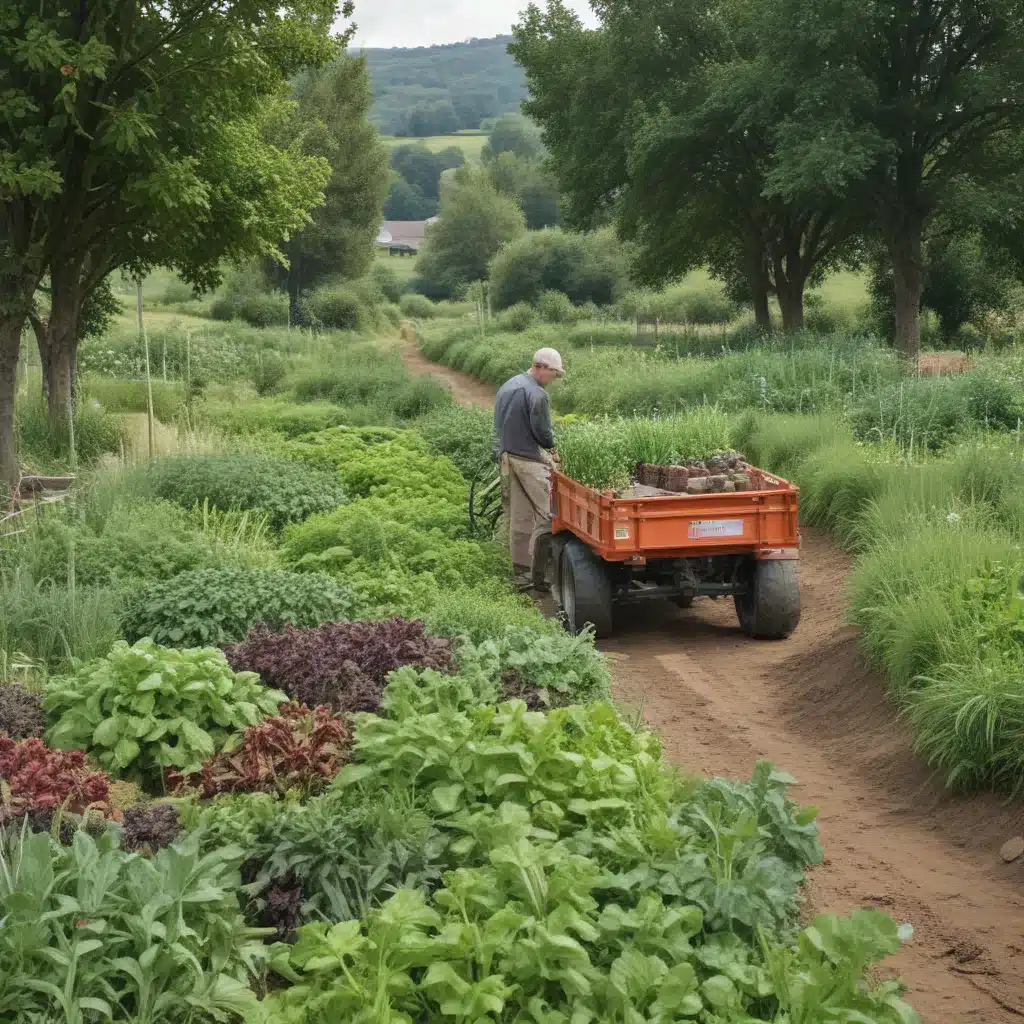
The Local Produce Dilemma: Balancing Sustainability and Aesthetics
As the owner of ABC Home, a reputable building and renovation company in Aberdeen, UK, I’ve often grappled with the challenge of creating beautiful, sustainable landscapes for our clients. You see, I’m a bit of a greenery geek – I could happily spend hours debating the merits of native versus non-native plant species, or the carbon footprint of importing exotic flora. But I also understand that my clients want something visually striking, a showstopper that’ll leave their neighbors green with envy (pun intended).
So, how do we strike that delicate balance between sustainability and aesthetics? Well, my friends, that’s exactly what I’m here to explore today. Gather ’round, grab a cuppa (or a wee dram, if that’s your preference), and let’s dive into the world of local produce for landscape design.
The Environmental Impact of Landscape Design
Now, I know what you’re thinking – “But Gregor, don’t I need those rare, tropical plants to really make my garden pop?” Well, my dear friends, let me enlighten you on the not-so-hidden costs of those alluring, far-flung flora.
You see, the transportation of plants and materials is a significant contributor to greenhouse gas emissions. In fact, research has shown that the logistics of moving plants around the globe can account for up to 60% of a landscape’s carbon footprint. Imagine the environmental toll of shipping a rare orchid all the way from Southeast Asia to grace your Aberdeen abode. Ach, the guilt, the sheer guilt!
But fear not, my eco-conscious comrades, for there is a solution – local produce. By choosing native and regionally-adapted plants, we can drastically reduce the emissions associated with their transport. It’s a win-win situation: your garden looks stunning, and you can sleep easy knowing you’re doing your bit for the planet.
Embracing the Beauty of Local Plants
Now, I know what you’re thinking – “Local plants? Surely they can’t be as beautiful as those exotic beauties!” Well, my friends, let me tell you, the hidden gems of our local landscapes are truly a sight to behold.
Take, for example, the humble Scottish bluebell. With its delicate, bell-shaped flowers and lush, green foliage, it’s a true natural wonder. Or how about the stately silver birch, with its striking white bark and graceful, dancing leaves? And let’s not forget the vibrant purple heather, a quintessential part of our Scottish moorlands.
The beauty of local plants lies not only in their visual appeal but also in their deep connection to the land. These plants have evolved over centuries to thrive in our specific climate and soil conditions, making them perfectly adapted to their environment. And, let me tell you, there’s something truly special about seeing a garden that’s in perfect harmony with its surroundings.
Overcoming Perceptions and Discovering Local Treasures
I’ll admit, though, that changing perceptions about local plants can be a bit of a challenge. After all, we’ve been bombarded with images of lush, tropical gardens and manicured, European-style landscapes. It’s easy to dismiss the humble offerings of our local flora as “boring” or “lacking in variety.”
But, my friends, I urge you to dig a little deeper. Take the time to explore your local nurseries, botanical gardens, and even the wild spaces around your home. You’d be amazed at the hidden treasures you’ll discover. From the delicate, fragrant blooms of the wild rose to the stately, sculptural forms of the Scots pine, there’s a world of beauty waiting to be unearthed.
And the best part? By choosing local, you’re not only reducing your carbon footprint but also supporting your local economy and celebrating the unique character of your region. It’s a win-win-win situation, if you ask me.
Bringing it all Together: Crafting Stunning, Sustainable Landscapes
Now, I know what you’re thinking – “Okay, Gregor, you’ve convinced me to go local, but how do I actually pull it off?” Well, my friends, let me share a few of my top tips for creating stunning, sustainable landscapes using local produce.
First and foremost, it’s all about doing your research. Get to know the native plants of your region, their growth habits, and their aesthetic qualities. This will help you create a cohesive, visually-appealing design that also aligns with your sustainability goals.
Next, think about incorporating a variety of plant types and textures. Don’t just stick to the obvious choices, like shrubs and trees. Mix it up with perennials, grasses, and even edible plants. This will add depth, interest, and functionality to your landscape.
And let’s not forget about the importance of soil health. Healthy, nutrient-rich soil is the foundation for a thriving, local landscape. Consider incorporating organic matter, such as compost or well-rotted manure, to nourish your plants and support the local ecosystem.
Finally, don’t be afraid to get creative! Local plants can be just as versatile and eye-catching as their exotic counterparts. Experiment with different planting arrangements, lighting, and hardscaping elements to create a truly unique and visually-striking outdoor space.
Embracing the Local Landscape: A Case Study in Sustainability
But don’t just take my word for it – let me share a real-life example of how embracing local produce can transform a landscape.
Recently, we had the privilege of working with a client who was passionate about sustainability and wanted to create a garden that reflected their values. They came to us with a vision of a lush, vibrant outdoor space that would also be kinder to the environment.
After conducting a comprehensive site analysis and getting to know the client’s preferences, we developed a landscape design that celebrated the local flora of the Scottish Highlands. We incorporated a mix of native trees, such as the majestic Scots pine and the delicate silver birch, as well as a variety of perennials and grasses that are perfectly adapted to the region’s climate.
The result? A stunning, cohesive landscape that not only looks breathtaking but also supports local biodiversity and reduces the carbon footprint associated with plant transport. Our client was thrilled, and we couldn’t help but feel a sense of pride in our work.
Conclusion: Embracing the Local Landscape for a Greener Future
As we wrap up our journey through the world of local produce for landscape design, I hope I’ve convinced you of the many benefits of embracing the natural bounty right on our doorstep.
By choosing local plants, we not only reduce our environmental impact but also celebrate the unique character and beauty of our region. It’s a win-win situation that allows us to create stunning outdoor spaces while doing our bit for the planet.
So, my friends, the next time you’re considering a landscape renovation or a brand-new outdoor oasis, take a moment to explore the local options. You might be surprised by the hidden gems you discover, and the joy you’ll find in creating a landscape that’s in perfect harmony with its surroundings.
After all, as the saying goes, “Think global, act local” – and when it comes to landscape design, that’s a mantra we should all embrace.


