
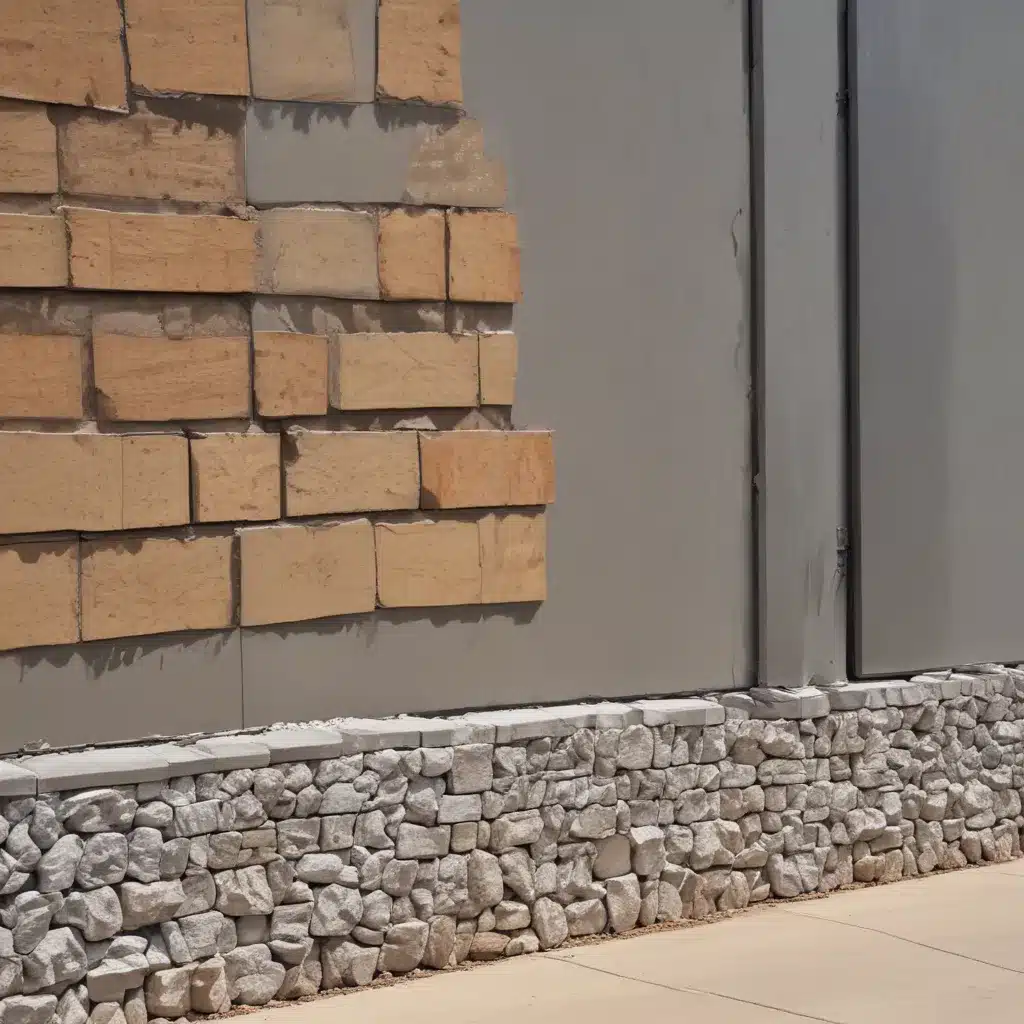
The Importance of Non-Combustible Materials
As a homeowner in Aberdeen, UK, I’ve always been acutely aware of the unique challenges that come with building or renovating near property boundaries. With the ever-present threat of fires and the strict safety regulations in our area, choosing the right materials for construction is of the utmost importance.
That’s why I’m here to share my expertise on the topic of non-combustible materials – what they are, why they matter, and how you can ensure your project meets the necessary standards. Whether you’re building a new home from scratch or undertaking a major renovation, this guide will arm you with the knowledge you need to make informed decisions and keep your family and neighbors safe.
Understanding Non-Combustible Materials
So, what exactly are non-combustible materials? In simple terms, these are materials that are resistant to burning or catching fire, even when exposed to high temperatures or open flames. This is in contrast to combustible materials, which can act as fuel and contribute to the spread of a fire.
The key factors that determine a material’s combustibility are its chemical composition and the way it reacts to heat. Non-combustible materials, such as steel, concrete, and certain types of insulation, are designed to maintain their structural integrity and resist ignition, even in the face of intense heat or fire.
One of the most important reasons for using non-combustible materials near property boundaries is the potential for fire to spread between neighboring buildings. If a fire were to break out in one property, the use of combustible materials could allow the flames to quickly jump to the adjoining structure, putting both homes at risk. By choosing non-combustible options, you can create a more effective barrier and reduce the risk of a devastating fire spreading.
Navigating the Regulations
Of course, the use of non-combustible materials in construction is not just a matter of common sense – it’s also a legal requirement in many areas, including Aberdeen. The Building Regulations in the UK have specific guidelines and standards that must be met when it comes to fire safety and the materials used in construction.
In particular, the Building Regulations in Scotland, where Aberdeen is located, have stringent requirements for the use of non-combustible materials in buildings that are within a certain distance of a property boundary. These regulations are in place to protect not only the occupants of the building but also the surrounding properties and their residents.
As a homeowner or renovator, it’s crucial that you familiarize yourself with these regulations and ensure that your project adheres to them. Failure to do so can not only put lives at risk but also result in costly fines and legal consequences.
Choosing the Right Non-Combustible Materials
Now that we’ve established the importance of using non-combustible materials when building near property boundaries, let’s dive into the specifics of what these materials are and how to select them for your project.
One of the most common and widely used non-combustible materials in construction is steel. Steel frames, cladding, and other structural elements are highly resistant to fire and can provide a strong, durable barrier between buildings. Additionally, steel is versatile and can be easily integrated into a wide range of architectural styles, making it a popular choice for both new builds and renovations.
Another non-combustible material that has gained popularity in recent years is mineral wool insulation. Unlike traditional insulation materials, mineral wool is composed of natural rock or glass fibers that do not contribute to the spread of fire. This makes it an excellent choice for insulating walls, roofs, and other building components that are in close proximity to neighboring properties.
Concrete is yet another non-combustible material that is widely used in construction. Concrete’s inherent strength and resistance to heat make it a reliable choice for foundations, walls, and other structural elements. Additionally, concrete can be easily molded and shaped to fit a variety of design needs, making it a versatile option for both contemporary and traditional building styles.
Real-World Examples and Case Studies
To further illustrate the importance of using non-combustible materials in construction near property boundaries, let’s take a look at a few real-world examples and case studies.
One such case study comes from a recent renovation project in Aberdeen’s historic city center. The homeowners, who lived in a terraced house adjacent to their neighbors, were planning a major renovation that involved the addition of a second-story extension. Given the proximity to their neighbors’ properties, the local building authorities insisted that the homeowners use exclusively non-combustible materials for the exterior walls and roof of the extension.
After consulting with a local building and renovation company, the homeowners opted for a steel-framed structure clad in a combination of mineral wool insulation and weatherproof steel panels. Not only did this solution meet the strict fire safety requirements, but it also helped to improve the overall energy efficiency of the home, reducing the risk of fire and lowering the homeowners’ utility bills.
Another example comes from a new-build project in the suburbs of Aberdeen, where a young family was constructing a modern, two-story home. Due to the close proximity of the neighboring properties, the local council mandated that the home’s exterior walls be made of non-combustible materials. The homeowners worked closely with their architects and builders to design a striking, contemporary facade using a combination of concrete, steel, and mineral wool insulation.
The result was a beautiful, fire-resistant home that not only met the necessary safety standards but also stood out as a shining example of how non-combustible materials can be seamlessly integrated into modern architecture. The homeowners were thrilled with the final product, knowing that their investment was not only aesthetically pleasing but also significantly safer for their family and their neighbors.
The Importance of Professional Guidance
As you can see, the selection and use of non-combustible materials in construction near property boundaries is a complex and nuanced topic. While the underlying principles may seem straightforward, navigating the various regulations, building codes, and design considerations can be a daunting task for the average homeowner or renovator.
That’s why it’s so important to work with experienced, reputable building and renovation professionals when undertaking a project of this nature. These experts can provide invaluable guidance and support, helping you to:
- Understand the specific fire safety regulations and requirements in your local area
- Identify the most appropriate non-combustible materials for your project
- Incorporate these materials seamlessly into your design and construction plans
- Ensure that your project meets all necessary safety and compliance standards
By partnering with a trusted building and renovation company, you can rest assured that your project will not only be safe and compliant but also beautifully executed. After all, when it comes to protecting your home, your neighbors, and your loved ones, there’s no room for compromise.
Conclusion: Prioritizing Safety and Compliance
In conclusion, the use of non-combustible materials in construction near property boundaries is not just a matter of best practice – it’s a legal requirement that must be taken seriously. By choosing materials that are resistant to fire, you can create a safer, more secure environment for yourself, your family, and your neighbors.
Whether you’re building a new home or undertaking a major renovation, I encourage you to work closely with a reputable building and renovation company to ensure that your project meets all necessary safety and compliance standards. With the right guidance and the right materials, you can create a beautiful, fire-resistant structure that not only looks great but also provides peace of mind for years to come.
So, if you’re planning a construction or renovation project in Aberdeen, UK, be sure to prioritize the use of non-combustible materials. It’s an investment in your family’s safety and the safety of your entire community. And who knows – you might just end up with a home that’s not only practical but also a true architectural showpiece!


