
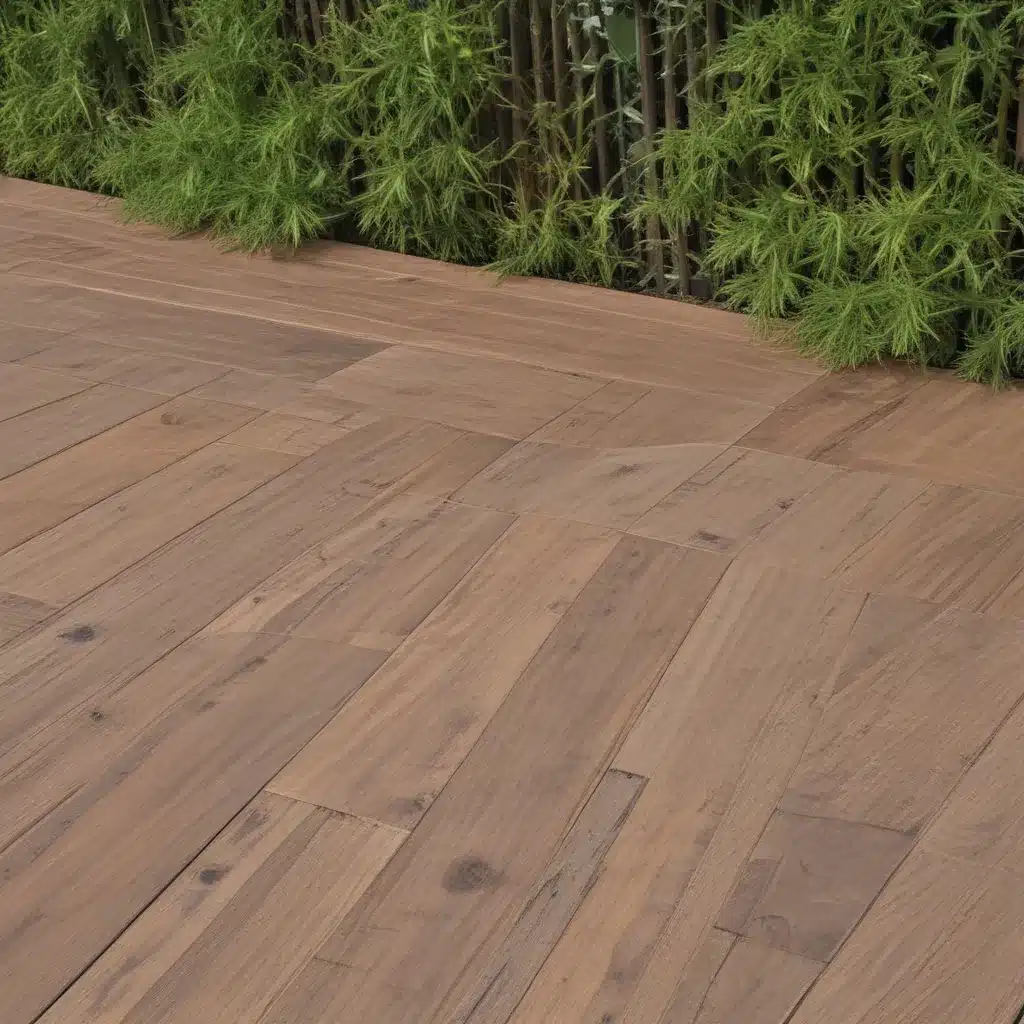
The Sustainable Decking Dilemma: Navigating the Choices
Ah, the age-old question that has tormented homeowners and DIY enthusiasts alike – what type of decking should I choose for my outdoor oasis? Well, my fellow deck-builders, prepare to have your minds blown as I take you on a journey through the wonderful world of sustainable decking options.
You see, the thing about decking is that it’s not just a pretty platform for our garden parties and al fresco dining. Nay, my friends, it’s a reflection of our values, our environmental consciousness, and our commitment to creating spaces that are not only beautiful but also kind to our precious planet. And trust me, I know a thing or two about this, having worked in the building and renovation industry in Aberdeen, UK for more than a decade.
Composite Decking: The Sustainable Superhero
Let’s start with the poster child of sustainable decking – composite. Now, I know what you’re thinking, “Composite? Isn’t that just a fancy word for ‘plastic’?” Well, my dear friends, let me enlighten you. Composite decking is a game-changer when it comes to eco-friendly outdoor living.
Imagine a material that combines the natural beauty of wood with the durability and low-maintenance benefits of synthetic materials. That’s composite decking in a nutshell. Made from a blend of recycled plastics and wood fibers, it’s a true testament to the wonders of modern engineering. And the best part? It doesn’t require the same level of chemical treatment or felling of trees as traditional timber decking.
But don’t just take my word for it. Let’s dive a little deeper into the world of composite decking, shall we? I recently had the pleasure of chatting with Sarah, a passionate environmentalist and the owner of a local building and renovation company in Aberdeen. She had some fascinating insights to share about the benefits of this sustainable decking option.
“Composite decking is a game-changer for homeowners who want to create beautiful outdoor spaces without compromising on their eco-friendly values,” Sarah explained. “Not only is it incredibly durable and low-maintenance, but it’s also made from recycled materials, which helps to reduce waste and conserve natural resources.”
Ah, yes, the durability factor – a crucial consideration when it comes to decking. Sarah went on to share that composite decking can withstand the harshest of weather conditions, from scorching summer sun to blustery winter winds. “It doesn’t rot, fade, or splinter like traditional wood,” she said, “which means you can enjoy your outdoor oasis for years to come without the constant need for repairs or replacement.”
And let’s not forget the aesthetic appeal. Composite decking comes in a wide range of colors and textures, allowing you to find the perfect match for your home’s exterior. “Our clients are always amazed by the natural wood-like finish of the composite boards,” Sarah gushed. “It’s a great way to achieve the look and feel of timber without the high-maintenance hassle.”
So, if you’re like me and you’re looking to create a sustainable outdoor living space, composite decking might just be the solution you’ve been searching for. It’s a decking option that checks all the boxes – eco-friendly, durable, and downright beautiful.
Bamboo Decking: The Renewable Wonder
But hold on, my friends, the sustainable decking options don’t stop there. Let’s take a look at another rising star in the world of outdoor living: bamboo decking.
Now, I know what you’re thinking, “Bamboo? Isn’t that that weird, skinny plant that pandas love to munch on?” Well, let me tell you, this versatile material is so much more than just a panda’s snack of choice.
Bamboo, you see, is a rapidly renewable resource that grows at an astounding rate, making it a far more sustainable option than traditional timber. And when it comes to decking, bamboo truly shines. It’s incredibly durable, with a strength-to-weight ratio that rivals even the most robust hardwoods.
But don’t just take my word for it. Let’s hear from Sarah again, who’s had some hands-on experience with bamboo decking.
“Bamboo is an absolute marvel when it comes to sustainable decking,” Sarah enthused. “It’s not only environmentally friendly, but it’s also incredibly strong and long-lasting. We’ve had clients who have had their bamboo decks for over a decade, and they still look as good as new!”
Ah, yes, the longevity factor – a crucial consideration when it comes to any outdoor project. And let’s not forget the aesthetic appeal. Bamboo decking offers a unique and visually stunning texture, with a natural grain that can add a touch of zen to any outdoor space.
“Our clients love the warm, earthy tones of the bamboo,” Sarah shared. “It creates a lovely contrast with the greenery of the garden and really helps to bring the whole outdoor living space together.”
But the benefits of bamboo decking don’t stop there. According to Sarah, it’s also a great choice for those with environmental concerns, as it’s a rapidly renewable resource that’s harvested without causing significant damage to the surrounding ecosystem.
“Bamboo is just an all-around winner when it comes to sustainable decking,” she concluded. “It’s durable, beautiful, and eco-friendly – what more could you ask for?”
So, if you’re looking to create an outdoor oasis that’s not only gorgeous but also kind to the planet, bamboo decking might just be the answer to your prayers.
Larch Decking: The Timeless Timber Option
Now, let’s not forget about the classic timber option – larch decking. While it may not have the same eco-friendly pedigree as composite or bamboo, larch is still a viable choice for those seeking a sustainable and long-lasting outdoor living solution.
Larch, you see, is a softwood that’s naturally resistant to rot and decay, thanks to its high resin content. This makes it an excellent choice for outdoor applications, as it can withstand the elements without the need for excessive chemical treatments.
And the best part? Larch is a renewable resource, with forests that are carefully managed to ensure a steady supply of this valuable timber. As Sarah explained, “Larch is a great option for those who want the classic look and feel of wood, but with the added benefits of environmental sustainability.”
But the advantages of larch decking don’t stop there. According to Sarah, it’s also a highly durable and low-maintenance material, making it a practical choice for busy homeowners.
“Larch is incredibly tough and resilient,” she shared. “It doesn’t require the same level of ongoing maintenance as some other wood species, and it can withstand the rigors of outdoor use without succumbing to weathering or damage.”
And let’s not forget the aesthetic appeal. Larch has a warm, golden hue that can add a touch of rustic charm to any outdoor space. “Our clients love the natural beauty of larch decking,” Sarah gushed. “It really helps to create a cozy and inviting atmosphere in the garden.”
So, if you’re looking for a sustainable decking option that offers the timeless appeal of wood, larch might just be the perfect choice for you.
Comparing the Sustainable Decking Options
Now, I know what you’re thinking – with all these fantastic sustainable decking options, how on earth do you choose the right one for your outdoor living space? Well, fear not, my friends, for I have a handy comparison table to help you navigate the decision-making process.
| Feature | Composite Decking | Bamboo Decking | Larch Decking |
|---|---|---|---|
| Sustainability | Made from recycled plastics and wood fibers | Rapidly renewable resource | Renewable resource, carefully managed forests |
| Durability | Highly resistant to rot, fading, and weathering | Incredibly strong and long-lasting | Naturally resistant to rot and decay |
| Maintenance | Low-maintenance, doesn’t require regular sealing or staining | Minimal maintenance, occasional cleaning | Requires some maintenance, like occasional re-oiling |
| Aesthetics | Wide range of colors and textures, resembles natural wood | Unique, warm-toned appearance with natural grain | Classic, rustic wooden look |
| Cost | Typically more expensive than traditional timber | Competitively priced, often comparable to hardwood | Varies, can be more affordable than hardwood |
Now, as you can see, each of these sustainable decking options has its own unique set of pros and cons. The key is to weigh your priorities – are you looking for the ultimate in eco-friendliness? Unbeatable durability? Or perhaps a timeless, natural aesthetic?
Personally, I’m a big fan of the composite decking. I love the way it combines the best of both worlds – the natural beauty of wood with the low-maintenance convenience of synthetic materials. Plus, the fact that it’s made from recycled plastics and wood fibers is a major selling point for me.
But I know that everyone’s needs and preferences are different. That’s why I always encourage my clients to do their own research, weigh the options, and ultimately choose the decking that’s the perfect fit for their outdoor living space and their personal values.
Bringing it All Together: Choosing the Right Sustainable Decking
Okay, so now you’ve got the lowdown on the sustainable decking options – composite, bamboo, and larch. But how do you actually go about choosing the right one for your home? Well, my friends, let me share a few tips that I’ve learned over the years.
First and foremost, it’s important to consider your lifestyle and the way you plan to use your outdoor space. Are you a low-maintenance kind of person, or do you relish the idea of regular DIY projects? Do you have kids or pets who are going to be putting the decking through its paces? These are all important factors to weigh when making your decision.
For example, if you’re looking for a truly set-it-and-forget-it kind of decking, then composite might be the way to go. Its incredible durability and low-maintenance requirements make it a dream come true for busy homeowners. On the other hand, if you’re the type who enjoys a bit of light DIY and you’re drawn to the natural beauty of timber, then larch or bamboo could be the perfect fit.
It’s also crucial to think about the overall aesthetic you’re going for. Do you want a sleek, modern look, or are you aiming for a more rustic, earthy vibe? Composite decking can offer a wide range of colors and textures, while bamboo and larch have their own unique natural charm.
And let’s not forget about the environmental impact. If eco-friendliness is a top priority for you, then composite and bamboo are going to be your best bets. But don’t discount larch just yet – as I mentioned, it’s a renewable resource that’s carefully managed to ensure sustainability.
Ultimately, the choice comes down to your personal preferences, your lifestyle, and your commitment to creating a beautiful and sustainable outdoor living space. And let’s not forget the expert advice of the pros – people like Sarah, who have years of experience in the building and renovation industry and can offer valuable insights to help you make the right decision.
So, what are you waiting for, my friends? It’s time to embrace the joys of sustainable decking and create the outdoor oasis of your dreams. Who knows, maybe I’ll even see you at one of the local building and renovation company’s showrooms, admiring the latest in eco-friendly decking options. After all, they’re the experts in this neck of the woods – or should I say, the experts in this deck of the woods?


