
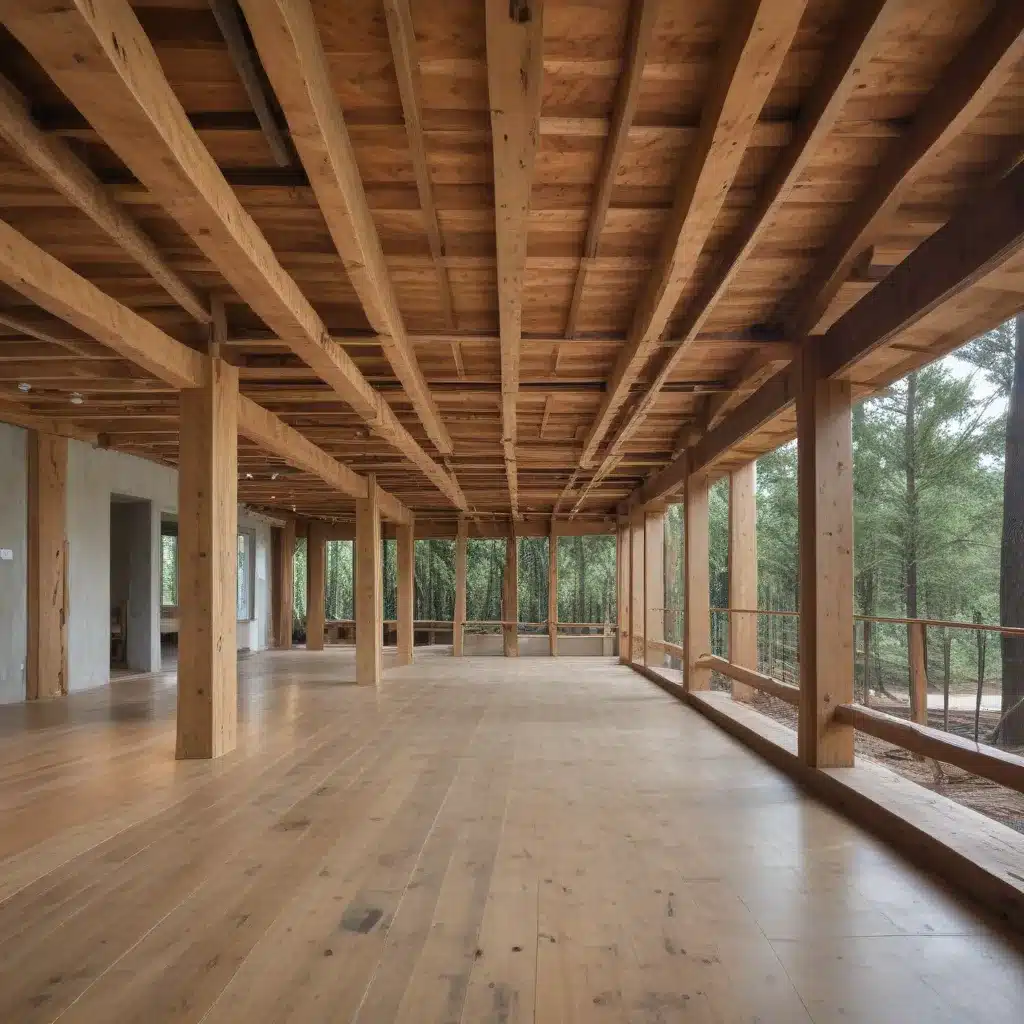
The Sustainable Timber Dilemma: Balancing Strength, Aesthetics, and Environmental Impact
Ah, the joys of home renovation – the dust, the noise, the endless decisions that could make even the sanest person question their life choices. But fear not, my fellow DIY warriors, for I come bearing the wisdom of the sustainable timber Gods (or at least the local lumberjacks).
You see, when it comes to choosing timber for your structural beams, it’s not as simple as grabbing the first piece of wood that looks sturdy enough to hold up your roof. Nay, my friends, we must embark on a quest to find the perfect balance of strength, aesthetics, and environmental impact. It’s like trying to find a date that’s smart, funny, and actually interested in you – a true unicorn, if you will.
As the owner of a building and renovation company in Aberdeen, UK, I’ve seen my fair share of timber conundrums. From the client who wanted to use reclaimed barn wood (because, you know, it’s “rustic”) to the one who insisted on exotic hardwoods that would cost more than their firstborn child, the challenges are endless. But fear not, for I’m here to guide you through the treacherous waters of sustainable timber selection.
Understanding the Importance of Sustainable Timber
But first, let’s address the elephant in the room: why the heck should we even care about sustainable timber? Well, my friends, the answer is quite simple – the future of our planet depends on it.
You see, traditional timber harvesting practices have had a devastating impact on the environment, leading to deforestation, habitat destruction, and a whole host of other eco-nightmares. But by choosing sustainable timber, we can not only reduce our carbon footprint but also support responsible forestry practices that ensure our forests will be around for generations to come.
Plus, let’s be real, who wants to be the person responsible for single-handedly wiping out the entire Amazon rainforest just to build a fancy new deck? Not me, that’s for sure. And I’m guessing you don’t either.
Exploring the Different Types of Sustainable Timber
Now that we’ve established the importance of sustainable timber, let’s dive into the nitty-gritty details. Just like the vast array of personalities you might encounter on a first date, there’s a wide range of sustainable timber options to choose from, each with its own unique characteristics and quirks.
One of the most popular choices in the sustainable timber realm is FSC-certified wood. FSC stands for the Forest Stewardship Council, and their certification ensures that the timber was harvested from responsibly managed forests that meet strict environmental and social standards. These forests are like the Brad Pitts of the timber world – they’ve got the looks, the charm, and the eco-cred to back it up.
But wait, there’s more! Another sustainable timber option is reclaimed or recycled wood. This is the timber equivalent of a vintage find at a thrift store – it’s got character, it’s unique, and it’s saving the planet one piece of wood at a time. Plus, you get to brag to all your friends about how you’re “upcycling” and being a total eco-warrior.
And let’s not forget about bamboo, the superhero of the sustainable timber world. This fast-growing grass (yes, grass!) is not only incredibly strong and durable but also has a lower environmental impact than traditional timber. It’s like the Captain America of the building materials – saving the day while looking good doing it.
Evaluating the Structural Integrity of Sustainable Timber
Alright, so we’ve got a handle on the different types of sustainable timber, but what about the most important factor of all – structural integrity? After all, the last thing you want is for your roof to come crashing down because you chose a piece of wood that couldn’t support a feather, let alone your entire house.
Fear not, my friends, for there are ways to ensure that your sustainable timber is up to the task. First and foremost, it’s crucial to work with a reputable supplier who can provide you with detailed information about the strength and durability of their products. These timber experts are like the Gandalf of the building world – they’ve got the knowledge and experience to guide you through the challenges of sustainable timber selection.
But that’s not all! You’ll also want to consider factors like the timber’s moisture content, grain patterns, and any potential defects or knots that could compromise its structural integrity. It’s like a high-stakes game of “Where’s Waldo,” but instead of searching for a guy in a striped shirt, you’re trying to find the hidden flaws that could turn your dream home into a nightmare.
And let’s not forget about the importance of proper installation and support. Even the sturdiest sustainable timber won’t do you any good if it’s not properly secured and reinforced. It’s like trying to build a sandcastle in the middle of a hurricane – without the right foundation, it’s doomed to collapse.
Balancing Aesthetics and Sustainability
Alright, let’s address the elephant in the room: sustainability is great and all, but what about the all-important factor of aesthetics? After all, we’re not just building a sturdy structure here, we’re creating a masterpiece that will be the envy of the entire neighborhood (or at least the one nosy neighbor who always stares out their window).
But fear not, my fellow design enthusiasts, for sustainable timber can be just as (if not more) beautiful as its traditional counterparts. In fact, many sustainable timber options, like reclaimed wood and bamboo, have a unique character and charm that can add a touch of rustic elegance to any space.
Just imagine it: you’ve got your beautiful, sustainably-sourced timber beams, each one a work of art with its own distinct grain patterns and imperfections. It’s like having a room full of one-of-a-kind sculptures, except these ones can actually hold up your roof (which is a pretty neat party trick, if you ask me).
And let’s not forget about the endless design possibilities that sustainable timber offers. From sleek and modern to warm and cozy, the right timber can transform a space in ways you never thought possible. It’s like having a magic wand that can conjure up any aesthetic your heart desires, all while keeping the planet happy.
Navigating the Cost Considerations of Sustainable Timber
Ah, the age-old dilemma: do we choose the sustainable option and risk breaking the bank, or do we opt for the cheaper (but perhaps less eco-friendly) alternative? It’s a tough call, my friends, and one that requires careful consideration.
Now, I won’t sugarcoat it – sustainable timber can sometimes come with a higher price tag than traditional wood. After all, the responsible harvesting practices and stringent certification processes don’t come cheap. But before you start hyperventilating into a paper bag, let me assure you that the long-term benefits of sustainable timber can far outweigh the initial investment.
Think about it this way: by choosing sustainable timber, you’re not just investing in a structural beam, you’re investing in the future of our planet. It’s like buying a high-quality pair of shoes – they might cost a bit more upfront, but they’ll last you for years, saving you money in the long run.
And let’s not forget about the potential financial incentives and rebates that can come with selecting sustainable building materials. Some local governments and organizations offer tax credits or other benefits to homeowners who incorporate eco-friendly elements into their projects. It’s like finding a hidden treasure chest of money-saving opportunities – all you have to do is dig a little deeper.
Of course, I understand that not everyone has the financial flexibility to splurge on the most sustainable timber options. But fear not, my budget-conscious friends, for there are still plenty of affordable sustainable choices out there. It’s all about weighing the pros and cons, doing your research, and finding the right balance that works for your wallet and the environment.
Putting It All Together: A Real-Life Case Study
Alright, let’s bring all of this sustainable timber talk into the real world with a good old-fashioned case study. Picture this: a young couple in Aberdeen, UK, is renovating their cozy little bungalow, and they’re determined to do it in the most eco-friendly way possible.
Enter the dynamic duo – let’s call them Jack and Jill (because, you know, classic fairy tale vibes). They’ve done their research, they’ve weighed the options, and they’ve decided that sustainable timber is the way to go for their structural beams.
First, they reached out to a local timber supplier who specializes in FSC-certified wood. After a thorough consultation, they settled on a beautiful, high-quality Douglas fir that not only met their structural needs but also complemented the rustic-chic aesthetic they were going for.
But the sustainable timber journey didn’t stop there. Jack and Jill also decided to incorporate some reclaimed wood into their design, sourcing old barn beams from a nearby farm. These weathered beauties not only added character to their space but also helped to reduce the overall environmental impact of their renovation.
And let’s not forget about the bamboo – the dynamic duo just couldn’t resist incorporating this eco-friendly superstar into their project. They used it to create a stunning accent wall that perfectly balanced strength, sustainability, and visual appeal.
As the renovation progressed, Jack and Jill faced a few challenges, like ensuring that their sustainable timber was properly installed and supported. But with the help of their trusty building and renovation team, they were able to navigate these hurdles and create a space that not only stood strong but also made their hearts (and the planet’s) sing with joy.
In the end, Jack and Jill’s sustainable timber journey was a testament to the power of determination, creativity, and a deep-rooted commitment to the environment. And let me tell you, their friends and neighbors are green with envy (pun very much intended) over the stunning results.
Conclusion: Embracing the Sustainable Timber Revolution
Well, there you have it, folks – the ultimate guide to choosing sustainable timber for your structural beams. From understanding the importance of eco-friendly building materials to navigating the various options and cost considerations, I’ve tried to cover it all.
But the journey doesn’t end here. As the owner of a building and renovation company in Aberdeen, UK, I can tell you that the sustainable timber revolution is just getting started. With more and more homeowners and builders embracing the power of responsibly sourced wood, the future of our planet is looking brighter than ever.
So, what are you waiting for? Grab your safety goggles, put on your best eco-warrior hat, and let’s dive headfirst into the wonderful world of sustainable timber. Together, we can create beautiful, sturdy structures that not only stand the test of time but also help to preserve the delicate balance of our fragile ecosystem.
Who knows, maybe one day, we’ll even be able to brag about our sustainable timber exploits to our grandkids, just like our grandparents did with their tales of building the family homestead from scratch. It’ll be like a modern-day fairy tale, but with a whole lot more environmental consciousness and a lot less cursed spinning wheels.
So, let’s get out there and start building a better, more sustainable future, one structural beam at a time. And remember, if you ever need a little help or guidance along the way, you know where to find me – right here at ABC Home, your one-stop shop for all things building and renovation in the heart of Aberdeen, UK.


