
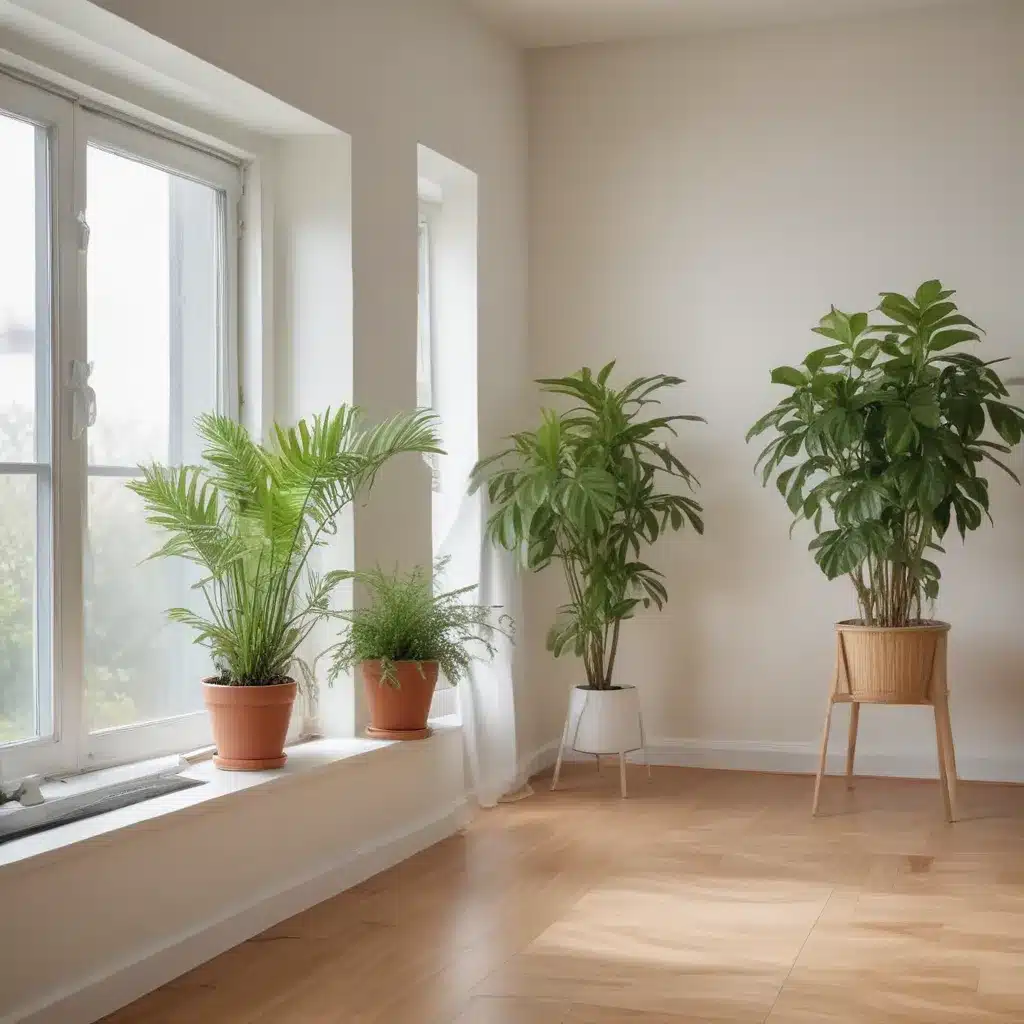
The Invisible Enemy: Tackling Poor Indoor Air Quality
Have you ever walked into a room and been immediately struck by a stuffy, stale feeling? That’s your body’s way of telling you the air quality isn’t up to par. As someone who cares deeply about creating healthy, comfortable living and working spaces, I’m on a mission to shed light on the importance of clean indoor air.
You see, the air we breathe indoors can have a significant impact on our well-being, from our physical health to our mental sharpness. And in a time when we’re spending more time than ever cooped up at home or in the office, it’s crucial that we address this often-overlooked issue.
The Surprising Culprits Behind Poor Indoor Air
When you think of air pollution, your mind might immediately jump to smog-filled cityscapes or hazy industrial zones. But the truth is, the air inside our homes, schools, and workplaces can be just as – if not more – harmful to our health.
In fact, the Environmental Protection Agency (EPA) estimates that indoor air can be up to five times more polluted than outdoor air. According to the EPA, some of the biggest offenders include:
- Volatile organic compounds (VOCs) from cleaning products, paints, and furniture
- Particulate matter from things like dust, smoke, and pet dander
- Radon, a naturally occurring radioactive gas
- Carbon monoxide from faulty fuel-burning appliances
And let’s not forget the invisible threat of airborne viruses, which the COVID-19 pandemic has brought into sharp focus. The CDC emphasizes that improved ventilation and air filtration can significantly reduce the risk of transmission.
The Alarming Impacts of Poor Indoor Air Quality
When it comes to the consequences of subpar indoor air, the list is long and concerning. From respiratory issues to cognitive impairment, the effects can be far-reaching. Let me break it down:
Respiratory Problems
Poor indoor air quality can exacerbate conditions like asthma and allergies, leading to symptoms like wheezing, coughing, and shortness of breath. The EPA reports that exposure to indoor air pollutants can even increase the risk of developing respiratory diseases.
Cognitive Decline
Shockingly, studies have shown that exposure to certain indoor air pollutants can impair cognitive function, affecting our ability to concentrate, remember, and make decisions. One study found that improving ventilation and reducing indoor CO2 levels led to significant improvements in cognitive performance.
Increased Susceptibility to Illness
When our indoor air is polluted, it can weaken our immune systems and make us more vulnerable to a host of illnesses, from the common cold to more severe conditions. And as we’ve seen with COVID-19, airborne transmission of viruses can be a serious concern in poorly ventilated spaces.
Long-Term Health Risks
Prolonged exposure to indoor air pollutants has been linked to an increased risk of developing chronic diseases, such as heart disease, stroke, and certain types of cancer. Research has even shown that low-income communities and communities of color are disproportionately affected by these health risks.
The bottom line is that the air we breathe indoors can have a profound impact on our overall well-being, both in the short and long term. And as a building and renovation company, we have a responsibility to ensure that the spaces we create are not only aesthetically pleasing but also safe and healthy for the people who inhabit them.
Reclaiming Clean, Breathable Air
So, what can we do to improve indoor air quality and safeguard the health of our communities? Fortunately, there are several effective strategies we can implement, both at the individual and the building level.
Building-Level Upgrades
One of the most impactful ways to enhance indoor air quality is to tackle it at the source – the building itself. This can involve upgrading HVAC systems to improve ventilation, installing high-efficiency air filters, and incorporating air-purifying technologies like germicidal ultraviolet light fixtures.
The White House has highlighted the availability of federal funds from the American Rescue Plan that can be used for these kinds of indoor air quality improvements in schools, public buildings, and other establishments.
Room-by-Room Interventions
Of course, not every building can undergo a complete overhaul. But even simple, room-level interventions can make a significant difference. Things like opening windows, running fans, and adding portable air cleaners with HEPA filters can help to circulate and purify the air.
According to the EPA, portable air cleaners that meet their criteria can reduce exposure to simulated exhaled aerosol particles by up to 65%. And the best part? These portable solutions can be easily implemented in offices, classrooms, and even homes.
Breathing Easy: The Benefits of Cleaner Indoor Air
When we prioritize indoor air quality, the benefits are far-reaching. Not only does it reduce the risk of respiratory issues and infectious disease transmission, but it can also:
- Enhance cognitive function and productivity
- Alleviate allergy and asthma symptoms
- Protect against the harmful effects of outdoor air pollution
- Promote overall physical and mental well-being
And as a building and renovation company serving the Aberdeen community, we have a unique opportunity to be at the forefront of this crucial issue. By integrating smart indoor air quality solutions into our projects, we can not only improve the health and comfort of our clients but also set a new standard for what it means to create truly livable, sustainable spaces.
Embracing the Clean Air Revolution
The time has come to take control of the invisible threat lurking in our indoor environments. By raising awareness and implementing proven strategies to improve indoor air quality, we can create healthier, more vibrant communities that empower people to thrive.
At ABC Home & Renovation, we’re proud to be part of this clean air revolution. We’re committed to staying at the forefront of the latest technologies and best practices, ensuring that every project we undertake prioritizes the health and well-being of the people who will inhabit those spaces.
So, let’s breathe easier and live better – together. Because when it comes to the air we breathe, there’s no compromise. It’s time to reclaim our right to clean, healthy indoor air.


