
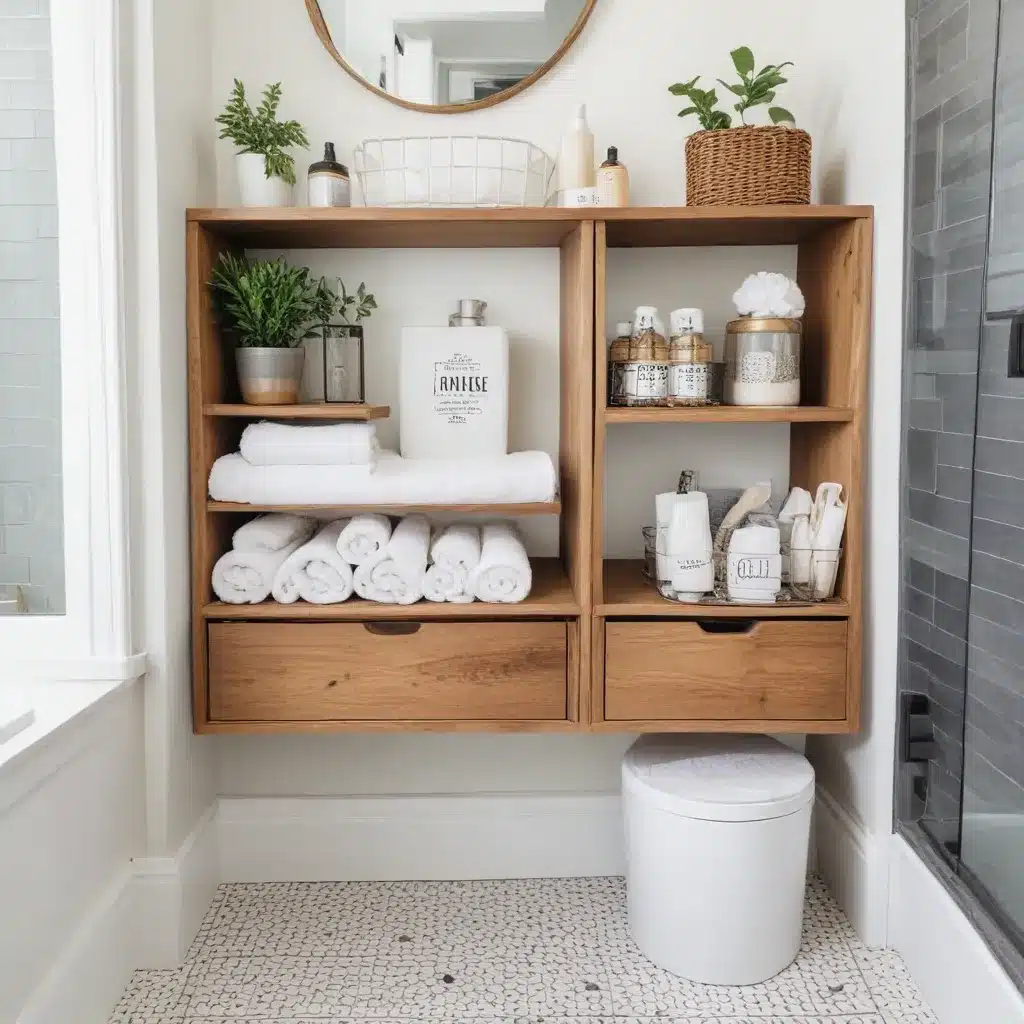
Maximizing Limited Space: Understanding UK Building Standards
In the bustling city of Aberdeen, homeowners often face the challenge of optimizing storage within the confines of a small bathroom. While limited square footage can seem daunting, adhering to UK building regulations and employing strategic design solutions can unlock the full potential of even the most compact spaces.
The Building Regulations 2010 in the UK, which apply to England and Wales, outline specific requirements for bathroom design and installation. These regulations cover crucial aspects such as ventilation, plumbing, electrical safety, and accessibility, ensuring that homeowners can create functional and compliant bathroom spaces. Understanding and complying with these regulations is not only essential for obtaining the necessary approvals but also safeguards the well-being of occupants.
When it comes to storage in small bathrooms, the Approved Document M of the Building Regulations provides guidance on accessible and inclusive design. This document stipulates the minimum clear floor space required for maneuvering, as well as the placement and dimensions of key bathroom fixtures and fittings. By following these regulations, homeowners can ensure that their storage solutions not only maximize efficiency but also maintain the required accessibility standards.
Cost-Effective Strategies for Optimizing Small Bathroom Storage
Navigating the balance between limited space and storage needs in a small bathroom can be a challenge, but with the right approach, homeowners can create a functional and organized haven. Here are some cost-effective strategies to consider:
Utilize Vertical Space
One of the most effective ways to maximize storage in a small bathroom is to take advantage of vertical space. Wall-mounted shelves, hanging organizers, and recessed medicine cabinets can provide ample storage without encroaching on valuable floor space. These solutions can be easily installed and customized to fit the specific dimensions of the bathroom, ensuring a seamless and efficient use of the available area.
Embrace Multifunctional Furniture
Repurposing furniture intended for other rooms can be a budget-friendly way to introduce additional storage in a small bathroom. Slim side tables, rolling carts, or even ladder-style shelving units can be strategically placed to hold towels, toiletries, and other essential items, without disrupting the overall flow of the space.
Optimize Under-Sink Storage
The area beneath the sink is often an underutilized storage opportunity in small bathrooms. Customized pull-out drawers, tiered organizers, and slim storage racks can be installed to maximize this space, keeping cleaning supplies, spare toiletries, and other necessities neatly organized and easily accessible.
Incorporate Wall-Mounted Organizers
Wall-mounted organizers, such as wire baskets, adhesive hooks, and magnetic strips, can be game-changers in small bathrooms. These solutions allow you to utilize vertical space for storing items like toiletries, hair tools, and small accessories, keeping them within reach while freeing up valuable countertop and cabinet space.
Leverage the Back of Doors
The often-overlooked space behind bathroom doors can be transformed into additional storage. Hanging organizers, over-the-door shelves, or even simple adhesive hooks can be used to store items like hair products, makeup, and cleaning supplies, ensuring they’re easily accessible while keeping the main bathroom area clutter-free.
Opt for Compact Fixtures and Fittings
When renovating or updating a small bathroom, carefully selecting compact fixtures and fittings can make a significant difference in maximizing storage. Space-saving sinks, low-profile toilets, and slim-profile vanity units can all contribute to creating a more open and organized bathroom environment, allowing for better utilization of the available space.
By employing these cost-effective strategies and staying compliant with UK building regulations, homeowners in Aberdeen can transform their small bathrooms into efficient and organized havens, optimizing every square inch for maximum storage and functionality.
Sustainable Building Practices for Small Bathrooms
As the demand for environmentally conscious home improvements continues to grow, incorporating sustainable building practices into small bathroom design and renovation projects has become increasingly important. Not only do these practices benefit the environment, but they can also lead to long-term cost savings for homeowners.
Energy-Efficient Lighting and Ventilation
Selecting energy-efficient LED lighting and ensuring proper ventilation through the installation of high-performance exhaust fans can significantly improve the energy efficiency of a small bathroom. These upgrades not only reduce energy consumption and utility bills but also contribute to a healthier indoor environment by promoting better air circulation and moisture control.
Water-Saving Fixtures and Fittings
Replacing outdated plumbing fixtures with water-efficient showerheads, taps, and toilets can have a substantial impact on water usage and utility costs. Many of these water-saving products are readily available in the UK market and can be easily incorporated into small bathroom renovations, helping homeowners reduce their environmental footprint while saving money on their water bills.
Sustainable Material Choices
When selecting materials for small bathroom renovations, homeowners should consider eco-friendly options that prioritize sustainability, such as recycled or reclaimed tiles, natural stone, and responsibly sourced wood. These materials not only contribute to a more environmentally conscious design but can also add unique character and visual interest to the space.
Minimizing Waste and Embracing Circularity
During the renovation process, it’s important to minimize construction waste and explore circular economy principles. This can involve repurposing existing fixtures, donating unwanted materials to local charities or recycling centers, and working with contractors who prioritize sustainable waste management practices.
By embracing these sustainable building practices, homeowners in Aberdeen can create small bathrooms that are not only efficient and functional but also environmentally responsible. This approach not only benefits the planet but can also lead to long-term cost savings and a heightened sense of personal satisfaction.
Navigating the Cost Landscape of Small Bathroom Renovations
When it comes to small bathroom renovations in the UK, understanding the cost landscape is crucial for homeowners to make informed decisions and stay within their budget. The overall cost can vary significantly depending on the scope of the project, the quality of materials used, and the complexity of the work required.
Typical Costs for Small Bathroom Renovations in the UK
According to the latest industry data, the average cost for a small bathroom renovation in the UK can range from £5,000 to £15,000, with the potential for higher expenditures for more extensive projects or premium finishes.
This cost range typically includes the following elements:
| Item | Estimated Cost (GBP) |
|---|---|
| Plumbing and Electrical Work | £1,500 – £3,500 |
| Tiling (Walls and Floor) | £1,000 – £3,000 |
| New Fixtures and Fittings (Sink, Toilet, Shower) | £1,000 – £3,000 |
| Cabinetry and Storage Solutions | £500 – £2,000 |
| Lighting and Ventilation | £300 – £1,000 |
| Flooring | £500 – £1,500 |
| Painting and Decorating | £200 – £800 |
It’s important to note that these estimates can vary depending on the specific location, the complexity of the work, and the quality of the materials selected.
Factors Influencing Small Bathroom Renovation Costs
The cost of a small bathroom renovation in the UK can be influenced by several factors, including:
- Bathroom Size: Larger bathrooms generally require more materials and labor, resulting in higher overall costs.
- Plumbing and Electrical Complexity: Extensive plumbing or electrical work, such as relocating fixtures or upgrading wiring, can significantly increase the project’s expenses.
- Material Choices: The selection of high-end or bespoke materials, such as premium tiles, custom cabinetry, or designer fixtures, can drive up the overall cost.
- Labor Costs: The expertise and experience of the tradespeople involved, as well as their location within the UK, can impact the labor costs associated with the renovation.
- Existing Condition: If the bathroom requires extensive repair work or the removal of outdated features, the project’s cost will be higher.
- Regulatory Compliance: Ensuring compliance with UK building regulations, such as ventilation requirements or accessibility standards, may necessitate additional expenses.
By understanding these cost factors and working closely with experienced contractors, homeowners in Aberdeen can create a realistic budget and make informed decisions to optimize their small bathroom renovation project within their financial constraints.
Conclusion
In the vibrant city of Aberdeen, where space is often at a premium, homeowners face the unique challenge of maximizing storage within their small bathrooms. However, by navigating the UK’s building regulations, employing cost-effective strategies, and embracing sustainable practices, these compact spaces can be transformed into functional and organized havens.
By leveraging vertical space, incorporating multifunctional furniture, and strategically utilizing wall-mounted organizers, homeowners can unlock the full potential of their small bathrooms. Additionally, staying mindful of energy-efficient lighting, water-saving fixtures, and sustainable material choices can contribute to long-term cost savings and environmental responsibility.
As homeowners in Aberdeen embark on small bathroom renovation projects, understanding the typical cost landscape and the factors that can influence expenses is crucial for maintaining a realistic budget and making informed decisions. By collaborating with experienced professionals and adhering to the relevant building regulations, homeowners can create their dream small bathrooms while ensuring compliance, efficiency, and a lasting impact.
For more information on building practices, construction, and home improvement in the UK, please visit https://abc-home.co.uk/.


