
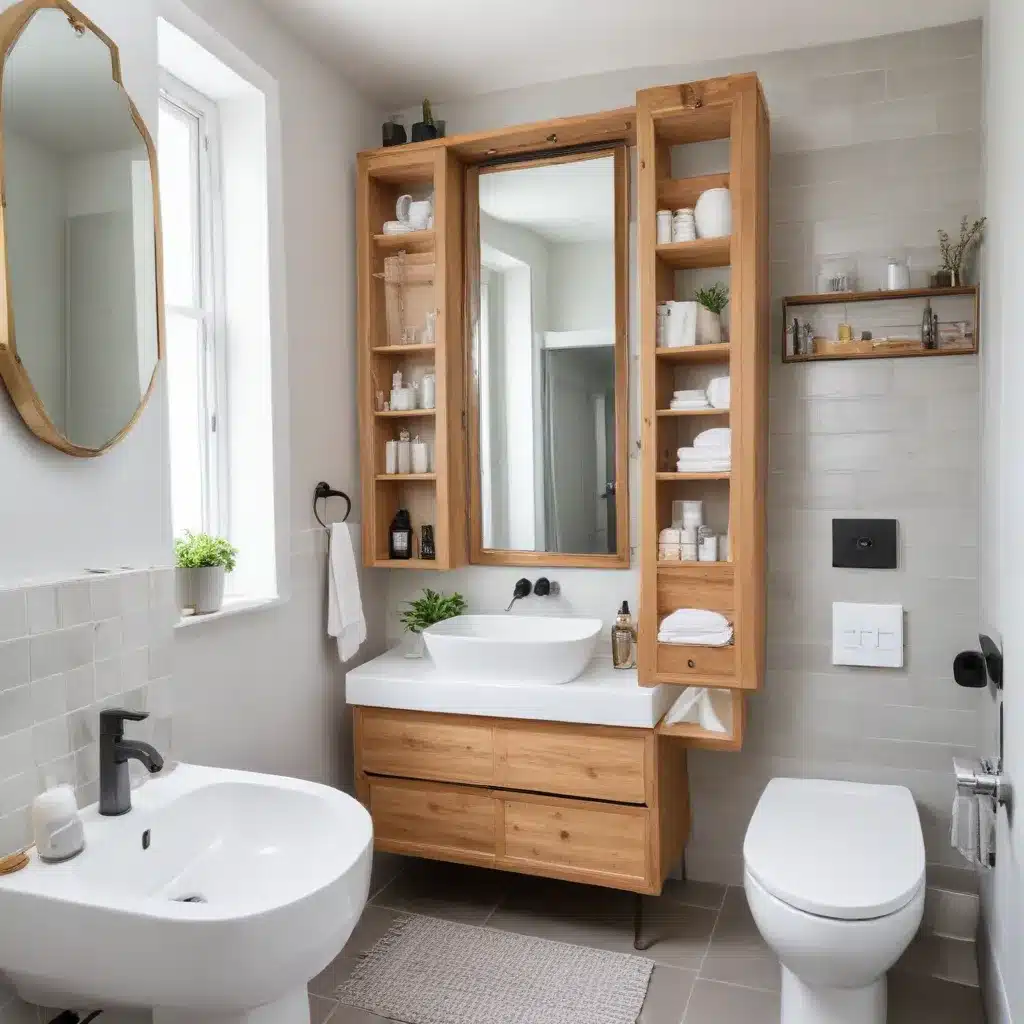
Understanding the Challenges of Small Bathroom Spaces
Compact bathrooms present unique challenges for homeowners and builders alike. In the United Kingdom, where housing stock often includes older properties with limited square footage, maximising the utility of small bathrooms is a common concern. The average UK bathroom measures just 4.4 square metres, according to recent housing surveys. This limited space requires thoughtful planning and innovative solutions to create functional and aesthetically pleasing environments.
Small bathrooms often struggle with issues such as limited storage, cramped shower areas, and a general feeling of confinement. These problems are exacerbated in urban areas like Aberdeen, where property prices push many residents towards smaller living spaces. However, with careful planning and the application of clever design techniques, even the most compact bathrooms can be transformed into efficient and comfortable spaces.
The key to successful small bathroom remodeling lies in understanding the specific constraints of the space and applying targeted solutions. This involves a combination of smart space planning, appropriate fixture selection, and the use of visual tricks to create the illusion of a larger area. By addressing these elements systematically, it’s possible to achieve a bathroom that not only meets practical needs but also enhances the overall value of the property.
Optimising Layout for Maximum Efficiency
Rethinking the Floor Plan
The first step in remodeling a compact bathroom is to reassess the existing layout. Often, simply rearranging the placement of fixtures can dramatically improve the functionality of the space. In the UK, building regulations stipulate minimum distances between fixtures for safety and accessibility. For instance, there must be at least 600mm of clear space in front of the WC pan.
Consider the following strategies for optimising layout:
- Corner installations: Utilising corner spaces for sinks or toilets can free up wall space for other elements.
- Wall-hung fixtures: Mounting toilets and sinks on the wall creates the illusion of more floor space and makes cleaning easier.
- Compact fixtures: Choosing slimline toilets or narrow sinks can save precious centimetres without compromising functionality.
Clever Storage Solutions
Storage is often a primary concern in small bathrooms. Innovative storage solutions can help maintain a clutter-free environment while providing ample space for essentials. Some effective options include:
- Recessed shelving: Building shelves into the wall cavity between studs adds storage without protruding into the room.
- Over-toilet storage: Utilising the space above the toilet with shelving or cabinets maximises vertical space.
- Vanity units with storage: Choosing a vanity that incorporates drawers or cupboards combines the sink area with storage functionality.
Maximising Natural Light
Natural light plays a crucial role in making a small space feel larger and more inviting. Where possible, consider enlarging windows or adding skylights to bring more daylight into the bathroom. However, any changes to windows must comply with UK building regulations, particularly in terms of thermal efficiency and ventilation requirements.
If structural changes are not feasible, consider these alternatives:
- Light tubes: These can channel natural light from the roof into the bathroom without major construction.
- Reflective surfaces: Using mirrors and glossy tiles can help bounce light around the room, enhancing brightness.
- Light-coloured finishes: Opting for lighter colours on walls and floors can make the space feel more open and airy.
Selecting Space-Saving Fixtures and Fittings
Compact Toilets and Bidets
Choosing the right toilet can significantly impact the available space in a small bathroom. Modern compact toilets are designed to fit into tight spaces without sacrificing comfort or functionality. Some options to consider include:
- Short projection toilets: These have a reduced distance from the wall to the front of the bowl, saving valuable floor space.
- Corner toilets: Ideal for utilising awkward corner spaces effectively.
- Combined toilet and bidet units: These offer the functionality of both fixtures in a single unit, perfect for small bathrooms where a separate bidet isn’t feasible.
When selecting toilets, ensure they comply with UK water efficiency standards. As of September 2024, all new toilets must have a maximum flush volume of 6 litres for a full flush and 4 litres for a reduced flush.
Space-Efficient Showers and Baths
In compact bathrooms, the choice between a shower and a bath can be challenging. Consider these space-saving options:
- Shower-bath combinations: These units provide the functionality of both a shower and a bath in the footprint of a standard bathtub.
- Quadrant shower enclosures: These corner units maximise space utilisation while providing a comfortable showering area.
- Wet rooms: By waterproofing the entire bathroom, you can create an open shower area without the need for a separate enclosure.
When installing showers, remember that UK building regulations require a minimum flow rate of 9 litres per minute for electric showers and 8 litres per minute for mixer showers to ensure adequate performance.
Slim-Profile Sinks and Vanities
Choosing the right sink can make a significant difference in a small bathroom. Consider these options:
- Wall-mounted sinks: These create an illusion of more floor space and are easy to clean underneath.
- Corner sinks: Ideal for making use of often-wasted corner spaces.
- Pedestal sinks: These classic designs can make a small bathroom feel more spacious compared to bulky vanity units.
When selecting sinks and vanities, ensure they meet UK water efficiency standards. Look for products with the Water Label, which indicates their water consumption and efficiency rating.
Visual Tricks to Enhance Spaciousness
Colour Schemes and Lighting
The right colour scheme can significantly impact the perceived size of a bathroom. Light colours generally make a space feel larger and more open. Consider the following approaches:
- Monochromatic schemes: Using variations of a single colour can create a cohesive look that doesn’t overwhelm the space.
- Contrasting floor and walls: A darker floor with lighter walls can create depth and the illusion of a larger room.
- Accent colours: Strategic use of bold colours can add interest without making the space feel cramped.
Lighting is equally important in enhancing spaciousness. In addition to maximising natural light, consider these artificial lighting strategies:
- Layered lighting: Combine ambient, task, and accent lighting to create depth and interest.
- Recessed lighting: These fixtures don’t protrude into the room, maintaining clean lines and a sense of openness.
- LED strip lighting: Under-cabinet or along-mirror LED strips can add a modern touch and make the space feel larger.
Clever Use of Mirrors and Glass
Mirrors and glass are powerful tools for creating the illusion of space in small bathrooms. Consider these techniques:
- Full-wall mirrors: Installing a mirror across an entire wall can visually double the perceived size of the room.
- Mirrored cabinet doors: These serve a dual purpose of storage and space enhancement.
- Frameless shower screens: These create a seamless look and don’t visually divide the space like framed screens do.
When using mirrors and glass, ensure they comply with UK safety standards. Toughened safety glass must be used in certain areas of the bathroom to prevent injury in case of breakage.
Tile Selection and Placement
The choice and arrangement of tiles can significantly impact the perceived size of a bathroom. Consider these strategies:
- Large format tiles: These create fewer grout lines, resulting in a cleaner, more spacious look.
- Horizontal tile patterns: Running tiles horizontally can make a room appear wider.
- Continuous flooring: Using the same flooring material throughout the bathroom and into the shower area creates a seamless look that enhances spaciousness.
When selecting tiles, ensure they meet UK slip resistance standards for bathroom use. The Health and Safety Executive recommends a minimum pendulum test value (PTV) of 36 for bathroom floors.
Incorporating Smart Technology for Space Efficiency
Digital Shower Controls
Digital shower systems offer precise temperature and flow control while often requiring less space than traditional mixer valves. These systems can include:
- Wall-mounted control panels: These sleek interfaces take up minimal wall space.
- Preset functions: Customisable settings for different users save time and water.
- Remote activation: Start your shower from your bedroom, allowing it to reach the desired temperature before you enter.
When installing digital shower systems, ensure they comply with UK electrical safety regulations for bathrooms, including proper IP ratings for water resistance.
Smart Storage Solutions
Technology can enhance storage efficiency in small bathrooms. Consider these options:
- Motion-sensor cabinet lighting: This eliminates the need for separate switches and enhances usability.
- Heated towel rails with timers: These can be programmed to warm towels only when needed, saving energy and space.
- Smart mirrors with integrated lighting and demisting: These multifunctional units combine several features in one space-saving device.
Water-Saving Technologies
Incorporating water-saving technologies not only conserves resources but can also lead to more compact fixture designs. Look for:
- Sensor-activated taps: These prevent water waste and can be more compact than traditional taps.
- Dual-flush toilets: These offer water savings and often come in space-saving designs.
- Aerated showerheads: These maintain strong water pressure while using less water, potentially allowing for smaller water heating systems.
Ensure all water-saving devices comply with UK Water Regulations Advisory Scheme (WRAS) approval to guarantee their safety and efficiency.
Maximising Vertical Space
Tall Storage Units
Utilising vertical space is crucial in small bathrooms. Consider these options:
- Floor-to-ceiling cabinets: These maximise storage without taking up floor space.
- Ladder-style shelving: This provides open storage with a minimalist footprint.
- Over-door organisers: These make use of often-overlooked space behind doors.
When installing tall units, ensure they are securely fixed to the wall to comply with UK building safety regulations.
Wall-Mounted Fixtures and Fittings
Wall-mounting fixtures and fittings can free up floor space and create a more open feel. Consider:
- Wall-mounted toilets: These are easier to clean around and create the illusion of more floor space.
- Floating vanities: These provide storage while maintaining an open feel underneath.
- Wall-mounted taps: These can allow for a narrower sink profile, saving precious centimetres.
Ensure all wall-mounted fixtures are installed with appropriate support to meet UK building standards for load-bearing capacity.
Vertical Radiators and Towel Rails
Vertical heating solutions can save space while providing necessary warmth. Options include:
- Tall, narrow radiators: These can fit into tight spaces while providing efficient heating.
- Combined radiator-towel rails: These multifunctional units save space and add convenience.
- Electric towel warmers: These can be installed in areas where plumbing for traditional radiators is challenging.
When selecting heating solutions, consider their energy efficiency ratings to comply with UK building regulations for conservation of fuel and power.
Innovative Materials for Space-Saving Design
Compact Solid Surface Materials
Solid surface materials offer seamless, hygienic solutions that can be moulded into space-saving shapes. Benefits include:
- Integrated sinks: These eliminate joints and create a sleek, continuous surface.
- Custom-shaped countertops: These can be designed to fit unusual spaces perfectly.
- Seamless shower walls: These reduce grout lines and are easier to clean.
Ensure any solid surface materials used in wet areas comply with UK slip resistance standards.
Lightweight, Durable Composites
Modern composite materials can offer strength and durability with reduced thickness, saving valuable space. Consider:
- Thin-profile shower trays: These provide necessary drainage without the bulk of traditional trays.
- Slim-line bath panels: These can shave centimetres off the overall footprint of a bathtub.
- Composite flooring: This can be installed with minimal height build-up, maintaining ceiling height.
When using new materials, ensure they meet UK standards for water resistance and durability in bathroom environments.
Space-Age Plastics and Acrylics
Advanced plastics and acrylics can offer unique design possibilities in small spaces:
- Transparent shower screens: These can make the bathroom feel more open and spacious.
- Lightweight bath and shower enclosures: These are easier to install in tight spaces and on upper floors.
- Moulded storage solutions: These can be custom-designed to fit awkward spaces perfectly.
Ensure all plastic and acrylic materials used in the bathroom meet UK fire safety standards and do not emit harmful chemicals.
Cost-Effective Remodeling Strategies
Prioritising Essential Upgrades
When working with a limited budget, it’s crucial to prioritise upgrades that offer the most impact. Consider:
- Replacing dated fixtures: Updating old taps and showerheads can dramatically improve functionality and aesthetics.
- Refreshing grout and sealant: This cost-effective measure can make tiles look new without full replacement.
- Updating lighting: New light fixtures can transform the ambiance of a small bathroom affordably.
| Upgrade | Estimated Cost (GBP) | Impact |
|---|---|---|
| New taps | 50-200 | High |
| Regrout tiles | 200-500 | Medium |
| LED lighting | 100-300 | High |
DIY vs Professional Installation
While some aspects of bathroom remodeling can be DIY projects, others require professional expertise. Consider:
- DIY-friendly tasks: Painting, installing new hardware, and basic tiling can often be done by homeowners.
- Professional services: Plumbing alterations, electrical work, and structural changes should be handled by certified professionals.
Remember that in the UK, certain bathroom renovations may require building control approval, particularly if they involve changes to drainage or ventilation systems.
Sourcing Materials and Fixtures
Smart sourcing can lead to significant savings:
- Ex-display items: These can offer high-quality fixtures at reduced prices.
- Online marketplaces: Compare prices across multiple retailers for the best deals.
- Local suppliers: Building relationships with local suppliers can lead to discounts and better service.
When sourcing materials, ensure they comply with UK standards and regulations, particularly for water efficiency and electrical safety.
Ensuring Compliance with UK Building Regulations
Ventilation Requirements
Proper ventilation is crucial in small bathrooms to prevent moisture buildup and mould growth. UK building regulations stipulate:
- Mechanical ventilation: Bathrooms must have an extraction rate of at least 15 litres per second with a 15-minute overrun.
- Natural ventilation: A window with an openable area equivalent to at least 1/20th of the floor area is required if not using mechanical ventilation.
Ensure any ventilation solutions are properly sized for the bathroom area and comply with current building standards.
Electrical Safety Zones
Electrical installations in bathrooms must adhere to strict safety zones:
- Zone 0: Inside the bath or shower – no electrical fittings allowed.
- Zone 1: Above the bath or shower to a height of 2.25m – only SELV (Separated Extra Low Voltage) devices allowed.
- Zone 2: Area extending 0.6m outside zone 1 – IPX4 rated fittings required.
All electrical work in bathrooms must be carried out by a qualified electrician and comply with Part P of the Building Regulations.
Water Efficiency Standards
As of September 2024, new bathrooms must meet stringent water efficiency standards:
- WCs: Maximum flush volume of 6 litres for full flush, 4 litres for reduced flush.
- Taps: Maximum flow rate of 6 litres per minute for basin taps.
- Showers: Maximum flow rate of 8 litres per minute for mixer showers.
Ensure all fixtures meet these standards to comply with regulations and promote water conservation.
Future-Proofing Your Bathroom Design
Adaptable Layouts for Changing Needs
When remodeling a small bathroom, consider how needs might change over time:
- Wider doorways: Allow for at least 800mm clear opening width to accommodate potential mobility issues.
- Level-access showers: These can be beneficial for aging in place and add value to the property.
- Reinforced walls: Install additional supports behind walls to allow for future grab bar installation.
Sustainable Materials and Technologies
Incorporating sustainable elements can future-proof your bathroom against rising energy costs and environmental regulations:
- Low-flow fixtures: These save water without compromising performance.
- LED lighting: Energy-efficient lighting reduces electricity consumption.
- Recycled and recyclable materials: These reduce environmental impact and may become more important in future building standards.
Smart Home Integration
Preparing for smart home technology can enhance functionality and efficiency:
- Wiring for smart mirrors: Pre-wire for potential future installation of smart mirrors with integrated displays.
- Smart water leak detectors: These can prevent water damage and conserve resources.
- Programmable underfloor heating: This efficient heating method can be controlled remotely for optimal comfort and energy use.
By considering these future-proofing strategies, your compact bathroom remodel can remain functional and compliant for years to come. For more information on creating efficient and compliant home improvements, visit ABC Home for expert guidance and resources.


