
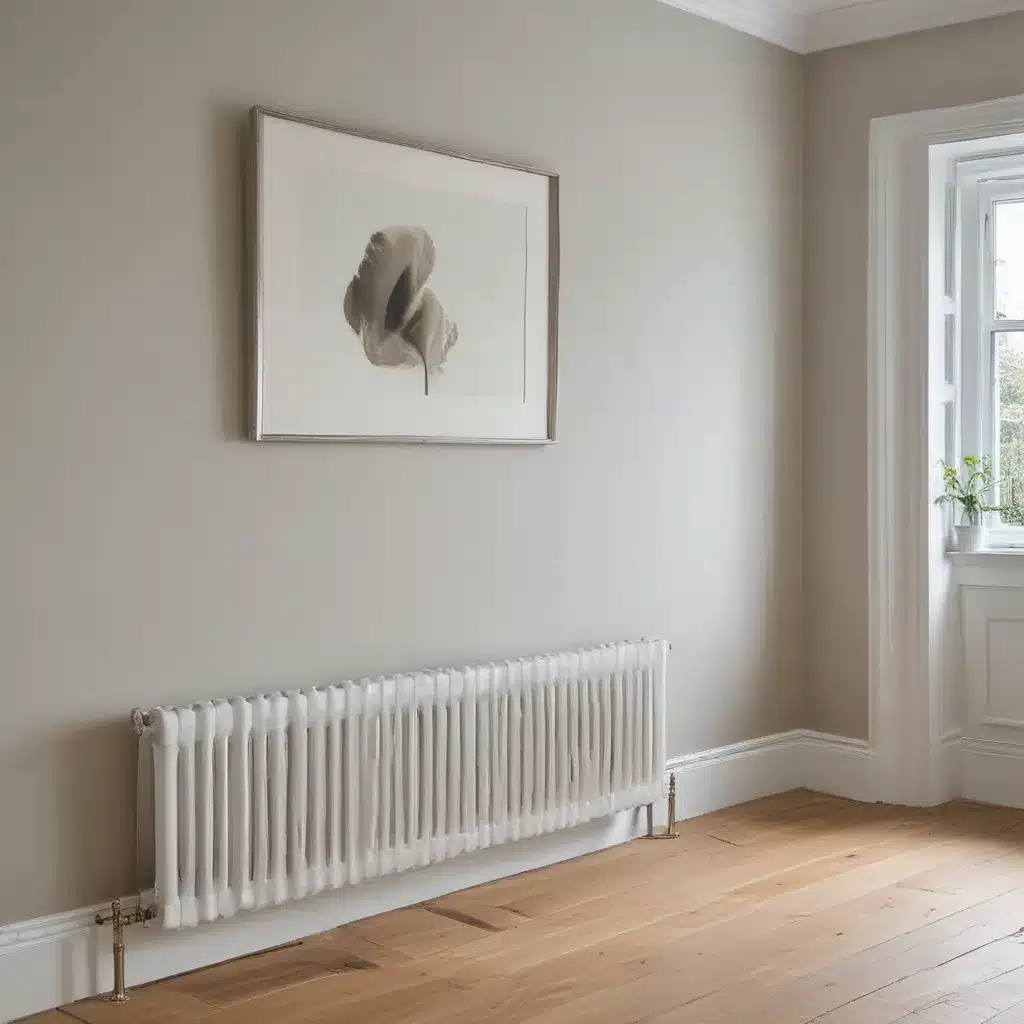
Mastering the Art of Invisible Heating: Innovative Solutions for your Home
As a homeowner in Aberdeen, UK, I’ve always been fascinated by the art of concealing radiators and pipework. It’s a challenge that combines functionality, aesthetics, and a touch of creativity – something I’ve become quite adept at over the years. In this comprehensive guide, I’ll share my secrets, insights, and real-life case studies to help you navigate the world of discreet heating solutions and transform your living spaces.
The Radiator Conundrum: Blending Form and Function
Radiators, while essential for maintaining a comfortable indoor climate, can often be an eyesore in our carefully curated homes. The task of seamlessly integrating these necessary fixtures into our decor can feel like a never-ending battle. However, I’ve discovered a few clever tricks that can help you achieve a harmonious balance between form and function.
One of my favorite approaches is the strategic use of built-in cabinetry. By designing custom enclosures around radiators, you can create a sleek, integrated look that complements your interior design. These enclosures not only conceal the radiator but also provide additional storage or display space, making the most of your available square footage. It’s a win-win situation, where functionality meets aesthetics.
Another ingenious solution I’ve implemented is the incorporation of radiator covers. These versatile accessories come in a wide range of styles, from traditional wooden designs to contemporary metal options. By carefully selecting a cover that echoes the overall aesthetic of your room, you can effectively “hide” the radiator in plain sight, transforming it into a decorative element that enhances your interior.
Pipework Perfection: Masking the Unsightly
Alongside radiators, the ubiquitous presence of pipework can also pose a challenge for homeowners seeking a cohesive, visually pleasing living environment. Whether it’s exposed hot water pipes, unsightly heating ducts, or a tangle of electrical conduits, these functional necessities can quickly become an eyesore.
One of the most effective strategies I’ve employed is the strategic placement of furniture and decor to conceal these unsightly elements. By strategically positioning bookcases, cabinets, or even artfully arranged plants, you can create a natural visual barrier that diverts the eye and seamlessly integrates the pipework into your overall design.
For those seeking a more permanent solution, the installation of false walls or decorative panels can be a game-changer. These custom-built structures allow you to enclose and conceal pipework, transforming an unsightly necessity into a design feature. The beauty of this approach lies in its versatility – you can tailor the panels to complement your existing decor, creating a cohesive and visually appealing result.
Ingenious Hiding Spots: Maximizing Concealment
In my experience, the key to mastering the art of concealing radiators and pipework lies in thinking outside the box. Sometimes, the most ingenious solutions can be found in the most unexpected places.
For instance, I’ve discovered that repurposing existing furniture can be a brilliant way to conceal heating and plumbing elements. By transforming a vintage armoire or an antique sideboard into a custom radiator enclosure, you can not only hide the unsightly fixture but also add a touch of character and charm to your space.
Another clever tactic I’ve employed is the strategic use of architectural features, such as alcoves, niches, or recessed walls. By cleverly integrating radiators or pipes into these existing structures, you can effectively “disappear” them from sight, creating a seamless and visually cohesive environment.
Real-Life Case Studies: Inspiration from Successful Projects
To bring these principles to life, let me share a few real-life case studies that showcase the transformative power of concealing radiators and pipework.
One of my most recent projects involved a Victorian-era townhouse in the heart of Aberdeen. The client, a young professional with an eye for design, wanted to modernize the space while preserving the property’s historic charm. By incorporating custom-built radiator enclosures that echoed the property’s period features, we were able to maintain the room’s elegant ambiance while ensuring a comfortable, cozy atmosphere.
In another instance, I worked with a family in a cozy suburban home who were struggling with the visual clutter of exposed pipes in their open-concept kitchen and living room. By strategically installing decorative panels and cleverly positioning furniture, we were able to conceal the pipework and create a harmonious, visually appealing space that the family could truly enjoy.
Embracing the Challenge: Unlocking your Creative Potential
As a passionate building and renovation expert in Aberdeen, I’ve come to view the challenge of concealing radiators and pipework as an opportunity to unleash my creative potential. It’s a puzzle that requires a keen eye for design, a deep understanding of spatial dynamics, and a willingness to think outside the conventional box.
Throughout my years of experience, I’ve discovered that the most successful concealment solutions often arise from a collaborative process, where the client’s vision and my technical expertise converge. By actively engaging with homeowners, I’m able to understand their unique needs, preferences, and design sensibilities, which in turn allows me to craft bespoke solutions that exceed their expectations.
So, if you’re a homeowner in Aberdeen, UK, grappling with the conundrum of invisible heating and unsightly pipework, I encourage you to embrace the challenge. Together, we can explore the realm of innovative, discreet solutions that will not only enhance the functionality of your home but also elevate its aesthetic appeal, transforming your living spaces into masterpieces of form and function.
Let’s embark on this journey of hidden wonders and unlock the full potential of your home. Reach out to me at ABC Home today, and let’s collaborate on your next concealment masterpiece.


