
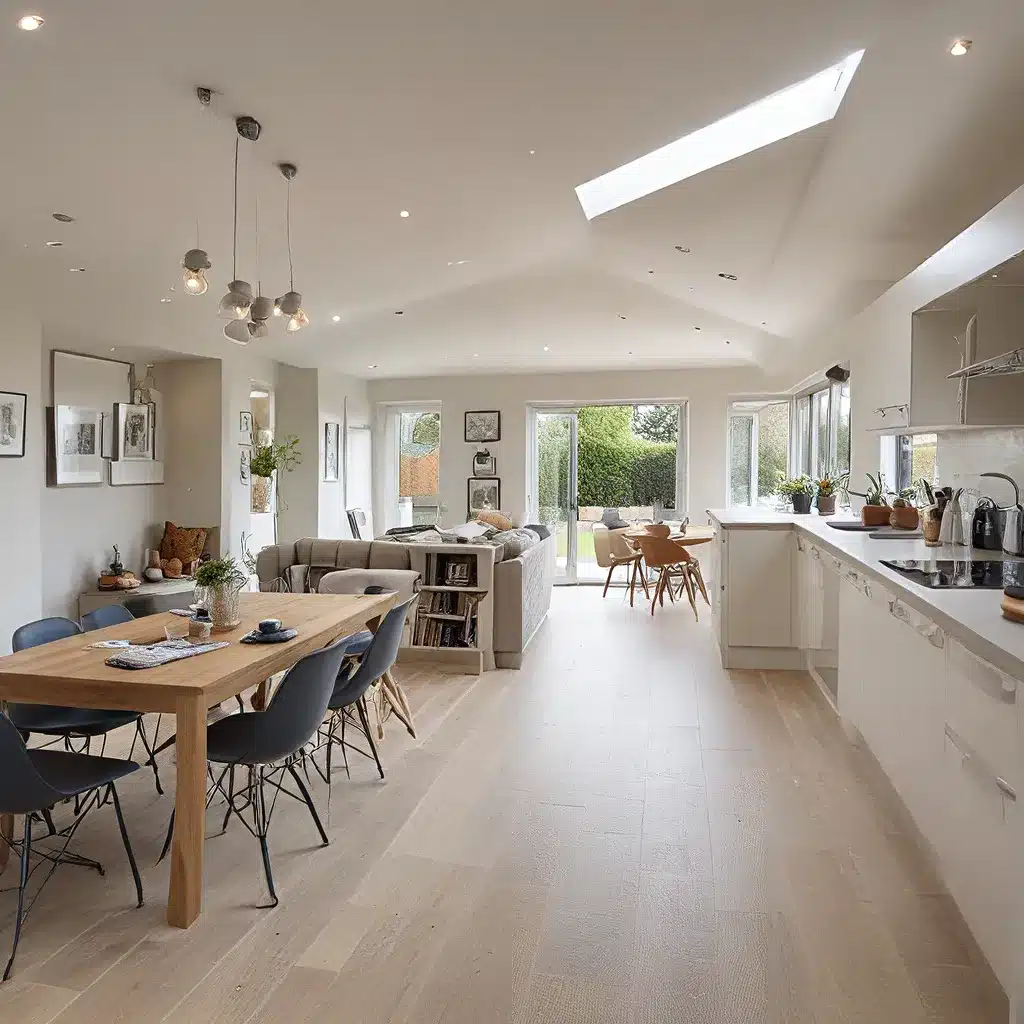
Turning a Blank Canvas into a Beautiful, Multifunctional Home
As I stand in the middle of this expansive, open-plan space, I can’t help but feel a little overwhelmed. The possibilities seem endless, but I know that without a clear plan, this room could quickly descend into a chaotic mess of mismatched furniture and aimless corners. Large spaces can be tricky to tackle – I’ve seen it happen all too often with clients who’ve knocked down walls or built extensions, only to end up with a room that feels cold, impersonal and underutilized.
But I’m determined not to let that happen here. This is the dream home my clients have been waiting for, and with a little creativity and some clever zoning, I know we can transform this blank canvas into a warm, inviting and perfectly tailored living space. After all, what’s the point of having all this square footage if you can’t make the most of it?
Defining the Zones
The first step is to identify the different functions we need to accommodate. Breaking the space down into distinct ‘zones’ is key to creating a cohesive, well-planned room. In this case, we’ve got a kitchen-diner, a living area, and potentially even a home office or kids’ play space to factor in.
It’s important that each zone feels intentional and serves a clear purpose, rather than the whole space feeling muddled and aimless. So we’ll need to use clever design tricks to define and delineate these different areas, without compromising the open, airy feel of the room.
Divided but Cohesive
One of the best ways to achieve this is with a combination of furniture arrangement and strategic use of materials. Shelving units, screens and changes in flooring can all help to break up the space without making it feel closed-off. Even something as simple as positioning the sofa to face away from the dining table can create a natural division.
Of course, we also want to ensure a sense of flow and coherence throughout the room. So while the individual zones will have their own distinct identities, we’ll need to choose finishes, colors and materials that tie everything together. Perhaps we’ll use the same warm, earthy palette across the whole space, or repeat a particular architectural detail like arched doorways. The key is to create harmony without monotony.
Warm and Welcoming
Once we’ve established the overall layout and zoning, it’s time to start layering in the details that will make this space feel like a real home. Textiles, lighting and carefully chosen furniture will all be crucial in adding warmth and coziness.
In the living area, for instance, I envision a large, plush sofa positioned to create an intimate seating zone. Flanking it, a pair of cozy armchairs and a generously-sized coffee table will invite people to sink in and get comfy. Soft throws, patterned cushions and a large, tactile rug will complete the picture, making this the perfect spot for relaxing or entertaining.
Over in the kitchen-diner, we’ll use a combination of pendant lights, wall sconces and under-cabinet task lighting to create a warm, inviting atmosphere. The dining table will be the focal point, surrounded by chairs upholstered in a rich, velvety fabric. And I love the idea of incorporating a built-in bench seat along one wall – it adds an instant sense of coziness while also maximizing the seating.
Multifunctional and Flexible
Of course, in a large open-plan space like this, we also need to think about adaptability and future-proofing. Life changes quickly, and what might work perfectly for a young family today may not suit their needs in a few years’ time.
That’s why I’m keen to incorporate elements of flexibility wherever possible. The home office nook, for instance, could easily transition into a playroom or hobby space as the kids grow. And the modular sofa in the living area means the layout can be rearranged to suit different purposes, whether that’s hosting a dinner party or just curling up for a movie night.
Sliding doors and screens are another brilliant way to add that element of adaptability. They allow us to zone off certain areas when needed, for privacy or to create a more intimate atmosphere, while still maintaining that overall open-plan feel.
Bringing the Outdoors In
Of course, no discussion of open-plan living would be complete without touching on the all-important topic of natural light. Flooding this space with as much sunlight as possible will be essential for creating a bright, airy and welcoming ambience.
That’s why we’ll be maximizing the use of floor-to-ceiling windows and sliding glass doors, allowing the boundaries between indoor and outdoor to blur. We’ll also be sure to echo the colors and textures of the garden through our material choices, blurring those lines even further. Imagine rich, earthy terracotta tiles flowing seamlessly from the kitchen to the patio, or a cluster of lush potted plants framing the dining area.
A Home That Evolves
Ultimately, what I love most about open-plan living is its sheer adaptability. This isn’t just a static floor plan, but a space that can evolve and shift to suit the changing needs of its occupants. Whether it’s a young couple starting out, a busy family, or retirees looking to downsize, this room has the potential to work for everyone.
And that’s the real magic of clever zoning – it allows us to create a home that is both beautifully cohesive and perfectly tailored to the people who live in it. So while this blank canvas may have seemed daunting at first, I can’t wait to see how it all comes together. With a bit of creativity and a whole lot of heart, I know we’re going to transform this space into something truly special.


