
UK Building Regulations and Sustainable Practices
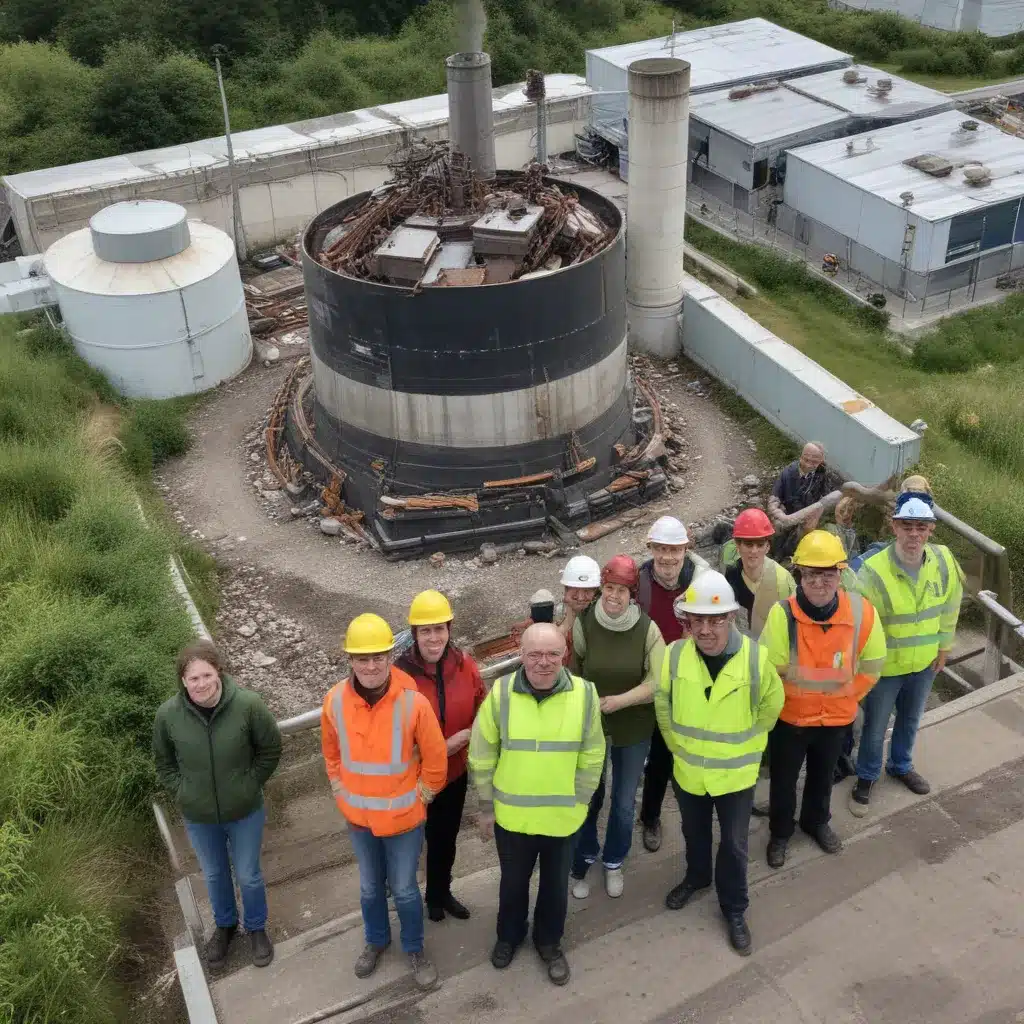
As the UK continues to grapple with the pressing issue of climate change, the construction industry has a crucial role to play in driving sustainable development. In the wake of the recent shutdown of the Aberdeen incinerator, homeowners and builders in the region are faced with new challenges and opportunities when it comes to eco-friendly renovations.
Compliance with UK Building Regulations
The UK’s building regulations are designed to ensure the safety, energy efficiency, and environmental impact of all construction projects. In the post-incinerator era, these regulations have become even more stringent, particularly in areas related to waste management and carbon emissions.
One of the key regulations homeowners and builders must comply with is the Building Regulations 2010, which outlines the minimum requirements for energy performance and sustainable construction. This includes specifications for insulation, ventilation, and the use of renewable energy sources. Failure to adhere to these regulations can result in hefty fines and delays in project completion.
To ensure compliance, it’s essential for homeowners and builders to work closely with local authorities and stay up-to-date with the latest updates to the Building Regulations. This may involve seeking guidance from professional architects, engineers, or energy assessors who can provide expertise on navigating the regulatory landscape.
Transitioning to Sustainable Building Practices
The shutdown of the Aberdeen incinerator has also prompted a renewed focus on sustainable building practices in the region. Homeowners and builders are exploring a range of eco-friendly alternatives to traditional construction methods, with an emphasis on reducing waste, minimizing carbon emissions, and promoting energy efficiency.
One of the key strategies in this transition is the use of sustainable building materials. This can include products like cross-laminated timber (CLT), which offers a low-carbon alternative to concrete and steel, or hempcrete, a versatile material made from the woody core of the hemp plant that provides excellent insulation and thermal mass.
In addition to material selection, builders are also exploring innovative ways to optimize energy efficiency in homes. This may involve the installation of air-source heat pumps, solar photovoltaic panels, or high-performance windows and doors. These technologies not only reduce the environmental impact of a property but also offer long-term cost savings for homeowners through lower energy bills.
Table 1: Comparison of Sustainable Building Materials and Technologies
| Material/Technology | Key Benefits | Estimated Cost (GBP) |
|---|---|---|
| Cross-Laminated Timber (CLT) | – Low carbon footprint – Excellent structural integrity – Faster construction times |
£500-£800 per m² |
| Hempcrete | – High thermal insulation – Moisture-regulating properties – Minimal waste during production |
£150-£300 per m³ |
| Air-Source Heat Pump | – Efficient heating and cooling – Reduced energy consumption – Lower carbon emissions |
£6,000-£12,000 per unit |
| Solar Photovoltaic Panels | – Renewable energy generation – Long lifespan (25+ years) – Potential for energy cost savings |
£4,000-£8,000 per kW |
| High-Performance Windows and Doors | – Improved insulation – Reduced heat loss – Enhanced energy efficiency |
£500-£1,000 per m² |
Cost Considerations and Financing Options
One of the primary concerns for homeowners and builders when it comes to eco-friendly renovations is the associated costs. However, there are a variety of financing options and cost-saving strategies that can help make sustainable home improvements more accessible.
Cost Management Strategies
Careful planning and budgeting are essential when undertaking eco-friendly renovations. Homeowners should carefully evaluate the upfront costs of sustainable materials and technologies, as well as the long-term energy savings and potential increases in property value.
Additionally, homeowners can explore government incentives and grants that are available to support energy-efficient home improvements. In the UK, schemes like the Green Homes Grant and the Renewable Heat Incentive can provide significant financial assistance to help offset the costs of sustainable renovations.
Financing Options
For homeowners who may not have the upfront capital to fund eco-friendly renovations, there are several financing options available. These include:
- Green Mortgages: Lenders in the UK are increasingly offering green mortgages, which provide more favourable terms for properties with high energy-efficiency ratings.
- Home Improvement Loans: Homeowners can access low-interest loans specifically designed for home upgrades, including energy-efficient measures.
- Crowdfunding and Community Investment: Some communities in the UK have launched crowdfunding campaigns or cooperative investment schemes to support sustainable home improvements.
By exploring these financing options and cost-saving strategies, homeowners and builders can make eco-friendly renovations more feasible and accessible, ultimately contributing to a greener and more sustainable built environment in the Aberdeen region.
Transitioning to a Post-Incinerator Future
The shutdown of the Aberdeen incinerator has presented both challenges and opportunities for the local community. As the region moves forward, there is a growing emphasis on embracing sustainable waste management practices and promoting a circular economy.
Waste Management Strategies
With the incinerator no longer operational, homeowners and builders in Aberdeen must adapt their waste management practices to comply with new regulations and support the transition to a more sustainable future.
One key strategy is the implementation of on-site waste sorting and recycling, which can help divert a significant portion of construction and demolition waste from landfills. This may involve the installation of dedicated waste storage areas, the use of specialized recycling containers, and the engagement of certified waste management service providers.
Additionally, homeowners and builders are exploring alternative waste disposal methods, such as anaerobic digestion or mechanical biological treatment, which can convert organic waste into renewable energy or useful byproducts.
Promoting a Circular Economy
The closure of the Aberdeen incinerator has also sparked a renewed focus on the principles of the circular economy, which aims to eliminate waste and keep materials in use for as long as possible.
In the construction industry, this may involve the repurposing or upcycling of building materials, the use of modular or prefabricated components, and the implementation of take-back schemes for certain products. By embracing these circular economy practices, homeowners and builders can reduce their environmental impact, conserve natural resources, and contribute to a more sustainable future.
To support this transition, local authorities and industry stakeholders in Aberdeen are working to develop educational programs, training initiatives, and regulatory frameworks that will help homeowners and builders navigate the complexities of sustainable construction and waste management.
Conclusion
The shutdown of the Aberdeen incinerator has presented both challenges and opportunities for homeowners and builders in the region. By embracing sustainable building practices, exploring innovative financing options, and adapting to new waste management strategies, the construction industry in Aberdeen can play a pivotal role in driving the transition to a more environmentally-conscious and resilient built environment.
Through proactive engagement with local authorities, the adoption of energy-efficient technologies, and a commitment to circular economy principles, the Aberdeen community can unlock the full potential of eco-friendly renovations, ultimately contributing to a greener, more sustainable future. For more information on sustainable home improvements, visit the ABC Home website.


