
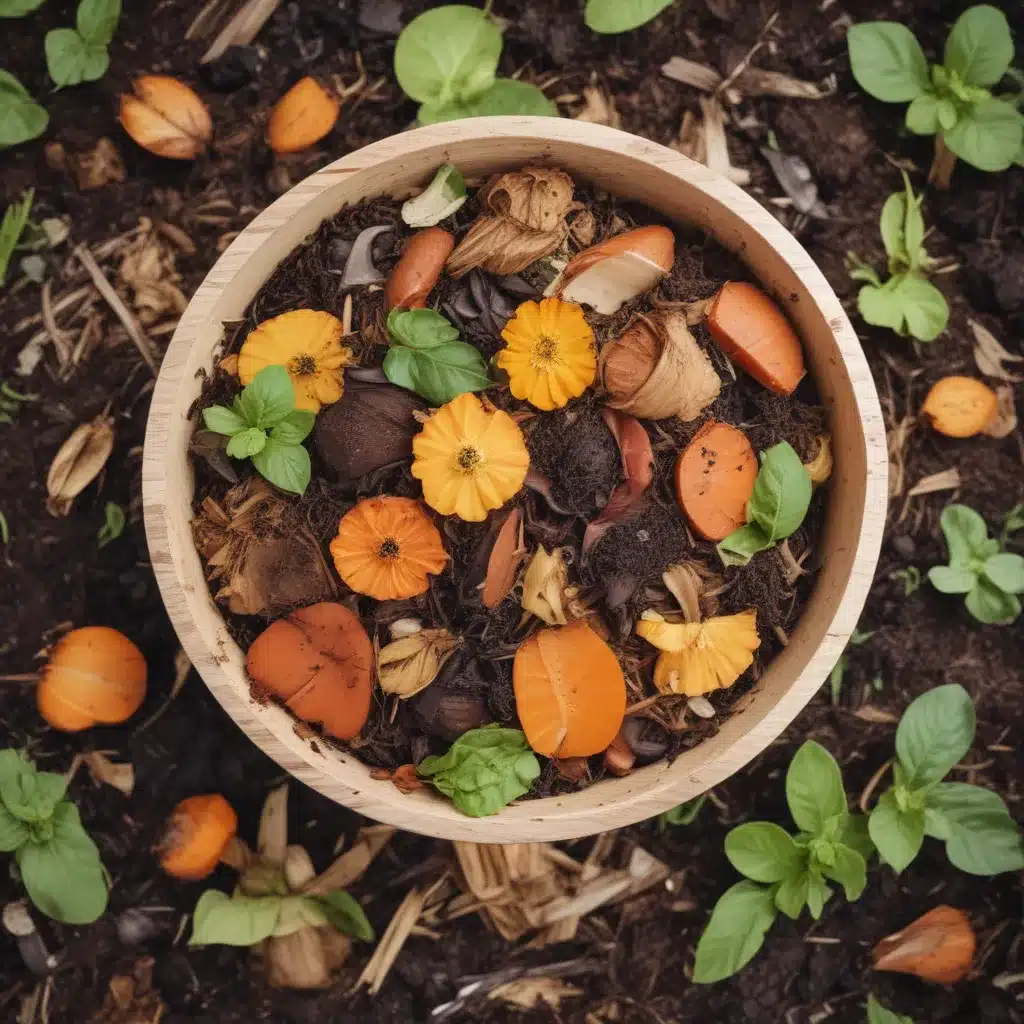
The Tragedy of Food Waste
You know, I used to think that taking out the trash was a pretty straightforward task. Toss in the leftovers, wheel the bin to the curb, and voila – problem solved. But as I learned more about the dire impacts of food waste, I realized that there’s a whole lot more to it than meets the eye.
Let me paint you a picture. Imagine an endless conveyor belt, constantly replenished with heaping piles of perfectly good food. This food, mind you, isn’t rotten or spoiled – it’s the same stuff you and I put on our plates every day. But instead of ending up in our bellies, it’s careening towards the landfill.
Now, you might be thinking, “So what? It’s just food waste. How bad can it really be?” Well, my friend, let me tell you – the consequences of all that wasted food are downright staggering.
For starters, think about all the resources that go into producing the food in the first place. The land, the water, the energy, the labor – it all gets squandered when that perfectly edible grub ends up in the trash. And let’s not forget the greenhouse gas emissions that come from all that rotting organic matter in the landfill. It’s a recipe for environmental disaster.
But the impact doesn’t stop there. Food waste also has a huge financial cost, both for households and for businesses. Imagine all the money you’ve spent on groceries that ended up in the garbage. Ouch. And for companies in the food industry, those losses can really add up, putting a serious dent in their bottom line.
So, what’s the solution? Well, my friend, that’s where composting comes into play. By turning our food scraps into rich, nutrient-dense soil, we can not only reduce the amount of waste going to landfills, but also give back to the Earth in a big way. It’s a win-win situation if I ever saw one.
The Wonders of Composting
Now, I know what you’re thinking – composting sounds like a whole lot of work, right? Well, let me assure you, it’s not nearly as complicated as you might think. In fact, it can be downright rewarding.
Imagine this: instead of tossing those banana peels and apple cores into the trash, you’re giving them a second life as rich, fertile soil. That’s the beauty of composting – it takes something that would otherwise be waste and turns it into a valuable resource.
And the best part? It’s not just good for the environment, it’s good for your garden too. That nutrient-dense compost can work wonders for your plants, helping them grow stronger, healthier, and more vibrant. It’s like a spa day for your veggies, if you will.
But don’t just take my word for it. Let’s dive into the nitty-gritty details of how composting works and why it’s such a game-changer.
The Science Behind Composting
At its core, composting is a simple process of decomposition. It’s all about creating the perfect conditions for those tiny little microorganisms to work their magic, breaking down organic matter and transforming it into a nutrient-rich soil amendment.
The key ingredients? Carbon-rich “brown” materials like dried leaves, shredded paper, and, of course, those food scraps you’ve been collecting. Mix that in with some nitrogen-rich “green” materials like grass clippings or coffee grounds, and you’ve got the perfect recipe for compost success.
But it’s not just about the right ingredients – temperature, moisture, and aeration are also crucial factors. The microbes that do all the hard work thrive in a warm, moist environment with plenty of oxygen. That’s why it’s important to keep your compost pile or bin properly maintained, turning and watering it as needed.
And the best part? You don’t need a fancy setup to get started. Even a simple backyard bin or a designated corner of your garden can do the trick. It’s all about finding what works best for your space and your lifestyle.
The Benefits of Composting
Okay, so we’ve covered the basics of how composting works. But what’s really in it for you? Well, my friend, the list of benefits is a long and impressive one.
First and foremost, there’s the environmental impact. By diverting food scraps and other organic waste from landfills, you’re reducing the amount of methane and other greenhouse gases that get released into the atmosphere. That’s a big win for the planet, and it’s something we can all feel good about.
But the benefits don’t stop there. Composting can also save you money on your utility bills. Think about it – the less trash you have to haul to the curb, the lower your waste management fees will be. And that’s not to mention the money you’ll save on fertilizers and soil amendments for your garden.
And speaking of your garden, that’s where the real magic happens. When you incorporate that nutrient-rich compost into your soil, you’re giving your plants a major boost. They’ll be able to absorb more nutrients, fend off pests and diseases, and generally just thrive in a way that store-bought fertilizers can’t quite match.
But the benefits don’t stop there. Composting can also be a great way to build community and connect with your neighbors. Imagine sharing tips and tricks, or even swapping finished compost for other gardening goodies. It’s a whole new way to get involved and make a difference, one backyard at a time.
Composting in Action
Okay, so we’ve covered the why and the how of composting. But what does it look like in the real world? Well, let me tell you a story that just might inspire you to get your hands dirty.
Picture this: a small urban farm in the heart of Aberdeen, bustling with activity. The owner, a passionate gardener named Emma, has made composting a central part of her operation. Every day, she and her team collect food scraps from local businesses and residents, carefully layering them with other organic materials to create the perfect compost mix.
But Emma’s not just about the end result – she’s all about the journey too. She loves teaching workshops and hosting community composting days, where people can come and learn the ins and outs of this magical process. And let me tell you, the look of wonder on people’s faces when they see that rich, dark soil is just priceless.
And the benefits of Emma’s composting efforts? They’re far-reaching and undeniable. Not only has she diverted tons of food waste from the local landfill, but she’s also managed to create a thriving oasis of green in the heart of the city. Her urban garden is a testament to the power of composting, with lush vegetables, vibrant flowers, and even a few happy chickens clucking away.
But Emma’s story is just the tip of the iceberg. All across Aberdeen, and indeed the UK, there are people and organizations doing their part to turn food waste into black gold. From community gardens to municipal composting programs, the movement is gaining momentum, and the results are nothing short of inspiring.
Getting Started with Composting
So, you’re sold on the idea of composting, but you’re not sure where to start. Well, my friend, you’re in luck – I’ve got all the tips and tricks you need to get your very own compost operation up and running.
First things first, you’ll need to decide on the right composting system for your needs. Do you have a spacious backyard that can accommodate a full-sized compost bin? Or are you working with a smaller urban space, where a countertop compost collector might be more practical?
Once you’ve got your setup sorted, it’s time to start collecting those food scraps. Remember, the key is to aim for a good balance of carbon-rich and nitrogen-rich materials. That means saving your fruit and veggie peels, coffee grounds, and eggshells, as well as any dried leaves, shredded paper, or even dryer lint you can get your hands on.
And when it comes to maintaining your compost pile, the secret is to keep it just the right level of moist and aerated. Give it a good stir every now and then, and keep an eye on the temperature – you want it to be warm, but not too hot.
Of course, the real fun starts when it’s time to put that finished compost to use. Whether you’re amending your garden beds, topping up your potting soil, or even creating your own custom seed-starting mix, the possibilities are endless. Just imagine the joy of watching your plants thrive, all thanks to the magical power of your very own compost.
But the benefits of composting don’t end there. By taking that first step and diverting your food scraps from the landfill, you’re making a real difference in the fight against climate change. And who knows, you might just inspire your friends and neighbors to join the movement too. After all, when it comes to building a more sustainable future, every little bit counts.
So, what are you waiting for? Grab a bucket, gather your food scraps, and get ready to embark on an exciting composting adventure. Trust me, your plants (and the planet) will thank you.
Conclusion: The Compost Revolution
As I look back on my journey into the world of composting, I can’t help but feel a sense of awe and wonder. What started as a simple task of taking out the trash has become a passion that has truly transformed the way I think about waste, gardening, and our impact on the environment.
It’s amazing to see how something as simple as turning food scraps into rich, fertile soil can have such far-reaching consequences. From reducing greenhouse gas emissions to supporting local food production, the benefits of composting are truly staggering.
But the beauty of it all is that it’s not just about the big picture. Composting is also a deeply personal and rewarding experience. There’s something incredibly satisfying about watching that pile of organic matter transform into a nutrient-dense soil amendment, ready to nourish your plants and your soul.
And as I’ve learned, the compost revolution isn’t just happening in my backyard – it’s a movement that’s sweeping across Aberdeen, the UK, and beyond. Every time I see a community garden flourishing or a municipal composting program taking root, I can’t help but feel a sense of hope and optimism for the future.
So, if you’re reading this and feeling inspired to start your own composting journey, I say go for it! Dive in, get your hands dirty, and become a part of the solution. Who knows, you might just end up changing the world, one shovelful of compost at a time.
At the end of the day, composting is more than just a way to reduce waste – it’s a way of life. It’s a reminder that we all have the power to make a difference, no matter how small our actions may seem. So let’s get out there, get creative, and show the world what a little compost can do.


