
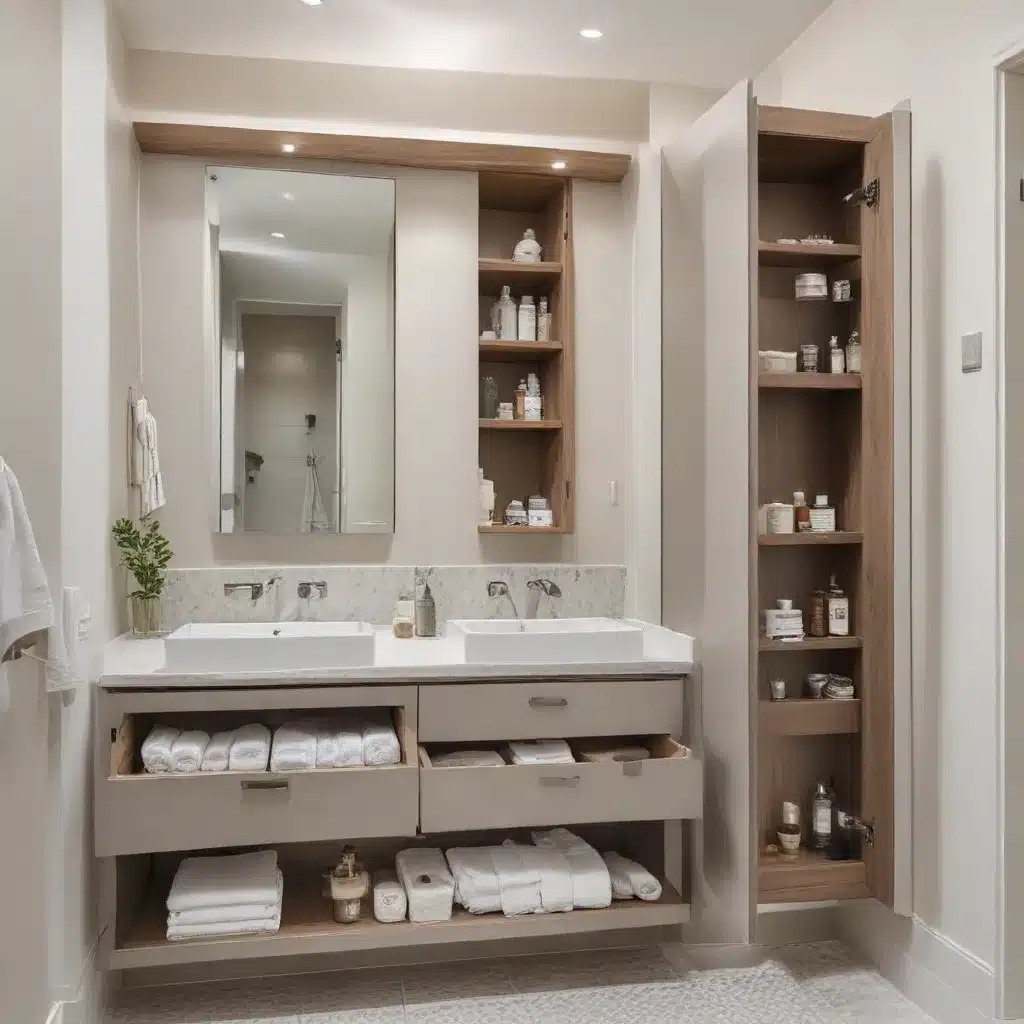
Maximizing Space and Style: The Art of Recessed Cabinets
When it comes to bathroom design in the UK, finding the perfect balance between functionality and aesthetics can be a delicate dance. One of the key considerations is the incorporation of storage solutions that seamlessly integrate with the overall look and feel of the space. Recessed cabinets have emerged as a popular choice, offering a practical and visually appealing solution for bathroom organization.
In the UK, building regulations play a crucial role in ensuring that bathroom renovations meet safety standards and comply with specific requirements. Understanding these regulations is essential for both homeowners and contractors, as they can impact the design, installation, and long-term performance of bathroom fixtures and fittings.
Compliance with UK Building Regulations
The Building Regulations 2010 in the UK provide a set of standards that must be met when undertaking any building or renovation work, including bathroom projects. These regulations cover a wide range of areas, such as:
- Accessibility: Ensuring that the bathroom design is inclusive and accommodates the needs of individuals with disabilities or mobility challenges.
- Ventilation: Addressing the importance of proper ventilation to prevent the buildup of moisture and the potential for mold growth.
- Electrical Safety: Establishing guidelines for the safe installation of electrical components, such as lighting and heated towel rails.
- Water Efficiency: Promoting the use of water-efficient fixtures and fittings to conserve this valuable resource.
- Structural Integrity: Ensuring that any structural changes, such as the installation of recessed cabinets, do not compromise the overall stability of the bathroom.
Adhering to these regulations not only safeguards the well-being of the occupants but also minimizes the risk of costly repairs or legal issues down the line. Consulting with a qualified building professional or a local authority can help homeowners navigate the complexities of the building regulations and ensure a smooth and compliant renovation process.
The Advantages of Recessed Cabinets
Recessed cabinets, also known as concealed cabinets, offer a range of benefits that make them a popular choice for bathroom renovations in the UK:
- Space-Saving Design: By recessing the cabinet into the wall, you can maximize the available floor space in the bathroom, creating a more open and uncluttered appearance.
- Seamless Integration: Recessed cabinets blend seamlessly with the surrounding walls, providing a streamlined and visually appealing look that can complement a variety of design styles, from traditional to contemporary.
- Improved Accessibility: The recessed placement of the cabinet puts everyday items within easy reach, making it convenient for users to access their personal care products and toiletries.
- Enhanced Storage Capacity: Recessed cabinets can provide ample storage space while maintaining a clean and organized appearance, helping to eliminate clutter on the vanity or countertop.
- Compliance with Regulations: When installed correctly, recessed cabinets can comply with UK building regulations, such as accessibility requirements and electrical safety standards.
Cost Considerations and Budget Planning
Incorporating recessed cabinets into a bathroom renovation project can have a significant impact on the overall budget. Factors that can influence the cost include:
- Cabinet Size and Design: The dimensions and style of the recessed cabinet, as well as the materials used, can affect the price. Customized or high-end options may be more expensive than standard, off-the-shelf models.
- Installation Complexity: The level of complexity involved in the installation process can vary depending on the existing wall structure, the need for electrical or plumbing work, and the skill of the contractor.
- Regulatory Compliance: Ensuring that the recessed cabinet installation adheres to UK building regulations may require additional planning, inspections, and potential modifications, which can add to the overall cost.
To manage the budget effectively, it’s recommended to obtain multiple quotes from reputable contractors and consider the long-term benefits of investing in a high-quality recessed cabinet solution. Additionally, exploring cost-saving options, such as using standard cabinet sizes or opting for more affordable materials, can help homeowners find the right balance between functionality, aesthetics, and budgetary constraints.
Sustainable Bathroom Design: Embracing Eco-Friendly Practices
As environmental awareness continues to grow, the demand for sustainable bathroom design has become increasingly prominent in the UK. Homeowners and contractors alike are recognizing the importance of incorporating eco-friendly practices and materials into their renovation projects, with the goal of reducing the environmental impact and promoting long-term sustainability.
Energy-Efficient Fixtures and Fittings
One of the key aspects of sustainable bathroom design is the selection of energy-efficient fixtures and fittings. This includes:
- Water-Saving Showerheads and Taps: Choosing models that meet the Water Label Scheme standards, which rate the water efficiency of bathroom products, can help to reduce water consumption and lower utility bills.
- LED Lighting: Replacing traditional lighting with energy-efficient LED bulbs can significantly reduce the bathroom’s energy usage while providing a sleek and modern aesthetic.
- Heated Towel Rails: Opt for energy-efficient heated towel rails that feature timers or adjustable temperature controls to minimize energy consumption.
By incorporating these eco-friendly components, homeowners can not only lower their environmental footprint but also enjoy ongoing cost savings on their utility bills.
Sustainable Building Materials
When it comes to the materials used in bathroom renovations, sustainability is a key consideration. In the UK, homeowners and contractors are increasingly turning to:
- Natural Stone: Materials like marble, granite, and limestone offer a timeless and durable option that can be sourced from local or responsibly managed quarries.
- Bamboo: This fast-growing, renewable resource is becoming a popular choice for vanity tops, flooring, and even cabinetry, providing a stylish and environmentally friendly alternative to traditional wood.
- Recycled Glass: Tiles and countertops made from recycled glass can add a unique, eco-conscious touch to the bathroom while diverting waste from landfills.
- Reclaimed Wood: Incorporating reclaimed or salvaged wood into the design, such as for shelving or accent walls, can provide a rustic and sustainable aesthetic.
By prioritizing the use of these sustainable materials, homeowners can contribute to a more environmentally responsible renovation process and create a bathroom that aligns with their personal values and the broader sustainability goals in the UK.
Water Conservation and Waste Management
Beyond the selection of energy-efficient fixtures and sustainable building materials, there are additional considerations in the realm of water conservation and waste management that can enhance the sustainability of a bathroom renovation project:
- Greywater Systems: Incorporating a greywater system that recycles water from the sink, shower, or bath for use in toilet flushing or landscape irrigation can significantly reduce the overall water consumption.
- Efficient Toilets: Choosing high-efficiency or dual-flush toilets that meet the Water Label Scheme standards can contribute to water savings and align with UK sustainability goals.
- Waste Reduction: Implementing smart waste management practices, such as providing separate bins for recyclables and compostable items, can minimize the amount of bathroom-related waste sent to landfills.
By addressing these water-conscious and waste-reduction strategies, homeowners can further enhance the environmental impact of their bathroom renovation and demonstrate a commitment to sustainable living in the UK.
Conclusion
Navigating the world of bathroom renovations in the UK requires a careful balance between compliance with building regulations, the incorporation of practical storage solutions, and the embrace of sustainable design practices. Recessed cabinets have emerged as a popular choice, offering a space-saving and visually appealing solution that can seamlessly integrate with a variety of design styles.
When planning a bathroom renovation project, it’s essential to familiarize yourself with the relevant UK building regulations, ensuring that the design and installation process adhere to safety standards and accessibility requirements. By understanding these regulations, homeowners and contractors can avoid costly missteps and create a bathroom that is not only beautiful but also safe and compliant.
Furthermore, the growing emphasis on sustainability in the UK has led to an increased demand for eco-friendly bathroom design. From energy-efficient fixtures and sustainable building materials to water conservation strategies, there are numerous opportunities to incorporate green practices that can reduce the environmental impact of a renovation project while also providing long-term cost savings.
By carefully balancing these considerations and working with reputable professionals, homeowners in the UK can transform their bathrooms into functional, stylish, and environmentally responsible spaces that meet their personal needs and align with the broader sustainability goals of the region. For more information on bathroom fitting services that can help you navigate this process, be sure to visit the ABC Home website.


