
The Importance of Accessibility in Home Design
As someone who has been in the building and renovation industry for over a decade, I can say with certainty that accessibility is a critical consideration that should be at the forefront of every design project. After all, a home is meant to be a sanctuary, a place where we can feel safe, comfortable, and, well, at home. And for that to be the case, it needs to be accessible to all.
You see, accessibility isn’t just about ticking a box or meeting some arbitrary standard. It’s about ensuring that every single person who steps foot in a home, regardless of their age, ability, or mobility, can navigate it with ease and comfort. It’s about creating spaces that are inclusive, welcoming, and designed with the needs of the end-user in mind.
Think about it – have you ever tried to carry a heavy load up a flight of stairs? Or navigated a narrow hallway with a walker? Or struggled to reach a high shelf? These are the kinds of daily challenges that many people face, and they can make a person’s own home feel like a maze of obstacles. And that’s just not right.
That’s why, when it comes to home design and renovation, I always advise my clients to prioritize accessibility. It’s not just about creating a more inclusive space – it’s about future-proofing your investment and ensuring that your home can adapt and grow with you over time.
Designing for Lifetime Homes Compliance
Now, you might be wondering, “What exactly is Lifetime Homes compliance, and why should I care?” Well, let me break it down for you.
Lifetime Homes is a set of design criteria that aims to make homes more accessible and adaptable for people of all ages and abilities. The idea is that a Lifetime Home should be able to accommodate the changing needs of its occupants throughout their lifetime – from the young and agile to the elderly and less mobile.
The Lifetime Homes standard covers a range of design elements, from the width of doorways and hallways to the placement of light switches and power sockets. It’s all about creating a living environment that is flexible, user-friendly, and, most importantly, accessible.
But why should you, as a homeowner or renovator, care about Lifetime Homes compliance? Well, for starters, it can help you future-proof your investment. By designing your home with accessibility in mind, you’re essentially creating a space that can adapt and evolve as your needs change over time. This can not only improve your own quality of life but also increase the resale value of your property down the line.
Moreover, Lifetime Homes compliance is often a requirement for certain types of funding or planning permission. So, if you’re planning a major renovation or building a new home from scratch, you’ll need to make sure your design meets the necessary accessibility standards.
Incorporating Accessibility Features into Your Design
Now that we’ve established the importance of accessibility and Lifetime Homes compliance, let’s talk about how you can actually incorporate these design elements into your project.
First and foremost, it’s crucial to start with a thorough assessment of your existing space or the proposed layout of your new home. This means carefully considering the needs of all potential occupants, from young children to elderly relatives with mobility challenges.
For example, you might want to think about the width of doorways and hallways, ensuring they’re wide enough to accommodate a wheelchair or walker. You could also consider the placement of light switches and power sockets, making sure they’re within easy reach for people of all heights.
Another important consideration is the inclusion of accessible bathrooms and kitchens. This might mean installing wider doors, lower countertops, and grab bars near the toilet and shower. It could also involve incorporating features like lever-style faucets and pull-out shelves in the kitchen.
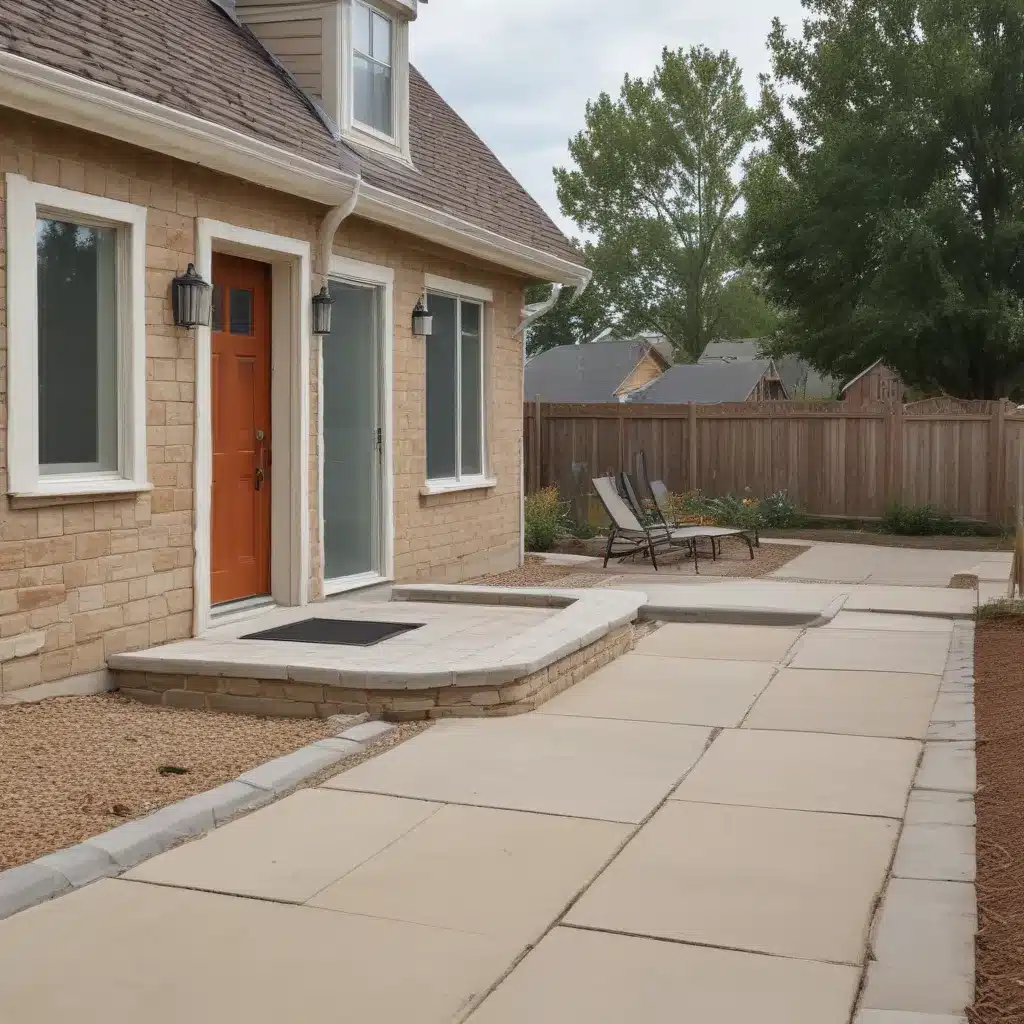
And let’s not forget about the outdoor areas of your home. Accessible pathways, gentle slopes, and even ramps can make a world of difference for those with mobility challenges.
Real-Life Examples of Accessible Home Design
To help illustrate the principles of accessible home design, let me share a couple of real-life examples that I’ve encountered in my work.
One of my clients was an elderly couple who had recently downsized to a smaller home. They wanted to ensure that their new space would be comfortable and safe for them as they grew older. So, we worked together to incorporate a range of accessibility features, including wide hallways, zero-threshold entries, and a fully accessible bathroom with a walk-in shower.
Another project involved a young family with a child who uses a wheelchair. In this case, we focused on creating an open, navigable floor plan, with ample room for the wheelchair to maneuver. We also installed adjustable-height countertops in the kitchen and lowered light switches and electrical outlets throughout the home.
The common thread in both of these examples is that the design process was tailored to the specific needs of the occupants. It wasn’t about ticking boxes or following a one-size-fits-all approach – it was about creating a living environment that truly empowered and enabled the people who would be calling it home.
Balancing Accessibility and Aesthetics
Now, I know what you might be thinking: “Okay, this all sounds great, but what about the aesthetics? Surely, all this accessibility stuff is going to make my home look like a hospital!” Well, I’m here to tell you that’s not necessarily the case.
In fact, one of the most rewarding aspects of my job is finding ways to seamlessly integrate accessibility features into a home’s overall design. It’s about striking the right balance between form and function, ensuring that your space not only meets the necessary standards but also reflects your personal style and preferences.
Take, for example, the placement of grab bars in the bathroom. Instead of opting for the standard, institutional-looking models, you could choose sleek, modern designs that complement the rest of your decor. Or, when it comes to widening doorways, you could explore creative solutions like pocket doors or sliding barn-style entryways that add a touch of visual interest to your home.
The key is to work closely with your designer or renovation team to explore all the possibilities. Don’t be afraid to get creative and think outside the box – after all, accessibility and aesthetics don’t have to be mutually exclusive.
The Benefits of Accessible Design
Now, I’ve waxed poetic about the importance of accessibility and Lifetime Homes compliance, but I haven’t really delved into the tangible benefits of these design principles. So, let me break it down for you.
First and foremost, accessible home design can dramatically improve the quality of life for the occupants. By creating a living environment that is truly inclusive and user-friendly, you’re empowering people of all ages and abilities to live with independence, dignity, and comfort.
But the benefits don’t stop there. Accessible homes can also be more attractive to a wider range of potential buyers, should you decide to sell in the future. After all, as our population continues to age, the demand for adaptable, mobility-friendly living spaces is only going to grow.
And let’s not forget the potential cost savings. By incorporating accessibility features upfront, you’re potentially avoiding the need for expensive retrofits or modifications down the line. It’s a smart, future-proofing investment that can pay dividends for years to come.
Conclusion: Embrace Accessibility, Elevate Your Home
As you can probably tell, I’m a true believer in the power of accessible home design. It’s not just about ticking boxes or meeting standards – it’s about creating living spaces that truly enrich the lives of the people who call them home.
So, if you’re embarking on a building or renovation project, I urge you to make accessibility a top priority. Embrace the principles of Lifetime Homes compliance, explore the endless possibilities of integrating accessibility features, and let your creativity shine. After all, your home should be a sanctuary for all – a place where everyone can feel welcomed, supported, and, most importantly, at home.
And who knows, maybe along the way, you’ll even discover some unexpected design gems that make your space even more beautiful and functional. After all, the best homes are the ones that are tailored to the unique needs and preferences of their occupants.
So, what are you waiting for? Let’s get started on creating the accessible, future-proof home of your dreams! Visit our website to learn more about our building and renovation services and how we can help you bring your vision to life.


