
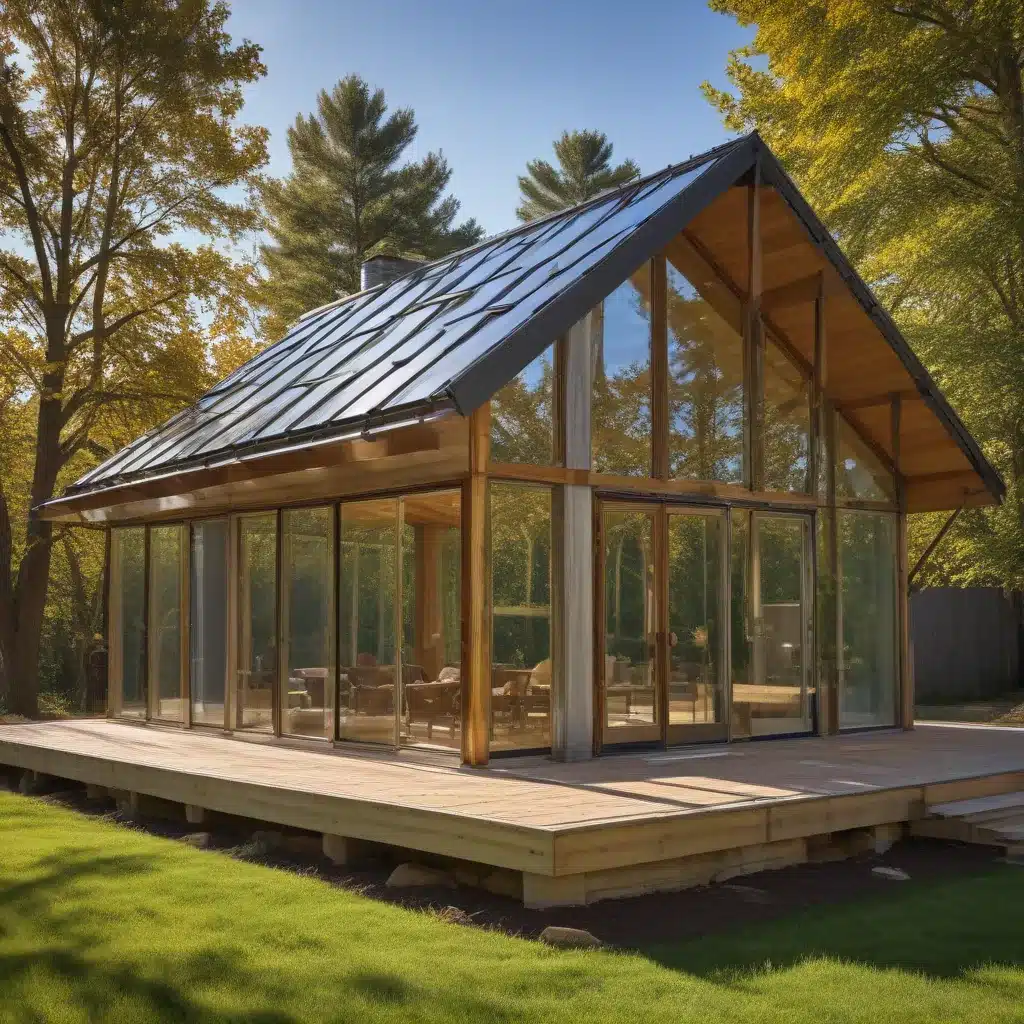
Harnessing the Power of the Sun: My Journey Towards Sustainable Living
As the founder of ABC Home, a building and renovation company based in Aberdeen, UK, I’ve always been passionate about incorporating sustainable design principles into our projects. And let me tell you, there’s nothing quite like the allure of passive solar homes to get my creative juices flowing.
You see, I was never one for following the crowd. While most people were content with the same old brick-and-mortar constructions, I was determined to explore the untapped potential of the sun’s rays. It all started when I stumbled upon a research paper detailing the benefits of passive solar design. The concept was like a lightning bolt to my brain – why hadn’t I thought of this sooner?
Passive solar homes, I soon learned, are designed to harness the sun’s energy to heat and cool the living space, reducing the need for conventional energy sources. And trust me, in the often chilly and overcast climate of Aberdeen, this is a game-changer. Imagine a home that stays cozy and comfortable, all while cutting down on your energy bills? Sign me up!
Laying the Foundation: Understanding Passive Solar Design
Alright, let’s dive a little deeper into the nitty-gritty of passive solar design, shall we? The key principle is simple: strategically position the home to maximize solar gain during the colder months, while minimizing it during the warmer ones.
This is achieved through a careful consideration of the home’s orientation, window placement, and the use of thermal mass materials. For example, by orienting the home’s main living spaces towards the south, we can ensure that the sun’s rays penetrate deep into the interior, providing natural warmth. And by incorporating large south-facing windows, we can further capitalize on this solar influx.
But wait, there’s more! The choice of building materials also plays a crucial role in passive solar design. Materials with high thermal mass, such as concrete, brick, or stone, have the ability to absorb and store heat during the day, and then slowly release it at night, helping to regulate the indoor temperature.
Designing for Efficiency: Optimizing Passive Solar Homes
Now, let’s talk about the nitty-gritty of designing a truly efficient passive solar home. It’s not as simple as just slapping on some solar panels and calling it a day. Oh no, my friends, it requires a delicate balance of various design elements.
First and foremost, the orientation of the home is key. As I mentioned earlier, aligning the main living spaces towards the south is crucial, but that’s just the beginning. We also need to consider the placement of windows, doors, and even the shape of the home itself. By strategically positioning these elements, we can create a seamless flow of solar energy throughout the living space.
But it’s not all about the sunlight – we also need to think about ventilation and shading. Proper window placement and the use of overhangs or awnings can help control the amount of solar gain during the warmer months, preventing the home from overheating. And don’t forget about the importance of natural cross-ventilation to keep the air circulating and the occupants comfortable.
Bringing it all Together: Case Studies in Passive Solar Design
Alright, enough with the technical jargon – let’s take a look at some real-life examples of passive solar homes that we’ve constructed here at ABC Home. These case studies will give you a better idea of how all the pieces come together to create a truly energy-efficient and sustainable living space.
Take, for instance, the Oakwood residence we completed last year. This modern marvel was designed with passive solar principles at its core. By orienting the home towards the south and incorporating large, south-facing windows, we were able to harness the sun’s warmth throughout the colder months. And the use of high-thermal-mass materials, such as rammed earth walls, helped to regulate the indoor temperature year-round.
But it’s not just about the design – the homeowners also play a crucial role in the success of a passive solar home. In the case of the Oakwood residence, the owners were actively engaged in the process, adjusting their daily routines to take advantage of the home’s passive solar features. They opened and closed curtains to control solar gain, and even used the thermal mass of the rammed earth walls to store heat for nighttime use.
And let’s not forget the Evergreen estate, another shining example of our commitment to passive solar design. This eco-friendly masterpiece features strategically placed windows, a south-facing orientation, and a host of sustainable materials – all of which work together to create a comfortable and energy-efficient living environment.
Embracing the Future: The Benefits of Passive Solar Homes
As you can probably tell, I’m a bit of a passive solar enthusiast. And for good reason! The benefits of this sustainable approach to home design are truly astounding.
First and foremost, passive solar homes can drastically reduce your energy consumption and, in turn, your carbon footprint. By harnessing the sun’s natural warmth, you can significantly cut down on the need for traditional heating and cooling systems, which are notorious energy guzzlers.
But it’s not just about the environment – passive solar homes can also provide a more comfortable and healthier living experience for the occupants. By regulating the indoor temperature and improving air quality, these homes can help to alleviate issues like respiratory problems, allergies, and even mental health concerns.
And let’s not forget the financial savings! Reducing your energy bills is not only good for the planet, but it’s also great for your wallet. Imagine a world where your monthly utility costs are a mere fraction of what they used to be – sounds pretty amazing, doesn’t it?
So, if you’re looking to join the passive solar revolution and build a sustainable, energy-efficient home, look no further than ABC Home. Our team of experts is ready and waiting to bring your eco-friendly dreams to life. Trust me, the future is bright – and it’s all thanks to the power of the sun.


