
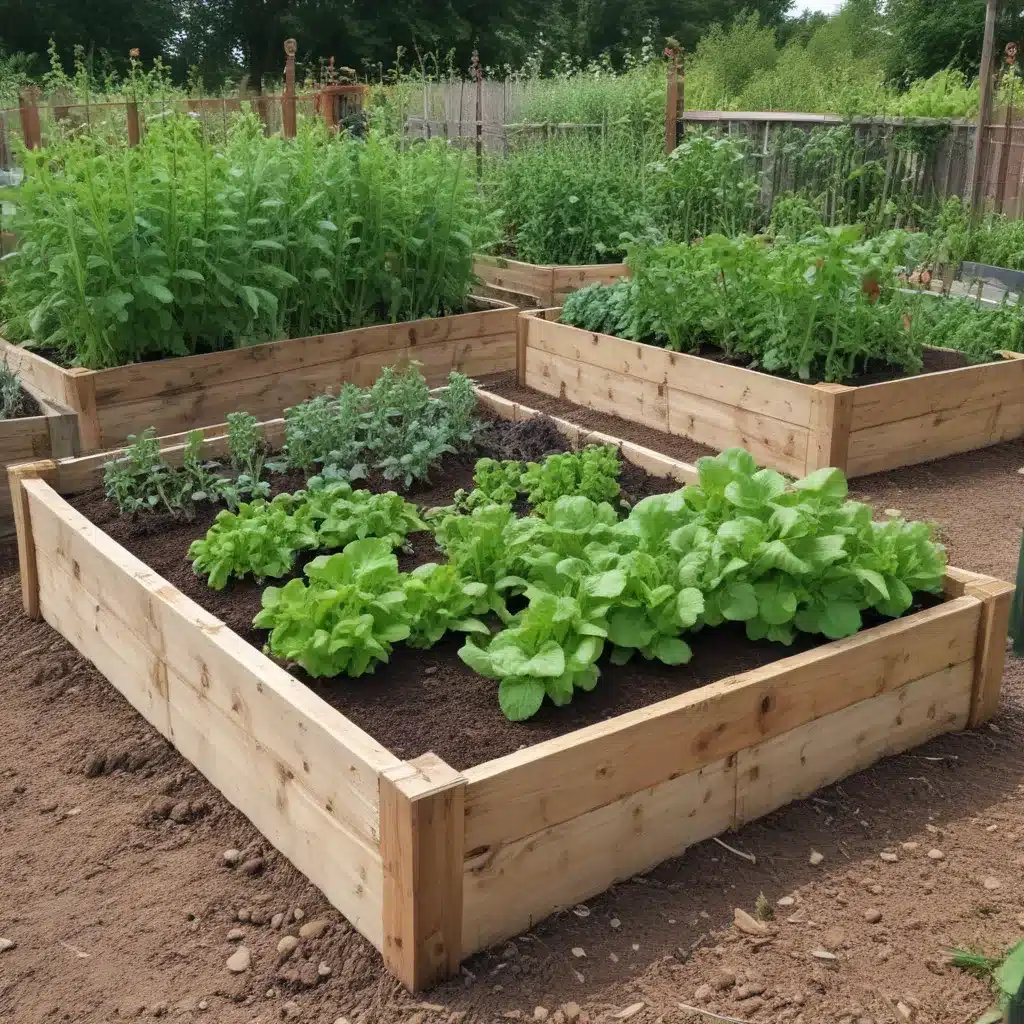
The Charm of a Four-Garden Classic
When I first started my kitchen garden design company, Gardenary, I thought that designing a kitchen garden meant placing a wooden box in the middle of someone’s yard (and if they had lots of room, we’d do two boxes). It didn’t take me long to discover that gardens, like homes, can actually come in many different styles, sizes, and layouts.
After designing hundreds of garden spaces, I’ve narrowed my favorite designs down to the top six that I’ve found work well in spaces both functionally and aesthetically. These six garden design layouts include: border gardens, twin gardens, garden trios, keyhole gardens, four-garden classics, and formal potagers. The size and shape of the yard space that you have available will play a big factor in helping to determine which is the best raised bed garden layout for you. Today, we’re going to focus on my favorite—the four-garden classic.
The four-garden classic requires a space that’s square (or nearly square) in shape and at least 15 feet wide. Each of the raised beds in this garden layout are the same size, typically 4 feet, 6 feet, or 8 feet long and 2 to 4 feet wide. We often design raised beds to be rectangular for this classic layout, but we’ve also had spaces where we felt squares worked best.
There’s a reason this layout is tried and true—a classic in the garden design world. The symmetry between the two sides of the garden creates balance, harmony, and order. Aesthetically speaking, four gardens are what I think of as kitchen garden design perfection. It’s easy to create this symmetry by arranging the four raised beds in a grid-style with designated pathways in between.
Functionally speaking, four raised beds allow you to grow lots of delicious leafy greens, herbs, root crops, and fruiting plants. You can separate crops and plant methodically (you can even practice easy crop rotation if you’re into that). You can have the two halves mirror each other across the middle pathway, or you can have each of the four beds planted the same.
Thanks to the four raised beds acting like four walls, the feeling you have when you’re standing inside this type of garden is like being in your own magical little oasis. Imagine being able to escape the stressors of life for a bit in your own backyard and snip some herbs for dinner. I have a feeling that a four-garden classic kitchen garden would quickly become your favorite “room” in your home.
Raised Bed Dimensions and Design
Raised beds in this raised-bed garden layout are typically accessible from multiple sides. If you can tend each bed from all sides, you could go as wide as four to five feet with each raised bed. Anything beyond five feet, however, would make it difficult to tend and harvest from plants in the middle of the bed.
If you can only tend from one side (say, for example, one side of your four-garden classic design would need to back up against a fence or wall), I’d recommend staying under two and a half feet, which is probably about as far as your arm can reach.
When we designed a four-garden classic for our fantastic Gardenary client Dawn, we chose to install 3 foot-wide raised beds and increase the ease of moving through the space by laying black star gravel throughout the entire garden area. We added pavers along the central walkway to make stepping along the garden even more comfortable.
Garden design means using more than just the horizontal space available in your yard. Height is incredibly important too, not just for adding vertical interest but also for maximizing your growing space. With that in mind, each of the four beds in this design can have their own obelisk trellis, or you can connect two raised beds across the center walkway with a pair of arch trellises.
My favorite is to use arch trellises as a sort of grand entrance into the kitchen garden space. Few things are more beautiful or more inviting than an arch trellis covered in tomato vines or another climbing plant. Dawn’s garden features two Nicole trellises, which we’re working on selling as easy-to-assemble kits in the Gardenary shop soon!
Dawn is fortunate to have a beautiful and quite large backyard, but she wanted to preserve plenty of lawn for other outdoor activities. You don’t have to fill your entire outdoor space with a kitchen garden. Also, keep in mind that the larger you build your garden, the more time you’ll need to spend tending the plants growing there.
Dawn has added some extra growing space with pots and an extra tall raised bed in the back of the garden (I call it a bonus bed). Pots or small containers are ideal for growing plants like mint that spread and might take over a garden bed.
Think of all the good stuff you could harvest from four raised beds in your own backyard! If designing your own garden feels daunting, we’ve got lots of resources here at Gardenary to help you create a space where you can grow and flourish, including my book, Kitchen Garden Revival, and our online kitchen garden design course, Kitchen Garden Academy.
Herbs in Raised Beds
As a beginner gardener, I’ve discovered the numerous benefits of growing herbs in raised beds. It is so easy, and herbs are a great place to start gardening (they are harder to kill than vegetables in my opinion!). Not only do raised beds provide better drainage and pest control, but they also make it easier to tend to your plants.
Raised beds are particularly useful for growing a variety of herbs, as they allow for optimal soil conditions and easier maintenance. I’ve found that by filling my beds with a high-quality, well-draining soil mix, my herbs are more productive and healthier overall. Plus, the additional height makes it easier to keep an eye on my plants and tend to any issues that may arise.
One of the greatest joys of growing herbs in raised beds is the accessibility and versatility they offer. I’ve experimented with countless combinations of herbs, such as basil, rosemary, and thyme, to create a fragrant and visually diverse garden display (I’ve also made some ugly mistakes along the way). Additionally, with herbs so close at hand, it’s easy to incorporate them into my daily cooking, as well as crafting soothing herbal teas or aromatic bath and body products.
When choosing a location for your raised bed, look for an area that gets plenty of sunshine. Full sun is necessary for most herbs to grow well. A spot that receives at least 6-8 hours of sunlight a day works best. Depending on your garden design and available space, opt for raised beds that are at least 4 feet wide and 8 feet long. This size allows for a decent number of new plants to be grown, whether it’s for a vegetable garden or just herbs.
As for the height of the raised bed, a minimum of 10-12 inches works well. It gives enough room for quality soil and proper root development. Once you’ve picked the perfect spot and size for your raised bed, it’s time to prepare the soil. Good soil is essential for healthy plant growth. For most herbs, start with a mix of topsoil, compost, and peat moss, which provides a fertile growing environment.
By following these guidelines, your raised herb garden is off to a great start. With quality soil, good drainage, and plenty of sunshine, you can expect a bountiful harvest of flavorful herbs that will enhance any dish you create.
Herb Varieties for Raised Beds
When it comes to growing herbs in raised beds, there are many varieties to choose from. I’ll help you navigate through some of the different herb options so you can make the best choices for your garden.
Perennial herbs come back year after year, which makes them a great investment for any raised bed. Some of my favorite perennial herb plants include:
- Rosemary
- Thyme
- Sage
- Lavender
- Chives
These herbaceous plants have shallow roots, allowing them to thrive in raised beds. I love how they require little maintenance and provide fresh herbs for several years.
Unlike perennial herbs, annual herbs grow for just one season, and you will need to replant them every year. Some popular annual herbs include:
- Basil
- Cilantro
- Parsley
- Dill
- Fennel
Though they require planting each year, annual herbs offer me a fresh variety each season, and they are some of the easiest herbs to grow in raised beds.
As someone who enjoys cooking, I can’t imagine my raised bed without culinary herbs. These herbs deliver the best results in terms of freshness and flavor. Here are some culinary herbs that I love to grow:
- Oregano
- Marjoram
- Mint
- Tarragon
- Lemongrass
By growing these herbs, I can easily enhance my dishes while enjoying the convenience of having them right in my garden.
Mediterranean herbs are a group of herbs originating from the Mediterranean region, and they typically prefer well-drained soil, which makes them perfect for raised beds. Some of my favorite Mediterranean herbs include:
- Rosemary
- Thyme
- Sage
- Oregano
- Lavender
I find these herbs to be both beautiful and functional plants to position near the edges of my raised bed, where they can enjoy the sun and warmth they need to grow.
Companion planting is a great way to maximize the benefits of your raised bed herb garden. Here are some companion planting suggestions:
- Plant basil near tomatoes to improve their flavor.
- Grow marigolds around the edges to deter pests.
- Combine chives with carrots to improve their growth.
Remember, these are general guidelines, and the specific conditions and requirements of your garden may influence the success of companion planting. Observing the growth and interactions of your herbs will help you make informed decisions about which combinations work best in your specific environment.
Designing Your Raised Bed Herb Garden
Depending on if your raised bed is floating or against a wall or fence, there are different layouts that can maximize the space and visual appeal. As a reminder, I don’t recommend planting members of the mint family with other herbs, as they will take over. You can opt for a split bed or plant them in a pot on their own.
The best time to plant most herbs in the garden is in early spring, just as the warm weather starts. If you are in the US, learn your grow zone and start planning your garden in advance so you can research the best time for you. Some herbs like lemon verbena and mint family plants prefer to be planted in late summer.
For any herb, I usually check my local garden center or the plant’s instructions for the best planting times for my area. Some herbs thrive in different soil types, but they all need well-draining soil with plenty of organic matter. I like to mix compost into the soil of my raised beds to improve drainage and add some nutrients.
Sandy soils tend to dry out faster, so you should add more compost to those. I only use rainwater and compost as my source of fertilizer, I don’t add any of the fancy stuff. Regular watering is essential for young plants. However, the amount of water varies for different herbs. For instance, lemon balm likes moist soil, while woody herbs like rosemary need less watering, as they prefer drier soil.
When you think of Mediterranean herbs, think of the coast of Greece and what that environment is like (a nice visualization, eh?). Try to recreate those conditions as best as possible. Generally, I only prune my herbs as I use them because I use them in my everyday life for cooking and herbal remedies, but I also like to dry and store them and preserve them to use throughout the whole year.
When harvesting my herbs, I take care not to remove more than a third of the plant. I have found that using a gentle touch when harvesting any herb is important to prevent damaging plant materials. There are several all-natural methods you can employ to keep your garden (mostly) pest-free:
- Companion planting with marigolds or other deterrent plants
- Applying diatomaceous earth or neem oil
- Using row covers or insect netting
Growing herbs in raised bed gardens is a great idea for anyone looking to have their own herb garden. It provides an efficient and organized way to cultivate herbs right at your doorstep. By opting for raised beds, you can create the ideal growing conditions for your favorite herbs, ensuring they thrive and flourish.
The Benefits of a Raised Bed Herb Garden
Not only does cultivating herbs in raised beds offer convenience and accessibility, but it also allows you to personalize your garden with the herbs you love most. Furthermore, growing herbs in your own raised bed garden saves you from relying solely on grocery stores for your herb supply. No longer will you need to settle for store-bought herbs with limited freshness and variety. Instead, you can enjoy the satisfaction of harvesting your herbs at their peak, ensuring optimum flavor and nutritional value in every leaf.
In essence, establishing a raised bed garden to grow your favorite herbs is the best way to embark on a rewarding gardening journey. It empowers you to take control of your culinary experiences, connect with nature, and embrace the delightful aromas and tastes that only freshly picked herbs can offer. So, roll up your sleeves, gather your favorite herb seeds or seedlings, and embark on the fulfilling adventure of growing your own herb garden in a raised bed. Your taste buds will thank you, and you’ll savor the rewards of homegrown herbs for years to come.


