
Embracing the Coziness That Heals
I’ll never forget the winter I discovered hygge. It was a cold season in Chicago, and my husband John and I were living in a tiny apartment. Feeling the weight of the long, dark days, I found solace in watching YouTube videos about the cozy lifestyles of our friends in Scandinavia. That’s when I learned about the Danish concept of hygge – a way of life that emphasizes contentment, connection, and the simple pleasures that nourish the soul.
As a mental health therapist, I was intrigued. Could this “coziness” really have the power to alleviate the symptoms of seasonal depression that many of us face during the winter months? I dove deeper into understanding hygge, and what I found transformed not only my own outlook but the way I approached therapy with my clients.
Hygge: The Antidote to Seasonal Sadness
Seasonal affective disorder, or SAD, is a type of depression that coincides with the shift into the colder, darker months of the year. It’s a challenge many of us in the Midwest and other northern regions know all too well. The lack of sunlight and the long, gloomy days can take a toll on our mental health, leaving us feeling lethargic, unmotivated, and disconnected.
Research suggests that hygge can be an effective natural treatment for seasonal depression. By creating a warm, inviting environment and engaging in cozy activities, we can counteract the gloominess of winter and lift our spirits.
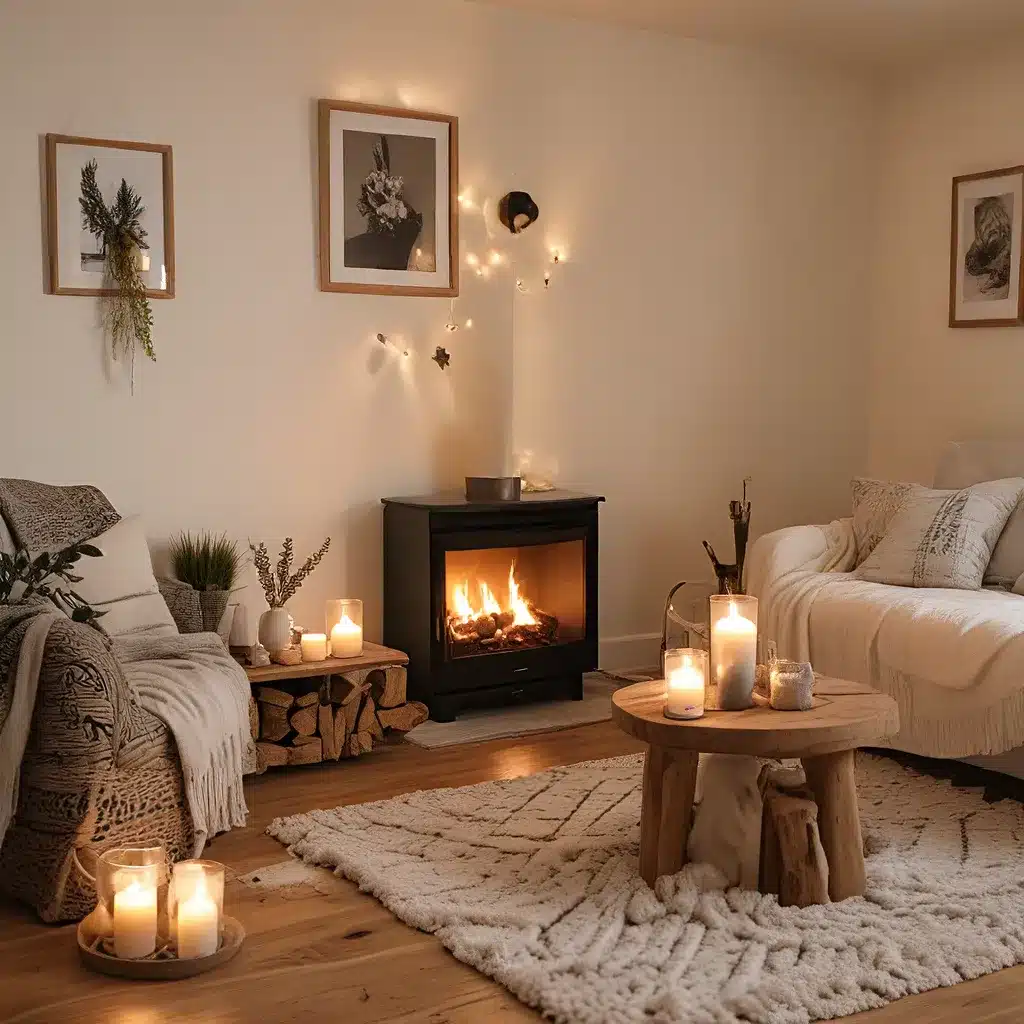
Hygge encourages the use of soft lighting, candles, and comforting textures to cultivate a peaceful atmosphere. Curling up with a good book by the fireplace, sipping a hot cup of cocoa, or simply snuggling under a warm blanket can have a profoundly positive impact on our mental well-being. Moreover, hygge places a strong emphasis on connection and social interaction, which can help combat the feelings of isolation that often accompany seasonal depression.
As I’ve discovered in my own practice, embracing the principles of hygge can be a game-changer for clients struggling with seasonal affective disorder. By incorporating cozy elements into the therapy space and encouraging clients to engage in hygge-inspired self-care rituals, we can create a sanctuary where they feel safe, supported, and empowered to heal.
Crafting a Cozy Cocoon: Hygge at Home
Hygge is more than just a trend or aesthetic – it’s a lifestyle that encourages us to slow down, savor the simple moments, and find joy in the present. And the best place to start? Right in the comfort of our own homes.
Imagine walking into a room where the lighting is soft and warm, candles flicker, and plush textiles invite you to sink in and relax. This is the essence of hygge, and it’s something we can all cultivate in our living spaces.
Hygge experts suggest starting with the basics: cozy throws, fluffy rugs, and comfortable seating arrangements that encourage togetherness. Incorporate natural materials like wood, stone, and greenery to bring the outdoors in and create a sense of tranquility.
But hygge is not just about the physical environment – it’s also about the energy we cultivate within our homes. Embrace slow, mindful moments, like brewing a cup of tea or taking a moment to gaze out the window. Invite loved ones over for intimate gatherings filled with good food, laughter, and heartfelt conversations.
The beauty of hygge is that it’s not limited to the winter months. During the warmer seasons, you can bring the same sense of coziness and comfort to outdoor spaces, whether it’s a picnic in the park or an evening spent watching the sunset with friends.
Hygge in the Therapy Room
As a therapist, I’ve found that incorporating hygge principles into my practice has been incredibly beneficial for my clients. By creating a warm, inviting environment in my office, I’ve noticed that my clients feel more at ease and open to the therapy process.
In my previous office, I made simple but impactful changes, such as adding a cozy rug, plush blankets, and soft lighting. These small touches transformed the space, helping my clients relax and feel more comfortable from the moment they stepped through the door.
But hygge in therapy goes beyond just the physical environment. It’s about fostering a sense of connection and support, which is crucial for the healing process. By encouraging clients to engage in self-care rituals, like sipping a warm beverage or taking a mindful walk, I’ve seen them develop healthier coping mechanisms and a greater sense of well-being.
Moreover, the emphasis on mindfulness and present-moment awareness inherent in hygge aligns perfectly with the goals of therapy. As clients learn to savor the simple pleasures and find joy in the everyday, they become more attuned to their thoughts, emotions, and needs, ultimately enhancing the effectiveness of the therapeutic work.
Embracing the Coziness of Life
Hygge is not just a trend or a design aesthetic – it’s a way of life that can profoundly impact our mental health and overall well-being. By embracing the coziness and comfort that hygge offers, we can create a protective cocoon against the challenges of the winter months and the stresses of modern life.
Whether you’re snuggled up with a good book, enjoying a warm meal with loved ones, or simply taking a mindful stroll through the park, the power of hygge lies in its ability to ground us in the present moment and cultivate a deep sense of contentment.
So why not start today? Invest in some cozy throw blankets, light a few candles, and carve out time for the simple pleasures that nourish your soul. Hygge is an invitation to slow down, savor the moment, and embrace the coziness that heals.


