
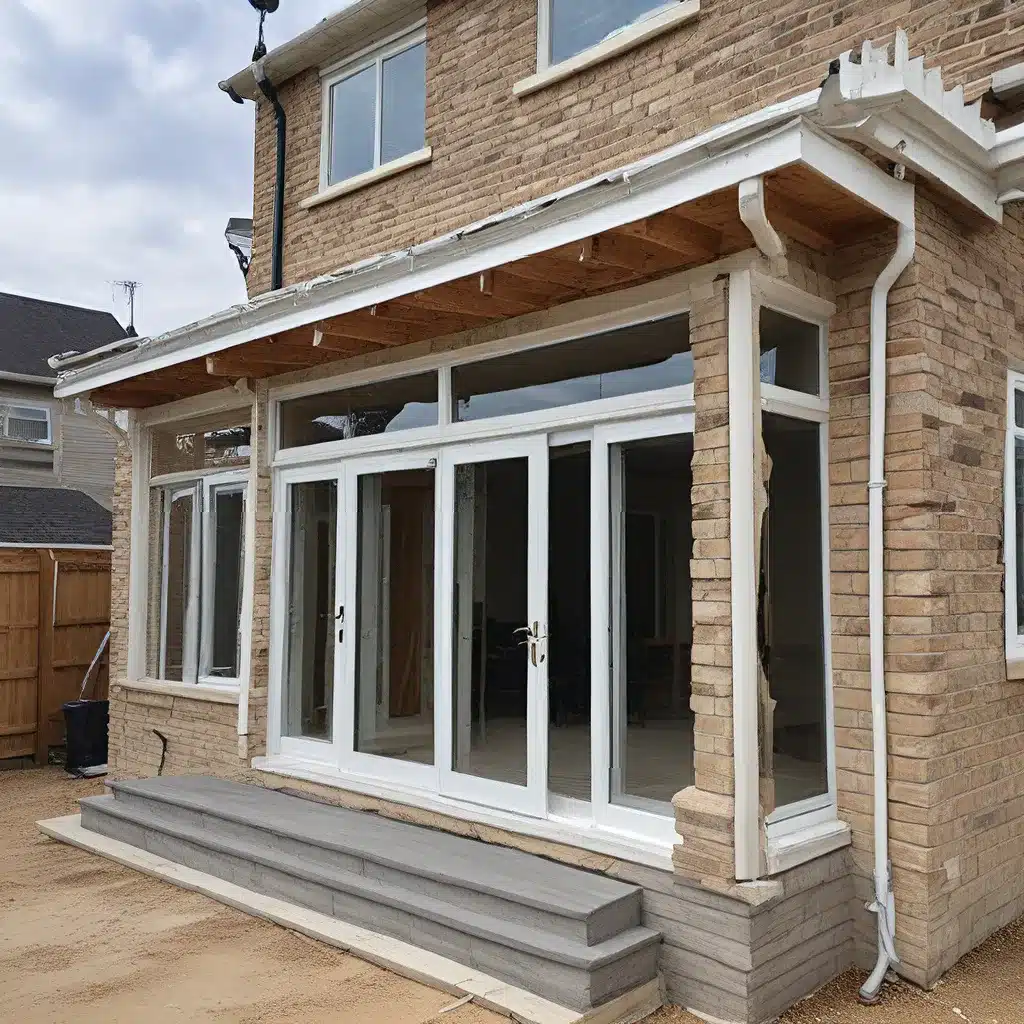
Embracing the Challenge of Home Expansion
As a homeowner, the prospect of expanding your living space can be both exhilarating and daunting. The idea of adding an attached extension to your home holds the promise of increased functionality, enhanced aesthetics, and a tailored living experience. However, navigating the complexities of this endeavor can be a formidable task, filled with a maze of design considerations, structural requirements, and regulatory guidelines.
Where do I even begin, you might ask? Well, my friend, let me take you on a journey of discovery as we explore the world of attached home extensions. Together, we’ll uncover the key factors to consider, the common pitfalls to avoid, and the strategies that can help you craft a harmonious addition to your beloved abode.
Defining Your Vision: Evaluating Your Needs
The first and perhaps most crucial step in this process is to define your vision for the extension. Ask yourself, what purpose do you want this addition to serve? Is it a cozy sunroom to bask in the natural light? A spacious kitchen expansion to accommodate your culinary dreams? Or perhaps a seamless extension of your living room to create a more open and inviting atmosphere?
Once you’ve identified your primary objective, it’s time to delve deeper. Consider the specific needs and requirements that this addition should address. Do you require additional square footage for a growing family? Are you looking to improve the flow and functionality of your home? Or perhaps you have a specific aesthetic in mind, such as a traditional or modern design?
By clearly defining your vision, you can lay the foundation for a successful home extension project that aligns with your lifestyle and preferences. This clarity will be your North Star as you navigate the subsequent steps.
Harmonizing Design and Function
With your vision in place, it’s time to explore the realm of design and functionality. This is where the real magic happens, as you strive to create an addition that seamlessly integrates with the existing structure while meeting your practical needs.
One of the key considerations is architectural compatibility. Your extension should complement the overall aesthetic of your home, whether it’s a classic Victorian or a sleek, contemporary abode. This means carefully selecting materials, colors, and design elements that echo the existing style, ensuring a cohesive and harmonious appearance.
But design is not just about aesthetics – it’s also about functionality. How will the layout and flow of the new space interact with the rest of your home? Will the addition enhance the overall functionality of your living areas, or will it create bottlenecks and disruptions? Carefully consider the placement of doors, windows, and even furniture to optimize the integration and usability of the new space.
As you delve into the design process, don’t be afraid to seek professional guidance. Architects and interior designers can offer invaluable insights and expertise to help you strike the perfect balance between form and function.
Navigating Structural Considerations
With the design vision in place, it’s time to tackle the structural aspects of your home extension project. This is where the engineering and construction elements come into play, ensuring the stability and safety of your new addition.
One of the primary considerations is the foundation. Will the existing foundation be able to support the additional weight of the extension, or will you need to reinforce or expand it? This is a crucial step that should not be overlooked, as it can have significant implications on both the feasibility and the cost of your project.
Another key factor is the load-bearing structure. Depending on the design and layout of your extension, you may need to install additional support beams, columns, or walls to distribute the weight effectively. This is where working with a structural engineer can be invaluable, as they can assess the load-bearing requirements and recommend the appropriate solutions.
Lastly, don’t forget about ventilation and insulation. The new addition should be seamlessly integrated with the existing HVAC system, ensuring a comfortable and energy-efficient living environment. Proper insulation can also help minimize heat loss and maximize energy efficiency, ultimately reducing your utility bills and contributing to a more sustainable home.
Navigating the Regulatory Landscape
As you embark on your home extension project, it’s essential to familiarize yourself with the local building regulations and planning permissions that may apply. These guidelines can vary significantly depending on your geographic location, so it’s crucial to research the specific requirements for your area.
In many cases, obtaining the necessary permits and approvals can be a complex and time-consuming process. It’s highly recommended to consult with local authorities or hire a professional who can navigate the regulatory landscape on your behalf. They can ensure your extension complies with all relevant building codes, zoning laws, and planning regulations, minimizing the risk of delays or costly rework.
Remember, adhering to these regulations is not only a legal requirement but also a critical factor in safeguarding the structural integrity and safety of your home extension. By working within the established guidelines, you can avoid potential headaches and ensure a smooth and successful project.
Budgeting and Cost Considerations
Ah, the often-dreaded topic of budget and costs. While the prospect of expanding your living space can be exciting, it’s essential to approach the financial aspect with careful planning and realistic expectations.
Start by researching the average costs for home extension projects in your local area. Factors like size, materials, and labor can significantly impact the overall price tag. It’s also important to factor in any additional costs such as permits, inspections, and potential structural reinforcements.
Once you have a general idea of the budget, it’s time to delve deeper. Consult with contractors, architects, and suppliers to obtain detailed cost estimates for the various components of your project. This will help you create a comprehensive budget that accounts for all the potential expenses.
Remember, unforeseen challenges can always arise, so it’s wise to build in a cushion to accommodate any unexpected costs. By planning for contingencies and maintaining a realistic approach, you can avoid the dreaded financial surprises that can derail even the most well-intentioned home extension project.
Embracing the Journey: Tips for a Smooth Process
As you embark on this exciting home extension journey, it’s important to embrace the process and approach it with a positive mindset. After all, this is an opportunity to transform your living space and create a home that truly reflects your unique style and needs.
One of the key tips I can offer is to maintain open communication with all involved parties, from your contractors to your local authorities. Regular check-ins, progress updates, and collaborative problem-solving can help you stay on track and address any challenges that may arise along the way.
Additionally, be prepared for some disruption to your daily routine during the construction phase. Temporary inconveniences are often unavoidable, so try to maintain a flexible and understanding attitude. Embrace the excitement of watching your vision come to life, and find ways to make the most of the transition.
Finally, don’t be afraid to seek guidance and support from experts and experienced homeowners. Attend local workshops, join online communities, and tap into the wealth of knowledge available to ensure your home extension project is a resounding success.
Remember, this is your opportunity to create a space that truly reflects your lifestyle and personal style. With careful planning, open communication, and a positive mindset, you can transform your house into a harmonious and functional home that you’ll love for years to come.
Conclusion: Unlocking the Potential of Your Home
As we wrap up our journey through the world of attached home extensions, I hope you feel empowered and equipped to embark on your own expansion project. Remember, this is not just about adding square footage – it’s about crafting a space that seamlessly integrates with your existing home and enhances your overall living experience.
By carefully considering the design, structural, and regulatory factors, as well as budgeting wisely, you can unlock the true potential of your home and create a space that reflects your unique style and meets your evolving needs.
So, what are you waiting for? Start exploring the possibilities and begin your journey towards a harmonious addition that will transform your house into the dream home you’ve always envisioned. With a little planning and a whole lot of enthusiasm, I have no doubt that you’ll create a space that will bring you joy and delight for years to come.
Discover how ABC Home can help you with your home extension project.


