
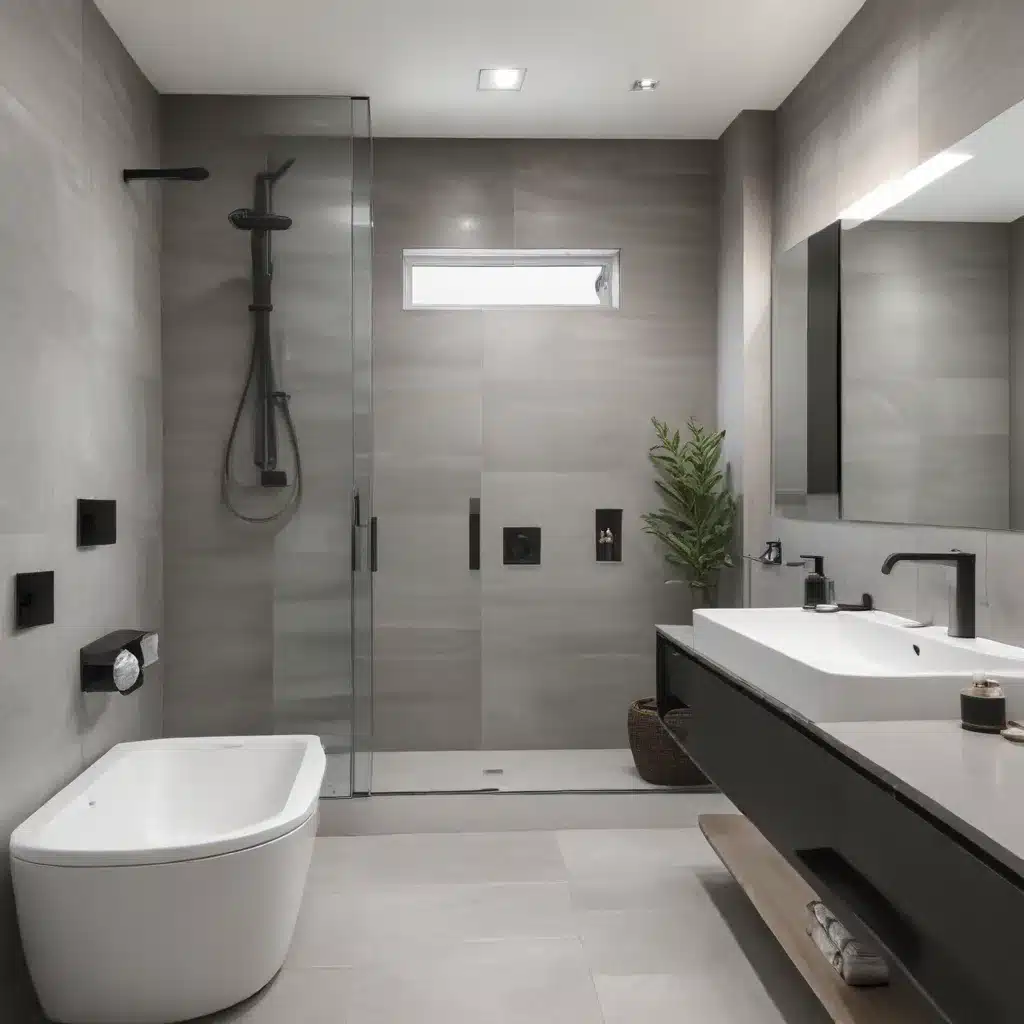
Understanding the Minimalist Bathroom Concept
In the realm of home improvement and interior design, the minimalist bathroom has gained significant traction in recent years. This approach to bathroom design emphasises simplicity, functionality, and a clutter-free environment. The concept goes beyond mere aesthetics; it’s about creating a space that promotes tranquility and efficiency in daily routines.
A minimalist bathroom is characterised by clean lines, uncluttered surfaces, and a focus on essential elements. This doesn’t mean stripping the room of all personality or comfort. Rather, it involves thoughtful selection of fixtures, fittings, and decorative elements that serve a purpose while maintaining a cohesive, streamlined appearance.
The benefits of a minimalist bathroom extend beyond visual appeal. A well-designed, clutter-free space can be easier to clean and maintain, potentially saving time and effort in the long run. Additionally, the calming atmosphere created by a minimalist design can contribute to reduced stress levels and a more relaxing start and end to each day.
Assessing Your Current Bathroom Space
Before embarking on a minimalist bathroom transformation, it’s crucial to assess your current space. This evaluation will help you identify areas for improvement and determine the scope of your project. Start by taking stock of your bathroom’s layout, storage options, and overall functionality.
Consider the following aspects during your assessment:
- Layout efficiency: Does the current arrangement of fixtures and fittings make the best use of available space?
- Storage capacity: Are there sufficient storage solutions for essential items?
- Lighting: Is the current lighting adequate for both practical and aesthetic purposes?
- Colour scheme: Does the existing colour palette contribute to a sense of spaciousness and calm?
- Fixtures and fittings: Are the current elements in good condition, or do they need updating?
As you evaluate your bathroom, keep in mind the principles of minimalism. Look for opportunities to simplify and streamline while ensuring that the space remains functional for your needs. This assessment will form the foundation of your minimalist bathroom plan.
Planning Your Minimalist Bathroom Renovation
Once you’ve assessed your current bathroom, it’s time to plan your minimalist transformation. This phase involves setting clear objectives, establishing a budget, and outlining the steps needed to achieve your vision.
Start by defining your goals for the space. Are you looking to create a more relaxing environment, improve functionality, or both? Consider how the bathroom will be used and by whom. A family bathroom may have different requirements compared to an en-suite or guest bathroom.
Next, establish a realistic budget for your project. Factor in costs for potential structural changes, new fixtures and fittings, labour, and any unexpected expenses that may arise. It’s advisable to set aside a contingency fund of around 10-15% of your total budget to cover unforeseen costs.
When planning your minimalist bathroom, consider the following elements:
- Colour scheme: Choose a neutral palette to create a sense of calm and spaciousness.
- Storage solutions: Plan for adequate, discreet storage to maintain a clutter-free environment.
- Lighting: Incorporate both task and ambient lighting for functionality and atmosphere.
- Fixtures and fittings: Select simple, streamlined designs that complement the minimalist aesthetic.
- Materials: Opt for durable, easy-to-clean materials that will stand the test of time.
Remember to check local building regulations and obtain any necessary permits before proceeding with structural changes or major renovations. Consulting with a professional designer or architect can help ensure your plans are both aesthetically pleasing and compliant with UK building standards.
Decluttering and Organising Your Bathroom
A crucial step in creating a minimalist bathroom is decluttering and organising the space. This process involves carefully evaluating every item in your bathroom and deciding what to keep, donate, or discard. The goal is to retain only the essentials that you use regularly and that contribute to the functionality of the space.
Begin by removing everything from your bathroom cabinets, drawers, and surfaces. Sort items into categories such as skincare, haircare, dental hygiene, and medicines. As you go through each category, ask yourself:
- Do I use this item regularly?
- Is it still in good condition and within its expiration date?
- Does it serve a specific purpose that can’t be fulfilled by another item?
Be ruthless in your decluttering process. Many bathrooms accumulate half-empty bottles, expired products, and items that are rarely used. Dispose of expired medications and cosmetics responsibly, following local guidelines for safe disposal.
Once you’ve pared down your belongings, consider implementing organisational systems to maintain a clutter-free environment. Some effective strategies include:
- Using clear storage containers to group similar items
- Implementing drawer dividers to keep smaller items organised
- Utilising vertical space with wall-mounted shelves or cabinets
- Investing in multi-functional storage solutions that maximise space
Remember, the key to maintaining a minimalist bathroom is ongoing organisation. Regularly review your belongings and remove items that are no longer needed or used. This practice will help prevent clutter from accumulating over time.
Choosing Minimalist Fixtures and Fittings
Selecting the right fixtures and fittings is essential in achieving a minimalist bathroom aesthetic. The goal is to choose pieces that are both functional and visually appealing, without overwhelming the space. When making your selections, consider the following factors:
- Simplicity of design: Look for clean lines and uncomplicated shapes.
- Quality: Invest in well-made items that will stand the test of time.
- Functionality: Ensure that each piece serves a clear purpose in the space.
- Cohesion: Choose fixtures and fittings that complement each other and the overall design scheme.
Here’s a breakdown of key elements to consider:
Sanitaryware
When selecting sanitaryware, opt for simple, streamlined designs. Wall-hung toilets and basins can create a sense of spaciousness and make cleaning easier. Consider the following options:
| Item | Description | Approximate Cost (GBP) |
|---|---|---|
| Wall-hung toilet | Space-saving design with concealed cistern | £200 – £500 |
| Wall-mounted basin | Sleek profile with minimal footprint | £100 – £300 |
| Freestanding bathtub | Simple, sculptural design (if space allows) | £500 – £2,000 |
Taps and Shower Fittings
Choose taps and shower fittings with clean lines and a simple finish. Matt black, brushed nickel, or chrome are popular choices for a minimalist look. Consider the following:
| Item | Description | Approximate Cost (GBP) |
|---|---|---|
| Basin mixer tap | Single-lever design for ease of use | £50 – £200 |
| Thermostatic shower system | Streamlined design with temperature control | £150 – £500 |
| Rainfall shower head | Large, flat design for a luxurious shower experience | £100 – £300 |
Storage Solutions
Incorporate storage solutions that keep items out of sight while maintaining easy access. Consider the following options:
| Item | Description | Approximate Cost (GBP) |
|---|---|---|
| Wall-mounted vanity unit | Provides storage while maintaining floor space | £200 – £600 |
| Recessed medicine cabinet | Streamlined storage for toiletries and medicines | £100 – £300 |
| Floating shelves | Simple open storage for display and easy access | £20 – £100 per shelf |
When selecting fixtures and fittings, ensure they comply with UK building regulations and water efficiency standards. For example, WCs should have a maximum flush volume of 6 litres for full flush and 4 litres for reduced flush, as per the Water Supply (Water Fittings) Regulations 1999.
By carefully choosing each element of your bathroom, you can create a cohesive, minimalist space that is both functional and aesthetically pleasing. Remember to consider the long-term practicality of your choices, as well as their immediate visual impact.
Implementing a Minimalist Colour Scheme
A key aspect of creating a minimalist bathroom is implementing a cohesive and calming colour scheme. The right colours can make the space feel larger, brighter, and more serene. When selecting your colour palette, consider the following principles:
- Stick to a limited colour range: Choose two to three colours maximum to maintain simplicity.
- Opt for neutral tones: Whites, greys, and earth tones work well in minimalist designs.
- Use colour to create visual interest: Introduce subtle variations in tone or texture to add depth.
- Consider the impact of light: Natural and artificial lighting can significantly affect how colours appear.
Here are some popular colour combinations for minimalist bathrooms:
| Primary Colour | Accent Colour | Trim Colour |
|---|---|---|
| Crisp White | Soft Grey | Matt Black |
| Warm Beige | Slate Blue | Brushed Nickel |
| Light Grey | White | Chrome |
| Pale Sage | Cream | Antique Brass |
When applying your chosen colour scheme, consider the following elements:
Walls and Floors
For walls, opt for paint or tiles in your primary colour. Large-format tiles can create a seamless look and are easier to clean. If using paint, choose a moisture-resistant formula designed for bathroom use.
For flooring, consider porcelain or ceramic tiles in a complementary neutral tone. These materials are durable, water-resistant, and available in a wide range of designs. Ensure that your chosen flooring meets UK slip resistance standards for bathrooms (PTV ≥36 in wet conditions).
Cabinetry and Storage
Choose cabinetry that matches or complements your primary wall colour. If using wood, consider light to medium tones that align with your colour scheme. Handleless designs can contribute to a sleek, minimalist look.
Fixtures and Fittings
Select fixtures and fittings in finishes that complement your colour scheme. Matt black, brushed nickel, or chrome can provide subtle contrast against neutral backgrounds.
Textiles and Accessories
Use towels, bath mats, and other textiles in colours that complement your scheme. These elements offer an opportunity to introduce subtle patterns or textures without overwhelming the space.
Remember that while white is often associated with minimalist design, it’s not the only option. Soft, muted colours can create a warm and inviting atmosphere while still maintaining a minimalist aesthetic. The key is to create a cohesive look that promotes a sense of calm and simplicity.
When selecting paint and other finishing materials, consider their environmental impact and opt for low-VOC (Volatile Organic Compounds) options where possible. This aligns with the UK’s push towards more sustainable building practices and can contribute to better indoor air quality.
By carefully implementing your chosen colour scheme across all elements of the bathroom, you can create a harmonious, minimalist space that feels both stylish and serene.
Maximising Natural Light and Lighting Design
Effective lighting is crucial in a minimalist bathroom, contributing to both functionality and ambiance. Maximising natural light and implementing a thoughtful lighting design can make the space feel larger, brighter, and more inviting. Consider the following strategies:
Harnessing Natural Light
-
Enlarge or add windows: If feasible, consider enlarging existing windows or adding new ones to increase natural light. Ensure compliance with UK building regulations regarding window sizes and placement.
-
Use light-reflecting surfaces: Opt for glossy tiles or paint finishes to help bounce light around the room.
-
Install a skylight: In rooms with limited wall space for windows, a skylight can dramatically increase natural light. Ensure proper installation to prevent leaks and maintain energy efficiency.
-
Choose light-filtering window treatments: Use sheer curtains or frosted glass for privacy without blocking light.
Artificial Lighting Design
Implement a layered lighting approach to create a functional and atmospheric space:
-
Ambient lighting: Provide overall illumination with ceiling-mounted fixtures or recessed lights. Consider dimmable options for flexibility.
-
Task lighting: Install targeted lighting around the mirror and shower area for activities like shaving or applying makeup.
-
Accent lighting: Use subtle lighting to highlight architectural features or create a relaxing atmosphere.
Here’s a comparison of different lighting options suitable for minimalist bathrooms:
| Lighting Type | Description | Approximate Cost (GBP) | Energy Efficiency |
|---|---|---|---|
| LED Recessed Lights | Sleek, low-profile design | £20 – £50 per light | High |
| Wall-mounted Sconces | Provide focused task lighting | £50 – £200 per fixture | Medium to High |
| LED Mirror | Integrated lighting for vanity area | £100 – £500 | High |
| Pendant Light | Decorative ambient lighting | £50 – £300 | Varies |
When selecting light fixtures, consider the following:
-
IP rating: Choose fixtures with appropriate Ingress Protection (IP) ratings for bathroom use. Zones 0, 1, and 2 require different levels of water resistance.
-
Colour temperature: Opt for warm white (2700K-3000K) for a cosy atmosphere or cool white (3500K-4100K) for a crisp, clean look.
-
Energy efficiency: Select LED or other energy-efficient bulbs to reduce energy consumption and costs.
-
Smart lighting: Consider installing smart lighting systems for enhanced control and energy savings.
Remember to comply with UK electrical safety regulations when installing or modifying bathroom lighting. All electrical work should be carried out by a qualified electrician and meet the requirements of Part P of the Building Regulations.
By carefully considering both natural and artificial lighting, you can create a bright, welcoming minimalist bathroom that is both functional and visually appealing. Proper lighting not only enhances the aesthetic of the space but also contributes to safety and usability.
Incorporating Sustainable and Eco-Friendly Elements
Sustainability is an increasingly important consideration in bathroom design, aligning with both minimalist principles and UK environmental regulations. Incorporating eco-friendly elements can reduce your environmental impact, lower utility costs, and create a healthier living space. Consider the following strategies:
Water Conservation
-
Low-flow fixtures: Install water-efficient taps, showerheads, and toilets. Look for products with the Water Label, which indicates water efficiency ratings.
-
Dual-flush toilets: Choose toilets with dual-flush mechanisms to reduce water usage. Ensure compliance with the Water Supply (Water Fittings) Regulations 1999.
-
Greywater systems: Consider installing a greywater recycling system to reuse water from sinks and showers for toilet flushing.
Energy Efficiency
-
LED lighting: Use LED bulbs and fixtures for improved energy efficiency and longevity.
-
Heated towel rails: Opt for electric towel rails with timers or thermostats to minimise energy waste.
-
Underfloor heating: Consider electric or water-based underfloor heating systems for efficient and comfortable warmth.
Sustainable Materials
-
Recycled glass tiles: Use tiles made from recycled glass for an eco-friendly and unique look.
-
FSC-certified wood: Choose cabinetry and furniture made from sustainably sourced wood.
-
Low-VOC paints and sealants: Select products with low Volatile Organic Compounds to improve indoor air quality.
Here’s a comparison of eco-friendly options for common bathroom elements:
| Element | Eco-Friendly Option | Traditional Option | Environmental Impact |
|---|---|---|---|
| Toilet | Dual-flush, 4/2.6L | Single flush, 6L | Saves up to 50% water |
| Showerhead | Low-flow, 6-8L/min | Standard, 15-20L/min | Reduces water use by 40-60% |
| Flooring | Cork or bamboo | Ceramic tiles | Renewable and biodegradable |
| Paint | Low-VOC formula | Standard paint | Improves indoor air quality |
Waste Reduction
-
Refillable dispensers: Use refillable soap and shampoo dispensers to reduce plastic waste.
-
Recycling bin: Include a small recycling bin for recyclable bathroom items.
-
Reusable items: Opt for washable cloth towels and flannels instead of disposable wipes.
Natural Ventilation
Proper ventilation is crucial for preventing mould growth and maintaining good air quality. Consider these options:
-
Operable windows: Ensure windows can be opened for natural ventilation, complying with UK building regulations for minimum openable area.
-
Energy-efficient extractor fans: Install fans with humidity sensors to automatically control moisture levels.
-
Passive ventilation systems: Explore options like trickle vents or passive stack ventilation for continuous air exchange.
When implementing sustainable elements, ensure compliance with UK building regulations, particularly Part G (Sanitation, hot water safety and water efficiency) and Part L (Conservation of fuel and power). Additionally, consider the following:
- Energy Performance Certificates (EPCs): While not specific to bathrooms, energy-efficient improvements can positively impact your home’s overall EPC rating.
- Renewable energy: If renovating on a larger scale, explore options for integrating renewable energy sources like solar water heating.
- Water metering: Consider installing a water meter if not already present, as this can encourage more mindful water usage.
By incorporating these sustainable and eco-friendly elements, you can create a minimalist bathroom that not only looks great but also aligns with environmental best practices and UK regulations. This approach can lead to long-term cost savings and a reduced ecological footprint, all while maintaining the clean, uncluttered aesthetic of minimalist design.
Maintaining a Clutter-Free Bathroom
Creating a minimalist bathroom is just the first step; maintaining it is an ongoing process that requires commitment and organisation. By establishing good habits and systems, you can ensure your bathroom remains clutter-free and functional. Here are some strategies to help you maintain your minimalist bathroom:
Daily Habits
- Clear surfaces after use: Make it a habit to put items away immediately after use.
- Wipe down surfaces: A quick daily wipe-down prevents build-up and maintains a clean appearance.
- Hang towels and bathmats: Ensure towels and bathmats are hung up to dry properly, preventing mildew and clutter.
Weekly Routines
- Deep clean: Conduct a thorough cleaning of all surfaces, including tiles, grout, and fixtures.
- Declutter: Review items in the bathroom and remove anything that doesn’t belong or is no longer needed.
- Launder textiles: Wash bath mats, hand towels, and other washable items regularly.
Storage Solutions
Implement and maintain effective storage solutions to keep items organised and out of sight:
- Use drawer dividers: Keep smaller items organised within drawers.
- Implement a labelling system: Clearly label containers to easily identify contents.
- Utilise vertical space: Install hooks or shelves to maximise wall space for storage.
Product Management
- One in, one out rule: When bringing in a new product, remove an old or unused one.
- Regular inventory: Periodically review products and dispose of expired or unused items.
- Minimise duplicates: Avoid keeping multiple versions of the same product.
Cleaning Supplies
Keep cleaning supplies organised and easily accessible:
- Use a caddy: Store frequently used cleaning supplies in a portable caddy.
- Multi-purpose cleaners: Opt for versatile cleaning products to reduce the number of items needed.
- Microfibre cloths: Use reusable microfibre cloths instead of disposable wipes for cleaning.
Guest Considerations
If your minimalist bathroom is used by guests, consider the following:
- Designate a guest area: Allocate a specific drawer or shelf for guest toiletries.
- Provide essentials: Keep a small stock of essential items (e.g., spare toothbrushes, travel-sized toiletries) for guests.
- Clear instructions: If you have specific systems or eco-friendly practices, provide clear instructions for guests.
Technology Integration
Consider incorporating smart home technology to aid in maintenance:
- Smart scales: Use a smart scale that syncs with your phone to track health metrics without adding clutter.
- Automated air fresheners: Install a discreet, programmable air freshener to maintain a pleasant environment.
- Smart mirrors: Consider a smart mirror with built-in lighting and minimal controls to reduce countertop clutter.
Seasonal Maintenance
Perform these tasks seasonally to keep your bathroom in top condition:
- Deep grout cleaning: Use appropriate cleaners to maintain grout lines.
- Check and replace sealants: Inspect and reseal around bathtubs, showers, and sinks as needed.
- Review and update storage systems: Assess if your current storage solutions are still effective and make adjustments as necessary.
Mindful Purchasing
Be intentional about new purchases for your bathroom:
- Quality over quantity: Invest in high-quality, durable items that will last longer.
- Multi-functional products: Choose items that serve multiple purposes to reduce overall clutter.
- Aesthetic consistency: Ensure new items align with your minimalist aesthetic to maintain a cohesive look.
By implementing these strategies and making them part of your routine, you can maintain the serene, clutter-free environment of your minimalist bathroom. Remember, the key to success is consistency and mindfulness in your daily habits and purchasing decisions. Regular maintenance not only keeps your bathroom looking its best but also extends the life of your fixtures and fittings, potentially saving money in the long run.
Troubleshooting Common Minimalist Bathroom Challenges
Even with careful planning and implementation, you may encounter challenges in maintaining your minimalist bathroom. Here are some common issues and solutions to help you troubleshoot:
Challenge 1: Limited Storage Space
Solution:
– Utilise vertical space with tall, narrow cabinets or shelving units.
– Install recessed shelving between wall studs for additional storage without sacrificing floor space.
– Use over-the-door organisers or tension rods for hanging storage.
– Consider furniture with built-in storage, such as a vanity with drawers or a storage ottoman.
Challenge 2: Moisture and Mould Issues
Solution:
– Ensure proper ventilation by installing an extractor fan that meets UK building regulations (minimum 15 litres per second with a 15-minute overrun).
– Use mould-resistant paint or tiles in high-moisture areas.
– Apply silicone sealant around fixtures and joints to prevent water ingress.
– Regularly clean and dry areas prone to moisture accumulation.
Challenge 3: Maintaining a Minimalist Aesthetic with Family Members
Solution:
– Assign designated storage areas for each family member.
– Implement a daily 5-minute tidy-up routine for everyone.
– Use matching containers or baskets to create a cohesive look for personal items.
– Educate family members on the benefits of minimalism and involve them in decision-making.
Challenge 4: Inadequate Lighting
Solution:
– Layer lighting with a combination of ambient, task, and accent lights.
– Install dimmer switches to adjust lighting levels as needed.
– Use light-coloured surfaces to reflect and maximise available light.
– Consider adding a skylight or solar tube for natural light in windowless bathrooms.
Challenge 5: Cold Floors and Surfaces
Solution:
– Install underfloor heating, ensuring compliance with Part L of the Building Regulations for energy efficiency.
– Use bath mats or small area rugs strategically.
– Choose materials with better heat retention, such as cork or engineered wood flooring.
– Install heated towel rails for added warmth and functionality.
Challenge 6: Maintaining Privacy in a Minimalist Space
Solution:
– Use frosted or textured glass for windows and shower enclosures.
– Install window films for privacy without sacrificing natural light.
– Opt for sleek, minimalist blinds or shutters that can be easily adjusted.
– Consider a folding screen or room divider for flexible privacy solutions.
Challenge 7: Dealing with Hard Water Stains
Solution:
– Install a water softener system to reduce mineral build-up.
– Use a squeegee or microfibre cloth to wipe down surfaces after each use.
– Apply a protective coating to glass and chrome surfaces to repel water spots.
– Regularly clean with a mixture of white vinegar and water to dissolve mineral deposits.
Challenge 8: Incorporating Personality Without Clutter
Solution:
– Choose one or two statement pieces, such as a unique mirror or a piece of wall art.
– Use plants to add life and colour without cluttering surfaces.
– Incorporate texture through towels, bath mats, or a shower curtain in neutral tones.
– Display a curated selection of personal items on a single floating shelf.
Challenge 9: Managing Toiletries and Cosmetics
Solution:
– Implement a rotating system for seasonal or less frequently used items.
– Use clear acrylic organisers to keep frequently used items visible and accessible.
– Decant products into matching, refillable containers for a cohesive look.
– Regularly audit your collection and dispose of expired or unused products.
Challenge 10: Balancing Minimalism with Functionality
Solution:
– Choose multi-functional fixtures, such as a mirror cabinet with built-in lighting.
– Opt for wall-mounted fixtures to free up floor space.
– Use foldable or retractable elements, like a wall-mounted drying rack.
– Integrate technology thoughtfully, such as a smart toilet with built-in bidet functions.
By addressing these common challenges, you can maintain the integrity of your minimalist bathroom design while ensuring it remains functional and comfortable for daily use. Remember that minimalism is about intentionality and simplicity, not deprivation. It’s okay to make adjustments as your needs change, always keeping in mind the core principles of minimalism and the specific requirements of UK building regulations.
Regular assessment of your bathroom’s functionality and aesthetic can help you stay ahead of potential issues and make necessary adjustments before they become significant problems. This proactive approach will help you maintain a serene, clutter-free bathroom that continues to meet your needs over time.
Conclusion: Embracing Minimalism in Your Bathroom
Creating and maintaining a minimalist bathroom is a journey that requires thoughtful planning, intentional design choices, and ongoing commitment. By embracing the principles of minimalism, you can transform your bathroom into a serene, functional space that promotes relaxation and efficiency in your daily routines.
Throughout this guide, we’ve explored various aspects of creating a minimalist bathroom, from initial planning and decluttering to selecting fixtures and implementing sustainable practices. We’ve also addressed common challenges and provided solutions to help you maintain your minimalist space over time.
Key takeaways from this comprehensive guide include:
- The importance of thorough planning and assessment before embarking on your minimalist bathroom project.
- The value of decluttering and organising as foundational steps in creating a minimalist space.
- The significance of choosing appropriate fixtures, fittings, and colour schemes that align with minimalist principles.
- The benefits of maximising natural light and implementing effective lighting design.
- The importance of incorporating sustainable and eco-friendly elements in line with UK regulations and environmental best practices.
- Strategies for maintaining a clutter-free bathroom through daily habits and effective storage solutions.
- Solutions to common challenges faced when implementing and maintaining a minimalist bathroom.
Remember that creating a minimalist bathroom is not about achieving perfection or adhering to strict rules. It’s about creating a space that works for you, promotes calm and order, and aligns with your lifestyle and values. As you implement these strategies, feel free to adapt them to your specific needs and preferences.
Minimalism in bathroom design offers numerous benefits, including easier cleaning and maintenance, reduced environmental impact, and a more relaxing atmosphere. By focusing on essential elements and eliminating excess, you create a space that not only looks aesthetically pleasing but also functions more efficiently.
As you continue on your minimalist bathroom journey, keep in mind that it’s an ongoing process. Regular reassessment and adjustment will help ensure your bathroom continues to meet your needs and maintain its minimalist aesthetic over time. Embrace the simplicity and intentionality that minimalism brings, and enjoy the tranquil, clutter-free space you’ve created.
For more information on home improvement projects and building practices in the UK, visit https://abc-home.co.uk/. This resource can provide additional guidance on regulations, best practices, and innovative ideas for your home improvement projects.
By implementing the strategies and principles outlined in this guide, you’re well on your way to creating and maintaining a beautiful, functional, and minimalist bathroom that will serve you well for years to come.


