
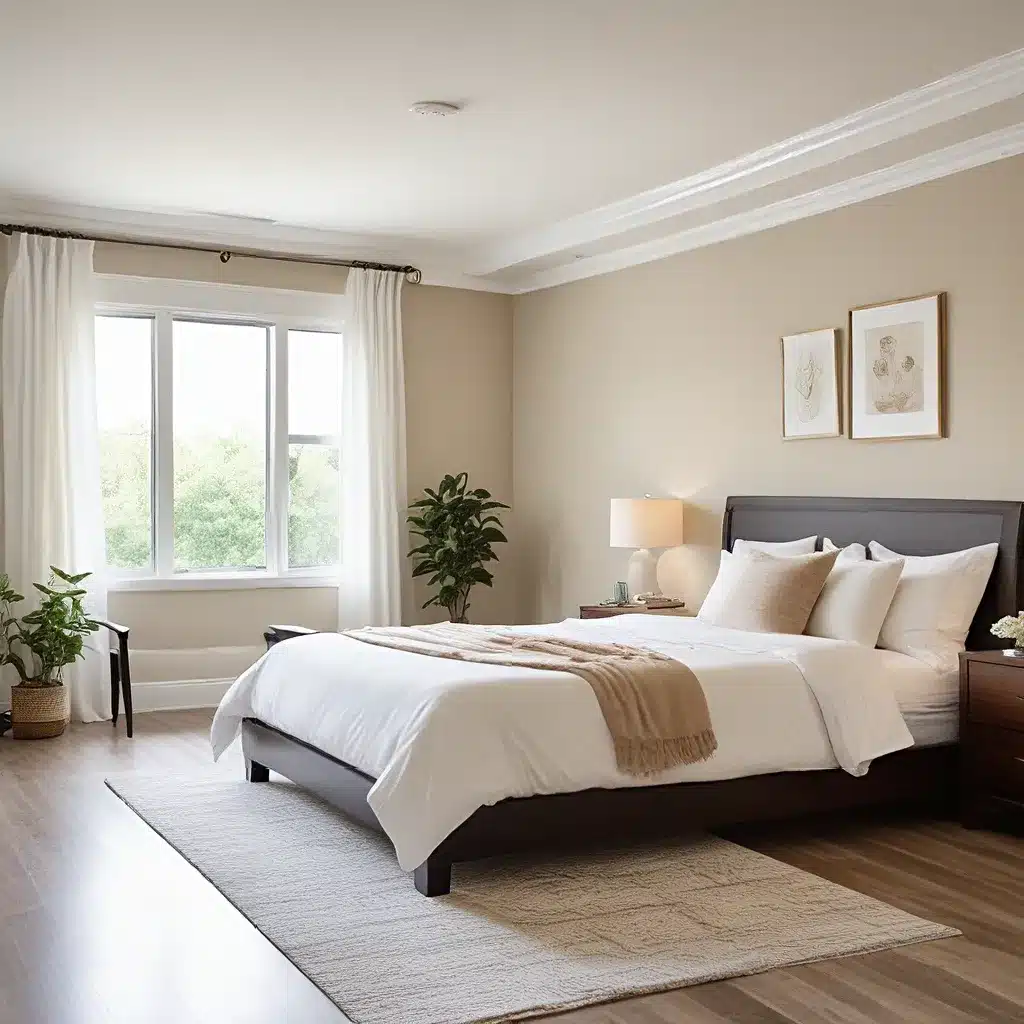
Unlocking the Art of Room Flow: Practical Furniture Arrangement Secrets
As an interior designer with over a decade of experience, I firmly believe that the way we arrange our furniture can dramatically alter the flow and feel of a space. From cozy living rooms to open-concept areas, the layout of your furniture is fundamental to creating an inviting and functional environment. So, let’s dive into some practical and effective ways to improve your room flow through strategic furniture placement.
Room flow in the realm of interior design refers to how smoothly one can navigate through a space. It involves the balance between furniture, architectural elements, and the overall layout. Achieving optimal room flow isn’t simply about aesthetics; it’s about creating a harmonious and functional environment where movement is effortless and logical.
When it comes to improving room flow, there are several key principles to keep in mind. First and foremost, determine the room’s focal point. This could be a fireplace, a stunning view out of a window, or even a piece of art. Your furniture should be arranged in a way that accentuates this focal point, drawing the eye and guiding the flow of the space.
Next, consider the traffic flow. Identify the most used paths in the room and ensure they are clear of obstruction. Ideally, there should be at least 2-3 feet between pieces of furniture for comfortable navigation. A well-balanced room creates a sense of harmony, which doesn’t necessarily mean everything should be symmetrical. Rather, distribute your furniture and other items evenly around the room to create a pleasing visual weight.
Size matters, too. Select furniture that fits the scale of your room. Oversized furniture in a small room can make the space feel crowded, while furniture that is too small in a large room can make the space feel sparse and uninviting. Aim for a variety of furniture heights to keep the eye moving around the room, enhancing the sense of flow.
By understanding these principles and applying strategic furniture placement, you can transform any space into a dynamic and inviting environment. Let’s explore more specific tips and tricks to create a sense of harmony and movement in your home.
Fashioning Flow: Strategies for Arranging Furniture with Flair
Creating an effective furniture layout for improved room flow can significantly enhance the overall ambiance and functionality of your home. The key lies in understanding the space and making informed decisions that not only cater to your aesthetic preferences but also your lifestyle needs.
One of the most effective ways to instill a sense of movement is by incorporating angles and curves into your furniture arrangement. Instead of aligning all your pieces against the walls, consider angling some pieces. Adding a curvy sofa or an oval coffee table can also create a sense of fluidity and dynamism.
Rugs can be a powerful tool in guiding movement through a space. Strategically placing them can define areas and lead the eye and foot traffic through the room. Layer different textures and colors to add depth and visual interest, further enhancing the sense of flow.
Exploring contrasting textures and hues can also make a room more dynamic. For instance, pairing smooth surfaces with rough accents or using complementary colors can create a captivating interplay that keeps the eye engaged and the space feeling lively.
Mastering Small-Space Harmony: Furniture Placement Strategies for Cozy Quarters
Optimizing the flow in a small space can be a delightful challenge, but with the right furniture placement strategies, you can make the most of even the coziest of quarters.
One key tactic is to incorporate multi-functional furniture. Pieces that can serve multiple purposes, such as a bed with storage underneath or a coffee table that can be extended into a dining table, can help maximize the available space while maintaining a harmonious flow.
Vertical space is another valuable asset in small rooms. Utilize the walls efficiently by adding shelves or wall-mounted desks, freeing up precious floor space and creating a sense of organization and intentionality.
Mirrors can also work wonders in small spaces, creating the illusion of a larger area and reflecting light to make the room feel brighter and more inviting.
Fostering Conversation: Furniture Arrangement for Engaging Living Rooms
A living room should be a space where people can easily communicate and interact. To encourage conversation, arrange your sofas and chairs to face each other, creating an intimate setting. Placing a coffee table in the middle as a communal area where everyone can reach helps facilitate interaction and togetherness.
Within larger living rooms, consider creating cozy, intimate spaces by grouping furniture together. This not only enhances the flow of the room but also fosters a sense of connection and engagement among your guests.
Harmonizing Open Spaces: Navigating the Fluidity of Multipurpose Rooms
Open-concept spaces require a delicate balance to ensure an unobstructed flow. Use rugs, different paint colors, or furniture groupings to define distinct areas within the open space, while keeping the paths through clear and logical.
Lighting plays a crucial role in open-concept rooms, helping to create depth and definition. Incorporate a combination of ambient, task, and accent lighting to guide the eye and accentuate the different zones.
By applying these strategies, you can transform any space into a harmonious and functional environment that caters to your lifestyle and aesthetic preferences. Remember, good design can change lives, so let’s work together to create a home that not only looks fantastic but feels amazing too.
Frequently Asked Questions
Q: What are some effective furniture layout tips for improving room flow?
A: Start with defining a focal point, create zones by grouping furniture or using rugs, ensure functionality, and incorporate contrasting textures and angles to create a sense of movement.
Q: How can I arrange my furniture to create a sense of movement in a room?
A: Utilize angles and curves in your furniture arrangement, use rugs to guide movement, and layer different textures and colors to create a dynamic space.
Q: What furniture placement strategies can optimize the flow in a small space?
A: Use multi-functional furniture, utilize vertical space with wall-mounted shelves or desks, and use mirrors to create an illusion of a larger space.
Q: How can the layout of furniture enhance communication in a living room?
A: Arrange sofas and chairs to face each other, place a coffee table in the middle, and create intimate spaces within a larger room by grouping furniture.
Q: How should I position furniture to optimize traffic flow in an open-concept space?
A: Define different areas using rugs or different paint colors, ensure paths through the space are clear, and use lighting effectively to create depth and definition.
Remember, good design can change lives. Let’s work together to transform your space into an area that not only looks fantastic but feels amazing too. Visit our home renovation services to get started.


