
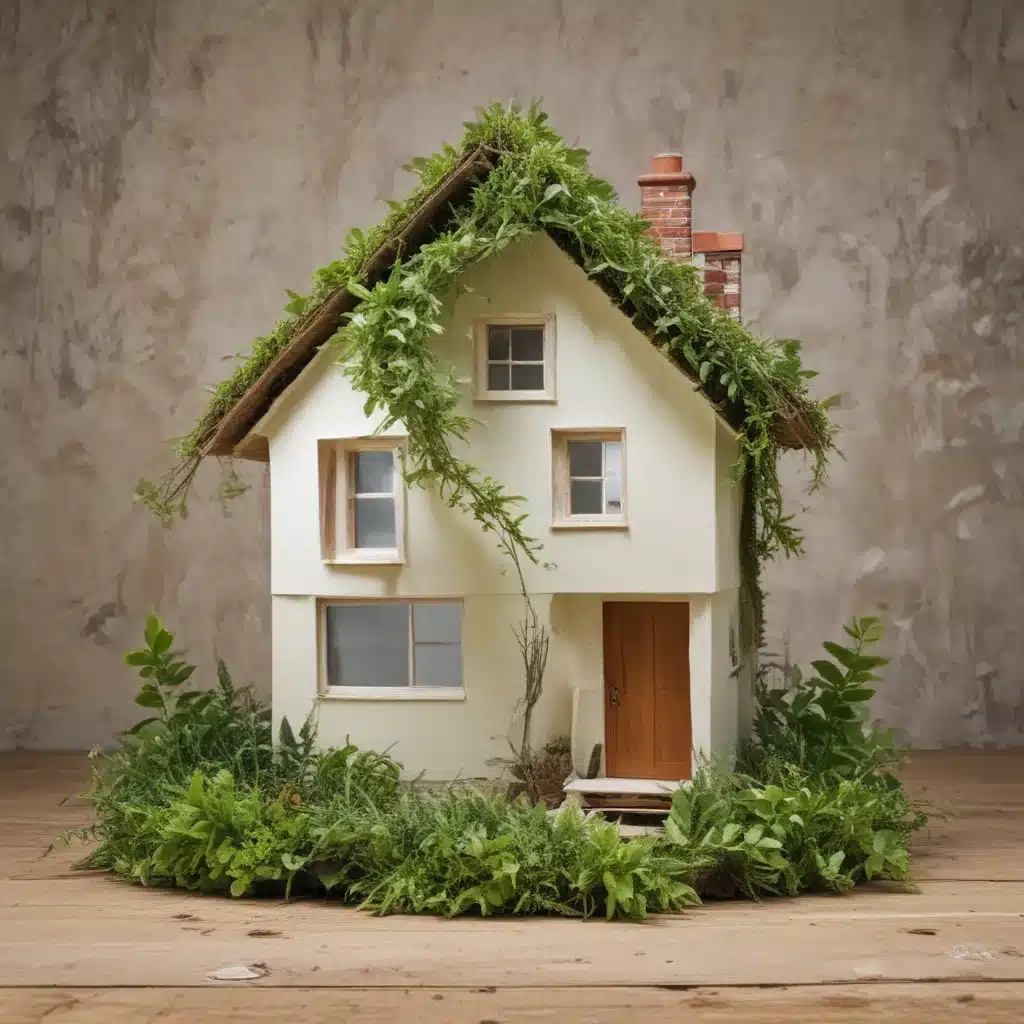
The Eco-Awakening: Why Going Green is the Smartest Move
I remember the day I first decided to make my home more eco-friendly – it was like a lightbulb had been switched on in my brain. I had always been somewhat aware of environmental issues, but it wasn’t until I started researching the true impact of our daily habits that I realized just how much of a difference we can make as individuals.
You see, I used to be one of those people who thought sustainability was a bit of a fad, that it was too much effort and not really worth it in the grand scheme of things. Boy, was I wrong. The more I learned about the climate crisis, the dire need to reduce our carbon footprints, and the incredible benefits of living an eco-conscious lifestyle, the more I became passionately committed to making changes.
And let me tell you, it wasn’t always easy. Overhauling decades of learned behaviors and finding eco-friendly alternatives for everything from cleaning products to building materials – it was a journey, for sure. But the sense of purpose and pride I feel now, knowing that I’m doing my part to protect the planet, makes it all worth it.
That’s why I’m so excited to share my experience with you today. Whether you’re building a new home from scratch or renovating an existing one, there are so many incredible ways you can create an eco-friendly oasis that’s not only better for the environment, but also better for your health and your wallet. So buckle up, because we’re about to embark on a deep dive into the wonderful world of sustainable living.
Laying the Groundwork: Sustainable Design Principles
The first step in building an eco-friendly home is to consider the overall design and layout. This is where the true magic happens, as the choices you make here will have a lasting impact on the energy efficiency, water usage, and environmental footprint of your property.
One of the most important principles to keep in mind is passive solar design. This involves strategically positioning your home to maximize the benefits of the sun’s natural warmth and light. By orienting your windows and incorporating features like overhangs and thermal mass, you can significantly reduce your reliance on artificial heating and cooling systems.
For example, let’s say you’re building a new home in Aberdeen. The local climate is on the cooler side, with long, dark winters. By designing your home with large south-facing windows and incorporating thick, insulating walls, you can create a space that stays naturally warm and bright throughout the colder months. Not only does this cut down on your energy bills, but it also reduces your carbon emissions.
Another key aspect of sustainable design is water conservation. This can involve things like installing low-flow fixtures, implementing greywater recycling systems, and incorporating native, drought-resistant landscaping. One clever trick I learned is to use permeable paving materials for driveways and walkways, which allow rainwater to slowly seep back into the ground instead of running off and potentially causing erosion or flooding.
Of course, the specific design elements you choose will depend on the unique characteristics of your property, your local climate, and your personal preferences. But the underlying principle remains the same: create a home that works in harmony with the natural environment, rather than against it.
Choosing Eco-Friendly Materials: Prioritizing Sustainability
Once you’ve laid the groundwork with your sustainable design, the next step is to focus on the materials you’ll be using throughout your home. This is where things can get really exciting, as there are so many innovative, eco-friendly options on the market these days.
One of my personal favorites is natural stone. Not only is it incredibly durable and long-lasting, but it also has a wonderfully low environmental impact. Stone is a naturally occurring material that requires minimal processing, and it can be sourced locally in many regions, reducing the carbon footprint associated with transportation.
Another great option is reclaimed or recycled wood. There’s something so satisfying about giving new life to old materials – it’s like you’re breathing fresh air into a piece of history. Plus, it’s a fantastic way to reduce waste and keep valuable resources out of landfills.
And let’s not forget about insulation. Traditional fiberglass insulation is not only bad for the environment, but it can also be harmful to your health. Instead, consider materials like recycled denim, sheep’s wool, or even hemp. These natural, renewable options are not only eco-friendly, but they also provide superior thermal and acoustic properties.
Of course, the list of sustainable building materials goes on and on. From low-VOC paints and adhesives to energy-efficient windows and doors, the opportunities to green up your home are endless. The key is to do your research, think creatively, and be willing to step outside of the traditional building materials box.
Harnessing Clean Energy: The Power of Renewable Solutions
Now, let’s talk about one of the most exciting aspects of building an eco-friendly home: renewable energy. This is where you really get to flex your sustainability muscles and make a tangible impact on the planet.
The obvious choice, of course, is solar power. By installing a photovoltaic (PV) system on your roof, you can generate your own clean, renewable electricity and drastically reduce your reliance on the grid. And let me tell you, the technology has come a long way in recent years – these systems are more efficient, more affordable, and more aesthetically pleasing than ever before.
But solar isn’t the only renewable option on the table. Depending on your location and resources, you might also consider wind power, geothermal heating and cooling, or even small-scale hydroelectric systems. The key is to carefully assess your property and your energy needs to determine the most appropriate and effective renewable solution.
And let’s not forget about energy storage. By pairing your renewable energy system with a high-capacity battery bank, you can ensure that you have a reliable, off-grid power source even when the sun isn’t shining or the wind isn’t blowing. This is a game-changer, as it allows you to truly become energy independent and insulate yourself from the fluctuations of the traditional energy market.
Of course, the upfront cost of installing renewable energy systems can be a bit daunting. But the long-term savings and environmental benefits are truly unbeatable. And with various government incentives and financing options available, the barrier to entry is lower than ever. It’s an investment that quite literally pays for itself, both in terms of your energy bills and your carbon footprint.
Sustainable Living: Cultivating an Eco-Conscious Lifestyle
Now that we’ve covered the big-ticket items like design, materials, and renewable energy, let’s dive into the smaller, everyday choices that can make a world of difference in creating an eco-friendly home.
One of the most impactful areas is your home’s water usage. By implementing simple strategies like low-flow showerheads, dual-flush toilets, and water-efficient appliances, you can dramatically reduce your household’s water consumption. And don’t forget about greywater recycling – this clever system allows you to reuse water from sinks, showers, and washing machines for landscape irrigation or toilet flushing.
Another important aspect is waste management. By setting up a comprehensive recycling system and finding creative ways to repurpose or compost your household waste, you can significantly reduce the amount of trash that ends up in landfills or incinerators. Plus, you’ll be amazed at how much money you can save on trash collection fees.
And let’s not forget about the great outdoors. When it comes to landscaping, native, drought-resistant plants are the way to go. Not only do they require far less water and maintenance than traditional grass and ornamental species, but they also provide valuable habitat for local wildlife. Plus, you can incorporate edible plants and even a small vegetable garden to grow your own fresh, organic produce.
Of course, the list of eco-friendly living strategies goes on and on. From energy-efficient lighting and smart home technology to mindful shopping habits and waste-reducing meal planning, the opportunities to green up your lifestyle are endless. The key is to approach each decision with a sustainability-focused mindset and a willingness to experiment and adapt.
Bringing It All Together: My Eco-Friendly Home Transformation
As I reflect on my journey to creating an eco-friendly home, I can’t help but feel a deep sense of pride and accomplishment. It’s been a roller coaster of challenges, epiphanies, and triumphs, but the end result is truly something special.
When I first started this process, I’ll admit, I was a little overwhelmed. The sheer volume of information, the seemingly endless options, and the daunting financial considerations – it was enough to make anyone’s head spin. But I’m a firm believer in the power of taking that first step, no matter how small, and gradually building momentum.
So, I started small. I swapped out my old light bulbs for energy-efficient LEDs, installed low-flow showerheads, and began researching sustainable building materials. And you know what? I started to see the impact almost immediately. My energy bills went down, my water usage plummeted, and I felt this growing sense of purpose and fulfillment.
From there, I just kept adding more and more eco-friendly elements to my home. I installed solar panels, replaced my ancient appliances with energy-star certified models, and even built a small composting system in my backyard. And let me tell you, the transformation has been nothing short of incredible.
Not only is my home now a true sanctuary of sustainability, but it’s also a source of constant joy and pride. I love walking through the door and feeling that rush of satisfaction, knowing that I’m doing my part to protect the planet. And the best part? I get to share this experience with my family and friends, inspiring them to embark on their own eco-friendly journeys.
So, if you’re feeling inspired to create an eco-friendly home of your own, I say go for it! It may seem daunting at first, but trust me, the rewards are truly worth it. And who knows – you might just end up on the adventure of a lifetime, like I did.
Remember, small steps can lead to big changes, and every eco-friendly choice you make, no matter how seemingly insignificant, has the power to make a real difference. So, let’s get started, shall we? The future of our planet is counting on us.
Conclusion: Your Eco-Friendly Home Awaits
Well, there you have it – my comprehensive guide to creating an eco-friendly home. From sustainable design principles to renewable energy solutions to everyday sustainability strategies, we’ve covered a lot of ground. But the journey doesn’t have to end here.
If you’re feeling inspired and ready to take the next step, I encourage you to visit abc-home.co.uk – a building and renovation company in Aberdeen, UK that specializes in crafting stunning, eco-friendly homes. Their team of experts can guide you through every stage of the process, from conceptual design to material selection to renewable energy integration.
Remember, building an eco-friendly home is not just about saving the planet – it’s also about creating a space that nourishes your mind, body, and soul. So, let’s work together to make your dream of a sustainable, rejuvenating oasis a reality. The future is green, and it’s waiting for you.


