
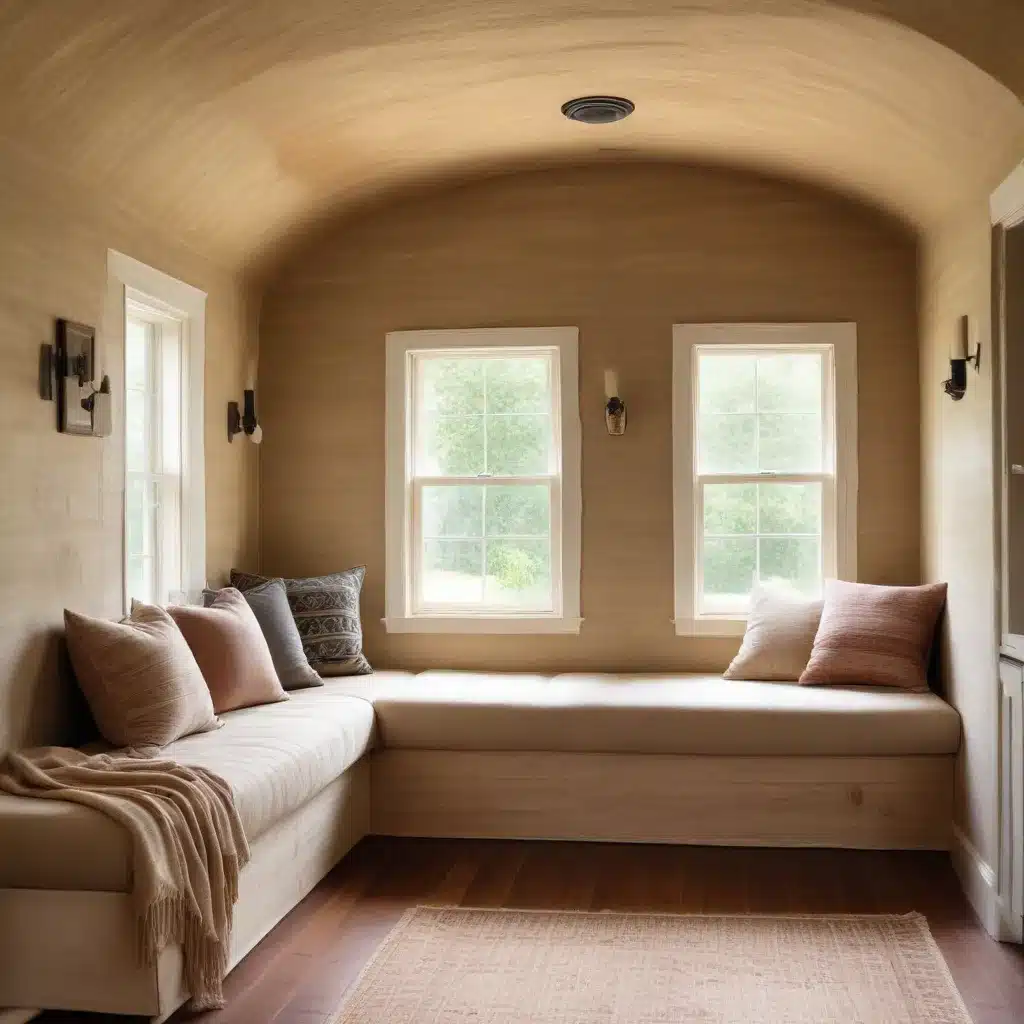
Embracing the Art of Cozy Nook Creation
In the bustling city of Aberdeen, UK, homeowners and contractors are increasingly turning their attention to creating cozy nooks and corners that offer a respite from the outside world. These inviting spaces, often nestled in sunlit alcoves or tucked beneath eaves, provide a haven for relaxation, quiet contemplation, and the nurturing of hobbies. At the heart of this trend lies a growing appreciation for the use of natural fiber insulation, which not only enhances the thermal comfort of these spaces but also aligns with the UK’s commitment to sustainable building practices.
As we delve into the intricacies of designing and constructing these charming nooks, it’s essential to understand the regulatory landscape and cost considerations that shape the decision-making process. By navigating the UK’s building regulations and exploring the benefits of natural insulation materials, homeowners and contractors can create cozy sanctuaries that not only delight the senses but also contribute to the overall energy efficiency and environmental sustainability of the home.
Navigating UK Building Regulations: Ensuring Compliance and Safety
In the UK, the construction and renovation of residential buildings are governed by a comprehensive set of building regulations, designed to safeguard the well-being of occupants and uphold the highest standards of safety and energy efficiency. When it comes to the creation of cozy nooks, homeowners and contractors must ensure that their design and construction practices adhere to these regulations.
One of the key considerations is the thermal performance of the building envelope, which encompasses the walls, floors, and roof. The UK’s Building Regulations stipulate minimum standards for insulation, airtightness, and ventilation to maintain a comfortable and energy-efficient indoor environment. Natural fiber insulation, such as wool or hemp, can play a crucial role in meeting these requirements, as they offer superior thermal properties and can be seamlessly integrated into the building’s structure.
Additionally, the regulations address safety concerns, including fire resistance and structural integrity. Homeowners and contractors must ensure that the materials used in the construction of the cozy nook, including any built-in furniture or fixtures, comply with the relevant fire safety standards. This may involve the use of flame-retardant materials or the implementation of specialized fire-stopping measures to prevent the spread of fire and ensure the safety of the occupants.
Harnessing the Benefits of Natural Fiber Insulation
The rising popularity of cozy nooks in UK homes has coincided with a growing demand for sustainable and environmentally friendly building materials. Natural fiber insulation, such as wool and hemp, have emerged as attractive alternatives to traditional insulation materials, offering a range of benefits that align with the UK’s commitment to sustainable construction.
One of the primary advantages of natural fiber insulation is its exceptional thermal performance. These materials are highly effective at trapping heat, helping to maintain a consistent and comfortable temperature within the cozy nook, while also reducing the overall energy demands of the home. This can lead to significant cost savings on heating and cooling bills, providing a tangible financial incentive for homeowners and contractors to incorporate these sustainable insulation solutions.
Moreover, natural fiber insulation boasts superior moisture management properties, allowing the building envelope to “breathe” and effectively regulate humidity levels. This can help prevent the build-up of condensation, which can lead to mold and other indoor air quality issues. By promoting a healthy and well-ventilated indoor environment, natural fiber insulation contributes to the overall well-being of the occupants, aligning with the UK’s emphasis on healthy living.
In addition to their thermal and moisture-regulating capabilities, natural fiber insulation materials are often biodegradable and can be recycled at the end of their lifespan, further enhancing their sustainability credentials. This aligns with the UK government’s push towards a more circular economy, where waste is minimized, and resources are reused or repurposed.
Cost Considerations and Financial Incentives
When it comes to the creation of cozy nooks, homeowners and contractors must also consider the financial implications of their design and construction choices. While natural fiber insulation may carry a higher upfront cost compared to some traditional insulation materials, the long-term benefits can often outweigh the initial investment.
According to recent market research, the average cost of natural fiber insulation in the UK ranges from £5 to £15 per square meter, depending on the specific material and installation method. In comparison, common insulation materials like fiberglass or expanded polystyrene can cost between £3 and £10 per square meter. However, the superior thermal performance and moisture management capabilities of natural fibers can lead to significant energy savings over the lifetime of the building, potentially offsetting the higher initial cost.
To further incentivize the use of sustainable building practices, the UK government offers various financial incentives and support schemes. The Green Homes Grant, for example, provides homeowners with vouchers worth up to £5,000 (or £10,000 for low-income households) to cover the cost of energy-efficient home improvements, including the installation of natural fiber insulation. Additionally, the UK’s Renewable Heat Incentive (RHI) scheme offers financial support to homeowners and businesses who install renewable heating technologies, such as heat pumps, which can be paired with natural fiber insulation for optimal energy efficiency.
By taking advantage of these government-backed initiatives, homeowners and contractors can mitigate the initial financial burden of incorporating natural fiber insulation into the design and construction of cozy nooks, ultimately leading to long-term cost savings and a more sustainable living environment.
Integrating Natural Fiber Insulation: Practical Considerations
When it comes to the practical integration of natural fiber insulation into the creation of cozy nooks, there are several key considerations that homeowners and contractors must keep in mind. These include the specific insulation requirements, installation techniques, and potential challenges that may arise during the construction process.
One of the primary factors to consider is the thermal performance and R-value (the measure of an insulation material’s resistance to heat flow) of the natural fiber insulation. Depending on the size and layout of the cozy nook, as well as the overall energy efficiency goals of the project, different insulation thicknesses and densities may be required to meet the UK’s building regulations. For example, a well-insulated knee wall or ceiling in a loft conversion may necessitate a higher R-value than a small, well-sheltered alcove.
The installation of natural fiber insulation also requires specialized techniques to ensure optimal performance and prevent potential issues, such as thermal bridging or air leaks. Contractors must carefully seal any gaps or crevices, using appropriate tapes, caulks, or other sealants, to maintain the airtightness of the building envelope. Additionally, the insulation must be properly secured to the wall or ceiling framing, with care taken to avoid compression or displacement, which can compromise its thermal properties.
In the case of existing buildings, the integration of natural fiber insulation may present additional challenges, as homeowners and contractors must work around existing structures and address any pre-existing moisture or structural concerns. Proper ventilation and moisture management strategies, such as the use of smart vapor retarders or breathable membranes, are crucial to prevent the buildup of condensation and the potential for mold or rot.
By addressing these practical considerations and working closely with experienced contractors, homeowners can ensure that the integration of natural fiber insulation into their cozy nook design not only meets the UK’s building regulations but also delivers the desired levels of comfort, energy efficiency, and long-term sustainability.
Embracing the Future of Cozy Nook Design
As the UK continues to prioritize sustainable building practices and the creation of healthy, energy-efficient living spaces, the role of natural fiber insulation in the design and construction of cozy nooks is only set to grow. By leveraging the benefits of these innovative materials, homeowners and contractors can craft inviting sanctuaries that not only delight the senses but also contribute to the overall well-being of both the occupants and the environment.
Through a deep understanding of the UK’s building regulations, a commitment to cost-effective solutions, and a focus on seamlessly integrating natural fiber insulation, the design and construction of these cozy nooks can become a testament to the UK’s ongoing efforts to foster a more sustainable and livable built environment. By visiting the website https://abc-home.co.uk/, homeowners and contractors can explore a wealth of resources and expert guidance to help them navigate the exciting possibilities of creating cozy, energy-efficient havens within their homes.
As we look to the future, the continued evolution of cozy nook design, driven by the adoption of natural fiber insulation and aligned with the UK’s regulatory landscape, promises to redefine the way we experience comfort, relaxation, and a sense of connection within our own living spaces. It is a journey of sustainability, innovation, and the creation of truly remarkable indoor environments that enrich the lives of homeowners across Aberdeen and beyond.


