
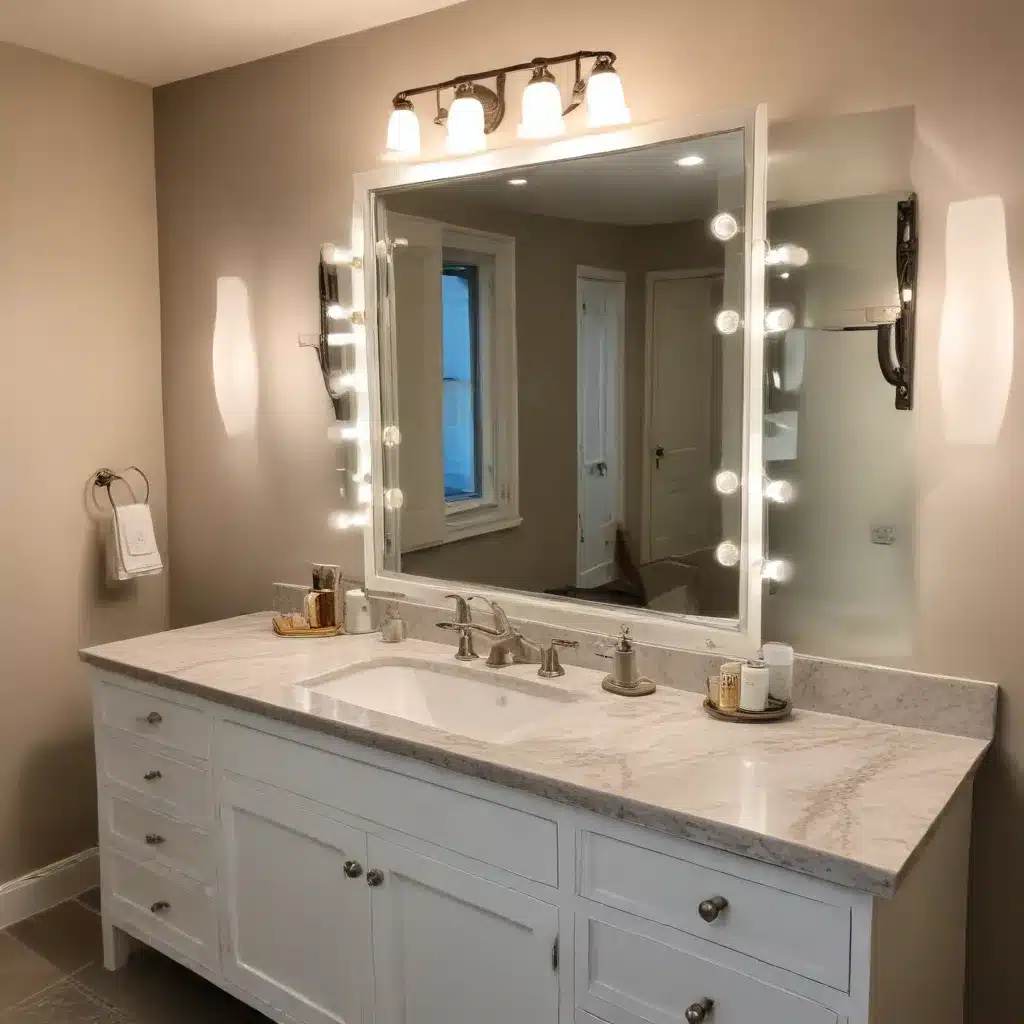
The Importance of Proper Vanity Lighting in Bathroom Design
As a home construction specialist with years of experience, I’ve seen firsthand how crucial proper lighting is in bathroom design. Vanity lighting, in particular, plays a pivotal role in creating functional and aesthetically pleasing spaces. Over the years, I’ve worked on countless bathroom renovation projects, and I can confidently say that the right vanity lighting can make or break the overall look and feel of a bathroom.
When it comes to vanity lighting, it’s not just about brightness; it’s about creating the right ambiance and ensuring that the light is evenly distributed. I’ve encountered numerous situations where homeowners have complained about harsh shadows or inadequate lighting around their mirrors, making daily grooming tasks difficult. This is why I always stress the importance of carefully considering vanity lighting options during the planning phase of any bathroom construction or renovation project.
One of the most significant advancements I’ve seen in recent years is the rise of LED technology in vanity lighting. LED lights offer numerous benefits, including energy efficiency, long lifespan, and the ability to provide consistent, flicker-free illumination. In my professional opinion, LED-based vanity lighting solutions are the way forward for modern bathroom designs.
Understanding Different Types of Vanity Lighting
Over the course of my career, I’ve worked with various types of vanity lighting, each with its own set of advantages and considerations. Let’s explore some of the most popular options I’ve encountered:
Mirror-Integrated Lighting
Mirror-integrated lighting has become increasingly popular in recent years, and for good reason. These fixtures combine the functionality of a mirror with built-in lighting, creating a sleek and modern look. I’ve installed many of these in high-end residential projects, and the results have been impressive.
One of the main advantages of mirror-integrated lighting is its ability to provide even illumination across the face, eliminating shadows that can make grooming tasks challenging. I’ve found that these fixtures work particularly well in smaller bathrooms where space is at a premium, as they eliminate the need for separate light fixtures.
However, it’s worth noting that mirror-integrated lighting can be more expensive than traditional options. Additionally, if the lighting component fails, you may need to replace the entire mirror, which can be costly. Despite these considerations, I believe the benefits often outweigh the drawbacks for many homeowners.
Under-Cabinet Lighting
Under-cabinet lighting is another option that I frequently recommend to clients, especially for vanities with storage cabinets. This type of lighting serves a dual purpose: it provides task lighting for the countertop area while also adding a layer of ambient light to the bathroom.
In my experience, LED strip lights work exceptionally well for under-cabinet applications. They’re slim, easy to install, and can be customized to fit various cabinet sizes. I’ve used these in numerous projects, and clients have always been pleased with the results.
One tip I always share with homeowners is to opt for dimmable under-cabinet lights. This allows for greater flexibility in creating the desired ambiance, whether it’s bright task lighting for applying makeup or a softer glow for a relaxing bath.
Wall Sconces
Wall sconces are a classic choice for vanity lighting, and they continue to be popular in both traditional and contemporary bathroom designs. I’ve installed countless wall sconces over the years, and I appreciate their versatility and the way they can complement various design styles.
When positioning wall sconces, I always recommend placing them at eye level on either side of the mirror. This arrangement provides even illumination and minimizes shadows on the face. For wider vanities or double sinks, I often suggest using multiple pairs of sconces to ensure adequate coverage.
One consideration with wall sconces is the potential for glare, especially with exposed bulbs. To mitigate this, I often recommend frosted or opaque glass shades that diffuse the light and create a softer effect.
Professional Installation Techniques for Vanity Lighting
As a construction specialist, I’ve developed several techniques for installing vanity lighting that ensure both functionality and aesthetics. Here are some key considerations I always keep in mind:
Wiring and Electrical Considerations
Safety is paramount when it comes to any electrical work in bathrooms. I always ensure that all electrical installations comply with local building codes and safety standards. This includes using GFCI (Ground Fault Circuit Interrupter) protection for all bathroom circuits and ensuring proper grounding of all fixtures.
For mirror-integrated lighting, I typically run the wiring behind the wall during the rough-in phase of construction. This creates a clean, seamless look with no visible wires. For retrofits, I’ve found that surface-mounted wire channels can be an effective solution if running wires behind the wall isn’t feasible.
Mounting and Positioning
Proper mounting and positioning of vanity lights are crucial for both functionality and aesthetics. For wall sconces, I typically mount them at eye level, about 65-70 inches from the floor, and spaced 28-30 inches apart. This positioning provides optimal illumination for most users.
When installing mirror-integrated lighting, I pay close attention to the mirror’s placement relative to the vanity. Ideally, the bottom of the mirror should be a few inches above the top of the faucet, with the light integrated into the top or sides of the mirror.
For under-cabinet lighting, I usually position the strips towards the front of the cabinet to ensure the light is directed onto the countertop where it’s most needed. I also take care to conceal the power supply and any visible wiring for a clean, professional look.
Dimming and Control Options
In my experience, incorporating dimming capabilities into vanity lighting can greatly enhance the functionality and user experience of a bathroom. I often recommend installing dimmer switches or smart lighting controls that allow users to adjust the light levels according to their preferences or the time of day.
For more advanced setups, I’ve worked with integrated lighting control systems that allow users to program different lighting scenes. For example, a bright setting for morning grooming routines and a softer, warmer setting for evening relaxation.
Choosing the Right Color Temperature for Vanity Lighting
One aspect of vanity lighting that I find many homeowners overlook is the color temperature of the light. The color temperature can significantly impact how colors appear and how flattering the light is on skin tones. Here’s what I typically recommend:
Warm White (2700K-3000K)
Warm white light creates a cozy, inviting atmosphere and is flattering to most skin tones. I often suggest this temperature range for bathrooms with warm color schemes or those aiming for a spa-like ambiance. However, it’s worth noting that warm white light may not be ideal for tasks that require precise color rendering, such as applying makeup.
Cool White (3000K-4000K)
Cool white light provides a crisp, clean appearance and is excellent for task lighting. I find that this temperature range works well in bathrooms with modern or minimalist designs. It’s also a good choice for master bathrooms where grooming tasks are frequently performed.
Daylight (5000K-6500K)
Daylight temperature lighting provides the most accurate color rendering, which can be beneficial for tasks like applying makeup or shaving. However, I typically caution against using this temperature range exclusively in bathrooms, as it can create a stark, clinical atmosphere. Instead, I often recommend incorporating daylight temperature lighting as part of a layered lighting scheme.
In many of my projects, I’ve found that using adjustable color temperature lighting can provide the best of all worlds. These systems allow users to change the color temperature based on their needs or preferences, offering maximum flexibility.
Innovative Vanity Lighting Solutions
As someone who’s passionate about staying up-to-date with the latest advancements in home construction and design, I’m always excited to explore innovative lighting solutions. Here are some cutting-edge options I’ve recently incorporated into my projects:
Smart Mirrors with Integrated Lighting
Smart mirrors with integrated lighting are becoming increasingly popular, and I can see why. These high-tech fixtures combine LED lighting with features like built-in speakers, touch controls, and even voice activation. I recently installed one in a client’s master bathroom, and they were thrilled with the result.
The mirror I used had adjustable color temperature and brightness, allowing the homeowners to customize the lighting to their preferences. It also included a defogger function, which was a big hit for preventing mirror fog after showers.
While these smart mirrors can be on the pricier side, I find that many clients see them as a worthwhile investment in their daily routines and overall bathroom experience.
Backlit Mirrors
Backlit mirrors are another trend I’ve been incorporating more frequently into my bathroom designs. These mirrors create a beautiful halo effect, providing both ambient lighting and a striking visual feature.
One of the advantages of backlit mirrors is their ability to create the illusion of more space, which can be particularly beneficial in smaller bathrooms. I’ve used them in powder rooms to great effect, creating a wow factor in a compact space.
From an installation perspective, backlit mirrors require careful planning to ensure proper wiring and mounting. I always make sure to use high-quality LED strips with consistent color temperature for the best results.
Custom LED Solutions
For clients looking for truly unique vanity lighting, I’ve been exploring custom LED solutions. These can range from custom-shaped LED panels to intricate light patterns integrated into the mirror or surrounding wall.
One recent project involved creating a constellation-like pattern of small LED lights around a circular mirror. The effect was stunning, providing both functional lighting and a beautiful decorative element.
When working with custom LED solutions, I always emphasize the importance of using high-quality components and ensuring proper heat management. LEDs generate less heat than traditional bulbs, but proper heat dissipation is still crucial for longevity and performance.
Energy Efficiency and Sustainability in Vanity Lighting
As a construction specialist, I believe it’s my responsibility to advocate for energy-efficient and sustainable solutions in all aspects of home building, including vanity lighting. Here are some approaches I’ve been implementing:
LED Technology
LED lighting has revolutionized the industry, and I now use it almost exclusively in my vanity lighting projects. LEDs are incredibly energy-efficient, using up to 75% less energy than incandescent bulbs while lasting much longer.
In addition to their energy efficiency, LEDs offer excellent color rendering and the ability to dim without color shift. This makes them ideal for vanity applications where accurate color representation is important.
Motion Sensors and Timers
To further enhance energy efficiency, I often recommend incorporating motion sensors or timers into vanity lighting setups. This ensures that lights are only on when needed, reducing unnecessary energy consumption.
For example, in a recent project, I installed under-cabinet lighting with a motion sensor. The lights automatically turn on when someone approaches the vanity and turn off after a set period of inactivity. The homeowners appreciated this feature for both its convenience and energy-saving benefits.
Natural Light Integration
While not strictly related to artificial lighting, I always consider natural light when designing bathroom lighting schemes. Maximizing natural light can reduce the need for artificial lighting during daylight hours, leading to energy savings.
In situations where privacy allows, I often recommend incorporating larger windows or skylights into bathroom designs. For spaces where this isn’t feasible, I’ve had success with light tubes or solar tubes, which can bring natural light into windowless bathrooms.
Maintenance and Longevity of Vanity Lighting
As with any aspect of home construction, proper maintenance is key to ensuring the longevity and performance of vanity lighting. Here are some tips I always share with my clients:
Regular Cleaning
Dust and grime can accumulate on light fixtures, reducing their efficiency and potentially shortening their lifespan. I advise clients to regularly clean their vanity lighting fixtures with a soft, dry cloth. For more thorough cleaning, a slightly damp cloth can be used, but it’s important to ensure the fixture is completely dry before turning it on.
Bulb Replacement
While LED bulbs last much longer than traditional incandescent or fluorescent bulbs, they do eventually need replacement. I recommend keeping track of when bulbs were installed and replacing them proactively rather than waiting for them to burn out. This ensures consistent lighting quality and can prevent potential electrical issues.
Professional Inspections
For more complex lighting setups, such as integrated smart mirrors or custom LED installations, I suggest scheduling periodic professional inspections. These can help identify any potential issues before they become major problems and ensure that all components are functioning optimally.
Conclusion
Vanity lighting is a crucial element in bathroom design, impacting both functionality and aesthetics. As a home construction specialist, I’ve seen firsthand how the right lighting can transform a bathroom from ordinary to extraordinary. Whether you’re building a new home or renovating an existing bathroom, careful consideration of your vanity lighting options can make a world of difference.
From traditional wall sconces to cutting-edge smart mirrors, there’s a wide range of options to suit every style and budget. By focusing on factors like proper positioning, color temperature, and energy efficiency, you can create a vanity lighting setup that not only looks great but also enhances your daily routines.
Remember, professional installation is key to ensuring safety and optimal performance of your vanity lighting. If you’re considering a bathroom renovation or new construction project, I highly recommend consulting with a qualified professional who can guide you through the process and help you achieve the best results.
For more information on bathroom fitting services and expert advice, you can visit ABC Home’s bathroom fitting page. With the right approach and professional guidance, you can create a beautifully lit vanity area that you’ll enjoy for years to come.


