
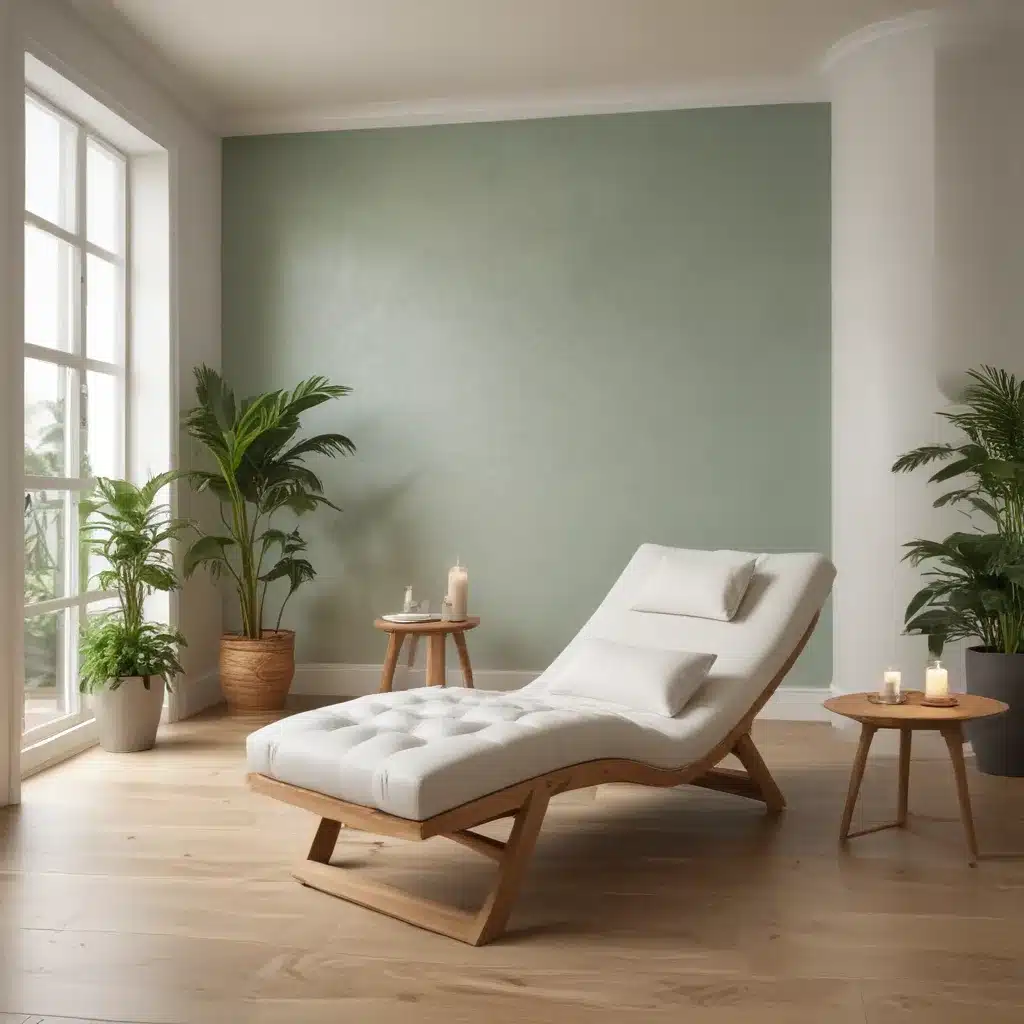
Unwind and Recharge: Crafting Spaces for True Relaxation
In the bustling city of Aberdeen, where the rhythm of life can sometimes feel relentless, the need for moments of true relaxation has never been more crucial. As a building and renovation company with deep roots in this vibrant community, we understand the transformative power of design when it comes to creating spaces that soothe the soul and rejuvenate the spirit.
Research from the Design Society reveals that stress is a growing concern, affecting a significant portion of our society. As designers, we have the opportunity to harness this knowledge and translate it into products, services, and environments that can provide genuine relief and respite.
Embracing the Science of Relaxation
The “Design for Relaxation” model, developed by researchers Michčle Stoop and Dirk Snelders from Delft University of Technology, offers a framework for understanding the complex interplay between design and stress reduction. This model suggests that designers can strategically incorporate elements that address the physiological, cognitive, and emotional aspects of stress, ultimately creating spaces that foster a sense of calm and well-being.
One of the key insights from this research is the recognition that stress manifests not only in physical symptoms but also in our mental and emotional states. By considering the holistic impact of design on the user, we can craft environments that cater to these diverse needs.
Designing for the Senses
When it comes to cultivating relaxation, the role of the senses cannot be overstated. As explored in the Rust programming language discussion, the interplay between sensory stimuli and our physiological responses is a crucial factor in achieving a state of calm and contentment.
In our design approach, we prioritize the careful orchestration of light, sound, texture, and even scent to create a harmonious sensory experience. Soft, indirect lighting can evoke a sense of tranquility, while the gentle murmur of running water or the soothing crackle of a fireplace can help to soothe the mind. Tactile elements, such as plush fabrics or smooth, natural materials, can provide a comforting tactile experience that encourages the body to unwind.
Inspired by the captivating visuals found in animated shows, we also explore the power of visually engaging design to promote relaxation. Serene landscapes, whimsical details, and a strategic use of color can transport the mind to a state of wonder and contemplation, effectively counteracting the stresses of everyday life.
Functionality and Flexibility
While the aesthetic and sensory aspects of design are crucial, we also recognize the importance of functionality and flexibility in creating truly relaxing spaces. Drawing insights from the research on the role of animation in relaxation, we strive to design environments that can adapt to the unique needs and preferences of each individual.
Multifunctional furniture, convertible spaces, and customizable lighting and temperature controls allow users to shape their surroundings to suit their mood and activity. Whether it’s a cozy nook for reading, a dedicated meditation area, or a versatile family room, our design approach ensures that the space can evolve and respond to the ever-changing demands of modern life.
Rediscovering the Joy of Simplicity
In a world that often values opulence and excess, we find solace in the restorative power of simplicity. Vintage designs from the mid-20th century, such as the “Family Hospitality Relaxation Unit,” serve as a reminder that the most profound relaxation can be found in the thoughtful arrangement of essential elements.
By embracing a minimalist aesthetic and prioritizing the thoughtful curation of materials, textures, and furnishings, we create spaces that allow the mind to rest and the senses to be gently stimulated. This approach encourages a sense of focus and presence, inviting the user to truly engage with their surroundings and find respite from the constant demands of the outside world.
Fostering Connections and Community
While relaxation is often associated with solitude and personal reflection, we also recognize the importance of fostering meaningful connections and a sense of community. Spaces that encourage social interaction, whether it’s a cozy conversation nook or a multipurpose gathering area, can play a vital role in cultivating a holistic sense of well-being.
By incorporating design elements that facilitate social engagement, such as comfortable seating arrangements, shared work surfaces, or communal dining areas, we create opportunities for people to come together, share experiences, and draw strength from one another. This sense of belonging and support can be a powerful antidote to the stresses of daily life, promoting a deeper sense of relaxation and contentment.
Bringing it All Together: The ABC Home Approach
At ABC Home, our design philosophy is rooted in the belief that truly exceptional living spaces must prioritize relaxation as a core principle. By blending the scientific insights into stress reduction, the sensory delights of design, and the restorative power of simplicity, we create environments that invite our clients to unwind, recharge, and embrace the joys of everyday life.
Whether it’s a serene family home, a tranquil private retreat, or a nurturing community space, our team of designers and builders work hand-in-hand to craft tailored solutions that address the unique needs and aspirations of each individual. By seamlessly integrating functionality, flexibility, and a holistic approach to well-being, we strive to transform houses into havens of relaxation, where the stresses of the world melt away, and the soul can truly find its respite.
So, if you’re ready to embark on a journey of design-driven relaxation, we invite you to explore the possibilities with ABC Home. Together, let’s elevate the art of living and create spaces that inspire a sense of calm, contentment, and a renewed zest for life.


