
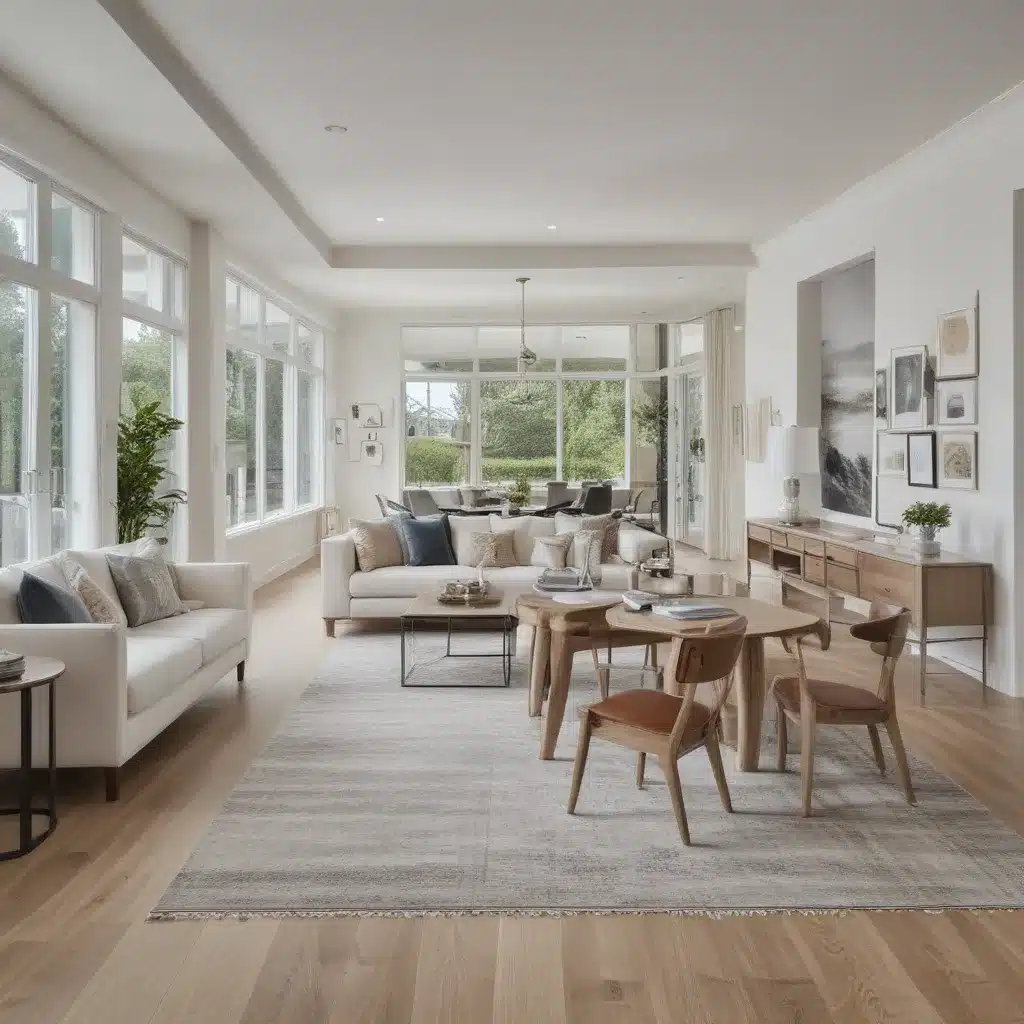
Lessons Learned from a Broken-Plan Living Room
When I first moved into my apartment, I couldn’t wait to get started on the open-plan layout. My space was that strange middle ground between a true open-plan and a collection of separate rooms – the entryway flowed right into the living room, which also had to double as a dining area and a workspace, and the kitchen led on from that through a wide open archway. I was determined to turn this main living room into a multifunctional, hardworking space that still felt open, light, and not too cluttered. Safe to say, it was no easy feat, and I reconfigured that room so many times before I finally landed on a layout that worked.
In the process, I made a lot of mistakes that I wish I had known to avoid from the start. So consider this your crash course on what not to do when designing zones within an open floorplan, straight from someone who’s been there, done that. Homes & Gardens has some great insights on this topic as well.
Mistake #1: Floating the Sofa in the Center
The first major misstep I made was putting my sofa directly in the center of the room. When I first viewed the apartment, that’s how the previous owners had it set up, with the sofa facing the fireplace and creating a cozy little living area. It worked for them, but when I tried the same configuration with my smaller, lower-profile couch, it just looked awkward.
As soon as you walked in, your eye was immediately drawn to the bulk of the sofa, blocking the flow of the room. It created this strange, disconnected walkway behind the couch that felt out of place. The key in an open floorplan is to keep the layout as visually streamlined as possible – constantly stepping back to evaluate whether any piece of furniture is standing out or disrupting the overall sense of openness.
Mistake #2: Pushing Furniture Against the Walls
After the “zoning” approach didn’t really work, my next attempt was to push all the furniture up against the walls, leaving a big empty space in the middle of the room. In terms of making the space look bigger, this did the trick, but everything felt a bit disjointed. The TV was miles away from the sofa, and the dining table felt like it was encroaching on the living area rather than being a seamless part of the multi-purpose space.
As designer Kati Curtis points out, “While it might seem intuitive to push furniture against walls to create more floor space, this can actually make conversations feel disconnected. Try arranging furniture in a way that encourages interaction and conversation, the furniture doesn’t have to (and shouldn’t) touch the walls.” Tom Rutt of TR Studios agrees, saying “It’s really key to zone areas so that the room feels balanced and so that there are focal points across the space. You can use furniture to delineate an area, lighting, and also rugs are a great way to do this.”
Finding the Right Balance with Rugs and Furniture
After those initial missteps, I finally landed on a layout that worked – using area rugs to subtly define different zones within the open space. My living room isn’t big enough to section off with furniture, but the rugs do the trick without adding too much visual bulk.
Jennifer Ebert, editor of Homes & Gardens, agrees that “Area rugs work wonders in open-plan spaces. They can help to zone a broken plan living room without adding the visual bulk that furniture would. I would recommend either using the same rugs in different sizes or shapes throughout the space or choosing two rugs that still have a link, maybe in the colors or the material.”
And the key is to make sure some of your furniture is actually sitting on top of the rugs, which helps reinforce those defined zones. You want to avoid a rug that’s just floating in the middle of the room with an awkward gap around the edges.
Defining Zones and Finding a Focal Point
When it comes to zoning an open floorplan, the general advice is to create distinct areas based on function – a living space, a dining area, a workspace, etc. If your room is large enough, you can use furniture as subtle “walls” to delineate those different zones and create natural pathways through the space.
But it’s also important to choose a focal point for the room – whether that’s the TV, a fireplace, or a feature wall – and let that anchor the overall layout. That will give your open-plan design a bit more structure, even with all the different functions happening.
And don’t feel like you have to stick to a single style or aesthetic throughout the whole space. In fact, Homes & Gardens advises against that, saying “You want the room to have character, and choosing slightly different styles for different parts of the room can create those zones we have talked so much about. However, you still want the space to feel cohesive, so create a link between those styles, whether it’s a color a finish, or a piece of furniture that runs between the two areas.”
The key is finding that right balance – zones that make the space functional, a focal point that gives it structure, and an overall cohesive look that ties it all together. It takes some trial and error, but once you nail it, your open floorplan will be the envy of all your friends.
And hey, if you’re in the Aberdeen area and need some help designing your dream home, be sure to check out ABC Home – they’ve got a team of experts who can guide you through the process from start to finish. Wishing you all the best in your open-plan adventures!


