
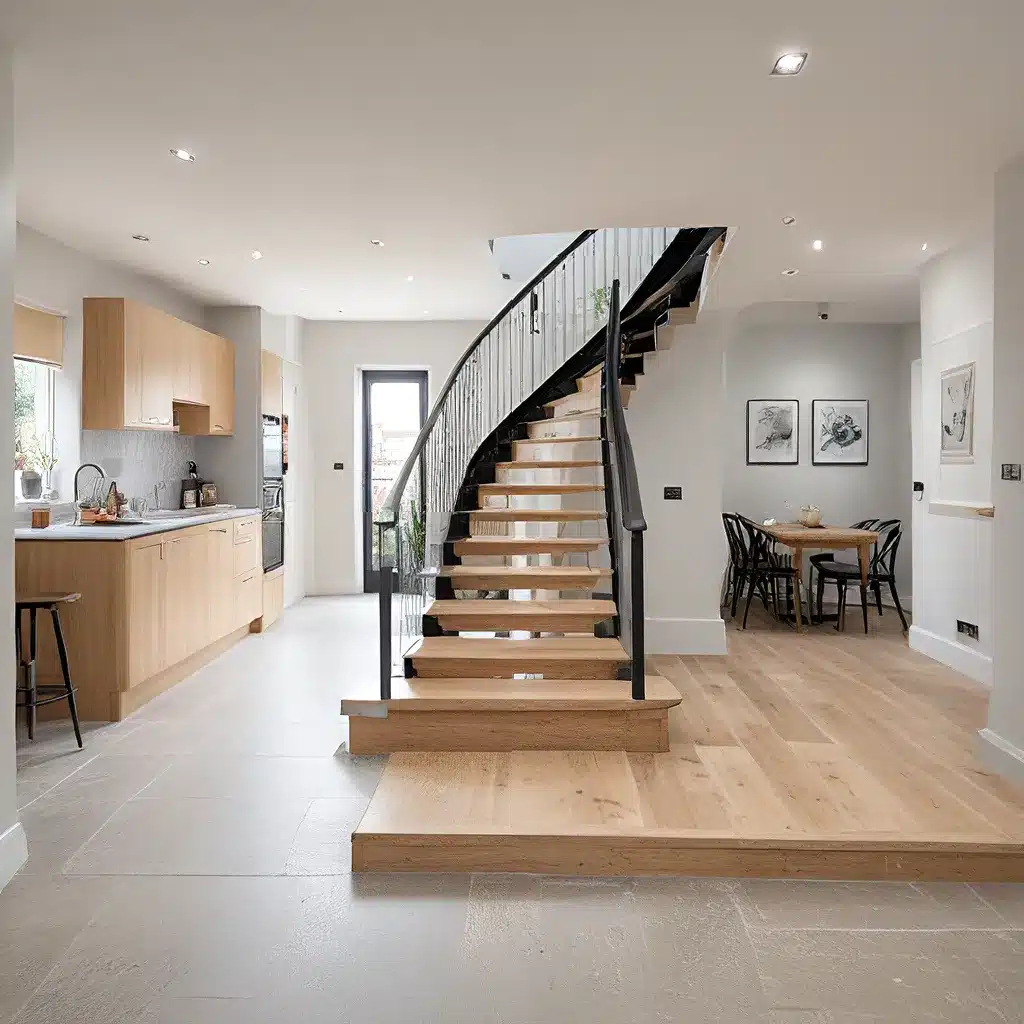
When my parents decided to add a downstairs extension to their Aberdeen home, I’ll admit I had some concerns. Not because I doubted their vision, or the builders they hired – ABC Home Extension Experts are truly top-notch. No, my worry stemmed from a more personal place. You see, my grandmother has been living with us for the past few years, and with her advancing age and mobility challenges, I couldn’t help but wonder how the renovation would impact her accessibility.
Assessing Accessibility Needs
As someone who cares deeply about my grandmother’s wellbeing, the first thing I did was have an honest conversation with her. I wanted to understand her specific needs and concerns when it came to navigating the new space.
“Granny,” I said, placing a gentle hand on her arm, “I know this construction is going to be disruptive for a while. But I want to make sure the end result works for you. What kind of things do you struggle with in the current layout?”
She thought for a moment, her brow furrowed in concentration. “Well, dear, the stairs can be a real challenge some days. And that step up into the kitchen – I have to be so careful, you know. Oh, and the bathroom, bless its heart, is just a tad too small for my liking.”
I nodded sympathetically, jotting down her concerns. Accessibility was clearly going to be a key consideration in the design process. The Americans with Disabilities Act (ADA) design standards outline specific guidelines for things like minimum clearance widths, maximum ramp slopes, and accessible features in bathrooms. While these regulations are based on the US market, they provide a helpful framework for thinking about inclusivity in home renovations.
Prioritizing Mobility
One of the first items on my list was ensuring smooth, unobstructed mobility throughout the new space. This meant eliminating tripping hazards, widening doorways, and incorporating ramps or zero-step entries wherever possible.
“What if we turned the spare room into a ground-floor bedroom for you, Granny?” I suggested. “That way, you wouldn’t have to navigate the stairs multiple times a day. And we could make the ensuite bathroom extra spacious and fully accessible.”
Her eyes lit up at the idea. “Oh, that does sound lovely, dear. And I do so enjoy having my own little nook, you know.”
Fair Housing Act design guidelines recommend a minimum 36-inch clear width for hallways and passages, which would give Granny ample room to move around with her walker. And by positioning the new bedroom close to the main living area, we could create a seamless flow that would make her daily routines a breeze.
Rethinking the Bathroom
Of course, the bathroom was another crucial consideration. As Granny had mentioned, the existing one was a bit cramped for her liking. So, in the downstairs extension, we dedicated a sizable portion of the floorplan to a fully accessible en-suite.
“I want this to be your own little spa retreat, Granny,” I told her, excitedly sketching out my vision. “Extra-wide doorways, a curbless shower with built-in seating, and grab bars strategically placed. Oh, and don’t forget the adjustable-height vanity!”
ADA bathroom guidelines specify things like a minimum 60-inch turning radius, properly positioned fixtures, and reinforced walls to support mounted grab bars. Implementing these details would not only make the space more functional for Granny but also give her a wonderful sense of independence and comfort.
Crafting Comfortable Living
Beyond the practical accessibility elements, I was also determined to infuse the downstairs extension with a warm, inviting atmosphere – a space Granny would truly enjoy spending time in.
“What if we incorporated some cozy nooks and quiet reading spots?” I mused, sketching out various furniture arrangements. “Somewhere you can curl up with a good book and your knitting, Granny.”
And of course, plenty of natural light would be a must. Accessibility guidelines suggest using contrasting colors and textures to help visually define different zones, so I planned to play with warm wood tones, plush fabrics, and perhaps even a cheerful floral wallpaper accent wall.
“I want this to feel like your own little sanctuary, Granny – a place where you can truly relax and feel at home,” I assured her, giving her hand a gentle squeeze.
Embracing Smart Home Tech
As I delved deeper into the design process, I couldn’t help but consider the role of smart home technology in enhancing accessibility. After all, modern innovations can make a world of difference when it comes to improving independence and quality of life for older adults.
“What do you think about integrated voice controls, Granny?” I asked, excitedly. “Imagine being able to turn on the lights, adjust the temperature, or even call for help with just a simple voice command.”
Her eyes widened with interest. “Well, that does sound mighty convenient, dear. And I suppose it would be easier than fumbling with all those little buttons and switches.”
Incorporating smart home features like these would not only make Granny’s daily tasks more manageable but also provide an added layer of safety and security. I made a mental note to research the latest assistive technologies and integrate them seamlessly into the renovation plan.
Blending Form and Function
As the design process progressed, I found myself constantly balancing form and function, always keeping Granny’s needs and preferences at the forefront. After all, this wasn’t just a renovation – it was a chance to create a space that would truly enhance her quality of life.
“I want this extension to be beautiful, yes, but more importantly, I want it to work for you, Granny,” I told her, squeezing her hand affectionately. “Everything from the layout to the finishes will be tailored with your comfort and independence in mind.”
And as the construction kicked into high gear, I couldn’t help but feel a growing sense of excitement. This wasn’t just another home renovation project – it was an opportunity to create a truly accessible, inclusive, and welcoming space that would allow my beloved grandmother to thrive.
So, if you’re embarking on a downstairs extension of your own, I urge you to consider accessibility from the very start. It may require a bit of extra planning and thought, but the payoff – in the form of a space that truly enriches the lives of its occupants – is more than worth it.


