
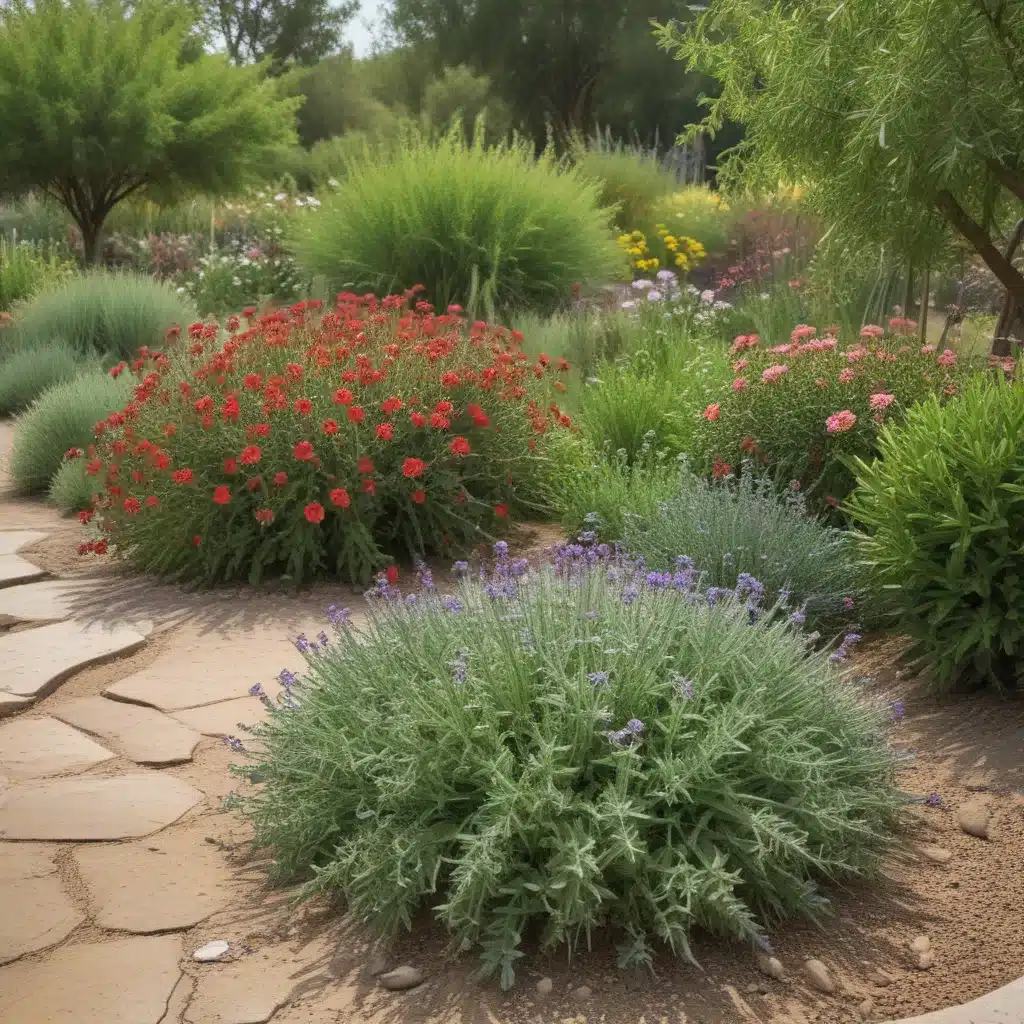
Cultivating a Lush Oasis in the Face of Water Scarcity
As the director of ABC Home & Renovation, I’ve seen my fair share of gardens – from sprawling estates to cozy urban plots. But one thing that’s become increasingly important to our clients is designing landscapes that can thrive with minimal water. That’s why I’m excited to share my tips and tricks for creating a low-maintenance, drought-resistant garden that’s both beautiful and sustainable.
You see, the UK has been experiencing more frequent heatwaves and periods of prolonged drought in recent years. And as a company rooted in Aberdeen, we know all too well the challenges of trying to keep a garden alive and vibrant when Mother Nature isn’t cooperating. But through careful plant selection, strategic irrigation, and a bit of horticultural know-how, I’ve learned that it’s absolutely possible to cultivate a lush oasis – even in the driest of conditions.
Embracing Xeriscape Principles
The first step in designing a drought-resistant garden is to understand the principles of xeriscape – a landscaping approach that emphasizes water conservation. The key is to select plants that are well-suited to the local climate and require little to no supplemental irrigation once they’re established.
Now, I know what you might be thinking: “Xeriscaping? Isn’t that just a fancy word for a boring, cactus-filled desert?” Not at all! A well-designed xeriscape can be just as vibrant and visually captivating as a traditional English garden. The trick is to focus on native and Mediterranean-inspired species that thrive in dry conditions, while incorporating strategic hardscaping and water-wise irrigation techniques.
One of my personal favorite xeriscape plants is the hardy and drought-tolerant lavender. Not only does it add a gorgeous pop of purple to any garden, but its fragrant blooms also attract pollinators like bees and butterflies. Another go-to is the resilient, low-maintenance sedum, with its succulent leaves and delicate flowers that come in a variety of colors.
But it’s not just about the plants – the layout and design of the garden also play a crucial role in water conservation. For example, grouping plants with similar water needs together can help maximize efficiency, while using mulch to retain moisture in the soil. And strategic placement of hardscaping elements like gravel, stone, or even artificial turf can reduce the overall need for irrigation.
Harnessing the Power of Rainwater Harvesting
Of course, even the most drought-resistant garden will still require some water to thrive. That’s where rainwater harvesting comes in. By installing a simple collection system, you can capture and store precipitation for use in your garden, reducing your reliance on municipal water supplies.
Now, I know what you’re thinking – “Rainwater harvesting? Isn’t that just for off-the-grid hippies living in the middle of nowhere?” Not at all! In fact, many of our clients in Aberdeen have implemented rainwater harvesting systems with great success. It’s a surprisingly easy and cost-effective way to become more self-sufficient and sustainable.
The basic setup involves a rain barrel or cistern connected to your downspouts, which can then be used to water your plants or even flush your toilets. And the best part? You don’t need to be a plumbing expert to do it. ABC Home & Renovation can handle the installation for you, ensuring that your rainwater harvesting system is both efficient and up to code.
But the benefits of rainwater harvesting go beyond just water conservation. By reducing your reliance on treated municipal water, you’re also helping to alleviate the strain on local water resources – a win-win for both your garden and the environment.
Crafting a Lush, Low-Maintenance Oasis
Now, I know what you might be thinking: “Okay, I get the whole xeriscape and rainwater harvesting thing, but how do I actually create a beautiful, low-maintenance garden?” Well, fear not, my friends – I’ve got you covered.
One of the keys to a successful drought-resistant garden is to create a layered landscape with a mix of textures, colors, and heights. This not only adds visual interest, but it also helps to retain moisture in the soil and provide natural shade for your plants.
For example, you might start with a base of drought-tolerant groundcovers like sedum or thyme, then layer in taller, more structural plants like yucca or agave. And don’t forget about the power of ornamental grasses – they add movement and softness to the garden, while requiring very little water.
Another important consideration is irrigation. Instead of relying on traditional sprinklers, which can waste a lot of water through evaporation, consider installing a drip irrigation system. These deliver water directly to the roots of your plants, minimizing waste and ensuring that every drop counts.
And let’s not forget about the importance of mulch – a layer of organic material like wood chips or bark can help to retain moisture in the soil and suppress weeds, reducing the need for constant maintenance.
Of course, no garden is truly low-maintenance without the right plant selection. That’s why it’s crucial to do your research and choose species that are well-suited to the local climate and soil conditions. Believe me, I’ve made the mistake of trying to grow thirsty, high-maintenance plants in our Aberdeen garden, and let’s just say it didn’t end well.
Bringing It All Together: A Case Study in Sustainable Gardening
Now, I know all of this might sound a bit overwhelming, but let me share a real-life example that’ll show you just how beautiful and rewarding a drought-resistant garden can be.
A few years ago, we worked with a client in the heart of Aberdeen who had a large, neglected backyard that was completely overrun with weeds and struggling plants. They wanted to transform it into a lush, low-maintenance oasis that could withstand the region’s increasingly dry summers.
Working closely with our team of landscape designers, they decided to embrace the principles of xeriscape, selecting a mix of native and Mediterranean-inspired plants that could thrive with minimal water. We also installed a rainwater harvesting system, complete with a decorative rain barrel and a series of underground pipes to distribute the water where it was needed most.
To add visual interest and texture, we incorporated a variety of succulents, ornamental grasses, and shrubs, carefully arranging them in a way that would maximize water efficiency. We also used decomposed granite as a groundcover, which not only looked stunning but also helped to retain moisture in the soil.
The result? A truly stunning garden that’s bursting with life, even during the hottest, driest months of the year. And the best part? Our client tells us that they barely have to lift a finger to maintain it – just a quick check of the rainwater levels and the occasional trim to keep things looking tidy.
Embracing the Joys of Drought-Resistant Gardening
So there you have it, my friends – the secrets to creating a low-maintenance, drought-resistant garden that’s both beautiful and sustainable. Sure, it might take a bit of planning and some upfront investment, but trust me, the payoff is more than worth it.
Imagine being able to enjoy a lush, vibrant oasis without constantly worrying about water restrictions or the cost of your utility bills. And let’s not forget the environmental benefits – by reducing your reliance on municipal water supplies, you’re doing your part to conserve this precious natural resource and protect our planet for future generations.
But beyond the practical advantages, there’s also something deeply satisfying about cultivating a garden that can thrive with minimal human intervention. It’s a testament to the resilience of nature and a reminder that we can coexist in harmony with our environment, even in the face of changing climate conditions.
So what are you waiting for? Embrace the joys of drought-resistant gardening and let your creativity run wild. Who knows, you might just end up with the most stunning, low-maintenance oasis on the block. And if you need a little help along the way, you know where to find us – at ABC Home & Renovation, we’re always here to lend a hand (and a green thumb).


