
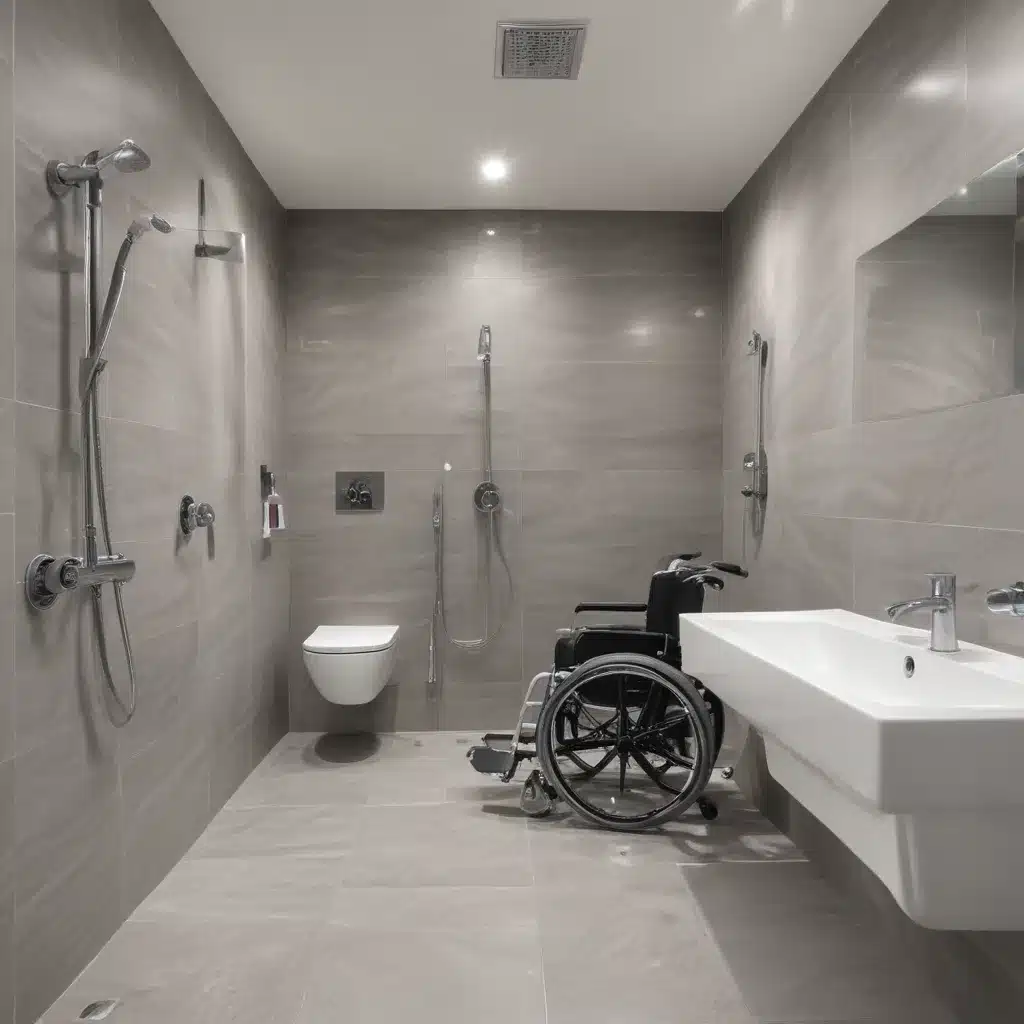
Designing a Wheelchair Friendly Wet Room
As a person with a disability who has moved several times and traveled extensively, I’ve seen and used numerous different accessible bathroom designs. I’ve experienced both the benefits and limitations of various accessible public restrooms and hotel restrooms, and I always knew I wanted to come up with a better way to make my own bathroom wheelchair accessible.
When I moved from Los Angeles to San Diego in 2007 and bought a house that needed a significant wheelchair accessible bathroom remodel, I decided to try a new idea: the wet bath. It worked so well that when I faced an unexpected move in 2014 after being attacked in a home invasion, I knew I would need a similar design. So when I renovated the bathroom of my new home, I turned it into a wheelchair accessible wet bath, and it has once again worked out great.
People with physical disabilities are a diverse community with very different needs. However, I believe the wet bath design would benefit people with a wide array of conditions and make life easier for them and their caregivers. I’d like to share photos and explain the benefits and drawbacks of a wet bath remodel for disability accessibility.
What is a Wet Bath?
A wet bath is a bathroom where part or all of the room is designed to accommodate water. These areas are larger than a typical shower and the walls are protected from water damage with tile or fiberglass. The floor is typically tile with concrete underneath, but stamped concrete or metal floors are also an option.
Wet baths are often used in small RVs, and they are also more common in Europe and Asia where bathroom space can be limited. However, they have been very underutilized as an option for disability access in the United States.
The Benefits of a Wet Bath
One of the biggest benefits of a wet bath is that it allows you to roll a wheelchair into the space that would otherwise be occupied by a shower stall. This is essential, as an accessible bathroom needs to have space to park a wheelchair next to the toilet.
If you’ve ever used a roll-in shower, you probably know that they tend to leak. Even with a curtain, water easily flows over the floor barrier and can flood your bathroom because it has no place to go. With a wet bath, there are multiple drains in the bathroom, so when properly installed, the water just flows out.
Transferring is also easier with a wet bath. You can scoot from your wheelchair to the toilet or shower bench and stay where you land, rather than having to slide over into a shower, lift your legs over a tub, or use a shower bench with a sliding seat.
Another great perk is the ability to do quick refreshes or cleanups on the toilet, regardless of whether or not you typically shower there. A hand-held shower wand can make this a breeze, and if the distance is farther than the length of a typical hose, you can order a longer one online.
Designing an Accessible Wet Bath
When I renovated the bathroom in my current home, I decided to go with a wet bath design that has two entrances – one to roll in, and one to exit. I find this setup to be very convenient, as Matt can wheel into one side and exit the other without having to turn around.
The two-entrance design also gives me a natural placement for a bathtub, which I thought would be a nice addition. And we were able to work with the current window placement, although I wanted a much shorter window than the original 60-inch one, placed higher on the wall to allow in light without providing a peep show for the neighbors.
In terms of the shower area itself, I opted for a big, rectangular design with one large entrance. I find that using a shower curtain is much easier to maneuver than dealing with any kind of glass enclosure or door.
Of course, getting the wet bath designed and installed properly is crucial. It’s essential to have a qualified professional who understands how to create the right slopes for the water to reach the drains, and to make sure the floor is sealed from any access to wood. Improper installation can lead to leaks and water damage.
I’ve found that keeping a squeegee in the bathroom and having my assistant spend 1-2 minutes pushing any remaining water to the nearest drain after each shower helps prevent issues. I also make sure to run the bathroom fan for a few hours after showering.
The Cost of a Wet Bath Remodel
The cost of a wet bath remodel can vary depending on whether it’s for new construction or an existing bathroom. In my case, the bathrooms in my last two houses needed a full remodel anyway, so it didn’t really cost more to set it up as a wet bath.
I strongly believe that creating the best access to meet your needs is worth the investment. If you are receiving funding for remodeling, it shouldn’t be difficult to write medical justification as to why you would need the wet bath over other options. And if you are employed, remember that home modification costs can be deducted from your countable income for purposes of receiving Medicaid, SSDI and other benefits.
Overall, the wet bath design has been a game-changer for my accessibility and independence. While it may require some extra planning and a qualified contractor, I believe it’s well worth it to create a bathroom that truly meets your needs. If you’re in the process of designing or renovating an accessible bathroom, I’d highly recommend considering the wet bath approach.
And if you have any other questions, feel free to reach out. I’m always happy to share my experiences and insights to help make your home more wheelchair friendly. After all, the ABC Home is where the heart is, and it should be accessible for everyone.


