
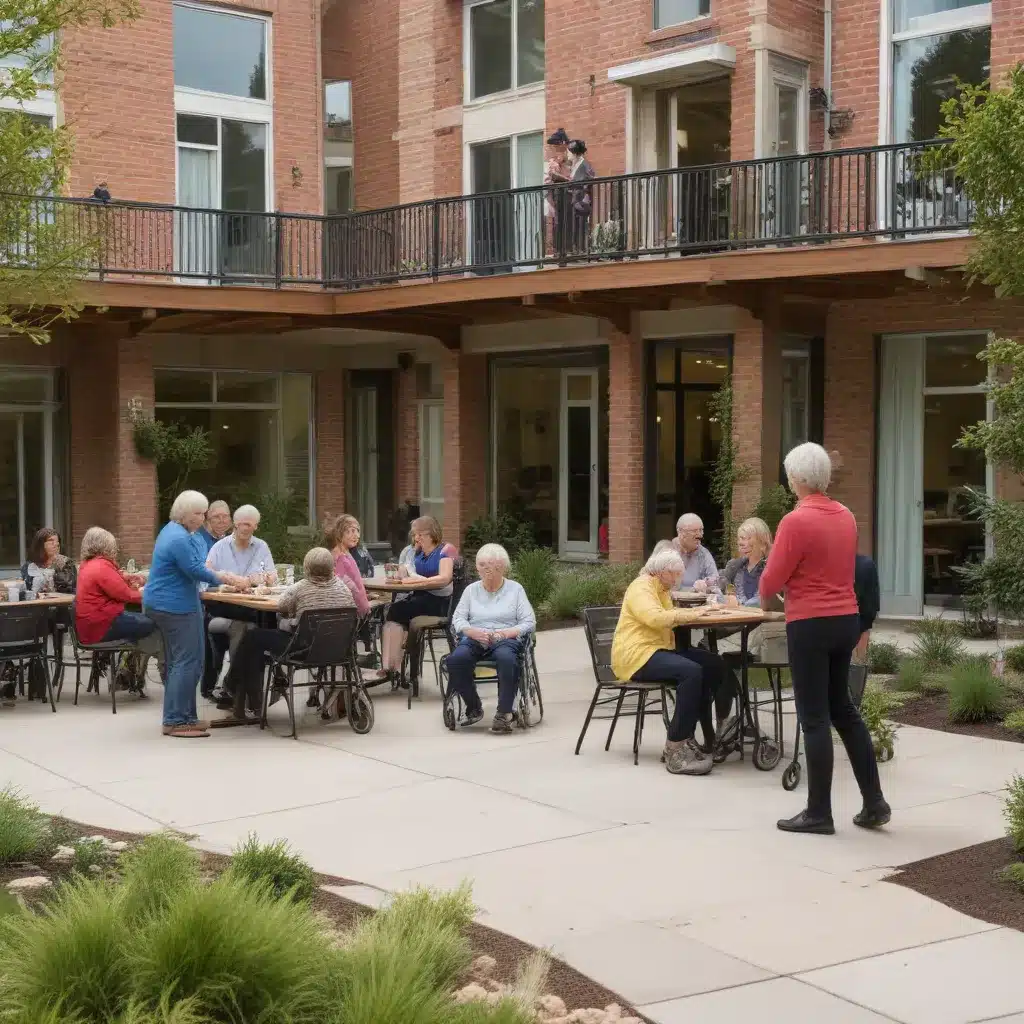
Navigating the Evolving Landscape of Multigenerational Living
In the UK, the concept of multigenerational living, where multiple generations reside under one roof, has gained significant traction in recent years. This living arrangement offers a myriad of benefits, from financial savings to enhanced social support. However, designing a home that caters to the diverse needs of all family members requires a thoughtful and strategic approach, particularly in the context of the UK’s building regulations and sustainable practices.
As of September 2024, the UK has updated its building codes and guidelines to better address the unique considerations of multigenerational households. These regulations aim to ensure that the design and construction of such homes not only comply with safety standards but also provide a comfortable and accessible environment for individuals of all ages and abilities.
Understanding UK Building Regulations for Multigenerational Homes
The UK’s Building Regulations, as outlined in Approved Document M (Access to and Use of Buildings), stipulate specific requirements for the design of multigenerational homes. These regulations focus on improving accessibility, safety, and adaptability to accommodate the needs of occupants throughout their lifetime.
Key Regulatory Considerations:
-
Accessibility: Provisions for level access, wide doorways, and smooth transitions between rooms are mandatory to ensure ease of movement for individuals with limited mobility, including the elderly and those with disabilities.
-
Adaptability: The design must allow for future modifications, such as the installation of stairlifts or the conversion of spaces to suit changing needs, without significant structural alterations.
-
Safety: Measures like non-slip flooring, adequate lighting, and strategically placed grab bars in bathrooms are essential to prevent accidents and promote a secure living environment.
-
Energy Efficiency: The design must adhere to the UK’s energy efficiency standards, as outlined in Approved Document L (Conservation of Fuel and Power), to minimize energy consumption and reduce carbon footprint.
-
Ventilation and Indoor Air Quality: Proper ventilation systems and air quality control are crucial to maintaining a healthy indoor environment for all occupants, particularly those with respiratory conditions.
By understanding and adhering to these regulatory guidelines, designers and builders can create multigenerational homes that not only meet the legal requirements but also provide a comfortable, safe, and sustainable living experience for families in the UK.
Crafting Harmonious Layouts for Multigenerational Homes
Designing a multigenerational home involves striking a delicate balance between shared spaces and private retreats, ensuring that the diverse needs of each generation are seamlessly accommodated.
Communal Spaces: Fostering Togetherness
The heart of a multigenerational home lies in its communal areas, where family members can gather, interact, and share experiences. These spaces should be designed to encourage cross-generational engagement and support a sense of belonging.
Considerations for Communal Spaces:
- Open-Concept Design: Removing physical barriers between living, dining, and kitchen areas can promote better interaction and supervision, especially for families with young children or elderly members.
- Flexible Furnishings: Incorporating adaptable furniture, such as extendable tables and modular seating, allows for easy reconfiguration to accommodate different activities and gatherings.
- Accessibility and Safety: Ensuring wide doorways, non-slip flooring, and minimal level changes enables free movement and reduces the risk of accidents for all occupants.
Private Retreats: Preserving Personal Space
While communal spaces foster togetherness, it is equally crucial to provide each family member with a sense of personal privacy and independence. Carefully designed private areas can offer a sanctuary for individuals to recharge, pursue their interests, or simply enjoy quiet time.
Strategies for Private Retreats:
- Separate Entrances: Providing distinct entrances for adults and elderly parents can enhance their autonomy and sense of independence, while maintaining the overall cohesion of the household.
- Soundproofing: Incorporating sound-absorbing materials and strategic layout planning can help minimize noise transfer between private spaces, ensuring that individual activities and routines are not disrupted.
- Dedicated Suites: Incorporating private suites with en-suite bathrooms for adult children or aging parents can offer a heightened sense of privacy and personal comfort.
By thoughtfully balancing communal areas and private retreats, designers can create a harmonious and functional multigenerational home that caters to the needs of all its occupants.
Embracing Accessibility and Safety for All Generations
Ensuring accessibility and safety is paramount when designing a multigenerational home, as it directly impacts the quality of life and independence of its residents. The UK’s building regulations emphasize the importance of universal design principles, which aim to create spaces that are usable by people of all ages and abilities.
Key Accessibility and Safety Considerations:
- Mobility and Movement:
- Wide doorways and hallways to accommodate wheelchairs, walkers, and other mobility aids.
- Single-level living or the incorporation of elevators/stairlifts to minimize the need for stairs.
-
Smooth transitions between rooms and levels, with no abrupt changes in floor height.
-
Bathrooms and Kitchens:
- Adjustable-height countertops and sinks to accommodate users of various statures.
- Curbless showers with built-in seating and grab bars for safety.
-
Lever-style faucets and door handles for easy operation.
-
Lighting and Visibility:
- Ample, well-placed lighting to improve visibility and reduce the risk of falls.
- Contrast between floors, walls, and furniture to enhance spatial awareness.
-
Glare-free surfaces and window treatments to minimize eye strain.
-
Smart Home Technologies:
- Integration of voice-controlled assistants, remote monitoring, and home automation systems to simplify daily tasks and enhance independence.
- Programmable thermostats and sensors to maintain comfortable temperatures for all occupants.
- Video doorbells and security systems to promote safety and security.
By incorporating these accessibility and safety features, designers can create a multigenerational home that empowers residents to live independently, while also providing a secure and comfortable environment for all.
Sustainable and Cost-Effective Building Practices
In the UK, the design and construction of multigenerational homes must also consider the principles of sustainability and cost management to ensure long-term viability and affordability.
Embracing Sustainable Building Practices
The UK government has set ambitious targets for reducing carbon emissions and promoting energy efficiency in the built environment. Designers of multigenerational homes must adhere to these guidelines to create eco-friendly and resource-efficient dwellings.
Sustainable Design Strategies:
- Energy-Efficient Building Envelope: Utilizing high-performance insulation, airtight construction, and energy-efficient windows to minimize heat loss and reduce energy consumption.
- Renewable Energy Integration: Incorporating solar photovoltaic systems, heat pumps, or other renewable energy technologies to generate on-site power and reduce reliance on fossil fuels.
- Water Conservation: Implementing water-efficient fixtures, rainwater harvesting systems, and greywater recycling to minimize water usage and reduce the strain on local resources.
- Sustainable Materials: Selecting building materials with low embodied carbon, such as timber, recycled content, or locally sourced materials, to minimize the environmental impact of construction.
- Passive Design Principles: Leveraging the site’s orientation, natural ventilation, and passive solar strategies to enhance the home’s energy performance and reduce the need for mechanical heating and cooling.
By embracing sustainable building practices, designers can create multigenerational homes that not only meet the UK’s environmental regulations but also provide long-term cost savings for their occupants.
Cost Management Strategies
Designing a multigenerational home can be a significant financial investment. However, by implementing strategic cost management techniques, builders and homeowners can ensure that the project remains affordable and within budget.
Cost-Effective Strategies:
- Modular and Adaptable Design: Incorporating flexible and modular design elements, such as convertible spaces and movable partitions, can allow the home to evolve with the changing needs of the family, reducing the need for costly renovations in the future.
- Phased Construction: Considering a phased approach to construction, where the home is built in stages, can help spread out the financial burden and allow for more manageable budgeting.
- Leveraging Government Incentives: Exploring available government incentives and subsidies, such as the UK’s Green Homes Grant or Energy Company Obligation (ECO) scheme, can offset the upfront costs of sustainable building technologies.
- Efficient Space Utilization: Maximizing the functionality of each square meter through thoughtful space planning can help minimize the overall footprint and construction costs.
- Maintenance and Longevity: Selecting durable, low-maintenance materials and systems can reduce the long-term operating and repair costs associated with the home, providing better value for the investment.
By striking a balance between sustainable practices and cost-effective strategies, designers can create multigenerational homes that are not only environmentally responsible but also financially accessible for families in the UK.
Embracing Technology and Enabling Remote Work
In the post-pandemic era, the design of multigenerational homes must also consider the evolving needs of remote work and enhanced communication. Integrating smart home technologies and dedicated workspaces can significantly improve the functionality and adaptability of these living environments.
Enhancing Communication and Connectivity
The integration of smart home technologies can play a pivotal role in fostering better communication and providing a sense of security for multigenerational households.
Smart Home Features to Consider:
- Video Doorbells and Intercom Systems: Enabling remote monitoring and easy communication between different areas of the home.
- Home Automation: Allowing for the centralized control of lighting, temperature, and other household systems to simplify daily routines.
- Remote Access and Monitoring: Providing family members with the ability to check on the wellbeing of elderly or vulnerable occupants from anywhere.
- Voice-Controlled Assistants: Empowering residents, particularly the elderly, to manage various tasks and access information hands-free.
Accommodating Remote Work and Study
The pandemic has also highlighted the need for dedicated spaces within multigenerational homes that support remote work and education. Designing these areas with functionality, privacy, and productivity in mind can enhance the overall living experience.
Considerations for Home Offices and Study Spaces:
- Dedicated Workstations: Creating well-equipped, ergonomic workspaces for adults and study areas for children to maintain a healthy work-life balance.
- Acoustic Separation: Incorporating soundproofing measures and strategic zoning to minimize distractions and ensure privacy for remote workers and students.
- Access to Technology: Ensuring reliable high-speed internet, ample power outlets, and the integration of smart home features to support seamless remote connectivity.
- Adaptability and Versatility: Designing flexible spaces that can transition between work and leisure, accommodating the evolving needs of the family.
By seamlessly integrating smart home technologies and dedicated workspaces, designers can create multigenerational homes that foster better communication, productivity, and a sense of community within the household.
Conclusion
Designing multigenerational havens in the UK requires a comprehensive approach that addresses the diverse needs of all family members, while also adhering to the country’s building regulations and sustainable practices. By striking a balance between communal spaces and private retreats, embracing accessibility and safety features, implementing cost-effective strategies, and leveraging technology, designers can create living environments that not only meet the functional requirements but also enhance the overall quality of life for multigenerational households.
As the demand for multigenerational living continues to grow in the UK, the design of these homes will play a pivotal role in shaping the future of family-centric communities. By staying informed about the latest regulatory changes, sustainable building trends, and technological advancements, designers can continue to push the boundaries of what is possible in the realm of multigenerational home design, ultimately creating spaces that foster harmony, independence, and a sense of belonging for families across the country.
To learn more about the design and construction of multigenerational homes that comply with UK regulations, please visit https://abc-home.co.uk/.


