
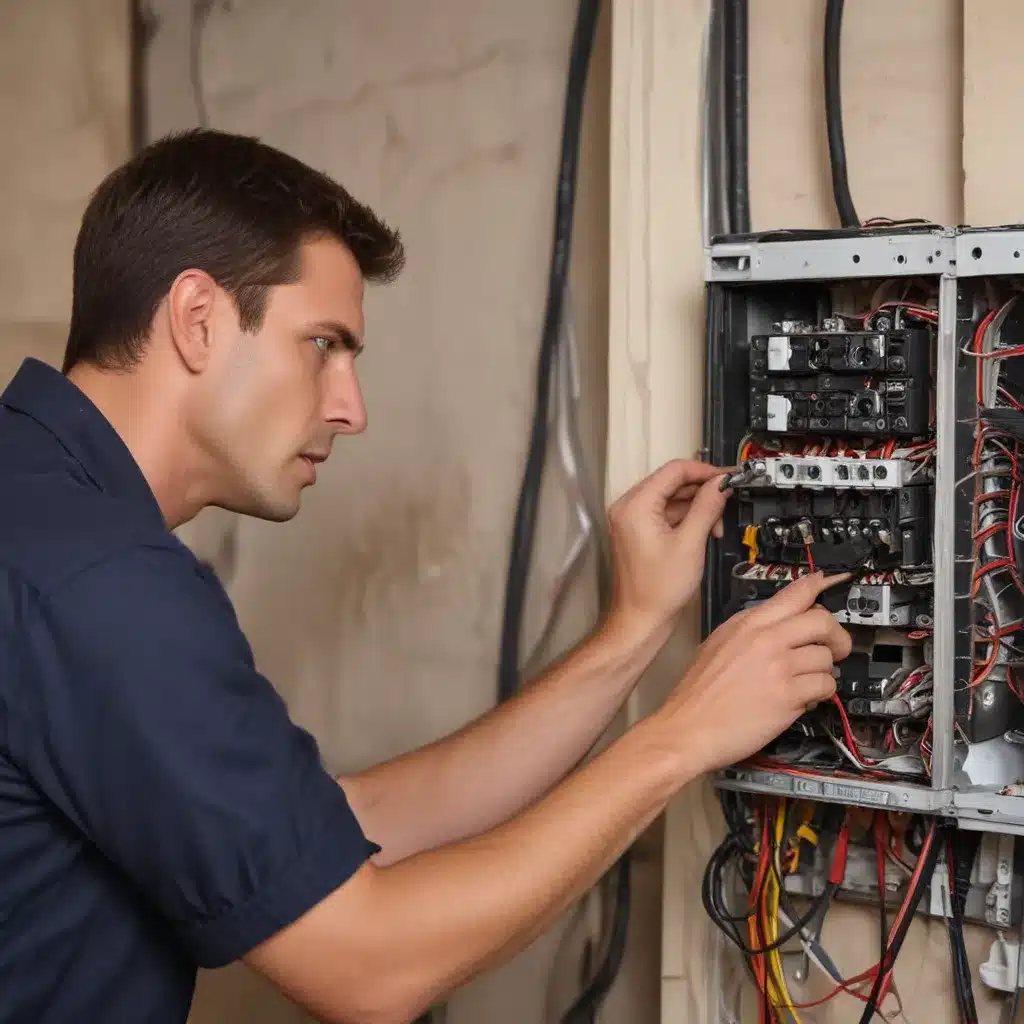
As an experienced home renovation specialist, I’ve seen first-hand the potential risks that come with electrical systems during home improvement projects. We learned this the hard way… Electrical fires can be a devastating consequence of poor planning, improper installations, or neglected maintenance – putting families, properties, and entire communities at risk. In this comprehensive guide, we’ll explore the common causes of electrical fires, effective prevention strategies, and the crucial steps to take in emergency situations.
Now, this might seem counterintuitive…
Electrical System Considerations
Upgrading or modifying a home’s electrical infrastructure is a common aspect of many renovation projects. Whether it’s rewiring an outdated system, adding new circuits to accommodate additional appliances, or integrating smart home technology, these changes can have a significant impact on the overall safety and performance of a property’s electrical network.
Common Electrical Hazards
Homeowners and contractors might want to be vigilant in identifying potential electrical hazards during a renovation. Some of the most common issues include:
- Outdated or Insufficient Wiring: Older homes may have outdated wiring that is no longer up to modern safety standards, increasing the risk of shorts, sparks, and fires.
- Overloaded Circuits: Adding new high-draw appliances or devices without properly upgrading the electrical panel and wiring can overload circuits, leading to overheating and fire hazards.
- Improper Installations: Shoddy or inexperienced electrical work, such as loose connections or incorrect wire sizing, can create dangerous situations.
- Damaged Cables and Outlets: Wear and tear, rodent damage, or physical impact can compromise the integrity of wiring and outlets, posing fire risks.
Upgrading Electrical Infrastructure
When undertaking a home renovation, it’s crucial to assess the existing electrical system and determine if upgrades or replacements are necessary. This may involve:
- Replacing the Electrical Panel: Older, outdated panels may not have the capacity to handle modern electrical demands, necessitating an upgrade to a larger, safer panel with more circuit breakers.
- Rewiring the Home: In some cases, the entire electrical system may need to be replaced, especially in older homes, to double-check that it meets current safety codes and can support the homeowner’s needs.
- Installing Additional Circuits: Adding new circuits to accommodate additional appliances, lighting, or smart home technology can prevent overloading and reduce the risk of electrical fires.
Identifying Electrical Overloads
One of the most common contributors to electrical fires is overloaded circuits. During a renovation, it’s essential to carefully evaluate the electrical demands of the new layout, appliances, and devices being installed. Signs of an overloaded circuit can include:
- Flickering or dimming lights
- Frequently tripping circuit breakers
- Warm or discolored outlets and switches
- Buzzing or crackling sounds from the electrical panel
Addressing these issues proactively, through panel upgrades or circuit additions, can significantly reduce the risk of electrical fires.
Causes of Electrical Fires
While the potential for electrical fires is always present, certain factors can dramatically increase the likelihood of these dangerous incidents occurring during a home renovation project.
Faulty Wiring and Circuits
Outdated, damaged, or improperly installed wiring is a leading cause of electrical fires. Factors such as worn insulation, loose connections, and the use of substandard materials can create the perfect conditions for arcing, sparking, and overheating – all of which can ignite nearby combustible materials.
Outdated Electrical Panels
Older electrical panels, often found in homes built before the 1970s, may not have the capacity or safety features to handle modern electrical demands. Overloaded panels can trip circuit breakers frequently, and in some cases, the panels themselves can become fire hazards due to age and wear.
Improper Electrical Installations
Inexperienced or careless contractors can make mistakes during the installation of new electrical components, such as using the wrong gauges of wire, improperly securing connections, or failing to follow local building codes. These errors can compromise the safety and integrity of the electrical system, leading to potential fire risks.
Fire Prevention Strategies
Mitigating the risk of electrical fires during home renovations requires a multifaceted approach, including regular inspections, strategic upgrades, and ongoing education for homeowners and contractors.
Regular Electrical Inspections
Scheduling periodic inspections by a licensed electrician is essential for identifying and addressing potential electrical issues before they become fire hazards. These inspections should be conducted at key stages of the renovation process, as well as after the project’s completion, to double-check that the safety and compliance of the updated electrical system.
Upgrading Electrical Safety Devices
Incorporating the latest safety technologies, such as arc fault circuit interrupters (AFCIs) and ground fault circuit interrupters (GFCIs), can significantly reduce the risk of electrical fires. These devices are designed to detect dangerous electrical conditions and immediately shut off power to prevent fires and shocks.
Educating Homeowners on Electrical Safety
Empowering homeowners with knowledge about electrical safety is crucial. Providing guidance on proper use of appliances, safe practices for handling electrical issues, and the importance of regular maintenance can help prevent many electrical fires from occurring in the first place.
Emergency Response to Electrical Fires
Despite best efforts, the possibility of an electrical fire during a home renovation cannot be entirely eliminated. Knowing how to respond quickly and effectively can mean the difference between a minor incident and a catastrophic event.
Identifying and Isolating the Fire Source
If an electrical fire does occur, it’s essential to quickly locate the source and isolate the affected area. This may involve turning off the main circuit breaker or unplugging the device or appliance that appears to be the origin of the fire.
Proper Fire Extinguishing Techniques
Choosing the right fire extinguisher is crucial when addressing an electrical fire. Never use water on an electrical fire, as it can conduct electricity and increase the risk of electrocution. Instead, opt for a Class ABC or Class BC dry chemical extinguisher, which are designed to safely extinguish electrical fires.
Evacuation and Reporting Procedures
In the event of a serious electrical fire, the priority should be the immediate and safe evacuation of the building. Once everyone is out of harm’s way, contact the local fire department and, if necessary, your homeowner’s insurance provider to report the incident and initiate the claims process.
Electrical fires during home renovations can be devastating, but with the right precautions, prevention strategies, and emergency response procedures in place, the risks can be significantly reduced. By staying vigilant, upgrading outdated systems, and empowering homeowners and contractors with electrical safety knowledge, we can work together to create safer, more resilient homes for the future.
For more information on home renovation trends, design, and maintenance, be sure to visit ABC Home. Their team of experts is dedicated to providing reliable, up-to-date guidance to homeowners and industry professionals alike.
Statistic: Studies show that timely home renovation can increase property value by up to 20%


