
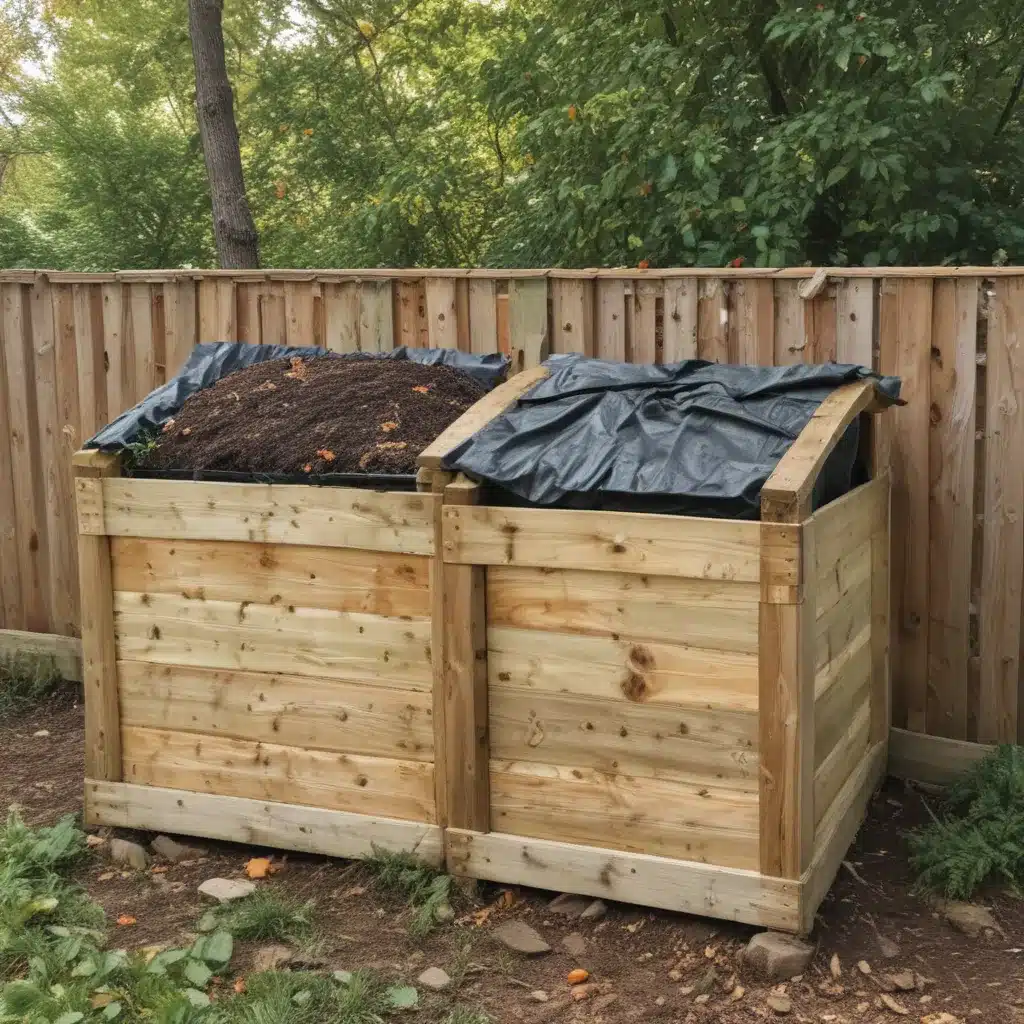
The Dirt on Composting: Why Every Gardener Needs a Bin
As a homeowner and avid gardener in Aberdeen, I’ve always been fascinated by the magic of composting. You see, I firmly believe that a good compost bin is the unsung hero of any thriving garden. It’s like a secret weapon that transforms your kitchen scraps and yard waste into nutrient-rich “black gold” – the kind of soil that makes your plants positively giddy.
Now, I know what you’re thinking – “Composting? Isn’t that just a smelly, high-maintenance hassle?” Well, my friend, let me tell you, that couldn’t be further from the truth. With a little know-how and the right setup, composting can be a straightforward, rewarding, and dare I say, even enjoyable process. And trust me, the payoff is well worth it.
The Composting Conundrum: Debunking the Myths
Ah, the age-old composting conundrum. I can’t tell you how many times I’ve heard people complain about the stench, the pests, or the sheer effort involved. But let me set the record straight – these are all common misconceptions that simply don’t hold up under closer inspection.
You see, the key to successful composting is finding the right balance. It’s all about creating the perfect environment for those magical microorganisms to work their wonders. With the right mix of “green” (nitrogen-rich) and “brown” (carbon-rich) materials, a well-designed compost bin can actually minimize odors and deter pests.
And as for the effort? Well, once you get your system dialed in, maintaining a compost bin is a breeze. It’s really just a matter of regularly adding new materials, giving it a good stir, and letting nature take its course. Trust me, the rewards far outweigh the (minimal) time and energy investment.
The ABCs of Building a Better Bin
Alright, now that we’ve dispelled the myths, let’s dive into the nitty-gritty of compost bin construction. After all, the foundation of a successful composting operation is, well, the foundation itself.
When it comes to choosing the right bin, you’ve got a few options. You could go the DIY route and build your own from scratch using readily available materials like wooden pallets or recycled plastic bins. Or, if you’re short on time or DIY skills, you can always opt for a pre-made compost tumbler or bin from your local hardware store.
Whichever route you choose, the key is to ensure your bin has proper airflow, drainage, and a snug-fitting lid to keep out critters. You’ll also want to consider the size – bigger is generally better, as it allows for a more consistent, balanced compost environment.
But the real magic happens in the layering, my friends. You see, a well-designed compost bin is all about creating the perfect blend of “green” and “brown” materials. The greens, like kitchen scraps and fresh yard waste, provide the nitrogen. The browns, such as dried leaves, shredded paper, and sawdust, offer the carbon. And when you get that ratio just right, the microbes go wild, breaking everything down into that rich, earthy goodness.
Turning Trash into Treasure: Composting in Action
Now, I know what you’re thinking – “Alright, I’m sold on the idea, but how do I actually make this composting thing work?” Well, fear not, my gardening friend, because I’m about to let you in on all my hard-earned secrets.
First and foremost, it’s important to understand the basic composting process. It all starts with those amazing microorganisms – bacteria, fungi, and the like – that feast on the organic materials you feed them. As they break down the greens and browns, they release heat, which helps to further decompose the materials and kill off any pesky pathogens or weed seeds.
But don’t just take my word for it – let’s see it in action, shall we? Imagine this: it’s a balmy summer day, and you’ve just tossed in a fresh batch of kitchen scraps and some dried leaves. Over the next few weeks, you’ll notice the pile gradually shrinking as the microbial magic happens. You might even spot a few helpful critters, like earthworms or beetles, getting in on the action.
And as the weeks turn into months, you’ll start to see that beautiful, dark, crumbly compost taking shape. It’s like liquid gold for your plants, packed with all the nutrients they crave. Just imagine the lush, vibrant growth you’ll see when you work that compost into your garden beds or houseplant potting mix. It’s enough to make a gardener giddy with excitement!
Compost Connoisseurs: Mastering the Art of the Bin
Now, I know what you’re thinking – “This all sounds great, but how do I make sure I’m doing it right?” Well, fear not, my fellow compost enthusiasts, because I’ve got you covered.
You see, the key to maintaining a healthy, high-performing compost bin is all about striking the right balance. It’s like a delicate dance between the greens and the browns, the moisture and the airflow. Get it just right, and you’ll be rewarded with that rich, earthy goodness that’s the envy of all your gardening friends.
But don’t worry, it’s not as complicated as it might sound. In fact, with a little practice and a keen eye, you’ll be a compost connoisseur in no time. Start by paying attention to the temperature, moisture, and overall appearance of your bin. Is it too wet and soggy? Time to add some more browns. Is it too dry and dusty? A little extra water should do the trick.
And speaking of tricks, let me share a few of my personal favorites. For example, did you know that shredding or chopping your materials before adding them to the bin can help speed up the decomposition process? Or that sprinkling a bit of lime or garden soil can help balance the pH and create the perfect environment for those hardworking microbes?
But perhaps the most important tip of all? Don’t be afraid to experiment! Composting is as much an art as it is a science, and every garden and climate is a little bit different. So feel free to tweak your approach, try new materials, and see what works best for you. After all, the journey is half the fun, am I right?
The Compost Conundrum: Troubleshooting Tips and Tricks
Now, I know what you’re thinking – “Okay, this all sounds great, but what if something goes wrong?” Well, fear not, my fellow compost enthusiasts, because I’ve got your back.
You see, just like any other garden endeavor, there are bound to be a few hiccups along the way. Maybe your bin is starting to smell funky, or you’re noticing an influx of pesky critters. Or perhaps the whole thing just seems to have ground to a halt, with no sign of that magical compost in sight.
But don’t worry, these are all common composting challenges, and they’re usually pretty easy to address. It’s just a matter of understanding the underlying issue and making a few simple adjustments.
For example, let’s say your bin is starting to smell a bit, well, less than fragrant. Nine times out of ten, that’s a sign that your greens-to-browns ratio is off. You might need to add some more dry, carbon-rich materials like shredded paper or crushed eggshells to help balance things out.
And speaking of pests, those crafty critters can be a real nuisance. But fear not, my friends – a well-designed compost bin with a snug-fitting lid should keep most of them at bay. And if you do spot the occasional unwelcome visitor, a sprinkle of lime or a dash of cayenne pepper can often do the trick.
But perhaps the most frustrating compost conundrum of all is the dreaded “stall.” You know, when your bin just seems to grind to a halt, with no sign of that beautiful, dark compost you’ve been eagerly anticipating. Well, in that case, it might be time to give your bin a good stir and see if you can’t jumpstart the process.
The Compost Comeback: Putting Your Black Gold to Work
Alright, now that you’ve mastered the art of composting, it’s time to reap the rewards! Because let me tell you, there’s nothing quite like the feeling of transforming your kitchen scraps and yard waste into a nutrient-rich soil amendment that will have your plants positively thriving.
But where do you even begin, you ask? Well, my green-thumbed friends, the possibilities are endless. You can work that compost straight into your garden beds, giving your veggies, flowers, and shrubs a much-needed nutrient boost. Or you can use it as a top-dressing for your lawn, helping to nourish and revitalize your grass.
And let’s not forget about those houseplants! A little compost mixed into your potting mix can work wonders, providing a slow-release of essential nutrients and helping to retain moisture. It’s like a veritable fountain of youth for your indoor greenery.
But the real magic happens when you start to see the results of your composting efforts. Imagine the lush, vibrant growth, the abundant blooms, and the bountiful harvests that come from feeding your plants with that rich, earthy goodness. It’s enough to make a gardener swoon, I tell you.
And the best part? You get to bask in the glory of your own homegrown success. No more relying on store-bought fertilizers or soil amendments – this is the real deal, straight from your own backyard. It’s like having a secret superpower that transforms your garden into a veritable oasis of abundance.
So, what are you waiting for, my fellow compost enthusiasts? It’s time to get your hands dirty and start reaping the rewards of your own DIY composting endeavors. Trust me, your plants (and your wallet) will thank you.
Conclusion: Composting – The Gateway to Gardening Greatness
Well, there you have it, my green-thumbed friends – the ultimate guide to DIY compost bins and the transformative power of homemade “black gold.” From debunking the myths to mastering the art of the bin, we’ve covered it all. And let me tell you, the rewards of this humble endeavor are truly boundless.
You see, composting isn’t just about turning your kitchen scraps and yard waste into a nutrient-rich soil amendment. It’s about connecting with the natural world, harnessing the incredible power of microorganisms, and becoming an active participant in the cycle of life. It’s about taking control of your garden’s health and well-being, and reaping the bountiful rewards of your own hard work and dedication.
And trust me, the benefits go far beyond just the physical. Composting can be a meditative, therapeutic experience, a chance to slow down, reconnect with the earth, and find a sense of balance and harmony in the natural rhythms of the world around us. It’s a way to reduce waste, combat climate change, and leave a lasting positive impact on our environment.
So, what are you waiting for? It’s time to embrace the magic of composting and let it transform your garden (and your life) in ways you never thought possible. Grab a bin, get your hands dirty, and get ready to bask in the glory of your very own homegrown “black gold.” Trust me, your plants (and your soul) will thank you for it.


