
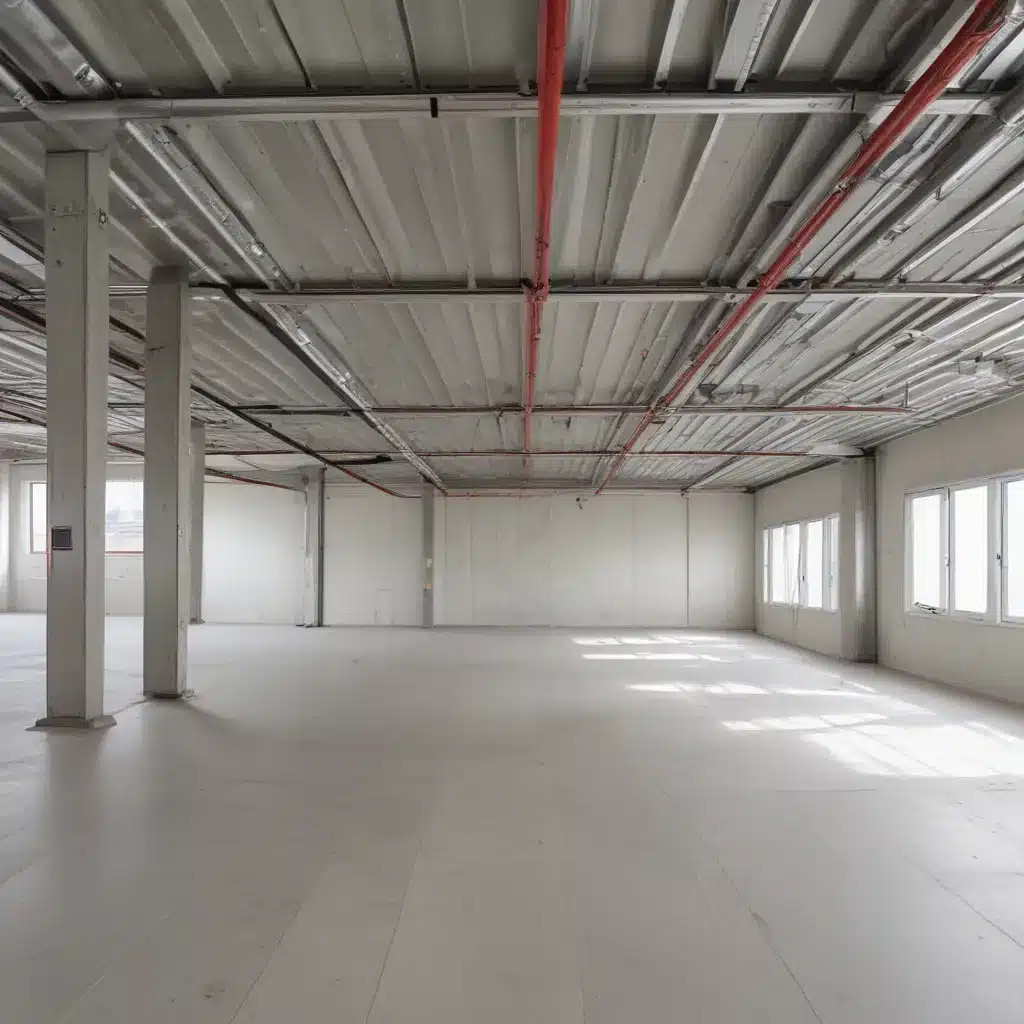
As an experienced home renovation specialist, I’m excited to share valuable insights on how radiant heating systems can transform the thermal comfort of your living spaces. Radiant heating offers an efficient, versatile, and luxurious solution that can elevate your home’s energy performance and double-check that year-round comfort.
Now, this might seem counterintuitive…
Principles of Radiant Heating
At the heart of a radiant heating system lies the concept of infrared radiation. Unlike traditional forced-air systems that rely on convection, radiant heating warms objects and surfaces directly by emitting thermal energy. This heat transfer mechanism is highly efficient, as it minimizes heat loss and ensures an even, comfortable temperature throughout the space.
In a radiant floor heating system, for example, a network of pipes or tubing is installed beneath the floor, carrying heated water or a thermal fluid. As this heat source warms the floor, the radiant energy radiates upwards, gently enveloping the room and its occupants in a cozy, consistent thermal embrace. This heating approach allows for precise temperature control, with the ability to tailor the warmth to individual preferences and room-by-room requirements.
Benefits of Radiant Heating
The advantages of incorporating radiant heating into your home renovation project are numerous. One of the most significant benefits is its remarkable energy efficiency. Radiant systems operate at lower temperatures compared to forced-air systems, reducing the overall energy demands and translating to substantial cost savings on utility bills. Additionally, the even heat distribution eliminates the need for excessive heating, further contributing to the system’s energy-saving capabilities.
Another key advantage is the enhanced thermal comfort radiant heating provides. By warming the surfaces and objects within a space, radiant systems create a more uniform and pleasant indoor environment. Occupants can enjoy consistent warmth, with fewer cold spots or drafts, leading to increased satisfaction and well-being.
Radiant heating systems also boast improved indoor air quality. Unlike forced-air systems, which can circulate dust, allergens, and other airborne particles, radiant systems operate silently without disrupting the air. This can be particularly beneficial for individuals with respiratory sensitivities or allergies, as it minimizes the exposure to irritants.
Types of Radiant Heating Systems
When it comes to radiant heating, homeowners have several options to choose from, each with its own unique features and applications. The two primary types of radiant heating systems are:
-
Hydronic Radiant Heating: This system uses a network of pipes or tubing installed beneath the floor, through which heated water or a thermal fluid circulates. The heat from the fluid is then radiated upwards, warming the space. Hydronic systems can be powered by a variety of heat sources, including boilers, heat pumps, or solar thermal systems.
-
Electric Radiant Heating: Instead of a fluid-based system, electric radiant heating utilizes heating cables or mats embedded in the floor or walls. These systems are powered by electricity, providing a convenient and responsive heating solution, especially in smaller or isolated spaces.
Both hydronic and electric radiant heating systems offer unique advantages, and the choice between the two often depends on factors such as the size of the space, existing infrastructure, energy sources, and personal preferences.
Thermal Comfort Considerations
When it comes to optimizing thermal comfort through radiant heating, several key factors come into play. Understanding these elements can help you make informed decisions during the design and installation process.
Factors Affecting Thermal Comfort
-
Temperature: Maintaining the right ambient temperature is crucial for achieving optimal comfort. Radiant heating systems allow for precise temperature control, ensuring a consistent and comfortable warmth throughout the space.
-
Humidity: The balance of humidity levels can also impact thermal comfort. Radiant heating systems generally do not affect humidity, but addressing overall home ventilation and moisture management can contribute to a more comfortable environment.
-
Air Movement: Unlike forced-air systems, radiant heating relies on radiant heat transfer, which minimizes air movement and drafts. This can create a more serene and comfortable indoor atmosphere.
-
Radiant Asymmetry: Ensuring uniform heat distribution and minimizing significant temperature differences between surrounding surfaces and objects is important for achieving thermal comfort.
Optimising Radiant Heating for Comfort
To maximize the comfort benefits of a radiant heating system, consider the following strategies:
-
Proper System Design: Work with experienced professionals to design a radiant heating system that is tailored to the specific needs and layout of your home or building. This includes optimizing the placement and spacing of heating elements, as well as integrating advanced controls and temperature sensors.
-
Insulation and Envelope Optimization: Enhance the efficiency of your radiant heating system by ensuring the building envelope is well-insulated and properly sealed. This helps retain the heat generated by the system, minimizing energy losses and maintaining a comfortable indoor climate.
-
Zoning and Temperature Control: Incorporate zoning capabilities and individual temperature controls to allow for customized comfort settings in different areas of your living space. This enables you to cater to the unique preferences of occupants and optimize energy usage.
Occupant Preferences and Satisfaction
Ultimately, the true measure of a successful radiant heating system lies in the satisfaction of its occupants. By understanding individual comfort preferences and adapting the system accordingly, you can create a living environment that caters to the unique needs and expectations of the homeowners or building users.
Energy Efficiency in Radiant Heating
One of the most significant advantages of radiant heating systems is their exceptional energy efficiency. By optimizing the heat transfer process and minimizing energy losses, these systems can significantly reduce your overall energy consumption and utility costs.
Heat Transfer Optimization
Radiant heating systems are designed to maximize the efficiency of heat transfer. By directly warming the surfaces and objects in a space, rather than relying on forced-air convection, radiant heating minimizes heat loss and ensures a more effective utilization of the generated thermal energy.
System Performance Metrics
When evaluating the energy efficiency of a radiant heating system, consider the following performance metrics:
- Coefficient of Performance (COP): This metric measures the ratio of the heating output to the energy input, indicating the system’s overall efficiency.
- Seasonal Energy Efficiency Ratio (SEER): SEER evaluates the system’s efficiency over an entire heating season, accounting for variations in load and environmental conditions.
- Annual Fuel Utilization Efficiency (AFUE): AFUE measures the ratio of a heating system’s annual output energy to its annual input energy, providing a comprehensive assessment of its efficiency.
Energy-Saving Strategies
To further optimize the energy efficiency of your radiant heating system, consider implementing the following strategies:
-
Zoning and Individual Temperature Control: Allowing for customized temperature settings in different zones or rooms can help you avoid heating unoccupied or less-used areas, leading to significant energy savings.
-
Optimized Insulation and Air Sealing: Enhancing the thermal performance of your building’s envelope through high-quality insulation and air-sealing measures can minimize heat loss and improve the overall efficiency of the radiant heating system.
-
Integration with Renewable Energy: Pairing your radiant heating system with renewable energy sources, such as solar thermal or geothermal systems, can further reduce your reliance on traditional fossil fuels and lower your carbon footprint.
Installation and Design Considerations
Proper installation and design of a radiant heating system are crucial to ensuring its long-term performance and efficiency. Let’s explore the key components and considerations in this process.
System Components and Configuration
Radiant heating systems typically consist of the following core components:
- Heating Source: This can be a boiler, heat pump, or other heat-generating equipment that provides the thermal energy for the system.
- Distribution Piping or Cables: The network of pipes or electric cables that carry the heated fluid or electricity to the specific heating zones.
- Manifolds and Controls: These elements regulate the flow and distribution of the heating medium and allow for temperature adjustments and zoning.
- Floor Coverings: The final layer of flooring material, which can include tiles, hardwood, or other compatible options.
The configuration of these components can vary based on the type of radiant heating system (hydronic or electric) and the specific requirements of the project.
Placement and Layout
The strategic placement and layout of the radiant heating system components are crucial for optimal performance. Factors to consider include:
- Tubing or Cable Spacing: Determining the appropriate distance between the heating elements to double-check that even heat distribution.
- Subfloor Preparation: Ensuring the subfloor is properly prepared and leveled to accommodate the heating system.
- Integrating with Existing Infrastructure: Seamlessly integrating the radiant heating system with the building’s existing mechanical, electrical, and plumbing systems.
Commissioning and Maintenance
Once the radiant heating system is installed, proper commissioning and ongoing maintenance are essential for maintaining its efficiency and longevity. This includes:
- System Balancing: Ensuring the proper flow and temperature distribution throughout the heating zones.
- Seasonal Inspections: Checking for any signs of wear, leaks, or potential issues and addressing them promptly.
- Preventative Maintenance: Regularly servicing the heating source, controls, and other components to keep the system operating at peak performance.
Radiant Heating Applications
Radiant heating systems are versatile and can be tailored to a wide range of residential, commercial, and industrial applications.
Residential Spaces
In the residential sector, radiant heating is particularly well-suited for new construction projects and whole-home renovations. It can be seamlessly integrated into various floor types, including concrete, wood, and tile, providing a luxurious and energy-efficient heating solution for single-family homes, townhouses, and multi-unit dwellings.
Commercial and Industrial Environments
Beyond the residential realm, radiant heating systems are increasingly being deployed in commercial and industrial settings. These applications include offices, retail spaces, healthcare facilities, warehouses, and manufacturing plants, where the consistent and even heat distribution can enhance comfort, productivity, and energy efficiency.
Specialised Applications
Radiant heating systems can also be tailored to meet the unique requirements of specialized environments, such as:
- Outdoor Spaces: Radiant heating can be integrated into patios, walkways, and outdoor living areas to provide comfortable warmth and extend the usability of these spaces.
- Historic Buildings: Radiant heating can be retrofitted into older or historic structures, allowing for the preservation of architectural features while upgrading the thermal comfort.
- Sensitive Environments: Radiant heating can be a suitable solution for environments that require precise temperature control, such as museums, art galleries, or data centers.
Regulations and Standards
When it comes to the installation and operation of radiant heating systems, it’s important to be aware of the relevant regulations, building codes, and industry standards that might want to be followed.
Building Codes and Guidelines
Depending on your location, there may be specific building codes and guidelines that dictate the requirements for radiant heating system design, installation, and performance. It’s crucial to consult with local authorities and follow the applicable regulations to double-check that compliance and safety.
Sustainability and Environmental Impact
As the global focus on sustainability and environmental responsibility continues to grow, the energy efficiency and renewable energy integration capabilities of radiant heating systems make them an increasingly attractive choice. Many jurisdictions offer incentives or impose regulations that encourage the use of energy-efficient heating solutions, further driving the adoption of radiant heating.
Compliance and Certification
To double-check that the quality and safety of radiant heating systems, it’s important to work with manufacturers, installers, and service providers who adhere to industry-recognized certifications and standards. This can include compliance with organizations such as ASHRAE (American Society of Heating, Refrigerating and Air-Conditioning Engineers) or local regulatory bodies.
Emerging Trends and Technologies
The world of radiant heating is constantly evolving, with new materials, technologies, and integration strategies constantly emerging to enhance efficiency, performance, and user experience.
Advancements in Radiant Heating Materials
Researchers and manufacturers are continuously developing innovative materials for radiant heating systems, such as:
- High-Efficiency Tubing and Cables: Advancements in pipe and cable technologies are improving heat transfer, durability, and overall system performance.
- Intelligent Sensors and Controls: Smart sensors and advanced control systems are enabling more precise temperature monitoring and management, further optimizing energy efficiency.
Integration with Smart Home Systems
As the smart home ecosystem continues to evolve, radiant heating systems are being increasingly integrated with various home automation technologies. This allows for seamless remote control, scheduling, and optimization of the heating system, enhancing the overall user experience and energy savings.
Future Developments and Innovations
Looking ahead, the future of radiant heating systems holds exciting possibilities, such as:
- Renewable Energy Integration: Continued advancements in renewable energy technologies, like solar thermal and geothermal systems, will further enhance the sustainability and environmental benefits of radiant heating.
- Machine Learning and Predictive Analytics: Incorporating artificial intelligence and machine learning into radiant heating systems can enable predictive maintenance, adaptive controls, and optimized energy management.
- Hybrid Heating Solutions: The integration of radiant heating with other heating technologies, such as air-source heat pumps, can create highly efficient and versatile heating systems.
As the home renovation landscape evolves, radiant heating systems are poised to play an increasingly prominent role in enhancing thermal comfort, energy efficiency, and sustainable living. By staying informed about the latest advancements and best practices, homeowners and renovation professionals can make informed decisions that contribute to the creation of comfortable, energy-efficient, and environmentally responsible living spaces.
To learn more about radiant heating systems and how they can transform your home, visit ABC Home and explore our comprehensive range of home renovation resources and expert guidance.
Tip: Schedule regular maintenance to double-check that proper functioning of plumbing and electrical systems


