
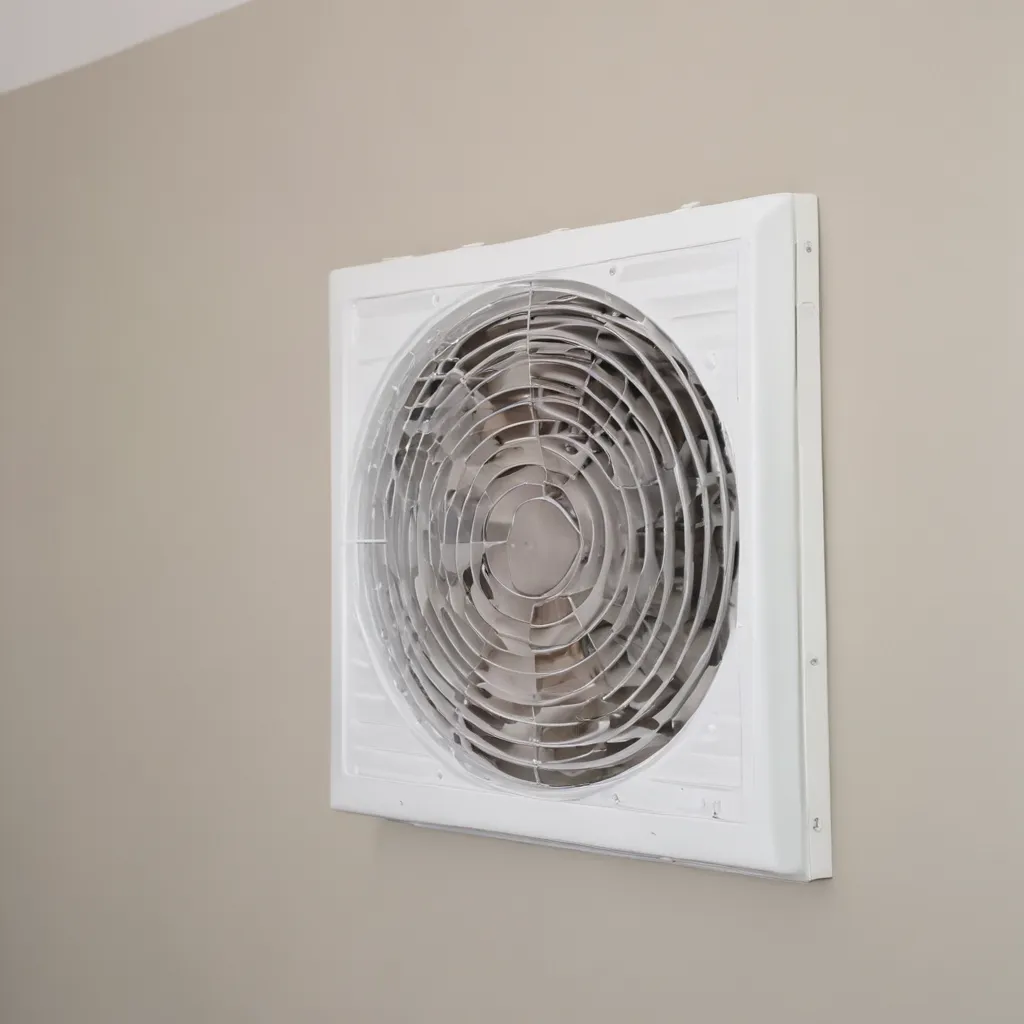
Why Whole House Ventilation Matters
Have you ever walked into your home after a long day and felt like you were being smothered by stale, stuffy air? I certainly have. It’s a common problem, especially in older homes or those with poor air circulation. But the solution may be simpler than you think – whole house ventilation.
You see, our homes are becoming increasingly airtight, thanks to modern building techniques and energy-efficient upgrades. While this is great for saving on heating and cooling costs, it also means that fresh air has a harder time circulating. Without proper ventilation, pollutants, moisture, and allergens can build up, leading to a host of issues like poor indoor air quality, mold growth, and respiratory problems.
That’s where whole house ventilation comes in. By installing a dedicated system that continuously exchanges stale indoor air for fresh outdoor air, you can enjoy a healthier, more comfortable living environment. It’s like giving your home a big, refreshing breath of fresh air. And who doesn’t love that?
In this in-depth article, I’ll dive into the benefits of whole house ventilation, the different system types, and how to choose the right one for your home. By the end, you’ll be equipped with the knowledge to make an informed decision and start breathing easier. So, let’s get started, shall we?
The Benefits of Whole House Ventilation
When it comes to the advantages of whole house ventilation, the list is quite extensive. But let me highlight a few of the key ones that I think you’ll find particularly compelling.
Improved Indoor Air Quality: Perhaps the most significant benefit is the impact on indoor air quality. By constantly circulating fresh air, whole house ventilation systems can effectively remove pollutants, allergens, and excess moisture from your home. This is especially important for those with respiratory issues or allergies, as it can greatly reduce exposure to potential triggers.
Enhanced Comfort: Have you ever noticed how stale and stuffy the air can feel in your home, even with the windows open? Whole house ventilation solves this problem by maintaining a consistent, comfortable level of air circulation throughout your living spaces. No more feeling like you’re stuck in a stuffy, oppressive bubble.
Energy Efficiency: Contrary to what you might think, whole house ventilation systems can actually help you save on energy costs. By controlling the flow of air and reducing the need for excessive heating or cooling, they can improve your home’s overall energy efficiency. It’s a win-win for both your wallet and the environment.
Reduced Moisture and Mold: Excess moisture in the air is a common culprit for mold growth, which can pose serious health risks. Whole house ventilation systems effectively remove this moisture, helping to prevent mold and keep your home’s surfaces dry and clean.
Improved Resale Value: If you’re considering selling your home down the line, a well-designed and properly functioning whole house ventilation system can be a significant selling point. It demonstrates to potential buyers that you’ve invested in maintaining the health and longevity of your property.
These are just a few of the many benefits of whole house ventilation. As you can see, it’s a smart investment that can pay dividends in terms of your family’s well-being, your home’s efficiency, and your overall quality of life. And who doesn’t want that?
Understanding the Different Whole House Ventilation Systems
Now that you’re convinced of the advantages of whole house ventilation, it’s time to dive into the different system types and how they work. This is an important step, as the right system for your home will depend on factors like the size of your living space, your energy usage, and your budget.
Exhaust Ventilation Systems
The most basic type of whole house ventilation is the exhaust system. These systems work by using one or more fans to continuously remove stale indoor air and replace it with fresh outdoor air. The key advantage of exhaust systems is their simplicity and relatively low cost. They’re a great option for smaller homes or those with limited budgets.
However, there are a few potential drawbacks to consider. Since exhaust systems only remove air and don’t actively bring in fresh air, they can create negative air pressure in the home. This can lead to the infiltration of outdoor pollutants, as well as the potential for backdrafting of combustion appliances like furnaces or water heaters. Proper ductwork and air sealing is crucial to mitigate these issues.
Supply Ventilation Systems
On the flip side, we have supply ventilation systems. These work by using fans to actively bring in fresh outdoor air and distribute it throughout the home. The advantage here is that they maintain positive air pressure, helping to prevent the intrusion of outdoor pollutants.
Supply systems are also generally more energy-efficient than exhaust systems, as they allow for better control over the temperature and humidity of the incoming air. However, they can be more complex and costlier to install, as they require a more extensive ductwork network.
Balanced Ventilation Systems
For the best of both worlds, there are balanced ventilation systems. These combine exhaust and supply fans, creating a continuous loop of air exchange. Balanced systems are highly effective at improving indoor air quality, as they can remove stale air while bringing in fresh air without the pressure imbalances of other systems.
The trade-off is that balanced systems tend to be the most expensive and complex to install. They also require more ongoing maintenance to ensure the exhaust and supply fans are working in harmony.
Energy Recovery Ventilators (ERVs) and Heat Recovery Ventilators (HRVs)
Finally, we have two specialized types of whole house ventilation systems: energy recovery ventilators (ERVs) and heat recovery ventilators (HRVs). These systems go one step further by incorporating heat exchangers that capture the energy from the outgoing stale air and use it to precondition the incoming fresh air.
ERVs are particularly adept at managing moisture, making them a great choice for homes in humid climates. HRVs, on the other hand, excel at retaining heat, making them more suitable for colder regions. Both options offer impressive energy savings and enhanced comfort, but they also come with a higher price tag.
Ultimately, the choice of whole house ventilation system will depend on your specific home, climate, and budget. It’s a good idea to consult with a professional who can assess your needs and recommend the best solution. But hopefully, this overview has given you a solid understanding of the different options available.
Choosing the Right Whole House Ventilation System
With so many different whole house ventilation systems to choose from, the decision-making process can feel a bit daunting. But fear not, I’m here to guide you through it.
The first step is to carefully evaluate your home’s unique characteristics and needs. Consider factors like the size of your living space, the number of occupants, the presence of any combustion appliances, and the local climate. These will all play a role in determining the most suitable system.
Next, think about your priorities. Are energy efficiency and cost savings your top concerns, or is indoor air quality your primary focus? Knowing where your priorities lie will help you narrow down the options and make a more informed decision.
For example, if you live in a smaller home and are on a tighter budget, an exhaust ventilation system might be the most practical choice. But if you’re concerned about moisture and mold, a balanced or ERV system could be the better investment.
It’s also important to consider the installation process and any potential disruptions to your living space. Some systems require more extensive ductwork and renovations than others, so be sure to factor that into your planning.
And of course, don’t forget to factor in the long-term operating costs. While energy-efficient systems like HRVs and ERVs may have a higher upfront price tag, they can often pay for themselves over time through reduced energy bills and improved home comfort.
To help you visualize the decision-making process, let me share a real-life example. Recently, I worked with a client who lived in a larger, older home in a cold climate. They were concerned about indoor air quality and wanted to improve their home’s energy efficiency.
After carefully evaluating their needs, we determined that a balanced ventilation system with an HRV would be the best fit. The HRV allowed them to capture heat from the outgoing stale air, reducing their heating costs while maintaining a constant flow of fresh, filtered air. It was a win-win solution that has made a world of difference in their home.
Of course, your own situation may be quite different. The key is to work closely with a reputable ventilation specialist who can assess your unique requirements and guide you towards the most suitable whole house ventilation system. With their expertise and your newfound knowledge, you’ll be well on your way to enjoying the fresh, healthy air you deserve.
Maintaining Your Whole House Ventilation System
Now that you’ve invested in a top-notch whole house ventilation system, it’s important to keep it running at its best. Regular maintenance and proper care are crucial to ensure your system continues to deliver the benefits you expect.
One of the most critical maintenance tasks is keeping the air filters clean. Depending on the system, these filters may need to be changed every few months or even more frequently, especially in homes with high levels of airborne pollutants. Neglecting this simple step can significantly reduce the system’s efficiency and overall performance.
Another important consideration is the ductwork. Over time, dust, debris, and even pests can accumulate in the ducts, restricting airflow and compromising indoor air quality. A professional duct cleaning every few years can help ensure your ventilation system is operating at its full potential.
It’s also a good idea to have your whole house ventilation system inspected and serviced by a qualified technician on a regular basis. They can check for any issues, make necessary adjustments, and ensure that all components are functioning correctly. This can help extend the life of your system and prevent any unexpected breakdowns.
But it’s not just the mechanical aspects that require attention. The way you use and interact with your ventilation system can also have a significant impact. For example, make sure to keep vents and registers clear of furniture or other obstructions, and be mindful of activities that can affect air quality, like cooking or smoking.
Additionally, consider incorporating smart home technology into your ventilation system. Many modern systems can be integrated with smart thermostats, mobile apps, and voice assistants, allowing you to easily monitor and control the air flow and temperature from the palm of your hand.
I’ll never forget the time I worked with a client who had neglected their ventilation system for years. The indoor air quality had become so poor that they were experiencing persistent respiratory issues and mold growth. It was a real wake-up call, both for them and for me.
After a thorough inspection and cleaning, we were able to get their system back on track. But the experience really drove home the importance of proactive maintenance and diligent care. It’s an investment in the health and comfort of your home, and one that pays dividends in the long run.
So, don’t let your whole house ventilation system become an afterthought. Stay on top of the maintenance, consult with the experts when needed, and enjoy the fresh, clean air that your home deserves. Your lungs (and your wallet) will thank you.
Wrapping Up: Breathe Easier with Whole House Ventilation
Well, there you have it – an in-depth look at the world of whole house ventilation. From the many benefits to the different system types and how to choose the right one for your home, I hope I’ve provided you with a comprehensive understanding of this essential home improvement.
The bottom line is that whole house ventilation is not just a luxury – it’s a necessity for modern, energy-efficient homes. By investing in a well-designed system, you can enjoy a healthier, more comfortable living environment, all while saving on your energy bills.
And let’s not forget the peace of mind that comes with knowing your family is breathing clean, fresh air. In today’s world, that’s a priceless commodity.
So, what are you waiting for? Head over to ABC Home and let’s start planning your whole house ventilation upgrade. Your lungs (and your wallet) will thank you.


