
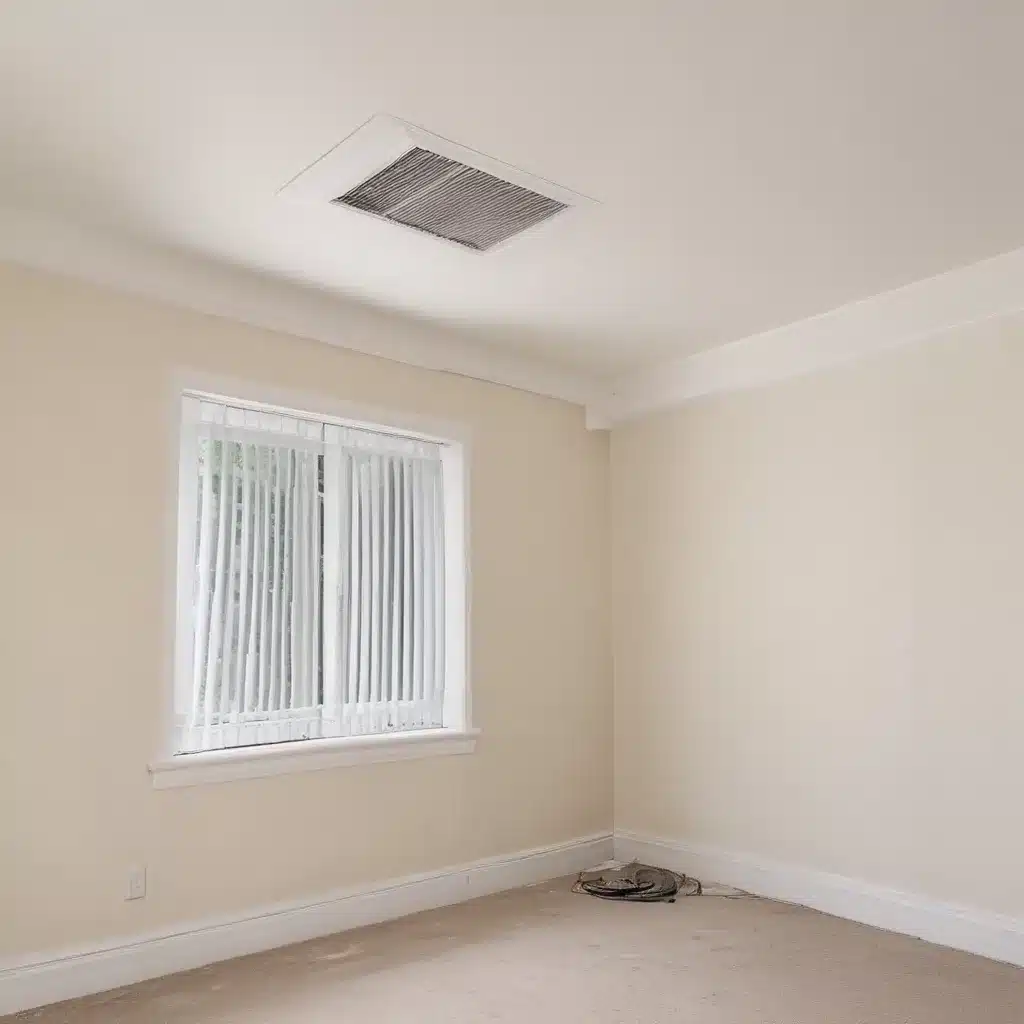
Did you know that the average person spends around 90% of their time indoors? That means the air quality in our homes has a huge impact on our health and well-being. Whether you’re curled up with a good book, whipping up a delicious meal, or chasing after the kids, proper home ventilation is crucial for maintaining a comfortable and healthy living environment.
As a lifelong resident of Aberdeen, I know all too well the challenges of keeping our homes well-ventilated, especially during the long, rainy winters. But trust me, it’s worth the effort! Adequate ventilation not only helps prevent the build-up of pollutants and stale air, but it can also reduce the risk of respiratory issues, improve sleep quality, and even boost our mood and productivity.
In this comprehensive guide, I’ll share my top tips for ensuring your home has the proper airflow and ventilation to keep you and your family breathing easy, no matter the season. From understanding the basics of ventilation to selecting the right systems and tools, we’ll cover everything you need to create a healthy indoor oasis. Let’s dive in!
The Importance of Home Ventilation
First and foremost, let’s talk about why ventilation is so important for our homes. You see, when we live, work, and play indoors, all sorts of pollutants and contaminants can accumulate in the air. Things like dust, pet dander, cooking fumes, cleaning products, and even our own breath can build up over time, reducing indoor air quality.
Poor ventilation traps these pollutants inside, which can lead to a whole host of health issues. Exposure to high levels of indoor air pollution has been linked to respiratory problems, allergies, headaches, and even increased risk of heart disease and cancer. Yikes! Not exactly the cozy, comfortable environment we want for our homes.
But it’s not just our physical health that suffers. Inadequate ventilation can also have a negative impact on our mental wellbeing. Studies have shown that stale, stuffy air can contribute to feelings of fatigue, irritability, and even depression. And let’s not forget about the musty odors and moisture buildup that come with poor airflow – not exactly the warm and inviting atmosphere we’re going for.
On the flip side, proper home ventilation has been shown to have a host of benefits. By bringing in fresh outdoor air and removing stale, contaminated air, ventilation can:
- Improve indoor air quality and reduce exposure to pollutants
- Prevent the buildup of moisture, which can lead to mold and mildew
- Regulate temperature and humidity levels for greater comfort
- Enhance respiratory health and overall well-being
- Boost cognitive function and productivity
So, in a nutshell, ventilation is essential for creating a healthy, comfortable, and livable home environment. It’s not just a nice-to-have, but a must-have for any Aberdeen resident looking to breathe easy and thrive indoors.
Understanding the Basics of Home Ventilation
Okay, now that we’ve covered the importance of ventilation, let’s dive into the nitty-gritty details. What exactly is home ventilation, and how does it work?
At its core, ventilation refers to the process of introducing fresh outdoor air into a building while simultaneously removing stale, indoor air. This can be accomplished through natural means, like opening windows and using fans, or through mechanical systems like HVAC (heating, ventilation, and air conditioning) equipment.
The key goal of any ventilation system is to maintain a constant flow of air, ensuring that pollutants and contaminants don’t have a chance to accumulate. But the specific methods and technologies used can vary quite a bit depending on the size and design of the home, the local climate, and the homeowner’s preferences.
For example, many older homes in Aberdeen rely on natural ventilation, using operable windows, doors, and chimneys to allow air to circulate. This passive approach can be highly effective, but it’s also subject to the whims of the weather and can be difficult to control.
On the other hand, modern homes often incorporate mechanical ventilation systems, which use fans, ductwork, and other components to actively move air in and out of the living spaces. These systems can be integrated into the HVAC setup or stand alone as dedicated ventilation units. They offer more precise control over airflow and can be fine-tuned to meet the specific needs of the home and its occupants.
Ultimately, the right ventilation strategy for your home will depend on a variety of factors. But the underlying principles are the same: introduce fresh air, remove stale air, and maintain a healthy, comfortable indoor environment. With the right approach, you can enjoy all the benefits of proper home ventilation.
Evaluating Your Home’s Ventilation Needs
Now that we’ve covered the basics, it’s time to take a closer look at your home’s specific ventilation requirements. After all, every property is unique, and what works well for your neighbor might not be the best fit for your space.
The first step is to consider the size and layout of your home. Larger, more open-concept spaces generally require more robust ventilation systems to ensure adequate airflow. Similarly, homes with multiple stories or complex floor plans may need a more sophisticated approach to maintain consistent air circulation.
Next, think about the activities and occupancy levels in your home. Do you have a house full of energetic kids and pets? Or is it just you and your partner, occasionally entertaining guests? The more people, pets, and household tasks (like cooking and cleaning) happening indoors, the greater the need for effective ventilation.
It’s also important to assess the sources of indoor air pollution in your home. Do you have any fireplaces, gas appliances, or hobbies that generate fumes? Are there areas prone to moisture buildup, like bathrooms and laundry rooms? Identifying these potential problem spots can help you tailor your ventilation strategy accordingly.
Finally, don’t forget to factor in the local climate and weather patterns. Here in Aberdeen, we experience a temperate maritime climate with cool, wet winters and mild, often blustery summers. This means your ventilation system needs to be able to handle a wide range of temperature and humidity conditions, while also withstanding the occasional gale-force wind.
By taking the time to carefully evaluate your home’s unique ventilation needs, you’ll be well on your way to creating a healthy, comfortable indoor environment. And remember, you don’t have to go it alone! The team at ABC Home & Renovations is always here to lend a hand and provide expert guidance.
Choosing the Right Ventilation Systems and Technologies
Alright, now that we’ve covered the importance of home ventilation and assessed your specific needs, let’s take a look at the various systems and technologies available to get the job done.
As I mentioned earlier, there are two main approaches to home ventilation: natural and mechanical. Let’s start with the natural methods, which can be a great option for many Aberdeen homes.
Natural Ventilation
– Opening windows and doors to allow fresh air to circulate
– Using strategically placed fans to create cross-breezes
– Optimizing the placement and size of windows for maximum airflow
– Incorporating passive ventilation features like chimneys, attic vents, and whole-house fans
These natural ventilation techniques can be highly effective, especially in the milder months when outdoor air temperatures are comfortable. They’re also generally more affordable and require less ongoing maintenance than mechanical systems. The downside is that they can be more difficult to control and may not provide sufficient ventilation during extreme weather conditions.
Mechanical Ventilation
– Central HVAC systems with integrated ventilation components
– Dedicated mechanical ventilation units, like heat recovery ventilators (HRVs) or energy recovery ventilators (ERVs)
– Bathroom and kitchen exhaust fans that vent directly outdoors
– Portable air purifiers and filtration systems
Mechanical ventilation systems offer a more precise and reliable way to manage indoor air quality. They use fans and ductwork to actively move air in and out of the home, ensuring a constant flow of fresh, filtered air. Many modern HVAC systems even come equipped with advanced features like humidity control and air filtration to further enhance indoor comfort and health.
The downside is that these systems can be more expensive to install and operate. They also require regular maintenance to keep them functioning at peak efficiency. But for many homeowners, the added benefits of precise climate control and superior air quality make the investment well worth it.
Ultimately, the best ventilation approach for your home will depend on a variety of factors, including your budget, the size and layout of your property, and your personal preferences. The good news is that you don’t have to figure it all out on your own. The team at ABC Home & Renovations can help you evaluate your options and choose the perfect ventilation solution for your needs.
Optimizing Your Home’s Airflow and Circulation
Okay, so you’ve got the right ventilation systems in place – now what? Well, the work doesn’t stop there, my friend. Maximizing the efficiency and effectiveness of your home’s airflow and circulation is key to ensuring optimal indoor air quality.
Let’s start with some simple, low-cost strategies that can make a big difference:
Open Up Those Windows
Sure, it may seem obvious, but opening windows on a regular basis is one of the easiest and most effective ways to promote air circulation. By allowing fresh outdoor air to flow in and stale indoor air to escape, you can quickly refresh the atmosphere in your home. Just be mindful of outdoor air quality and temperature extremes.
Position Fans Strategically
Strategically placed fans can work wonders for improving airflow. Try positioning them near windows or in doorways to create cross-breezes that pull in fresh air and push out the old. You can even use fans to supplement your mechanical ventilation system, boosting its efficiency.
Declutter and Rearrange
Believe it or not, the layout and organization of your home can have a big impact on airflow. Make sure furniture, curtains, and other objects aren’t blocking vents, windows, or other airflow pathways. A little rearranging can go a long way in improving circulation.
Maintain Your HVAC System
If you have a central HVAC system, be sure to keep up with regular maintenance and filter changes. Dirty or clogged components can impede airflow and reduce the system’s overall efficiency. Consult a professional for annual tune-ups and servicing.
But those are just the basics. If you really want to supercharge your home’s ventilation, consider incorporating some of these more advanced strategies:
Zoned Heating and Cooling
By dividing your home into separate climate-controlled zones, you can ensure that each area receives the right amount of airflow and circulation. This not only improves comfort but can also boost energy efficiency.
Smart Ventilation Controls
Many modern mechanical ventilation systems come equipped with advanced controls that allow you to fine-tune airflow based on factors like occupancy, humidity levels, and even air quality readings. These smart features can help you maximize efficiency and maintain optimal indoor conditions.
Ductwork Optimization
The design and configuration of your home’s ductwork can have a big impact on airflow. Consulting with a professional HVAC contractor can help identify any issues, like leaks or obstructions, and make necessary improvements.
Whole-House Ventilation
For the ultimate in air circulation, consider installing a whole-house ventilation system. These sophisticated setups use a central fan to continuously cycle air throughout the entire home, ensuring consistent, balanced airflow in every room.
By incorporating a combination of these strategies, you can take your home’s ventilation to the next level, creating a truly comfortable, healthy, and energy-efficient indoor environment. And remember, the team at ABC Home & Renovations is always here to help you every step of the way.
Maintaining and Optimizing Your Home’s Ventilation System
Alright, we’ve covered a lot of ground when it comes to ensuring adequate home ventilation. But our work isn’t done yet! Once you’ve got your systems and strategies in place, it’s crucial to maintain them properly to keep everything running smoothly.
Regular maintenance is key to the long-term performance and efficiency of your ventilation setup. Whether you’ve got natural or mechanical systems, a little TLC can go a long way in extending their lifespan and keeping your indoor air quality top-notch.
For natural ventilation methods, like windows and fans, this might mean:
- Cleaning or replacing air filters on a regular basis
- Lubricating any moving parts to prevent squeaks and rattles
- Inspecting and repairing any cracks or damage to window frames or seals
And for mechanical systems, the maintenance checklist is a bit more involved:
- Changing out HVAC air filters every 1-3 months
- Scheduling annual tune-ups and professional servicing for your central HVAC unit
- Cleaning or replacing any filters or components in your dedicated ventilation equipment
- Inspecting ductwork for leaks or blockages and sealing any problem areas
Taking the time to stay on top of these maintenance tasks might not be the most glamorous part of home ownership, but it’s absolutely essential for keeping your ventilation systems running at peak performance.
But maintenance is just one piece of the puzzle. To really optimize your home’s airflow and air quality, you’ll also want to:
Monitor Indoor Air Quality
Invest in a reliable air quality monitor to track factors like temperature, humidity, and the presence of pollutants. This data can help you identify problem areas and make adjustments to your ventilation approach.
Adjust Ventilation Rates
Depending on factors like occupancy, outdoor air quality, and activity levels in your home, you may need to manually adjust your ventilation rates to maintain ideal conditions. Many modern systems make this easy with programmable controls.
Incorporate Air Purification
Adding high-efficiency particulate air (HEPA) filters or other air purification technologies can help trap allergens, odors, and other airborne contaminants that your ventilation system might miss.
Educate Yourself and Your Family
Make sure everyone in your household understands the importance of proper home ventilation and their role in maintaining it. Simple things like keeping vents and windows unobstructed can make a big difference.
By staying on top of maintenance and continuously optimizing your home’s ventilation, you can enjoy all the benefits of clean, fresh indoor air – from improved respiratory health to better sleep and increased productivity. And with the expert guidance of the team at ABC Home & Renovations, you’ll be breathing easy in no time.
Conclusion
Well, there you have it, folks – everything you need to know about ensuring adequate home ventilation in Aberdeen. From understanding the basics to choosing the right systems and technologies, we’ve covered it all.
The bottom line is that proper ventilation is absolutely essential for creating a healthy, comfortable living environment. By allowing fresh outdoor air to circulate while removing stale, contaminated air, you can improve indoor air quality, reduce the risk of respiratory issues, and even boost your mood and productivity.
And the best part? Achieving optimal home ventilation doesn’t have to be a daunting task. With the right strategies and a little bit of ongoing maintenance, you can enjoy all the benefits of clean, fresh indoor air, no matter the season.
So what are you waiting for? Start evaluating your home’s ventilation needs today, and let the team at ABC Home & Renovations help you create the healthy, comfortable oasis you deserve. Your lungs (and the rest of your body) will thank you!


