
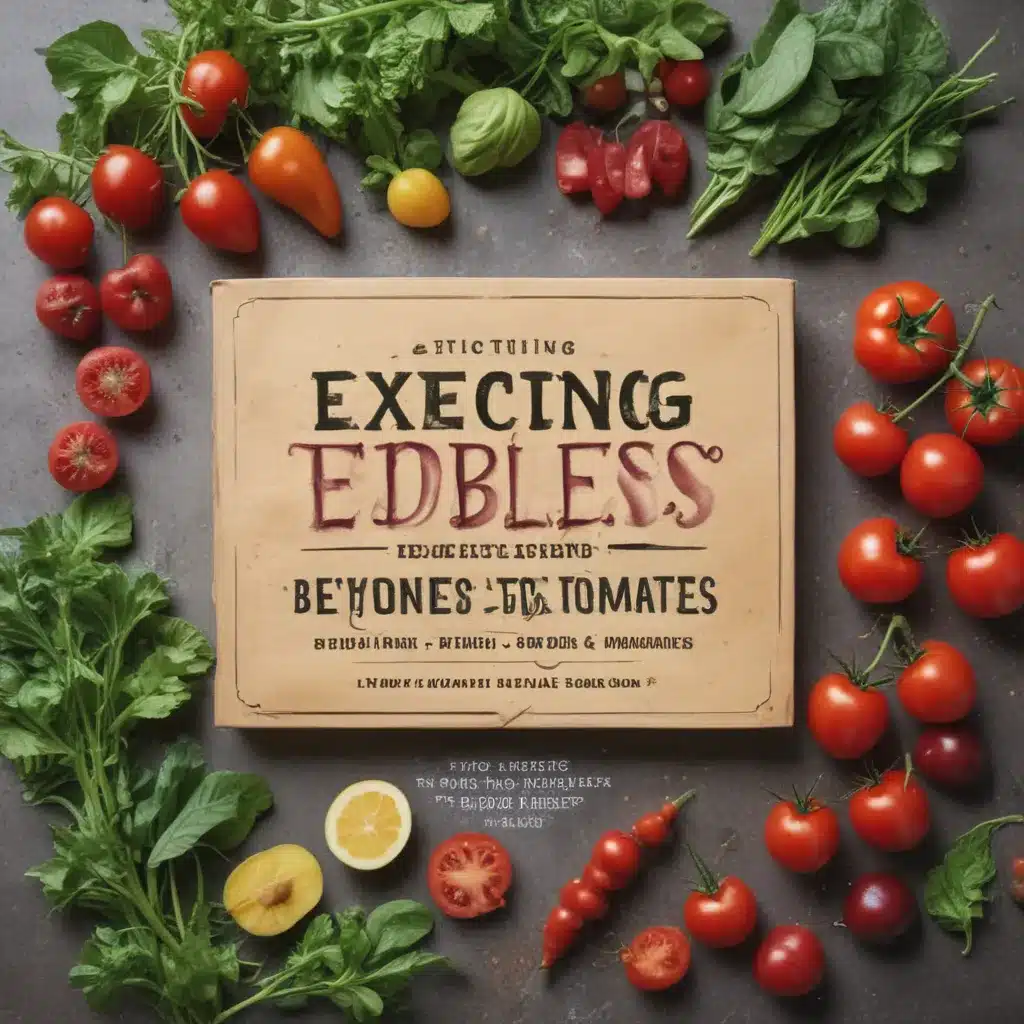
Exciting Edibles Beyond Tomatoes
As I sit in my backyard, the sweet scent of pineapple sage wafts through the air, reminding me of the joys of home gardening. While tomatoes may be the classic staple of any vegetable patch, there’s a whole world of exciting edibles just waiting to be discovered beyond those familiar red orbs.
I’ll admit, I’m not the most green-fingered person around. In fact, I’ve been known to kill the occasional cactus – a feat I’m still baffled by to this day. But there’s something about the process of nurturing plants, watching them grow, and ultimately reaping the rewards of your labor that keeps me coming back, season after season.
Last weekend, as I was planting my herb garden, I stumbled upon a pineapple sage plant that immediately caught my eye. The distinctive fragrance is just the beginning – this versatile herb can be used in everything from savory dishes to refreshing cocktails. It’s a wonderful reminder that the culinary world extends far beyond the usual suspects.
And speaking of exciting edibles, have you ever tried quinoa-crusted sole with a tantalizing chili-lime marinade? It’s a delightfully crispy, gluten-free alternative to traditional breaded fish that’s sure to impress. The combination of the crunchy quinoa coating and the zesty, flavor-packed marinade is simply divine.
But that’s just the tip of the iceberg when it comes to expanding your culinary horizons beyond the classic tomato. What about a vibrant tomato, peach, and corn panzanella salad? The sweetness of the peaches and the crunch of the corn create a delightful contrast to the juicy tomatoes, all tossed together in a tantalizing vinaigrette.
As I delve deeper into the world of unconventional edibles, I can’t help but be reminded of a conversation I had with a professor back in college. He was a true renaissance man, with a passion for sustainable gardening that bordered on the obsessive. When he built his new home, he decided to embark on a three-year journey of planting cover crops and tilling them into the soil before finally establishing his dream lawn.
Of course, this didn’t sit well with his neighbors, who promptly reported him to the local authorities. But he remained undeterred, explaining to the bewildered officials that he was creating a lush, low-maintenance lawn through this unconventional method. Sure enough, after the third year, he had a beautiful, verdant expanse that required minimal care and, as he proudly proclaimed, “very little need for much pesticides or fertilizer.”
This tale of cover cropping and soil-building reminds me of a fascinating conversation I had with Jack Algiere, the Farm Director of Stone Barns Center in New York. He shared so much valuable insight into the world of cover crops and their incredible benefits for gardeners and farmers alike.
According to Algiere, the most effective cover crops aren’t necessarily the ones you can eat. While that may seem like a waste of space for some, the advantages to your soil health are truly remarkable. Cover crops can provide your soil with much-needed rest, nutrition, aeration, and “exercise” – or a combination of these benefits.
Some of the most versatile cover crop families include legumes, grasses, and brassicas. Legumes, like Austrian winter peas or red clover, can add valuable nitrogen to the soil, while grains like winter rye can help break up compacted earth with their deep roots. Brassicas, such as mustard, can even release chemicals that deter harmful pests and nematodes.
The key, Algiere explains, is to time the incorporation of your cover crops just right – cutting them down at the flowering stage, when they’re at the peak of nutrient storage. This ensures that all those valuable sugars and nutrients are transferred back into the soil, ready to nourish your future edible crops.
But cover cropping isn’t the only way to breathe new life into your garden. As I learned from the team at Edible Boston, even simple activities like seed starting can be a fantastic way to engage kids and spark their interest in the wonders of the natural world.
During the pandemic, the author of the Edible Boston article found solace in her burgeoning home garden, starting an impressive 80 tomato plants and countless others to ensure a bountiful summer harvest. But she didn’t keep all the joy to herself – she reserved a few trays for her young children to experiment with, allowing them to make predictions about the seeds and marvel at the process of germination.
From planting pelleted seeds to watching the roots of soaked pea and bean seeds emerge, these simple hands-on activities can captivate kids of all ages. And the benefits extend far beyond just keeping them entertained. Spending time in the garden has been shown to boost mood, reduce stress, and even improve cognitive function through exposure to beneficial microbes in the soil.
Of course, not everyone has the space or the time for a full-fledged vegetable garden. But that doesn’t mean you have to miss out on the joys of growing your own food. Whether it’s a few planters on your balcony or a raised bed in your backyard, the team at ABC Home and Garden in Aberdeen can help you create the perfect setup for your edible oasis.
One of the most exciting options for urban and small-space gardeners are grow bags – breathable, fabric containers that allow for excellent root development without the hassle of heavy, rigid planters. And with a wide range of sizes available, you can grow everything from potatoes and tomatoes to herbs and greens, all in a compact, easy-to-manage package.
As I sit here, surrounded by the vibrant colors and captivating scents of my humble herb garden, I can’t help but marvel at the endless possibilities that lie beyond the humble tomato. From quinoa-crusted sole to tomato-peach-corn panzanella, the culinary world is your oyster when you’re willing to step outside the box and explore the exciting edibles that nature has to offer.
So why not take a cue from my professor friend and his unconventional lawn-building journey? Embrace the unexpected, experiment with new plants, and let your garden be a source of endless discovery and delight. Who knows, you might just find your new favorite superfood lurking in the most unlikely of places.


